
Table of contents
Losing weight, whatever the method, usually goes hand in hand with a small loss of bone mass, because a lower body weight puts less load on the bones. The same applies to treatment with obesity medication. In two small trials in which participants were randomly assigned to the medicine or placebo, bone density in the spine and hip fell more in people who took semaglutide or liraglutide for a year than in people on placebo (1, 2). It is not known whether this leads to more fractures. The authors of a 2026 review that included these trials rated the certainty of the evidence as very low. This means that further research could change these conclusions considerably (3). A meta-analysis (a statistical pooling of the results of many studies) from the same year did not include a single trial comparing tirzepatide with placebo in which bone density was measured (4).
Protecting the bones during obesity treatment needs particular attention in women after the menopause, who lose bone mass faster even without dieting, and in people with osteopenia or osteoporosis, whose bone density is already reduced (5). Obesity medication is not ruled out for them, but from the start, treatment should include regular resistance exercise, enough protein, calcium and vitamin D in line with recommendations, and an assessment of fracture risk, with a bone density scan if needed (6). The doctor chooses the medicine after discussing any previous fractures, falls and osteoporosis medicines.
In brief
- When people lose weight through diet, physical activity or medication, and also after bariatric surgery, bone density usually falls a little. In studies of weight-loss diets, the fall was small and mainly affected the hip (7).
- In two randomised, placebo-controlled trials, bone density in the spine and hip fell more in people taking semaglutide 1 mg or liraglutide than in people on placebo. In the semaglutide trial, the difference after a year was about 2-2.6%. In people who took liraglutide and exercised regularly, bone density did not differ from that in the placebo group (1, 2).
- It is not known whether obesity medication increases the risk of fractures. In the large SELECT trial, hip or pelvic fractures were reported in 1% of women on semaglutide 2.4 mg and 0.2% of women on placebo, but other analyses and observational studies give mixed results (8, 9).
- The best-documented way to protect your bones while losing weight is regular exercise, especially resistance exercise. Older people who are losing weight are advised to do strength training 2-3 times a week. Protein, calcium and vitamin D in the recommended amounts are also needed. Taking calcium supplements just in case is not recommended. A bone density scan is ordered in situations such as a fracture after a minor injury or a raised fracture risk in people over 50 (10, 11).
Why do you lose bone mass when you lose weight?
Bones adapt to the load they carry. When body weight goes down, the skeleton carries less, and the breakdown of bone tissue starts to outweigh its rebuilding. Researchers consider this the main cause of bone loss during weight loss, including during treatment with semaglutide (1, 12). Bone mineral density is measured with a bone density scan (densitometry), also known as a DXA scan. The scanner passes a low dose of X-rays through the hip and spine and uses this to calculate how much mineral the bone contains.
In an analysis of 41 publications on weight-loss diets in adults with overweight or obesity, bone density in the hip decreased after 6, 12 and 24 months of dieting, while in the lower (lumbar) spine it did not change significantly. The authors concluded that this decrease is small compared with the benefits of losing excess weight (7).
Bone density, however, is only an indirect measure of fracture risk. In the Look AHEAD trial, 5,145 people aged 45-76 with type 2 diabetes and overweight or obesity were randomly assigned to an intensive programme of changes to diet and physical activity or to standard diabetes education. Over about 10 years, participants in the first group lost an average of 6% of their body weight, and those in the second group 3.5%. The number of fractures overall, and of hip fractures alone, did not differ between the groups. However, in the intensive programme group, the combined risk of fractures of the hip, pelvis, upper arm bone or shoulder was 39% higher (13).
After bariatric operations that reduce the absorption of food, the risk of fractures in observational studies was 45% higher than in people with obesity who had not had surgery. No such increase was found after procedures that only make the stomach smaller (14).
In women after the menopause, the fall in oestrogen on its own speeds up the loss of bone and muscle mass, and weight loss on obesity medication may intensify this process (5). In its 2024 guidelines, the Polish Society for the Treatment of Obesity (PTLO) states that in older people with obesity, a weight-loss diet reduces bone density and increases the risk of fractures (11).
How do semaglutide and liraglutide affect bone density?
Only a few randomised, placebo-controlled trials have looked at how obesity medicines affect bone density. In such trials, chance decides who gets the medicine and who gets placebo. A 2026 review included eight such trials with 493 participants. One of these trials assessed semaglutide and two assessed liraglutide. Five of the eight trials included people with type 2 diabetes (3).
Semaglutide and liraglutide belong to the same group of medicines, the GLP-1 receptor agonists. In a meta-analysis of placebo-controlled trials, mainly of older medicines from this group, bone density in the lumbar spine decreased slightly and did not change in the hip. The authors caution that these results cannot be applied to semaglutide 2.4 mg or to tirzepatide, because these medicines reduce body weight more (4).
Semaglutide trial in people at increased risk of fractures
A Danish trial included 64 people with reduced bone density in the hip or spine, or who had had a fracture from a minor injury in the previous 3 years. Women after the menopause made up 86% of participants. The average age was 63, and the average BMI was 27.5, which corresponds to being overweight. For a year, half of the participants received semaglutide once a week and half received placebo. The dose was 1 mg, the dose used to treat type 2 diabetes. For treating obesity, the maintenance dose of semaglutide is 2.4 mg (1).
After a year, people on semaglutide had lost an average of 6.8 kg more than people on placebo. Compared with the placebo group, their bone density was about 2% lower in the lumbar spine and about 2.6% lower in the hip as a whole. No difference was found in the neck of the thigh bone (femoral neck). A blood marker of bone breakdown went up, while a marker of bone formation did not change. The authors concluded that the changes resemble the effects of cutting calories alone and attribute them mainly to weight loss. The trial does not answer the question of whether such changes increase the risk of fractures (1).
Does exercise protect your bones during treatment with liraglutide?
Liraglutide is an older obesity medicine that is injected once a day. In a Danish trial, 195 adults aged 18-65 with obesity and without diabetes first followed a diet of about 800 kcal a day for 8 weeks. The participants were then randomly divided into four groups for a year: the first received placebo, the second exercised, the third received liraglutide 3 mg, and the fourth received liraglutide and exercised. The exercise groups trained four times a week, including two sessions a week of exercise bike and strength training (2).
Over the whole trial, including the diet period, people on liraglutide alone lost an average of 13.7 kg, and people who only exercised lost 11.2 kg. Despite the similar weight loss, bone density in the hip and spine fell more in the liraglutide group than in the exercise group and the placebo group. People who combined the medicine with exercise lost the most weight, an average of 16.9 kg, and their bone density in the hip and spine did not differ from that in the placebo group. The participants were on average 43 years old and had no chronic illnesses, so the authors caution that the results cannot be applied directly to older people or to people with diabetes (2).
Does obesity medication increase the risk of fractures?
This is not known. A 2026 meta-analysis included 12 trials that recorded the number of fractures, most of them in people with type 2 diabetes. It did not show that GLP-1 receptor agonists change the risk of fractures (9). However, the authors of 2026 reviews stress the need for long-term trials that track fractures from the start in people taking individual medicines, especially those that reduce body weight the most (3, 4).
Hip and pelvic fractures in the SELECT trial of semaglutide 2.4 mg
The SELECT trial included 17,604 people aged 45 or over with heart or blood vessel disease and a BMI of at least 27, without diabetes. For an average of almost 3 years, they received semaglutide 2.4 mg injections or placebo. The trial was designed mainly to count cardiovascular deaths, heart attacks and strokes, and fractures were recorded when they were reported as adverse events (15). According to the US prescribing information for Wegovy, hip or pelvic fractures were reported in this trial in 1% of women on semaglutide (24 of 2,448) and 0.2% of women on placebo (5 of 2,424). Among people aged 75 and over, the figures were 2.4% (17 of 703) compared with 0.6% (4 of 663). In absolute numbers, there were few such fractures (8).
The European summary of product characteristics (SmPC) for Wegovy does not include this information (16). Even so, this result matters when a doctor plans treatment for women after the menopause and for people over 75.
What is known about tirzepatide and bones?
Tirzepatide (Mounjaro) works in a similar way to semaglutide, but it activates two receptors instead of one (17). The 2026 meta-analysis did not include a single trial comparing tirzepatide with placebo in which bone density was measured (4). In an analysis of the main tirzepatide trials prepared by authors linked to the manufacturer, falls and fractures in people aged 65 and over were about as common on tirzepatide as on placebo (18).
Observational studies based on medical records give mixed results:
- In one of them, over 14 months, people who had started tirzepatide were more often diagnosed with osteoporosis or had a fracture from a minor injury than people taking other GLP-1 agonists. The risk was 44% higher (19).
- In a second study, of people over 65 with type 2 diabetes and overweight or obesity, thigh bone fractures within a year were less common in those taking tirzepatide or semaglutide than in those taking older diabetes medicines from the DPP-4 inhibitor group: 0.2% compared with 0.4% for tirzepatide, and 0.3% compared with 0.5% for semaglutide. Falls were about a third less common (20).
- A third study, from the United States, compared 255 people at increased risk of fractures who were taking semaglutide or tirzepatide with similar people who were not taking these medicines. Hip bone density fell to a similar extent in both groups, except in people without diabetes: among them, the loss was 1% a year compared with 0.6% in the comparison group. The greater the weight loss, the greater the loss of bone mass (21).
People taking different medicines differ in age, in their illnesses and in how often they see a doctor. The authors of observational studies can statistically adjust only for the differences recorded in the medical records, so such studies show an association but do not prove that the medicine is the cause.
How can you protect your bones during treatment with obesity medication?
The best-documented way to protect your bones while losing weight is regular exercise, especially resistance exercise. You also need a diet with enough protein and calcium, and vitamin D at the doses set out in the Polish guidelines (2, 10, 12, 22).
Which exercises protect your bones while you lose weight?
Resistance (strength) exercises involve working against a weight or resistance, such as a resistance band, small weights or dumbbells (11). In a US trial, 160 older people with obesity lost about 10% of their body weight over six months. Hip bone density fell by 2.6% in people doing only endurance exercise, by 1.1% with a combination of endurance and resistance exercise, and by 0.7% with resistance exercise alone (12). In the Danish liraglutide trial, bone density in people who took the medicine and exercised four times a week did not fall more than in the placebo group (2).
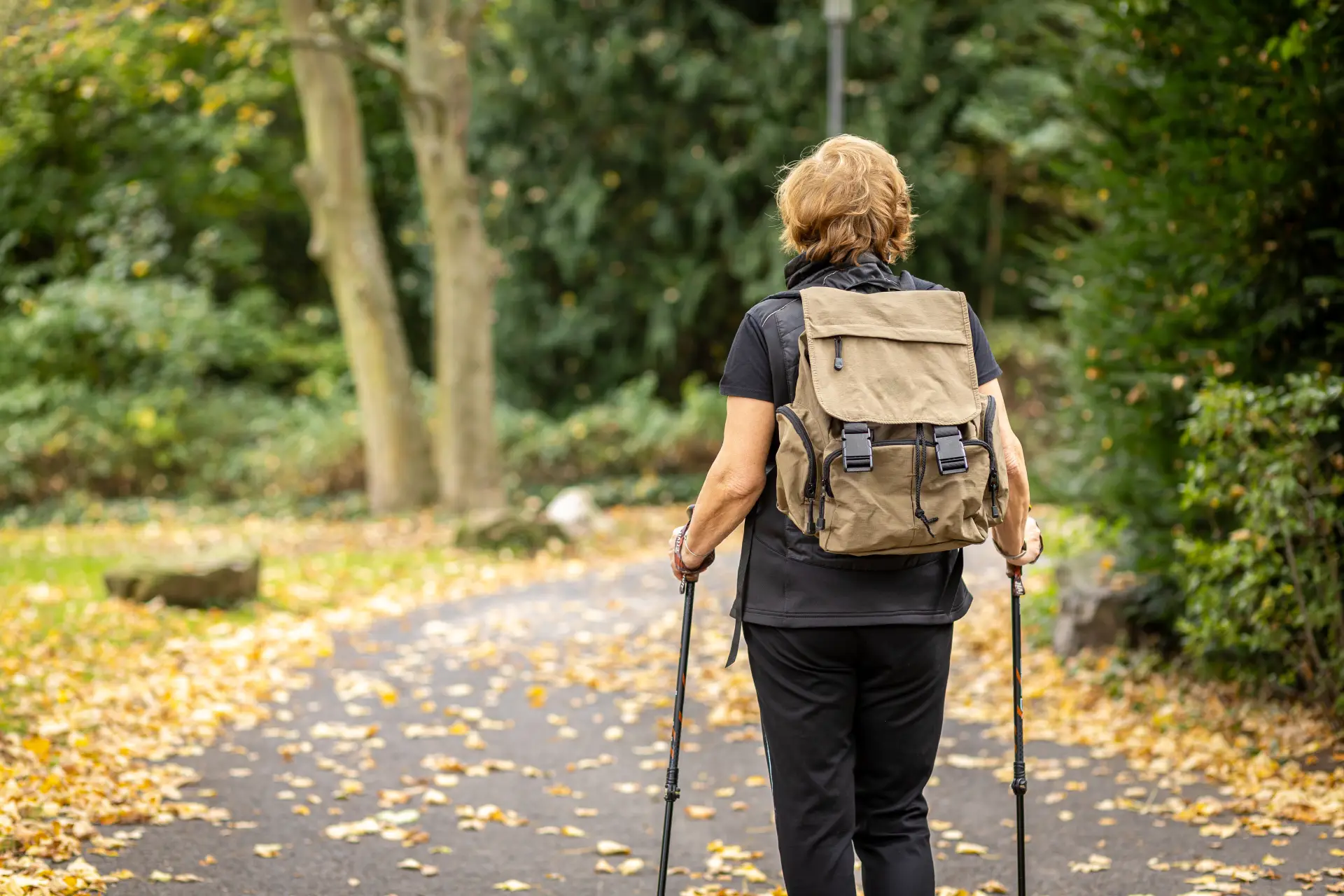
The Polish obesity treatment guidelines set out strength training 2-3 times a week for older people who are losing weight, with a break of at least 48 hours between sessions. One session consists of 1-3 sets of 8-12 repetitions, until you feel slightly tired. You start with a light resistance band or 1-2 kg weights and gradually increase the load. Strength training is complemented by endurance exercise, such as brisk walking or cycling, for 20-60 minutes at a time, without running or other exercise that puts heavy strain on the joints. The guidelines also include balance exercises, such as standing on one leg, because they help prevent falls. Older people being treated for chronic conditions should talk to a doctor before they start exercising (11).
Protein in your diet during obesity treatment
Obesity medication reduces appetite, so it is easy to eat too little of the protein your bones and muscles need. For preventing and treating osteoporosis, about 1.2 g of protein per kilogram of body weight a day is recommended, and the obesity treatment guidelines give 1.0-1.2 g per kilogram for people aged 65 and over (10, 11). Our article on diet during obesity treatment explains how much protein to eat when your appetite is reduced, how to calculate it if your body weight is high and how to spread it across meals.
How much calcium and vitamin D do you need during obesity treatment?
A reduced-calorie diet can lead to deficiencies, for example of vitamin D and calcium. Missing nutrients are made up with suitably chosen foods or with a supplement that contains what is actually lacking (11).
You need about 800-1,200 mg of calcium a day, from food and supplements combined (10). Taking calcium supplements just in case is not recommended. In a trial of 36,282 women after the menopause, a tablet containing 1,000 mg of calcium and 400 IU of vitamin D, taken every day for an average of 7 years, increased hip bone density by about 1%. However, it did not significantly reduce the number of hip fractures, and the risk of kidney stones went up by 17% (23).
The 2023 Polish vitamin D guidelines suggest 1,000-2,000 IU a day all year round for adults, depending on body weight and diet, and 2,000-4,000 IU for people over 75. People up to the age of 65 do not need to take vitamin D in summer if, from May to September, they spend 30-45 minutes in the sun between 10am and 3pm with their forearms and legs uncovered and no sunscreen. In people with obesity, the vitamin D dose is set based on the level of 25(OH)D in the blood. They usually need a dose roughly twice as high as people of the same age with a healthy body weight. The dose is also set based on a blood test in people from other groups at risk of deficiency, including those with osteoporosis and osteopenia. Very high doses taken without monitoring can lead to vitamin D toxicity (22).
When should you have a bone density scan during obesity treatment?
Neither the PTLO guidelines nor the Polish osteoporosis guidelines recommend a bone density scan for everyone starting obesity treatment. The scan is ordered based on an assessment of fracture risk (10, 11). The list of basic tests in our article on tests before obesity treatment does not include a bone density scan either.
A bone density scan is considered in the following situations:
- In women and men over 50 whose risk of a major fracture within 10 years, calculated with the FRAX tool, is moderate (5-10%) or high (over 10%) (10).
- After a fracture from a minor injury, such as a fall from standing height. In people over 50, such a fracture means that the risk of further fractures is high or very high (10).
- In older people before they start exercising, especially if they have an increased risk of osteoporosis or take glucocorticoids (steroid medicines), and in people being treated for osteoporosis (11).
FRAX is a calculator that estimates the probability of a fracture within 10 years based on age, body weight, previous fractures and other risk factors. According to the Polish guidelines, an initial risk assessment without a bone density scan result can be carried out by any healthcare professional, such as a GP (family doctor), a nurse or a physiotherapist (10).
What does a bone density scan result mean?
The result is given as a T-score. This number shows how far your bone density differs from the average in young, healthy adults. A score above -1 is normal. A score of -1 or lower, but higher than -2.5, means osteopenia (reduced bone density). A score of -2.5 or lower means osteoporosis. With a score of -2.5 or lower, osteoporosis is treated regardless of the FRAX result (10).
What should you discuss with your doctor before obesity treatment if you have osteopenia or osteoporosis?
Osteopenia and osteoporosis are not contraindications to semaglutide or tirzepatide, and the European SmPCs for these medicines contain no warnings about bones or fractures (16, 17). With reduced bone density, however, the doctor weighs the benefits of treating obesity against the possible risk to the bones. In a 2026 position statement, the Spanish Menopause Society recommends that in women going through the menopause and after it, treatment with these medicines should include an assessment of fracture risk, resistance exercise, enough protein and regular checks of physical function (6). Our article on eligibility for obesity medication describes the general criteria a doctor uses to decide whether a patient is eligible for treatment with medication.
Before starting treatment, you need to tell the doctor about:
- previous fractures, especially from a minor injury, and falls
- the result of a bone density scan, if you have had one, and any osteoporosis treatment
- medicines you take long term, especially glucocorticoids, which weaken bones (10)
- what exercise you are able to do and whether anything gets in the way, such as knee or back pain
Keep taking your osteoporosis medicines as instructed by the doctor who prescribed them. Alendronate and semaglutide tablets are both taken in the morning on an empty stomach, with a gap before any other medicines, but each is swallowed with a different amount of water. Our article on combining semaglutide tablets with other medicines explains how to plan your day in that case.
Obesity medication after the age of 75
In people aged 75 and over, the doctor takes particular care. In the SELECT trial, hip and pelvic fractures were reported more often in this age group (8). Liraglutide is not recommended at this age, and semaglutide is used with caution, because there are few data on its effects after the age of 75 (11).
Exercise and consultations in the Nasz Gabinet obesity treatment programme
In the obesity treatment programme at Nasz Gabinet, the doctor checks at a video consultation whether an adult patient meets the criteria in the Polish guidelines for treatment with medication, and chooses a medicine from those available in Poland. During the consultation, it helps to share your bone density scan result and mention any previous fractures and the osteoporosis medicines you take. The programme lasts 12 months and includes video consultations with a doctor and a psychologist, and the doctor checks your treatment every month based on data from the app. The app has a strength exercise plan matched to your fitness, from chair exercises to exercises with a resistance band or dumbbells. If you report back or hip problems in the app, it leaves out versions of exercises that put strain on these areas, and if you have balance problems or are aged 65 or over, it adds balance exercises. You buy the medicine at a pharmacy and pay for it separately.
Frequently asked questions
Does Ozempic cause osteoporosis?
Research has not settled this. Ozempic is semaglutide given by injection and licensed for treating type 2 diabetes. In a randomised, placebo-controlled trial in people at increased risk of fractures, semaglutide at the 1 mg dose used in type 2 diabetes reduced bone density in the spine and hip after a year by about 2-2.6% compared with placebo. The authors attribute this mainly to weight loss (1). The results of studies on fractures with semaglutide are mixed (8, 9, 20).
Is tirzepatide safer for bones than semaglutide?
This is not known. Placebo-controlled trials of tirzepatide that measured bone density are lacking (4). Two large observational studies produced different results: in one, tirzepatide was linked to more frequent diagnoses of osteoporosis and to more fractures than other GLP-1 agonists, and in the other to fewer thigh bone fractures than older diabetes medicines (19, 20).
Is walking enough to protect your bones while losing weight?
Walking and other endurance exercise are needed, but on their own they may not be enough. In a trial of older people with obesity who lost about 10% of their body weight, hip bone density fell by 2.6% with endurance exercise alone and by 0.7% with resistance exercise (12). The Polish obesity treatment guidelines recommend combining both types of exercise, plus balance exercises (11).
Sources
- Hansen MS, Wölfel EM, Jeromdesella S et al. Once-weekly semaglutide versus placebo in adults with increased fracture risk: a randomised, double-blinded, two-centre, phase 2 trial. EClinicalMedicine. 2024;72:102624. PMID 38737002, DOI
- Jensen SBK, Sørensen V, Sandsdal RM et al. Bone Health After Exercise Alone, GLP-1 Receptor Agonist Treatment, or Combination Treatment: A Secondary Analysis of a Randomized Clinical Trial. JAMA Netw Open. 2024;7(6):e2416775. PMID 38916894, DOI
- Lai CH, Li YT, Wu TS, Wu CT. Skeletal effects of GLP-1 receptor agonist therapy in adults with overweight or obesity: a systematic review. Arch Osteoporos. 2026;21(1):148. PMID 42920024, DOI
- Safargar M, Ahmadi N, Prabahar K et al. The effect of glucagon-like peptide-1 receptor agonists on bone metabolism: A systematic review and meta-analysis of randomized placebo-controlled trials of predominantly first-generation agents. Bone. 2026;215:118160. PMID 42971377, DOI
- Castaneda R, Pavlov K, Shufelt CL, Faubion SS. Incretin-based therapies in menopause: Current landscape. Maturitas. 2026;215:109159. PMID 42933336, DOI
- Sánchez-Prieto M, Romero-Domínguez M, Orozco R et al. Incretin-based therapies in peri- and postmenopausal women with obesity: an expert position statement from the Spanish Menopause Society. Maturitas. 2026;213:109101. PMID 42664617, DOI
- Zibellini J, Seimon RV, Lee CM et al. Does Diet-Induced Weight Loss Lead to Bone Loss in Overweight or Obese Adults? A Systematic Review and Meta-Analysis of Clinical Trials. J Bone Miner Res. 2015;30(12):2168-2178. PMID 26012544, DOI
- U.S. Food and Drug Administration, Novo Nordisk. Wegovy (semaglutide) injection, Wegovy (semaglutide) tablets - Prescribing Information, sections 6.1 (Fractures) and 8.5, version of 18.06.2026. dailymed.nlm.nih.gov
- Beaudart C, Malréchauffé Y, van Heden S et al. GLP-1 Receptor Agonists and Musculoskeletal Outcomes: A Systematic Literature Review and Meta-Analysis. Drugs. 2026;86(10):1661-1691. PMID 42730869, DOI
- Głuszko P, Sewerynek E, Misiorowski W et al. Guidelines for the diagnosis and management of osteoporosis in Poland. Update 2022. Endokrynol Pol. 2023;74(1):5-15. PMID 36847720, DOI
- Bąk-Sosnowska M, Białkowska M, Bogdański P et al. Zalecenia kliniczne dotyczące postępowania u chorych na otyłość 2024 - stanowisko Polskiego Towarzystwa Leczenia Otyłości (Clinical guidelines for the management of patients with obesity - position statement of the Polish Society for the Treatment of Obesity). Medycyna Praktyczna, special edition, September 2024 (chapters 8 and 14). ptlo.org.pl
- Armamento-Villareal R, Aguirre L, Waters DL et al. Effect of Aerobic or Resistance Exercise, or Both, on Bone Mineral Density and Bone Metabolism in Obese Older Adults While Dieting: A Randomized Controlled Trial. J Bone Miner Res. 2020;35(3):430-439. PMID 31797417, DOI
- Johnson KC, Bray GA, Cheskin LJ et al.; Look AHEAD Study Group. The Effect of Intentional Weight Loss on Fracture Risk in Persons With Diabetes: Results From the Look AHEAD Randomized Clinical Trial. J Bone Miner Res. 2017;32(11):2278-2287. PMID 28678345, DOI
- Saad RK, Ghezzawi M, Habli D et al. Fracture risk following bariatric surgery: a systematic review and meta-analysis. Osteoporos Int. 2022;33(3):511-526. PMID 34988627, DOI
- Lincoff AM, Brown-Frandsen K, Colhoun HM et al. Semaglutide and Cardiovascular Outcomes in Obesity without Diabetes. N Engl J Med. 2023;389(24):2221-2232. PMID 37952131, DOI
- European Medicines Agency. Wegovy (semaglutyd) - charakterystyka produktu leczniczego (summary of product characteristics). ema.europa.eu
- European Medicines Agency. Mounjaro (tirzepatyd) - charakterystyka produktu leczniczego (summary of product characteristics). ema.europa.eu
- Alfaris N, Kushner RF, Li J et al. Tirzepatide for Obesity in Adults ≥ 65 Years: A Post Hoc Analysis of the SURMOUNT and SUMMIT Clinical Trials. Diabetes Obes Metab. 2026;28(9):8072-8083. PMID 42303274, DOI
- Hsu YH, Liang YC, Chan KC et al. Association of tirzepatide use with risk of osteoporosis compared with other GLP-1 receptor agonists: A retrospective cohort study using the TriNetX database. Diabetes Res Clin Pract. 2025;230:112995. PMID 41218687, DOI
- Chen HY, Wu JY, Chu YH, Chen TW, Huang CF. Lower fall and femoral fracture risks with semaglutide and tirzepatide compared with DPP-4 inhibitors in older adults with type 2 diabetes. Osteoporos Int. 2026;37(9):2451-2463. PMID 42435064, DOI
- Liu Y, Walzer D, Schmitz S et al. Skeletal effect of semaglutide and tirzepatide in patients with increased risk of fractures. J Clin Endocrinol Metab. 2026;111(7):1959-1966. PMID 41655226, DOI
- Płudowski P, Kos-Kudła B, Walczak M et al. Guidelines for Preventing and Treating Vitamin D Deficiency: A 2023 Update in Poland. Nutrients. 2023;15(3):695. PMID 36771403, DOI
- Jackson RD, LaCroix AZ, Gass M et al. Calcium plus vitamin D supplementation and the risk of fractures. N Engl J Med. 2006;354(7):669-683. PMID 16481635, DOI
Do you have osteopenia or osteoporosis and are you considering obesity medication?
In the 12-month online programme for adults, the doctor uses the criteria of the Polish Society for the Treatment of Obesity to assess whether you can start treatment with medication, and chooses a medicine from those available in Poland, taking into account your medical conditions and the medicines you take. You have video consultations with a doctor and a psychologist and a strength exercise plan in the app, and the doctor reviews your progress every month. You buy the medicine separately at a pharmacy.