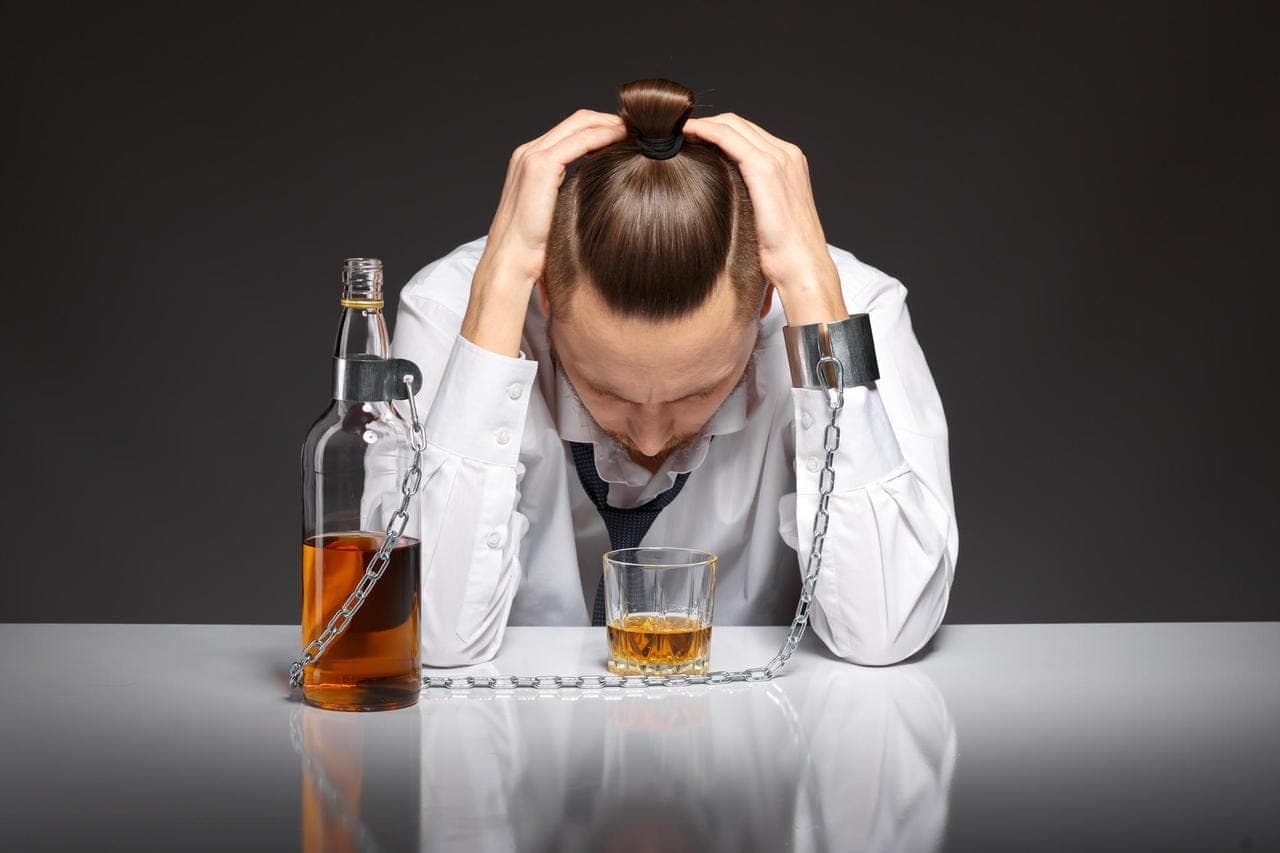


Why alcoholism is treated like a chronic disease
Alcohol addiction has its own number in the classification of diseases, 6C40.2 in ICD-11 and F10.2 in the older ICD-10. It is diagnosed according to the criteria of that classification and treated in the same way as other chronic diseases.
Regular drinking changes the way the brain works, above all the reward system and the stress response. This is where the craving for alcohol comes from, a craving that comes back despite sincere resolutions, and this is where control over how much and when a person drinks starts to weaken.
The diagnosis is made up of several symptoms: a strong need to drink that is hard to resist, loss of control over the amount, tolerance, meaning the need to drink ever larger amounts, drinking despite harm to health, to work and to home life, and withdrawal symptoms after a break from alcohol. The more of them occur together, the deeper the addiction.
The disease is chronic and relapsing. That is why a decision to stop drinking is rarely enough on its own, and going back to drinking after a period of abstinence does not cancel out the treatment done so far. It is a signal that the patient has to return to that treatment.
How to tell whether drinking is already doing harm
The first signs of addiction are rarely dramatic. Alcohol appears in the evening as a way to fall asleep or to release tension, then comes drinking alone, in the morning the hands start to shake, and a gap in the memory of the previous evening stops being surprising. A separate signal is the morning drink taken to soften the effects of drinking the day before.
Some of the damage shows up in ordinary blood tests. With harmful drinking, liver enzyme levels rise, above all GGT, and the volume of red blood cells, that is MCV, increases. A normal result settles nothing, however, because a young body compensates for damage for a long time, and tests do not show what is happening to control over drinking.
Medicine divides such drinking into three categories. Risky drinking has not yet caused damage to health. Harmful drinking, marked in the classification as F10.1, already causes such damage, although control over the amount is still preserved. Addiction, that is F10.2, adds to this a strong need to drink, tolerance and withdrawal symptoms once a person stops drinking. For a first check there is the AUDIT test of the World Health Organization, ten questions, and three in the shortened AUDIT-C version. A positive test result is a reason to book a consultation, but on its own it is not a diagnosis.
There is no threshold below which alcohol is harmless to health. That is why what matters more than the amount is the reason the patient reaches for alcohol. If alcohol is there to quieten emotions, to make falling asleep easier or to numb the feelings after a hard day, that is already a warning sign, whatever the number of glasses.
What alcoholism treatment in Poznań covers and how long it lasts
We run treatment privately, and we count its length in months rather than in single appointments. It begins with a medical consultation at which we assess how far the addiction has gone and what the patient's health is like, and we set the goal of treatment.
The second stage is stabilisation. In a patient who has been drinking daily for weeks we start with detox, to carry them safely through withdrawal. Medicines that support abstinence and the implant only make sense once the patient has stopped drinking. The core of treatment is psychotherapy, which we provide as part of addiction therapy in Poznań.
We arrange the plan in packages of one, three, six or twelve months. The shorter option covers the start of treatment and stabilisation. The longer packages cover what decides whether the result lasts: regular sessions, supervision of the medication and a quick response when the risk of going back to drinking returns.
Two things have to be said plainly. Treatment is not a cleansing of the body from toxins, nor a one off procedure after which the problem disappears. The goal of treatment is learning to live without alcohol and holding on to that change, not being cured after a single visit.
Treatment at the practice, in a centre or online in Poznań
Three things decide the form of treatment: the safety of withdrawal, how far the disease has gone, and whether the patient can keep to abstinence at home.
Treatment at the practice without interrupting work
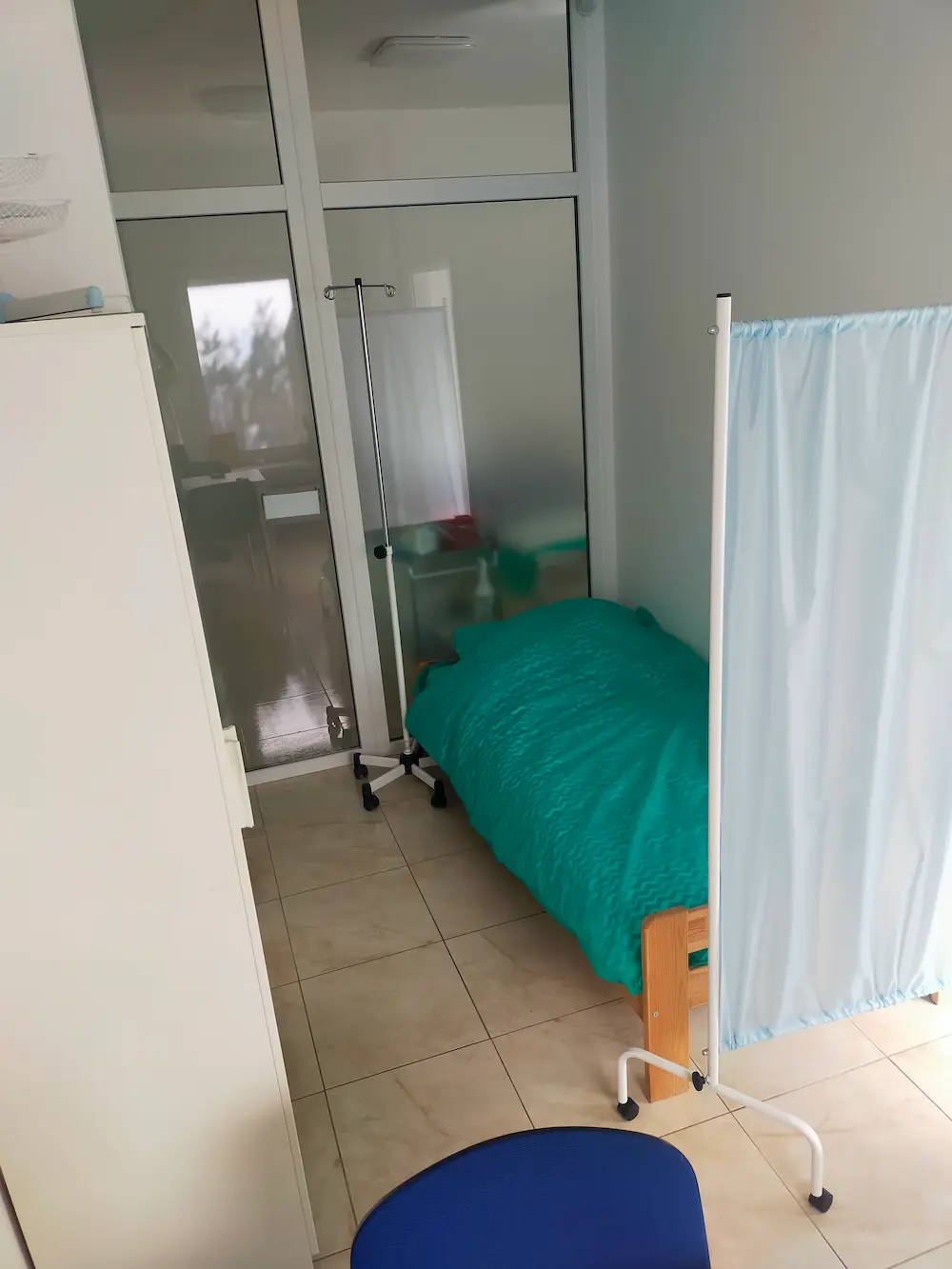
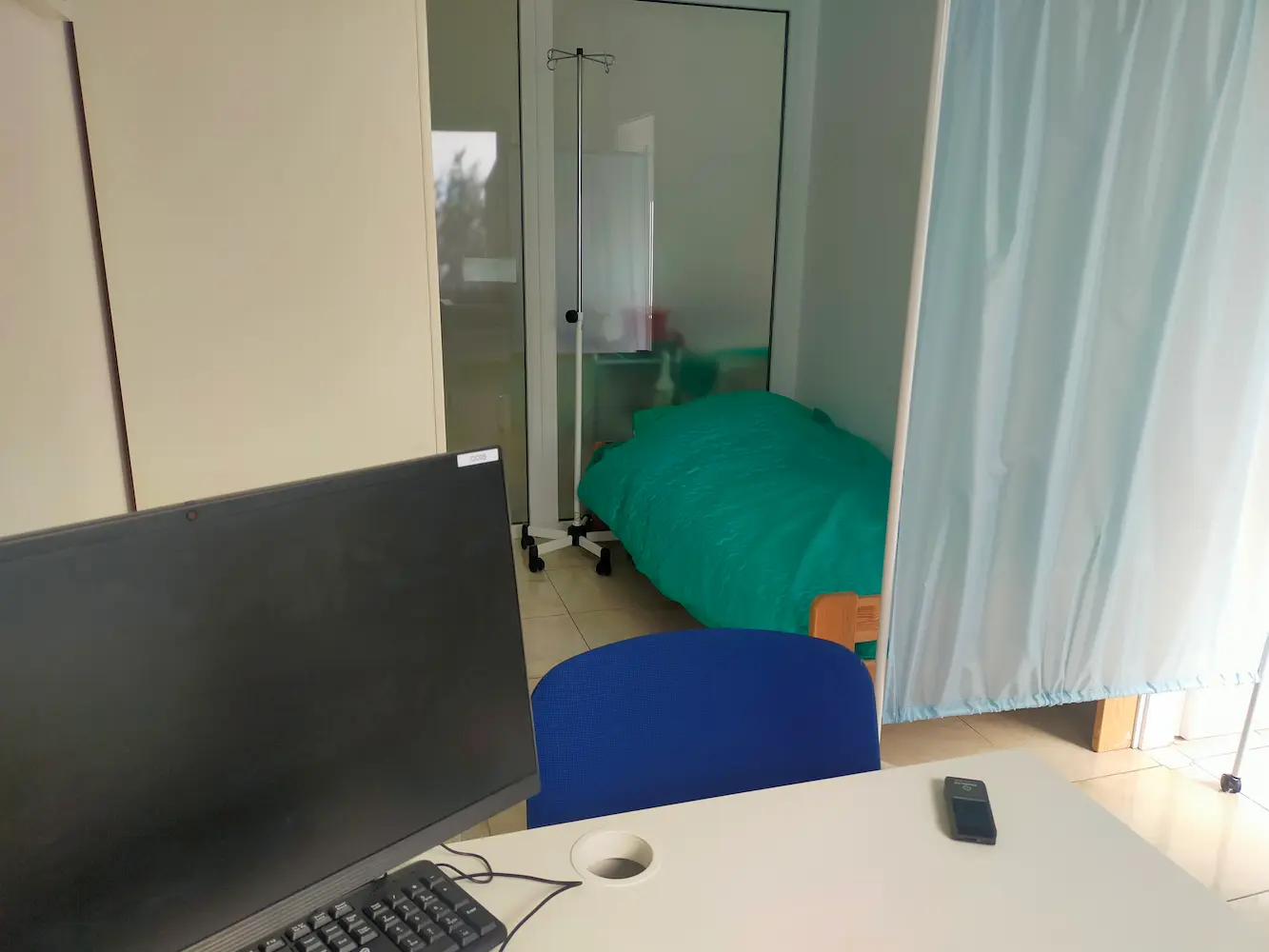
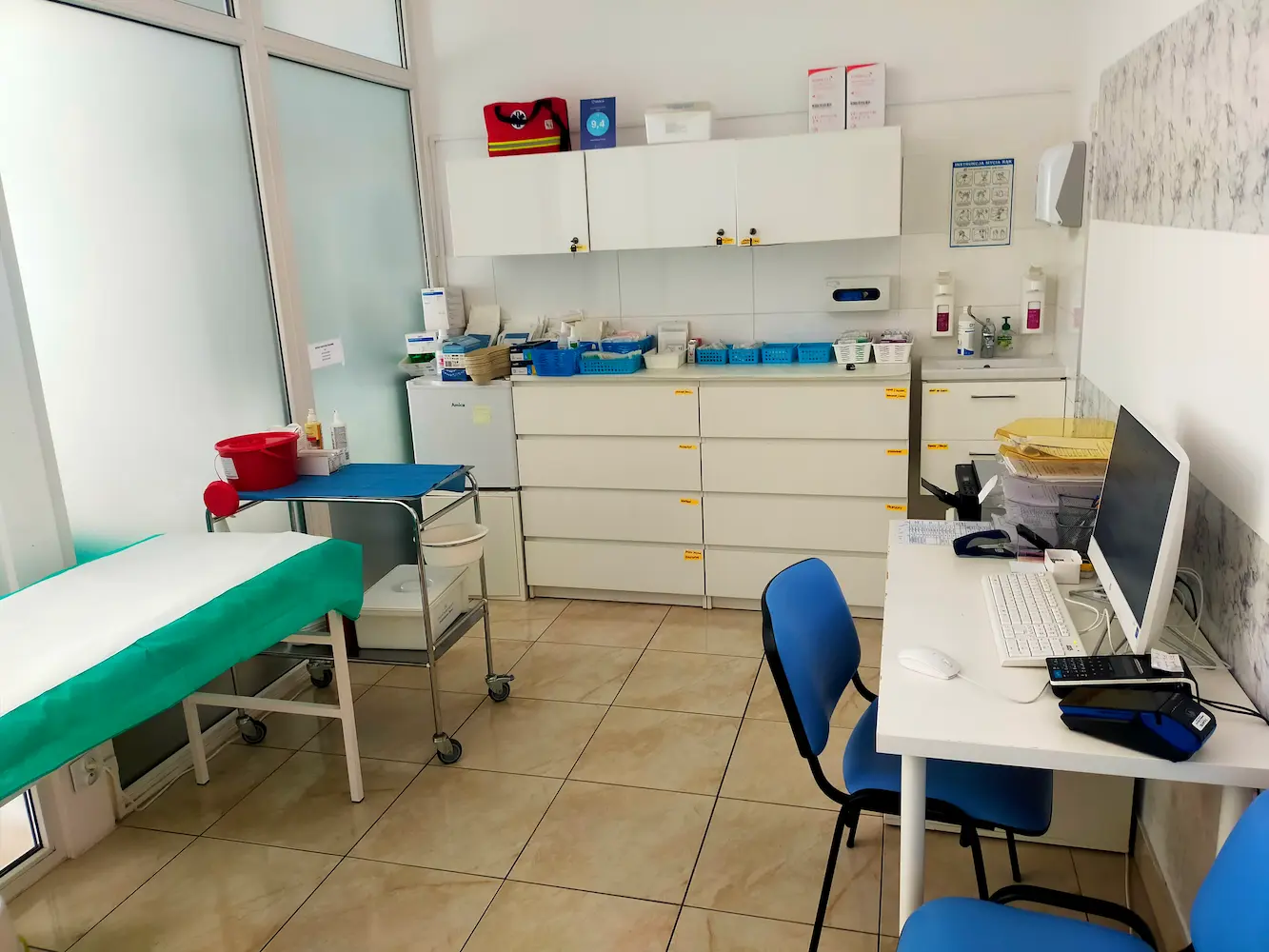
On an outpatient basis we treat people with a stable work situation, with the support of someone close and without severe health complications. The practice on Górki 17A sees patients seven days a week from 8 am to 8 pm, so appointments can be arranged outside working hours, without sick leave and without leaving Poznań. This is how most patients who come forward on their own begin.
Situations in which we treat round the clock
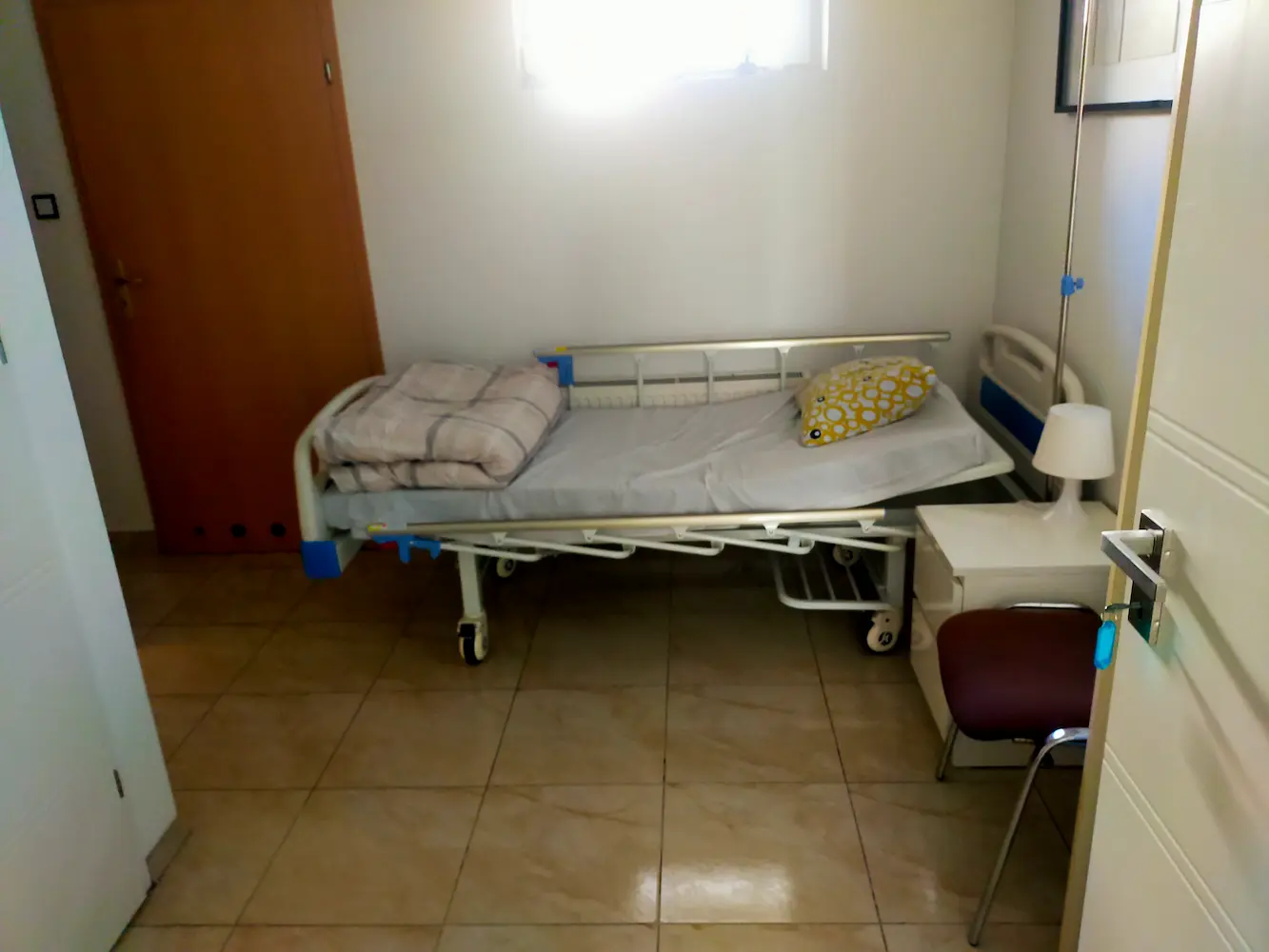
We consider a residential stay after long drinking bouts, with serious coexisting illnesses, after several unsuccessful attempts at the practice, and when alcohol is an everyday matter at home and the patient will not keep to abstinence there even for a week. We always choose the mildest mode that still has a chance of working in a given situation. We describe what the stay involves under residential treatment in Poznań.
When online treatment makes sense and when we start in person
We do not start treatment remotely in someone who has been drinking daily for weeks, because assessment requires examining the patient and judging the risk of withdrawal. Online we do run maintenance sessions, pharmacotherapy checks and consultations for patients from outside the city, e-prescription included.
How the Esperal implant and oral medication differ in Poznań
The implant and the tablets do two different things in a treatment plan and do not replace one another.
Esperal is an implant with disulfiram placed under the skin. Disulfiram stops the body from breaking alcohol down completely, so after a drink the body reacts violently. It protects against a sudden urge to drink, but it does not treat alcohol addiction, because it does not reduce the craving for alcohol and does not teach the patient how to cope without drinking. The procedure requires prior abstinence and medical assessment, and we describe how it goes under the Esperal implant in Poznań.
Oral medicines work in a completely different way. Naltrexone dampens the pleasure the patient looks for in alcohol and reduces the craving for it. Acamprosate eases the tension that lasts for months after a person stops drinking, and in that way helps the patient keep to abstinence. Nalmefene is a medicine taken as needed, on a day when the risk of drinking is higher. Disulfiram in tablet form causes the same bodily reaction after alcohol as the implant.
The doctor chooses the medicine, taking into account the state of health, the pattern of drinking and the goal of treatment. Medication works when we run it alongside psychotherapy rather than in place of it.
Withdrawal symptoms that make detox necessary
Detox means carrying the patient safely through the withdrawal syndrome, that is through the symptoms that appear after stopping drinking in someone who has been drinking long and heavily. Detox is not a cleansing of the body from toxins and it does not replace treatment, it prepares the patient for it.
Stopping drinking on your own is dangerous with severe tremor of the hands, drenching sweats, vomiting, a fast pulse, rising anxiety and insomnia, and above all in people who have already been through seizures or alcoholic delirium. Withdrawal seizures and delirium are life threatening emergencies and require medical supervision.
In such situations we do not arrange the first therapy session but a detox run by medical staff. We describe the tests, the course of the first 24 hours of detox and the composition of the infusions under alcohol detox in Poznań.
What to do after breaking abstinence so that it does not turn into a bout
A return to drinking during treatment or after it happens often and does not mean that the work done so far has gone to waste. Relapses happen in chronic diseases, which is why we prepare a plan for that situation in advance instead of assuming it will not occur.
Most depends on what the patient does in the first hours after drinking. A single evening of drinking can usually be stopped without major consequences, while a bout lasting a week calls for stabilisation again, sometimes with detox. That is why we ask patients to call straight away and not only once they feel better, and not to cancel the next session out of shame.
After a relapse we check what preceded it and whether the choice of medicine is still right. Changing the medicine or holding sessions more often at this stage is an ordinary correction of the treatment plan, not a punishment for going back to drinking.
The first year of sobriety and a plan for triggering situations
The greatest risk of a return to drinking falls in the first months after a person stops drinking, when the body and everyday habits have not yet had time to adjust. This period decides whether the effect of treatment will hold.
The basis is work on relapse prevention. Together with the therapist the patient writes out the situations that set drinking off, for instance an evening alone, payday, a row at home or a company gathering, and rehearses a response to each of them. Such a plan helps only when the patient prepares it in advance, before the difficult situation arrives.
The second element is pharmacotherapy continued for as long as it is needed, rather than stopped on the day of the last session. Between appointments contact with people in the same situation helps, for example at meetings and in self help groups. We plan follow up consultations less and less often, but we do not close treatment as long as the patient needs them.
What helps and what does harm when someone in the family drinks
Relatives usually try everything before they reach a specialist. They keep watch over the person who drinks, pour alcohol away, pay off debts and explain away their absences at work. Such actions bring a few days of calm, but they spare the drinking person the consequences of drinking, so they push the decision to start treatment further away.
The scale of the problem inside families can be seen in the divorce statistics. In 2025 in the Greater Poland Voivodeship 5,348 divorces were granted, and the courts recorded alcohol abuse as one of the causes of the breakdown of the marriage in 601 of them, more often than infidelity, which appeared in 524 cases. In 167 cases alcohol was the sole cause. For comparison, drugs were indicated in 62 cases and gambling in 22. In Poznań itself 799 divorces were granted in the same year, though Statistics Poland gives the causes only for the voivodeship as a whole.
Relatives can get treatment for themselves regardless of whether the drinking person decides to start treatment. Therapy for co-dependency teaches how to set boundaries without blackmail and how to get out of a situation in which the whole life of the family is subordinated to the drinking of someone close. A separate subject is adult children of alcoholics, in whom the effects of growing up in such a home are visible years later.
There is also a formal route. The family files a notification with the municipal commission for solving alcohol related problems, and the commission may submit a motion to the court for an obligation to undergo addiction treatment. We explain how that procedure works in the questions below.
What we do when drinking is a way of coping with anxiety or insomnia
In some patients drinking begins with another health problem. Evening drinking comes from anxiety, insomnia or depression, and every glass brings brief relief and deepens the problem the next day.
When depression, an anxiety disorder or post traumatic stress disorder occurs alongside addiction, treating only one of these disorders rarely gives a lasting result. Abstinence alone does not remove anxiety, and psychiatric treatment while drinking continues gives poor results.
That is why we treat both disorders in parallel. The psychiatrist is responsible for treating the mental disorder, the addiction therapist for the work on drinking, and we draw up both parts of the plan together and adjust them at the same time. When these roles are split between two independent facilities, treatment often breaks off after a few weeks.
What the people of Poznań say about their drinking and what these figures do not show
There is no register from which one could read how many residents of Poznań drink harmfully. What is known about the scale of the phenomenon comes from questionnaire surveys, and these measure declarations, not the state of health.
In a survey from 2019, on a sample of 2,014 adult residents of Poznań, 61.3 percent declared that they drink alcohol. Among men it was 68 percent, among women 56 percent, and in the group aged 65 and over 37 percent. The authors set this result against nationwide surveys in which declarations of drinking exceeded 80 percent. Such a difference is not proof that people in Poznań drink markedly less. More recent data for Poznań itself comes from the diagnosis of addiction and violence problems that the city presented in June 2026.
There is little point in comparing your own drinking with an average, because statistics settle nothing in a single case. Whether drinking is already doing harm is decided by a screening test, an examination and a conversation with a specialist. You can book a consultation at the practice on Górki 17A or online, including when you are calling about someone close to you.