

What an addiction treatment centre in Poznań is
An addiction treatment centre in Poznań is a place where treatment is residential, meaning the patient stays around the clock. For the duration of therapy the patient lives at the centre and spends several weeks under the constant care of the team. This is the basic difference from outpatient treatment, which you attend from home - here the whole day is built around recovery, and the patient is cut off from the places, people and situations that kept the addiction going.
At our centre on Górki 17A in Poznań we treat addictions to alcohol, to medication (mainly sleeping pills and sedatives) and to drugs and legal highs. We also treat behavioural addictions, gambling above all. If the problem concerns a specific substance or behaviour, you can start with a tailored path: drug addiction treatment in Poznań or gambling addiction treatment in Poznań.
People of various ages and at various stages come to the centre - from those who lost control over drinking or using fairly recently, to people with a years-long addiction and several failed attempts at treatment. We admit patients from Poznań and the whole of Wielkopolska, as well as from outside the region - with a round-the-clock stay the distance from home can even be an advantage, because it cuts a person off from their usual surroundings.
At one centre we treat addictions to different substances and behaviours, because the mechanism of addiction is similar regardless of what it concerns. They also often combine - someone addicted to alcohol reaches for sedatives, and a gambling problem goes hand in hand with drinking. During assessment we look at the whole situation, not only at the single, most visible problem.
How inpatient treatment differs from therapy at an outpatient clinic
Many people start at an outpatient clinic with sessions once a week - that is a good route when the addiction is not yet deeply set and home offers support. Outpatient alcoholism treatment in Poznań works when the patient is able to stay sober between sessions. An inpatient centre answers harder situations: when attempts to treat the problem at home were not enough, when cravings are strong or when the surroundings pull a person back to drinking or using. A stay gives what home cannot - several weeks without access to substances and daily work with a therapist.
Treatment with us is private and entirely voluntary. We do not require a referral and we do not put anyone in a queue - by comparison, at public facilities in Poznań the wait for a first appointment is counted in weeks, and for a place on an inpatient ward often in months. Whether a stay is the right step we decide together during the qualifying conversation.
What the stay looks like - from admission to leaving
The stay begins with a phone call. During the qualifying conversation we establish what the patient is addicted to, how long the problem has lasted and what state they are in - on that basis we propose the length of the stay and a date of admission. We admit a sober person to the centre. If there is still alcohol or another substance in the body, detoxification is needed first - we carry it out as part of alcohol detox in Poznań, and the actual therapy begins once the body is clean.
The first days at the centre
The start of the stay is a time of adjustment. The patient meets the team and the other participants, goes through an initial health assessment and, together with the lead therapist, draws up an individual therapy plan. If the patient has just gone through withdrawal, the first days are calmer - it is a time of coming back into balance, and the intensity of activities rises gradually. It is worth bringing personal items for several weeks, any regular medication along with a note from the doctor, and an identity document.
After that the day already has a fixed rhythm. The patient takes part in therapy for up to 8 hours a day - a combination of group activities and individual meetings with the lead therapist. The rest of the day is meals, rest, time for therapeutic tasks and sleep in a steady rhythm. This orderly plan is itself part of the treatment: the body and the mind learn to function without substances.
This predictable rhythm is part of the therapy. For many patients the stay is the first time in a long while when the day does not revolve around getting and using a substance, but around sleep, meals, working on oneself and rest. Phone contact with loved ones is possible, but within set limits, so that it protects the focus on treatment.
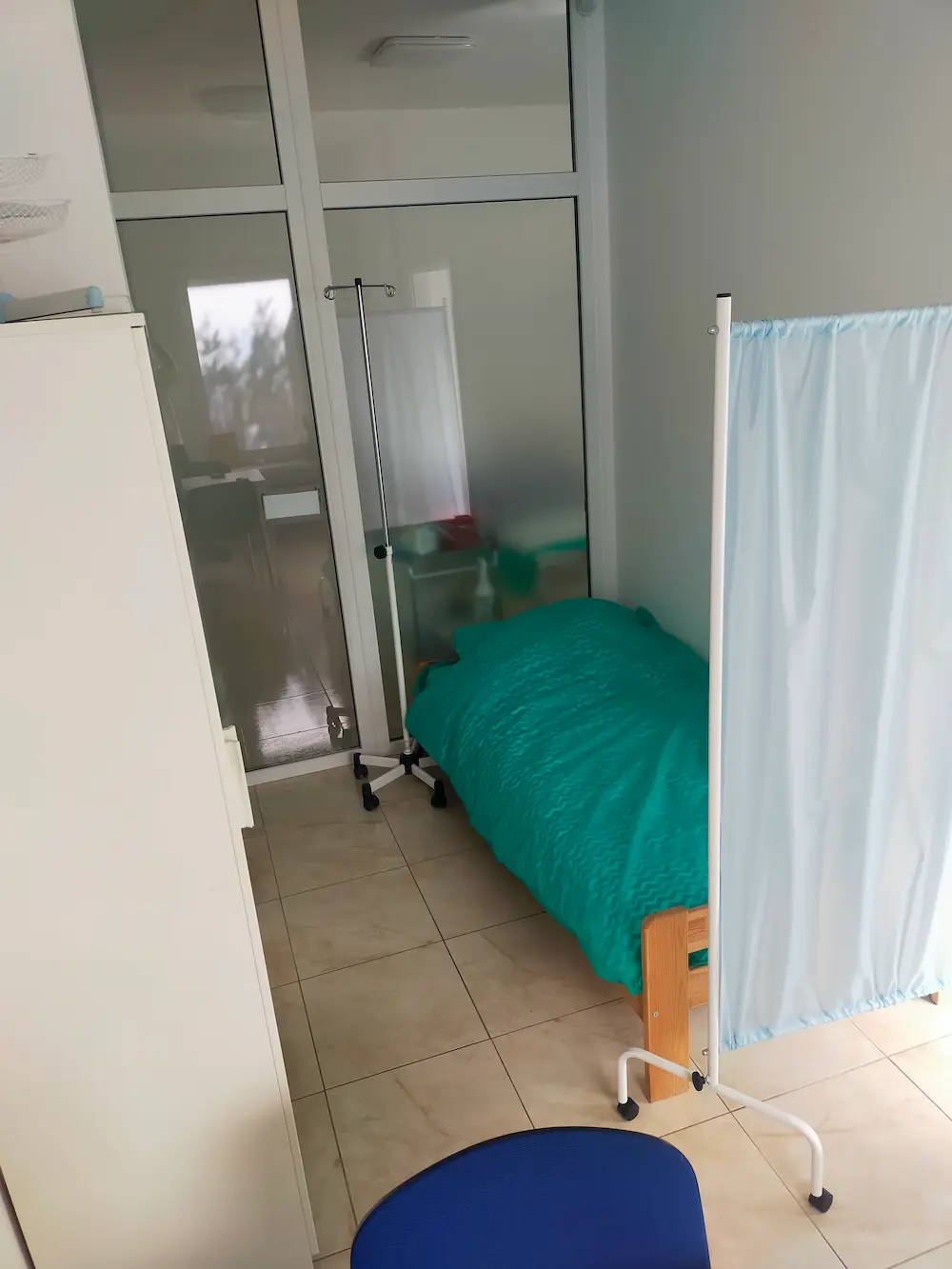
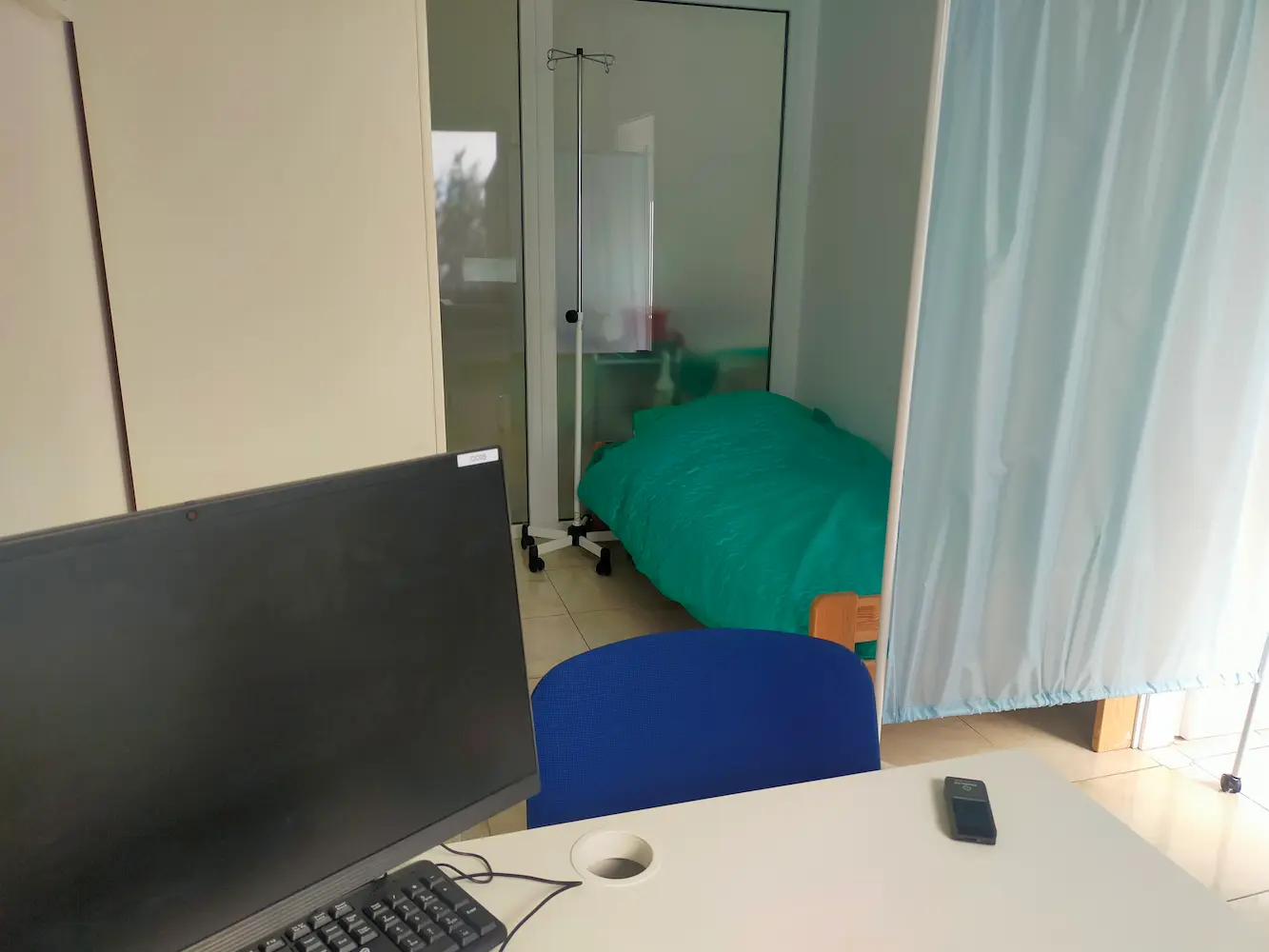
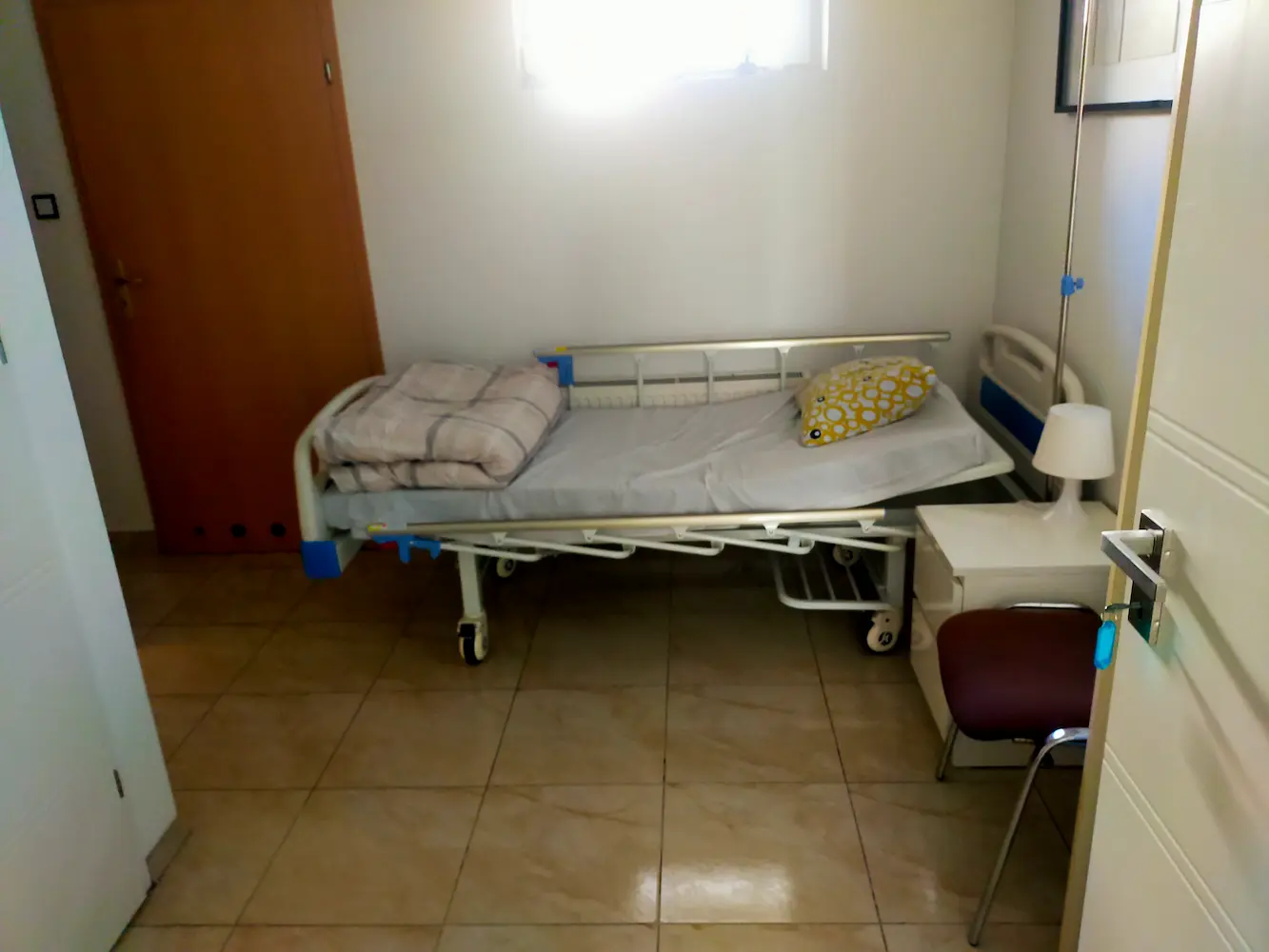
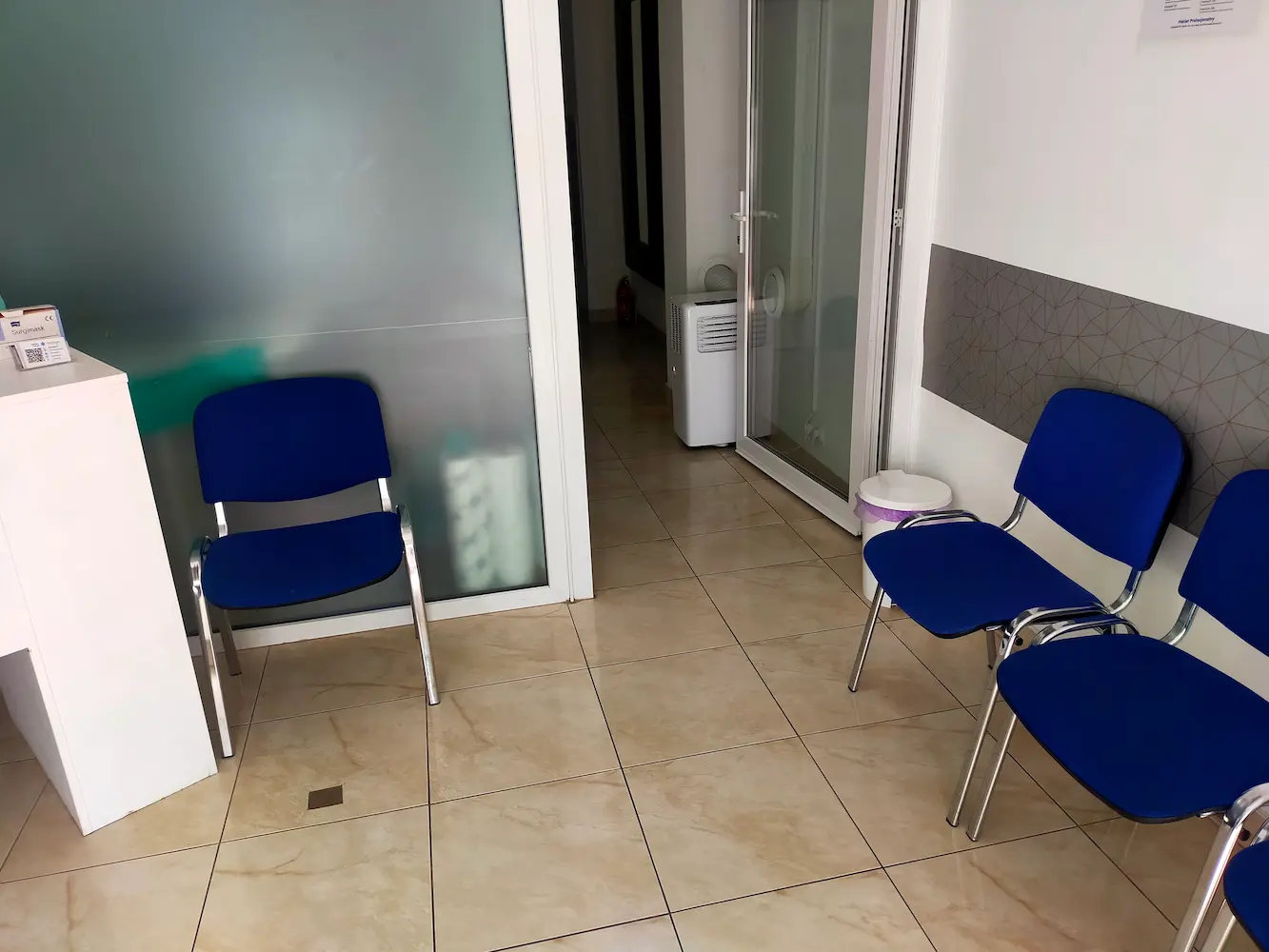
For the duration of the stay the centre provides full board: a place to sleep, meals and daily care, so that the patient can focus solely on themselves and on therapy. Calm, orderly surroundings are not an extra - for someone whose life has revolved around addiction for months, simply returning to regular meals and sleep can be the beginning of recovery.
What the length of the stay depends on
We offer two packages: the four-week "Intensive Start" and the eight-week "Full Process of Transformation". Four weeks are enough to get through the hardest beginning, to stabilise and to learn the basics of coping with cravings. Eight weeks give time for deeper work on the causes of the addiction and for cementing new habits - we choose this option more often with a long history of addiction or after earlier relapses. We set the length of the stay together with the patient, and if the situation calls for it, we discuss changing it along the way.
Already during the stay, and not only on leaving, we begin preparing the patient for the return to everyday life - because it is the first weeks after the centre that are the hardest. What this plan consists of, we describe in the last part of this page.
The therapeutic programme - work with a lead therapist and the group
The heart of treatment at the centre is the work with a lead therapist. This is one person who knows the patient's situation from the beginning to the end of the stay, guides them individually and watches over the whole course of therapy. Thanks to this the patient does not repeat their story to someone new each time, and the therapist sees what really changes.
Individual meetings are a space for what is hard to say in a group. Here the patient works on their personal story - how the addiction began, what functions it serves and what keeps it in check. The therapist adjusts the pace and the topics to the particular person, and what comes out of these sessions later returns in the group work.
The second part of the programme is group therapy. Meetings among people with similar experience have a concrete value: it is easier to see the mechanism of addiction in someone else than in oneself, and the honesty of the other participants breaks the feeling of being alone with the problem. The group also gives support and feedback that loved ones usually cannot provide.
Group sessions are not all the same. Some of them are psychoeducation, that is solid knowledge about how addiction works and what happens in the body and the mind of an addicted person. Other groups are thematic - devoted to emotions, relationships or precisely to relapse prevention. Thanks to this the patient not only talks about their problem, but also learns to understand and name it.
What the patient learns in therapy
Therapy at the centre is not only talking. The patient learns to recognise their own signs of craving and the situations that trigger it, understands the mechanisms that kept the drinking or using going, and practises concrete ways of coping with tension without reaching for a substance. These skills are meant to work above all later - after leaving, in ordinary life.
The whole team watches over the quality of this work. Once a month the therapists meet for supervision, that is a joint review of the cases they are handling with an experienced specialist. It is a standard that makes sure therapy keeps its level and that decisions do not rest on one person.
Who the inpatient centre is for - indications and eligibility
An inpatient centre is not the first step for everyone. Most often it helps people for whom earlier attempts at treatment at an outpatient clinic did not bring a lasting effect, whose cravings are strong enough that it is hard to hold out without constant support, and those whose home or closest surroundings keep the addiction going. A stay also works when the addiction comes with other difficulties - low mood, anxiety or insomnia - which we address alongside the therapy.
In practice very different people ask for help: someone who for years was convinced they had drinking under control, until they lost it; someone after yet another return to using despite earlier therapy; a family that has exhausted its own methods and is looking for a place where their loved one will get real support. One thing connects them - the moment when the solutions used so far stopped being enough.
Whether an inpatient stay is the best solution we discuss honestly. If someone can manage with outpatient treatment or first needs a medical consultation, we say so directly - we do not talk anyone into a stay that is not needed. Assessment is a conversation in which we establish a realistic picture of the situation, not a formality.
Assessment itself is simple and requires no preparation. A phone call is enough - we describe what the problem concerns, answer questions about the course of the stay and together decide whether and when admission makes sense. If the patient first needs detoxification, we plan it before the actual therapy begins.
A closed centre versus an open one
The term "closed centre" in private treatment means above all that the patient stays at the facility permanently and does not leave it during therapy, and contact with the outside world is limited in order to protect the recovery process. This is not treatment under coercion - admission and the stay are voluntary, and the decision to begin and to end is made by the patient. In an open or day model the patient returns home for the night; that gives more freedom, but also easier access to substances, which is why with a severe addiction the choice more often falls on a round-the-clock stay.
Safety, the team and discretion
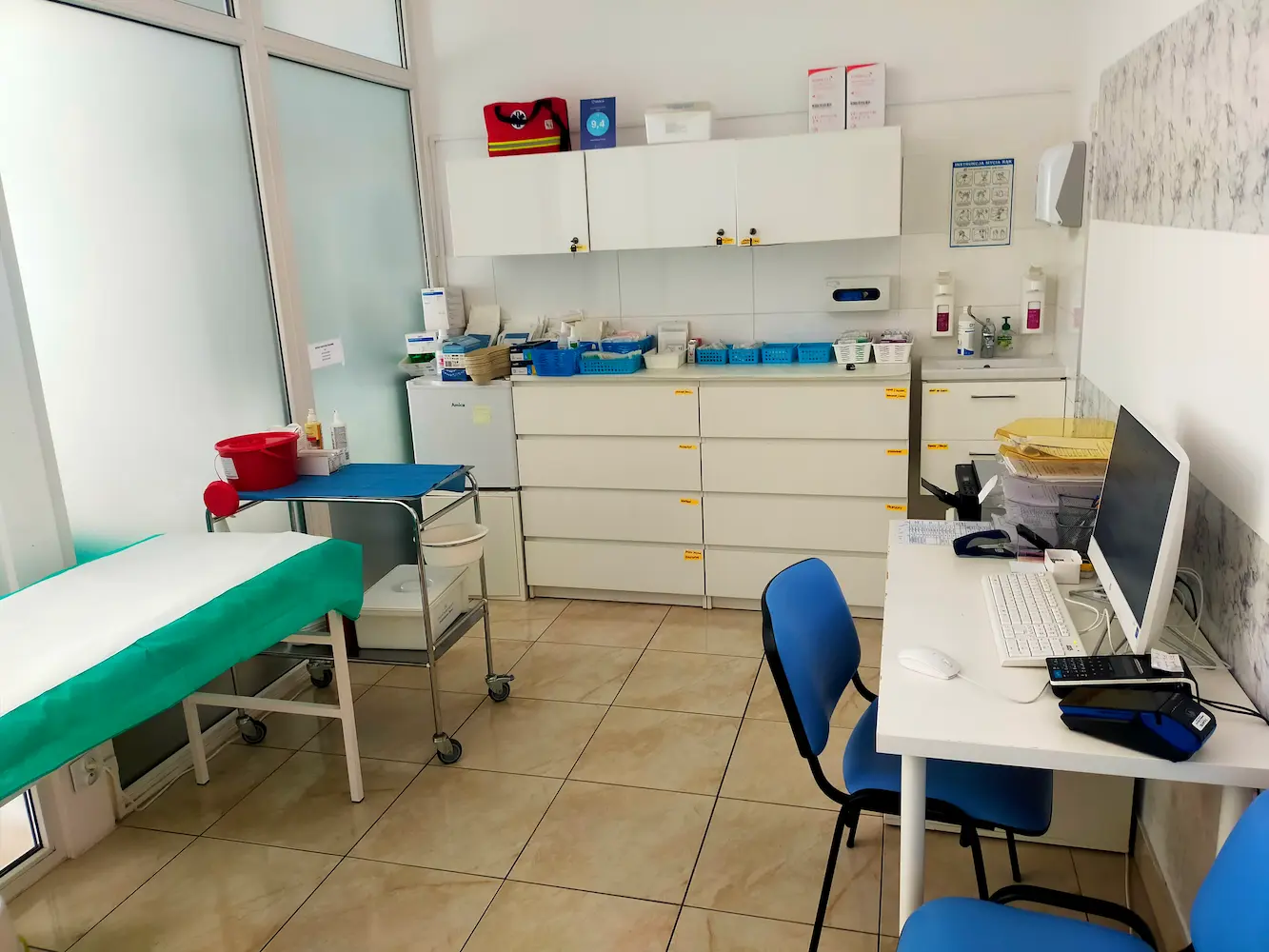
The patient is under care around the clock. The centre's team is made up of addiction therapists, and when needed we draw on medical support and a psychiatric consultation - this matters especially at the start of the stay, when the body is recovering after coming off a substance. The constant presence of staff means the patient is not left alone in a harder moment, by day and by night.
Safety is also predictability. From the start the patient knows what the plan of their stay looks like, who is guiding them and what stage they are at. Decisions - about the length of therapy, about a possible medical consultation, about preparing to leave - are made in conversation with the patient, not over their head.
The start of the stay needs the most attention. After coming off alcohol or medication the body needs time, and sometimes also medical support - which is why in the first days the staff observe the patient's condition more closely and respond as things happen. When necessary, we refer the patient to a specialist consultation instead of acting on our own.
Documentation and discretion
Treatment is discreet, but discretion does not mean a lack of documentation. We keep medical records as the law requires and protect them on the same terms as any health information. For the patient this means two things: their privacy is guarded, and at the same time they have full insight into the course of their own treatment.
What a stay at the centre does not replace
Treating an addiction is a process, not a sudden intervention. A stay at the centre does not replace urgent medical help - if health or life is directly at risk, emergency help is needed first, and only then therapy. Nor does it replace a psychiatric diagnosis where one is necessary; in such situations we combine therapy with a doctor's care. We say this plainly, because honesty about the limits of treatment is part of good care.
Packages, prices and what happens after the stay ends
The cost of the stay depends on the length of therapy. We offer two packages:
- Intensive Start - a 4-week stay, 13 000 PLN
- Full Process of Transformation - an 8-week stay, 25 000 PLN
The price covers the whole stay: accommodation, meals, all individual and group therapy, the team's care and the monthly supervision that watches over the quality of treatment. We do not add separate charges for individual sessions on top of this. Among private centres in Poznań these are upper-shelf rates - they match the intensity of the programme, that is up to 8 hours of therapy a day and work with one lead therapist throughout the stay.
How to begin treatment
The first step is a phone call to 880 808 880. We arrange a qualifying conversation, set the length of the stay and a date of admission. Most often it is not the patient who calls, but someone close to them - that is normal and just as good a start. The conversation itself commits you to nothing and is discreet - you can ask about anything that raises doubts before any decision is made.
What happens after the stay ends
Leaving the centre is not the end of treatment, only a change in its form. The first weeks and months after returning home are the hardest, because old situations, people and tensions come back - and it is they that most often trigger a relapse. That is why the sobriety kept at the centre is only a beginning, one that has to be maintained on one's own now, though not alone.
Still during the stay the patient draws up, together with the therapist, a plan for the time after leaving. Most often it includes:
- continuing outpatient therapy - regular meetings that you attend from home (addiction therapy in Poznań);
- taking part in support groups and meetings, where you meet people in a similar situation;
- the warning signs and risk situations recognised earlier, and a ready idea of what to do when they appear;
- a healthy daily rhythm - sleep, activity and pursuits that fill the time previously given to the addiction;
- the support of loved ones who know how to help without taking over responsibility for someone else's sobriety.
If a relapse happens despite everything, it does not mean the whole treatment went to waste. A relapse can be part of recovery - what counts is reacting quickly and returning to support, instead of starting from scratch. We ask about further contact and next steps before leaving anyway, so that the patient knows where to turn.