

What alcohol dependence is
Alcohol dependence is a medical condition in its own right. The World Health Organization describes it in the international classification of diseases (ICD) as a dependence syndrome (code 6C40.2 in ICD-11, previously F10.2 in ICD-10), which is why it is diagnosed and treated by the same principles as other chronic illnesses. At its core lies a gradual loss of control over drinking: a person wants to cut down, promises themselves so again and again, and yet keeps going back to alcohol against their own plans. This comes from the changes alcohol itself causes in the brain, above all in the reward system and the response to stress.
In practice, dependence shows not through a single symptom but through several of them occurring together. A strong alcohol craving appears, a compulsion to drink. Control over how much and when a person drinks weakens. The body gets used to alcohol, so ever larger doses are needed for the same effect, which we call tolerance. Drinking continues despite clear harm to health, family or work, and stopping drinking brings on withdrawal symptoms. The more of these features occur together, the deeper the dependence.
It is also a chronic, relapsing illness. This means alcohol dependence can be treated effectively and sobriety kept for years, but it takes time, support from those close to the patient and work on oneself, and a single relapse does not undo what the treatment has achieved so far. What such treatment actually involves is described below.
When drinking becomes a problem
Assessing a person's drinking does not come down to the question of whether they are already dependent or not. Before dependence develops, there is usually a stage of risky drinking, which does not yet cause harm but clearly raises its likelihood, and harmful drinking (a separate category in the ICD, F10.1), which already causes harm to health or family, though without a full loss of control. Dependence comes only as the next stage.
A simple screening test developed by the WHO, AUDIT, is used for an initial assessment of which of these stages a patient is at: ten questions about the amount, frequency and consequences of drinking, or three in the shortened AUDIT-C version. A positive result is not yet a diagnosis, but a concrete signal to see a specialist rather than wait for the problem to deepen. It is also worth remembering that, according to current medical knowledge, there is no fully safe dose of alcohol, and what shows there is a problem is not the fact of drinking itself, but how much harm it causes and how much room it takes up in everyday life.
What alcohol treatment in Wrocław involves
Treating alcoholism is a process spread over months, not a single procedure. It starts with a consultation and diagnosis with a psychiatrist, with detox first where needed, and its core is addiction psychotherapy backed by pharmacotherapy or the Esperal implant. In Wrocław we run it in three forms: outpatient, inpatient and online, and we match the length of care to the patient's situation.
We arrange treatment into 1-, 3-, 6- and 12-month plans. A shorter plan helps break a drinking spell and stabilise the patient's health, a longer one gives time to consolidate abstinence and learn to prevent relapse, because it is relapse, not the moment of stopping itself, that decides how lasting the result will be. A psychiatric consultation, an e-prescription for medication that supports sobriety, and therapy sessions are part of every plan; the plans differ in how often the patient comes in.
Let us say it plainly: no single procedure or drug removes alcohol dependence. Esperal and medication lower the risk of reaching for alcohol, but lasting abstinence comes only from psychotherapy carried out over many months. That is why, instead of promising a cure, we plan a treatment path and tell you what to expect at each stage.
Forms of alcohol treatment in Wrocław: which to choose
The form of treatment is decided by the patient's health and life circumstances. Below we describe the criteria we take into account when qualifying a patient for each of these forms.
When outpatient treatment fits
We treat people in a stable condition on an outpatient basis: without severe complications, with support from those close to them and the ability to come in regularly for appointments. This form lets the patient keep working or studying, because they spend most of their time at home. For many people in Wrocław this is a natural way to start treatment.
When an inpatient stay is needed
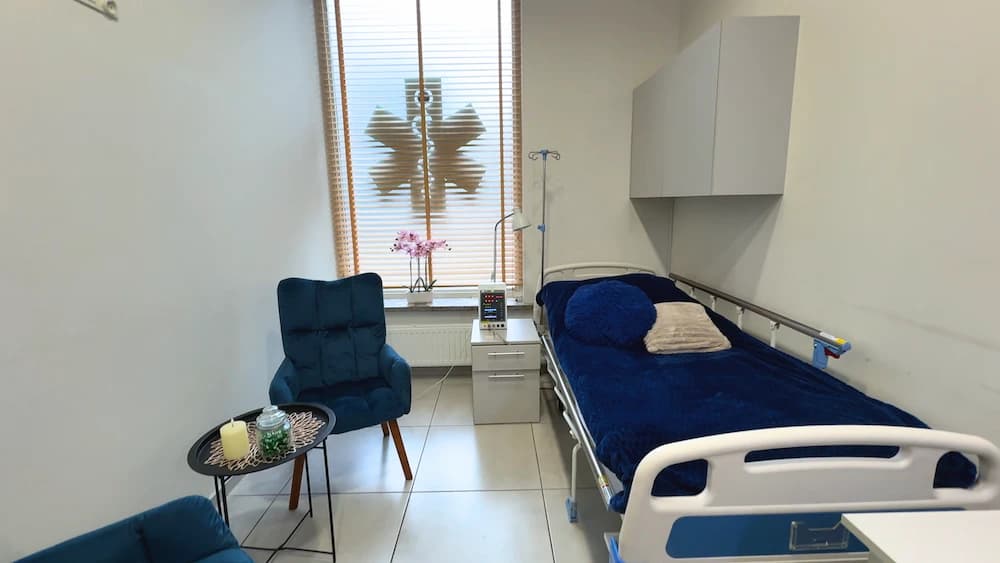
We consider a round-the-clock stay for advanced dependence, co-occurring illnesses, or when earlier attempts to treat at home have not held. Getting away from everyday surroundings and having constant supervision is then the condition for starting treatment at all. What such a stay looks like and who we recommend it to is described on the page addiction treatment centre in Wrocław.
When online treatment works
Remote consultations and sessions work well as a follow-up or when travelling in is a serious obstacle. They are not suited, however, to treating acute withdrawal syndrome, because the patient then needs examination and supervision on site. We explain below when stopping drinking is safe outside hospital and when it is not.
Esperal and medication in alcohol treatment in Wrocław
Esperal and oral medication are part of the alcohol treatment plan. They make abstinence easier to keep, but they do not replace therapy.
The Esperal implant is a disulfiram implant. After alcohol is consumed it triggers an unpleasant reaction, including flushing, a racing heart and a drop in blood pressure, which discourages drinking. That reaction puts a strain on the body, so before the procedure a doctor checks for contraindications and decides whether the patient qualifies. We describe the whole course of the procedure separately: Esperal implant in Wrocław.
In oral pharmacotherapy each drug works differently. Naltrexone weakens the pleasure alcohol gives and reduces the urge to drink. Acamprosate calms the tension that lingers for many weeks after a person stops drinking. Nalmefene works on demand: the patient takes a tablet on a day when they expect an occasion to drink. Disulfiram in tablet form causes the same unpleasant reaction after alcohol as the implant. The doctor chooses the drug individually for each patient, and medication helps most when the patient also attends psychotherapy.
Alcohol detox in Wrocław: when it is needed
Detox is not about cleansing the body of toxins, but about carrying the patient safely through the withdrawal symptoms that appear after a long drinking spell is broken. Not every course of treatment has to begin with it, but after heavy drinking it is often the first step.
People play this down far too often: alcohol withdrawal can be life-threatening. Seizures and alcohol-induced delirium are emergencies, which is why after a heavy drinking spell detox should take place under medical supervision, not alone at home. We describe what detox involves and who needs it on the page alcohol detox in Wrocław.
Alcohol treatment on the NFZ or private in Wrocław
Treatment for alcohol dependence is free under the NFZ, and yet a large share of our patients come to us after getting stuck on the public route. There are three reasons: the scope of benefits, the date and the mode of treatment.
The Esperal implant is not among the guaranteed benefits and is paid for in every facility in Poland, wherever the patient continues the rest of their treatment.
94 people are currently waiting for the day ward for addiction therapy in Wrocław, and 11 for hospital detoxification, with an average wait of 13 days (National Health Fund data on treatment waiting times, 31 July 2026). Detox, meanwhile, is the stage that cannot be pushed back by two weeks, because withdrawal symptoms do not wait for an appointment.
We admit patients within a few days, treat on an outpatient basis, and the patient stays with the same team from the consultation to the end of the plan. Appointments have to be paid for. What you get in return is discretion, though not anonymity: we keep and store medical records as the regulations require, exactly as public facilities do.
What to do when a relapse appears
A relapse does not undo the treatment. A return to drinking happens during treatment and does not mean that the therapy so far has been ineffective. What matters is how quickly the patient reacts: the sooner they come back to sessions, the less they lose of what the treatment has achieved so far.
After a return to drinking we look at what triggered it and go back to the plan, sometimes adjusting the pharmacotherapy or the frequency of sessions. Staying sober is a separate stage of treatment, which is why we teach patients to recognise the situations that risk a return to drinking from the very start, not only after a first relapse.
Care after treatment ends
The end of intensive therapy is not the end of treatment, only the move to a maintenance stage. The risk of relapse is highest in the first months after a person stops drinking, which is why care must not break off during this time.
At this stage sessions are less frequent, and each one has a set goal. The core is relapse prevention: recognising the situations that trigger the urge to drink, and a rehearsed plan for such moments. Where needed, pharmacotherapy that supports abstinence is continued, for example naltrexone or acamprosate, and many patients are helped by taking part in self-help groups. It also matters that the patient has someone to reach out to in a harder moment, before a single slip turns into a return to drinking. This stage lasts a long time, because it is what decides whether sobriety holds for years.
The family's role in alcohol treatment in Wrocław
Alcoholism rarely affects just one person. For years those close to the person adjust to the drinking, take over their duties and hide the problem, which we call co-dependence, and children from such homes enter adulthood with problems that do not go away on their own without help. That is why we extend care to the family as well, not only the patient.
The family can also do several concrete things. They can take part in consultations, set their own boundaries instead of yet more ultimatums, and when the person refuses treatment, report the matter to the municipal committee for solving alcohol problems (gminna komisja rozwiązywania problemów alkoholowych), and the committee can refer a motion to the court. This is not informing on someone, it is a formal way to get help when pleas stop working.
Alcoholism with depression or anxiety: dual diagnosis
For many people who drink, the problem does not end with alcohol. Depression, anxiety disorders or the effects of past trauma often go hand in hand with dependence, and alcohol is sometimes an attempt to cope with them alone. Treating only one of these disorders usually does not give a lasting result: abstinence alone does not remove depression, and untreated depression pushes a person back towards drinking.
That is why, with co-occurring disorders, the patient is cared for by a psychiatrist together with a therapist, and the treatment plan covers both diagnoses. We do not promise, though, that everything can be improved at the same time. We treat both diagnoses in parallel, because an untreated mental disorder returns after a few weeks and pulls drinking back with it.
The scale of the alcohol problem in Wrocław
The scale of the problem shows in how many cases reach the city's institutions and how much handling them costs. Nearly 1900 people used the help and advice of Wrocław's committee for solving alcohol problems between 2022 and 2024, and a good share of those cases began with a phone call from a family member, not from the person drinking. The city itself allocated over 37 million zloty in 2024 to counteracting alcoholism and running the sobering-up station (izba wytrzeźwień), and estimates of the social cost of alcohol for a city the size of Wrocław run into billions of zloty a year. These numbers show that a great many people in Wrocław reach out for help with an alcohol problem.
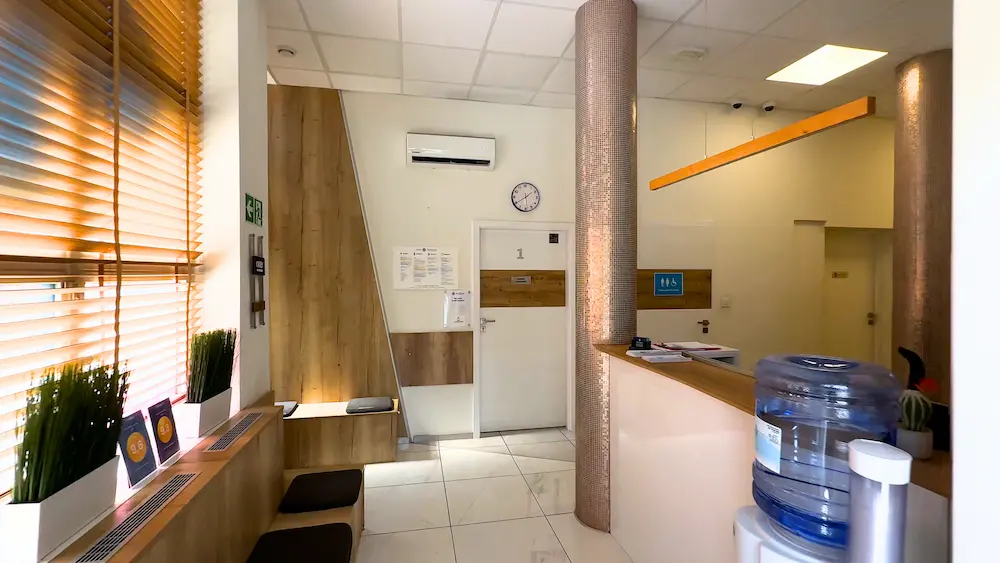
The conclusion for the patient is simple: with an alcohol problem in Wrocław you are not alone, and you can start treatment either at a free clinic or privately. We run Nasz Gabinet Wrocław at Dworcowa 11b, and treatment usually starts with a consultation, at which we work out which of the paths described above will suit the patient best.