



Addiction treatment centre in Wrocław - what it is and when residential treatment is needed
An addiction treatment centre in Wrocław is a facility where therapy is delivered on a residential basis. The patient lives on site for the whole programme, under round-the-clock care from the therapy and medical team. Unlike outpatient appointments, they do not return home each day but step away for several weeks from the environment in which the illness developed. This model is known as residential treatment or a closed centre, although the term means an ordered, protected stay rather than any loss of liberty. Treatment is entirely voluntary, and the patient can withdraw from it at any time.
At the centre we treat addiction to alcohol, medicines, drugs and legal highs, and behavioural addictions such as gambling. In all these cases the point is the same: to break the entrenched pattern and learn to live without a substance or a compulsive behaviour.
The value of round-the-clock treatment comes from something that is hard to recreate at home: continuity. The patient has a steady daily rhythm, access to a therapist beyond scheduled sessions, and a group of people who understand their situation from their own experience. The first days, usually the hardest, pass in safe conditions rather than alone.
Residential versus outpatient treatment
What divides these two forms above all is the proportion of time. Outpatient treatment - for example alcohol treatment in Wrocław - lets someone get help without giving up work and daily duties; the patient spends most of their time at home. A stay at a centre reverses that proportion: for the duration of therapy the centre becomes home, with a set daily rhythm, constant access to therapists and a group of people facing the same problem. Which path is right is decided by the patient's condition and needs, not by the name itself.
We organise the residential stay within the Nasz Gabinet Wrocław network, a registered addiction treatment clinic. First contact and qualification take place at the clinic on ul. Dworcowa 11b, where we agree the form, length and date of treatment. The stay is used by both residents of Wrocław and people from across Lower Silesia, for whom going away to the centre and changing their surroundings can be the start of recovery.
What a stay at the centre in Wrocław involves - the course of residential treatment
The question we hear most often is this: what will actually happen once someone decides on a stay? Knowing what comes next takes away a good part of the fear, for the patient and for their family alike.
The treatment process step by step
- The first phone call. The call can be made by the person with the addiction themselves or by someone close. We establish what is most urgent right now: prompt stabilisation, or a calm consultation and preparation for therapy. The conversation is confidential and commits you to nothing.
- Qualification and the decision on the direction of treatment. We ask about the history of drinking or use, earlier treatment, current health and medication. On that basis a plan takes shape: whether residential treatment is the right form, how to prepare for admission and what to keep in mind before the stay.
- Detox, when the body needs it. If the patient comes to us mid-binge or with withdrawal symptoms, the first stage is supervised medical detoxification - detox in Wrocław - which prepares the body for therapy proper.
- Therapy itself. The core of the stay, and the work that carries over into daily life: recognising triggers, regulating emotions without reaching for a substance, rebuilding relationships and coping with stress without returning to the habit.
- Support after the stay. Many relapses happen only after the return to daily life, outside the structure of the stay - which is why, before discharge, we plan what comes next: outpatient therapy, consultations and tools for the hard moments.
The admission itself is calm. The patient gets to know the centre, the rules of the stay and their lead therapist, and the first days are mostly about settling and adjusting; no one is thrown in at the deep end on the first morning. During the first visit we provide an initial consultation with an assessment of the patient's health and medical support, and where needed we issue a sick-leave certificate.
What a day at the centre in Wrocław looks like
The stay follows a steady, predictable rhythm. The day is filled with from 8 to 10 hours of therapy, combining individual sessions with the lead therapist and group work, with time set aside for meals, rest and personal matters. The group can be the hardest yet most healing part of the day: it is there that a patient hears their own story in someone else's words and stops feeling alone with the problem. Evenings are quieter, given over to rest and to getting used to a new, sober rhythm that will need to be kept up after leaving.
Four or eight weeks: what determines the length of the stay
We offer two paths. The shorter, four-week one works well when the patient has had some treatment before, has a relatively stable situation and needs an intensive, focused start. The longer, eight-week one allows more time for deeper work, and it can be advisable with a long history of addiction, repeated relapses or co-occurring emotional difficulties. Which path makes sense is something we decide together after qualification. We do not promise that a set number of weeks will be enough once and for all: addiction is treated as a process, and a stay at the centre is its intensive beginning, not its end.
For the same reason, the stay does not finish on the day of discharge. Together with the patient we draw up recommendations for what comes next: continuing therapy, support in maintaining abstinence and a plan for risky situations.
Everyday life at the centre in Wrocław: the daily schedule, accommodation and contact with loved ones
A residential stay is governed by clear rules, and knowing them helps to come to terms with the decision to seek treatment. The day follows a steady rhythm, and the rules of the stay protect what matters most in therapy - the patient's focus and the safety of the whole therapeutic community.
A sample daily schedule
The schedule is intensive and filled with therapeutic activities from the morning on. Quiet hours run from 23:00 to 6:30, and the rest of the day usually looks like this:
- breakfast - Monday to Saturday at 8:30, on Sunday at 9:00,
- therapeutic activities - 9:30-12:00,
- lunch break - 12:00-14:00,
- therapeutic activities - 14:00-16:30,
- free time and individual therapy - 16:30-19:00,
- dinner - 19:00,
- film therapy - 20:00-22:00.
Activities take place from Monday to Saturday inclusive; Sunday is a day free from therapy. Individual therapy with the lead therapist takes place once a week and lasts 50 minutes, and beyond that the patient has constant access to the team. Our centre is a psychotherapeutic facility, not a place to relax - the main emphasis is on intensive therapeutic work, so people expecting nothing but rest may feel disappointed.
Rooms and communal areas
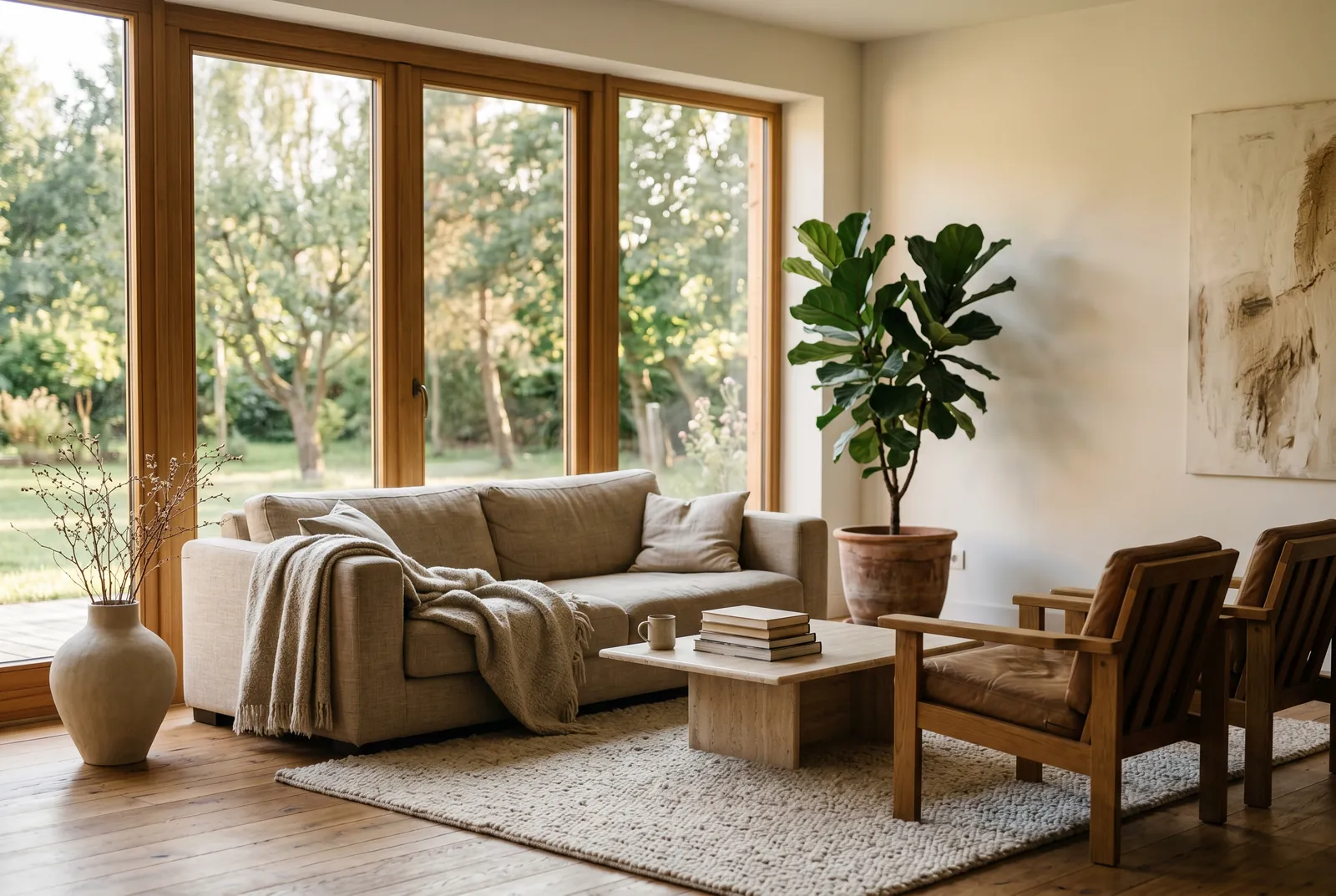
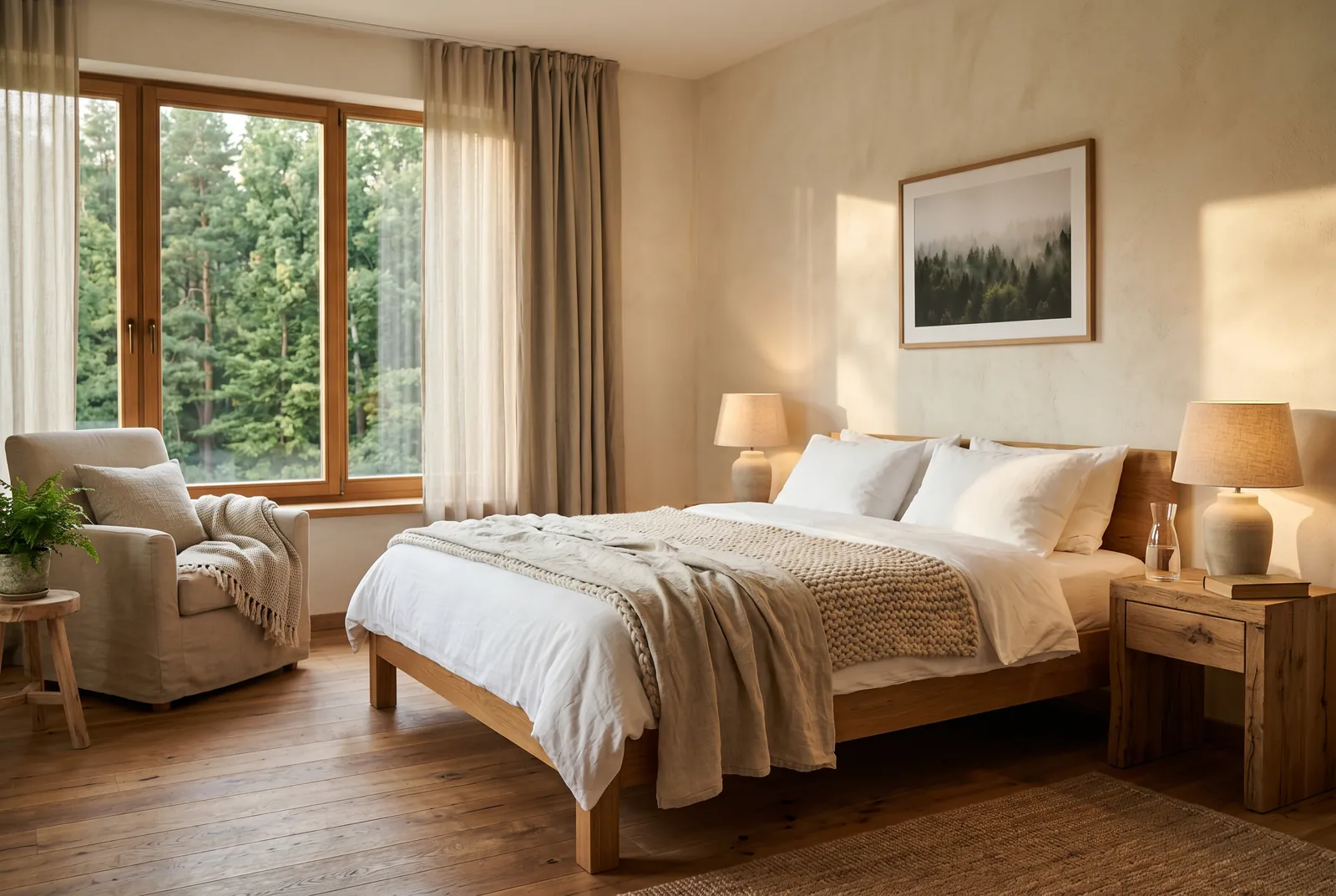
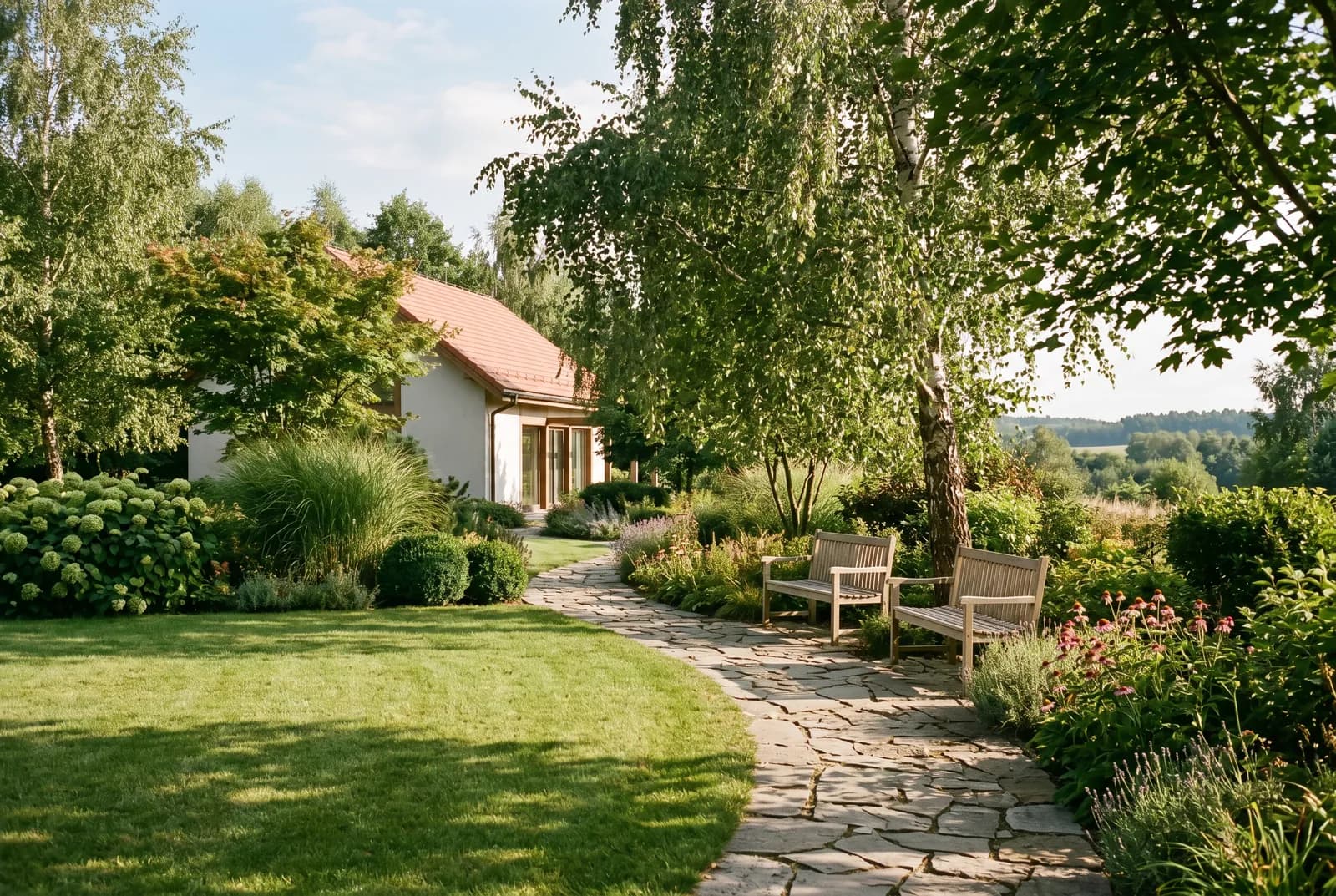
Patients live in 2-, 3- and 4-person rooms; women and men are accommodated separately. A single room is available during the detox stage, while multi-person rooms apply during therapy, and the staff decide on the choice of roommates. In free time the communal areas are available: a library, a TV room, a gym, a billiard table, a table-football table, gardens and a barbecue area; on selected days walks are also possible. Smoking is permitted only in the places designated for it.
Meals and diets
During the day we provide three meals - breakfast, lunch and dinner - supplemented with cake and fruit. All meals are prepared on site. We cater for individual diets, for example a light, vegetarian or medically indicated one; you only need to tell the staff about the need for such a diet at the admission stage.
Contact with loved ones and the outside world
Internet and television are available at the centre, and the patient may use a mobile phone at designated times, provided it does not disrupt the activities and the functioning of the therapeutic community. Online conversations with family are possible, with respect for the discretion and privacy of the other patients. We do not allow visits from outsiders during the stay - this serves concentration on therapy; passes are granted only in particularly justified, sudden and unforeseen circumstances, and essential items can be handed over once a time has been arranged in advance.
Family therapy and support for loved ones
Addiction rarely concerns one person alone, which is why we also bring the family into the process. As part of the patient's therapy we offer family consultations, and those closest can take advantage of a free consultation for co-dependent people and - subject to availability - individual therapy with a psychotherapist working at the centre.
The therapeutic programme: individual therapy, group therapy and team supervision
A stay at the centre is only worthwhile when there is a concrete programme behind it, not simply the fact of being under care. At our centre the core is addiction therapy in Wrocław delivered on two tracks, individually and in a group, together with a single therapist who guides the patient throughout the stay.
The lead therapist: one plan and one person responsible
Every patient has their own lead therapist. It is they who set the individual therapy plan, meet the patient one to one and monitor progress as it unfolds, so the work is not diluted across many people and the patient knows who is responsible for it. The 1:1 model makes it possible to tailor the pace and content of therapy to the individual, their history and whatever is hardest at a given moment.
Individual and group therapy in a residential setting
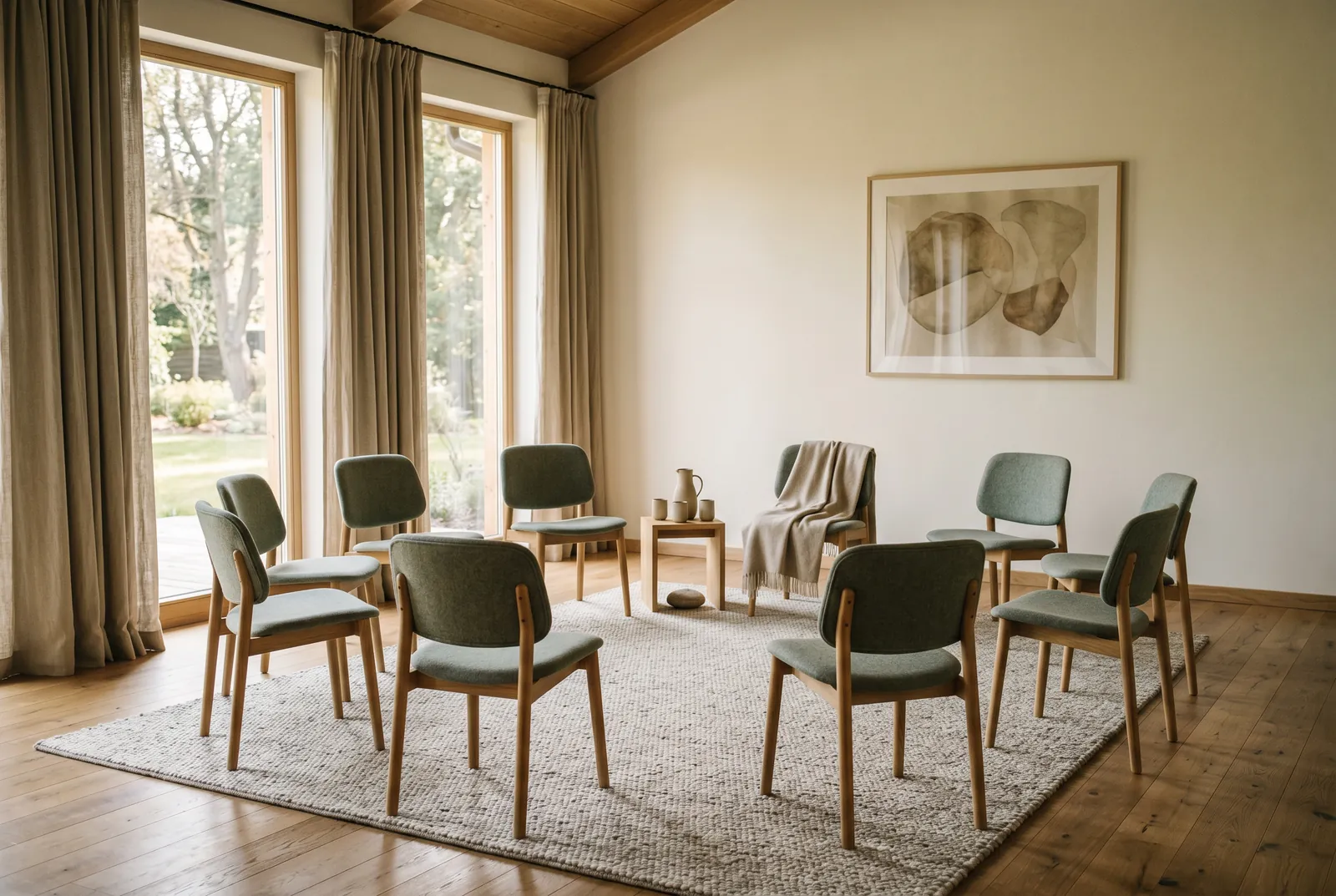
The day combines both tracks - from 8 to 10 hours of therapy. In individual sessions the patient works on the personal mechanisms of addiction: what triggers reaching for a substance, and how to break that pattern. The group adds what cannot be worked through alone, namely facing other people's experiences, learning to talk about oneself and feedback from those who have been in a similar place. The two tracks reinforce each other.
Team supervision: why it matters for the patient
Once a month our therapy team undergoes supervision, discussing current cases with an experienced supervisor who is outside the day-to-day work with patients. For the patient this is not a formality but a quality-control mechanism. Thanks to supervision, therapeutic decisions do not rest on one person's perspective, the therapy plan can be corrected in time by a fresh pair of eyes, and harder situations, such as getting stuck in therapy or a rising risk of relapse, are spotted earlier. Supervision keeps therapy genuinely working for the patient.
Working on relapse and a place for loved ones
A relapse in itself need not undo the work done so far. In the programme we treat it as a risk that can be recognised and prepared for. We teach the patient to notice warning signs and respond before they return to drinking or using. Where it is possible and helpful, we involve loved ones in the process, because addiction rarely affects just one person. We do not promise that relapse will never happen; it is more honest to give the tools that reduce its likelihood and its consequences.
Who a closed centre in Wrocław is for - indications and qualification
Not everyone who contacts us needs a stay at the centre, and we say so openly. Many people recover on an outpatient basis without interrupting work or family life, and for them residential treatment is not the first step. A stay in a closed centre makes most sense when the addiction - whether to a substance or behavioural - runs deep, and the everyday environment itself makes staying sober harder.
Who a stay at the centre is advisable for
Residential treatment is most often used by people for whom:
- addiction has lasted for years, and the amount or frequency of drinking or use is rising,
- successive attempts to stop have ended in a quick return to the habit,
- the home environment does not support recovery, with easy access to alcohol, conflict and daily triggers,
- other difficulties accompany the addiction, such as low mood, anxiety or insomnia, which cannot be treated separately from the addiction.
Addiction rarely occurs on its own
In many patients, addiction is accompanied by mood or anxiety disorders, a common pattern of co-occurrence that is well described in medicine. Sometimes the problem develops in both directions: someone reaches for alcohol to quieten anxiety or cope with insomnia, and the substance deepens those difficulties further. A residential stay allows the whole picture to be considered and the addiction, along with what drives it, to be worked on in one place and at one time. Where justified, therapy is supported by pharmacological treatment, and we write more about what it involves and when it makes sense on the page devoted to pharmacotherapy for addiction. Any decision to introduce medication is made by a doctor, on an individual basis.
Closed versus open centre: how they differ
Patients and families often ask how a stay in a closed centre differs from an open one. The closed form is a more strongly protected stay with limited contact with the environment in which the addiction developed, which supports focus during the first, hardest weeks. Open centres leave more freedom to go out and stay in touch with the outside world, which can be valuable at a later stage of recovery. For someone beginning treatment after a series of relapses, the more protected form usually offers a real advantage: fewer opportunities to return to the habit in a weaker moment.
Qualification: whether the centre is the right choice
The decision to admit someone is never made automatically. Qualification is the moment when, together with the patient, we check whether residential treatment really answers their situation. If a centre is not the best solution at a given time, it is more honest to point to a better-suited path, such as outpatient treatment, than to begin a stay that will bring no result. The decision to start treatment always rests with the patient; our task is to make sure it is an informed one.
Safety, staff and quality of treatment at the centre in Wrocław
Deciding to entrust someone close to a centre's care is hard, which is why questions about safety and the team's competence are entirely justified. A round-the-clock stay means the patient remains under care at all hours, not only during scheduled sessions.
Round-the-clock care and safe conditions
The first days are usually the hardest, especially when they follow withdrawal from a substance. During this time the patient is not left alone: the team watches over their condition and provides medical support if needed. A steady daily rhythm, predictability and the presence of others in a similar situation create conditions in which it is easier to get through the first, most fragile stage of recovery.
Who delivers therapy at the centre
Therapy is delivered by a team of specialists who work with people in addiction - addiction therapists, supported on physical health matters by medical consultation. This is not a random set of activities but a coherent plan run by people who do this every day. Each patient has their own lead therapist, while the whole team knows their situation and works in one direction.
Doctor, psychiatrist and nursing care
The centre's staff watch over the patients round the clock. The doctor is not present at the facility every day, but issues an opinion on each patient's health, and we plan any detox on that basis. The psychiatrist holds consultations regularly, usually once a week, and the patient can use them as needed, subject to the doctor's availability. During detoxification, if the patient's condition requires it, a nurse also provides care.
Medication and emergencies
The patient may take their own medication, provided it has been prescribed by a doctor. We store it in a designated, secure place and dispense it in line with medical recommendations and the centre's procedures. If the patient's health or wellbeing deteriorates, the staff promptly assess the situation and arrange a medical or psychiatric consultation; in conditions threatening health or life they call the medical emergency team (ambulance).
How we maintain quality
The quality of therapeutic work is not a declaration but something that has to be checked systematically. This is what the team's monthly supervision serves: discussing current cases with a supervisor outside the ongoing therapy, which guards against routine and allows the treatment plan to be corrected in time. It is a mechanism that works for the patient, even if it stays invisible to them.
What the centre does not replace
We are honest about the limits of what we offer. A stay at the centre is treatment for addiction, but it does not replace medical consultation on health matters outside that area, nor help in a life-threatening emergency. Nor do we promise that therapy will work the same way for everyone, because the course and outcomes depend on the individual situation, the patient's commitment and many factors that no centre can fully control. What we can provide is therapy delivered with care, safe conditions and a team that takes the patient's recovery seriously.
Packages, prices and how to start treatment at the centre in Wrocław
Transparency about cost is part of honest treatment for us, which is why we state the prices of a stay upfront, rather than only during a conversation. We offer two packages, differing chiefly in the length of the stay and the depth of therapeutic work.
Residential packages at the centre in Wrocław
- Intensive Start - 4 weeks - 13 000 zł. A focused stay for people who need a quick, strong entry into treatment: a full programme of individual and group therapy, a lead therapist and round-the-clock care from the team.
- Full Process of Transformation - 8 weeks - 25 000 zł. A longer path for people with entrenched addiction, after relapses or with co-occurring difficulties, giving more time for deep work and for consolidating change before returning to everyday life.
The price covers the stay, accommodation, meals and the entire therapeutic programme described above - including psychological care and pharmacological treatment. Which path is the right one is something we decide together after qualification. There is no reason to pay for a longer stay if the patient's situation does not call for it, nor to shorten it where time is needed.
The stay involves no hidden charges - you incur no additional costs during it. A deposit is not required, but a date can be reserved by paying a reservation fee of 2000 zł. We do not offer instalment plans, and we issue an invoice on request. The rules for any refund if the stay ends early - whether at your own request or for disciplinary reasons - are set out in the contract signed on admission.
Treatment at our centre is private. It requires no referral or waiting in a queue, and we set the admission date as soon as possible after qualification. For many families it is precisely time that matters: the moment when someone close is ready to start treatment can be brief, and worth seizing.
What happens after the stay ends
Leaving the centre opens the next, hardest stage, the one in everyday conditions. That is why, before discharge, we draw up a plan with the patient for what follows: continuing therapy on an outpatient basis, support in maintaining abstinence and responding to early signs of relapse. For many people the natural extension of the stay is continued addiction therapy in Wrocław, carried out without the need to live at the centre. What the patient has built during the stay is more likely to last if it is kept up afterwards.
How to start treatment
The first step is simple and commits you to nothing. Just call 880 808 880, and during the conversation we will answer questions, make an initial assessment of the situation and arrange a qualification. The call can be made by the person with the addiction themselves or by someone close who is looking for help on their behalf, and the conversation is treated in confidence.
If you are unsure whether residential treatment is the right form, a good starting point is a conversation about outpatient options, which we write more about on the page about alcohol treatment in Wrocław. Whichever path you choose, what matters most is that first phone call; everything else begins with it.