

What is the Esperal alcohol implant?
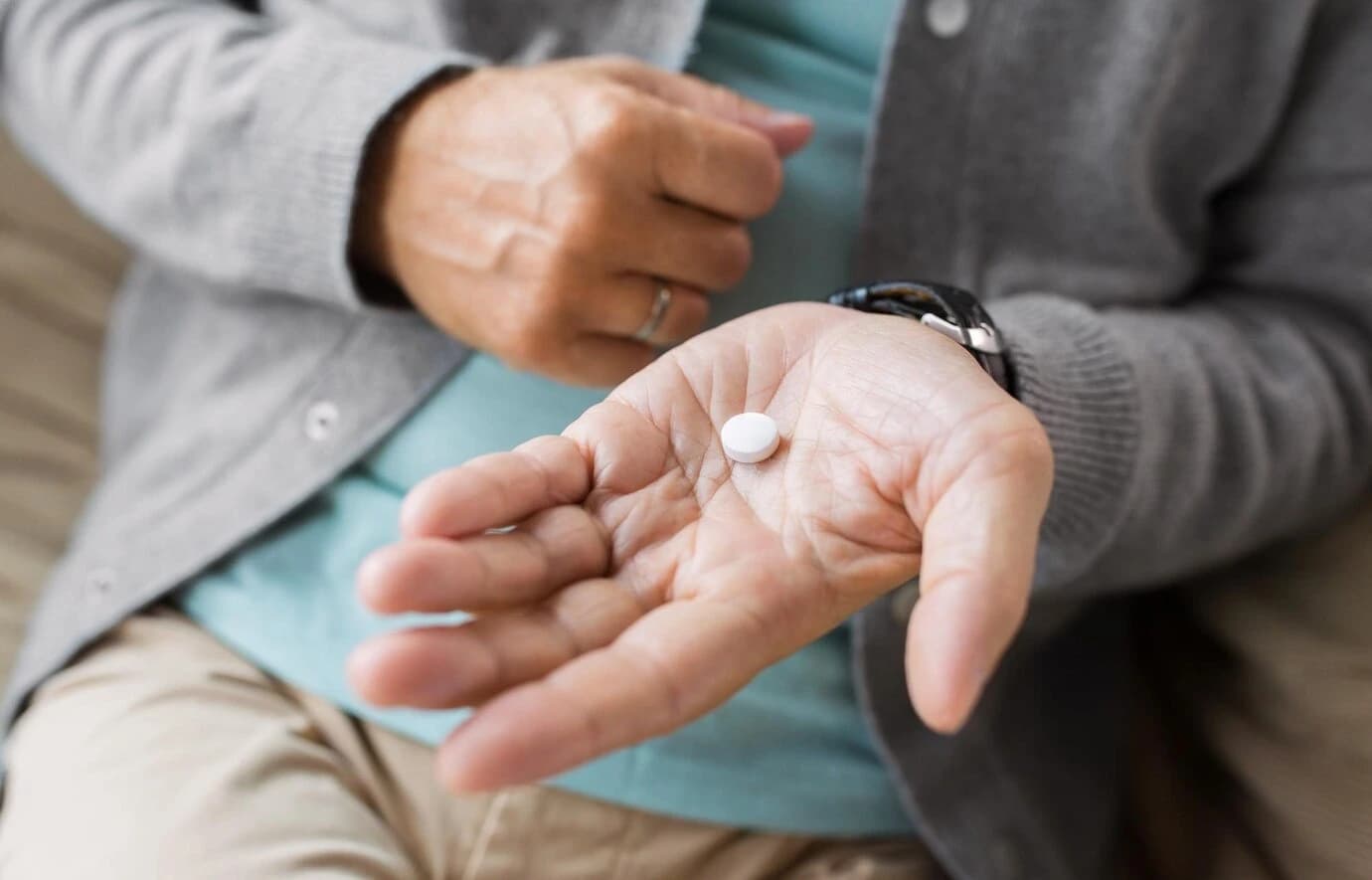
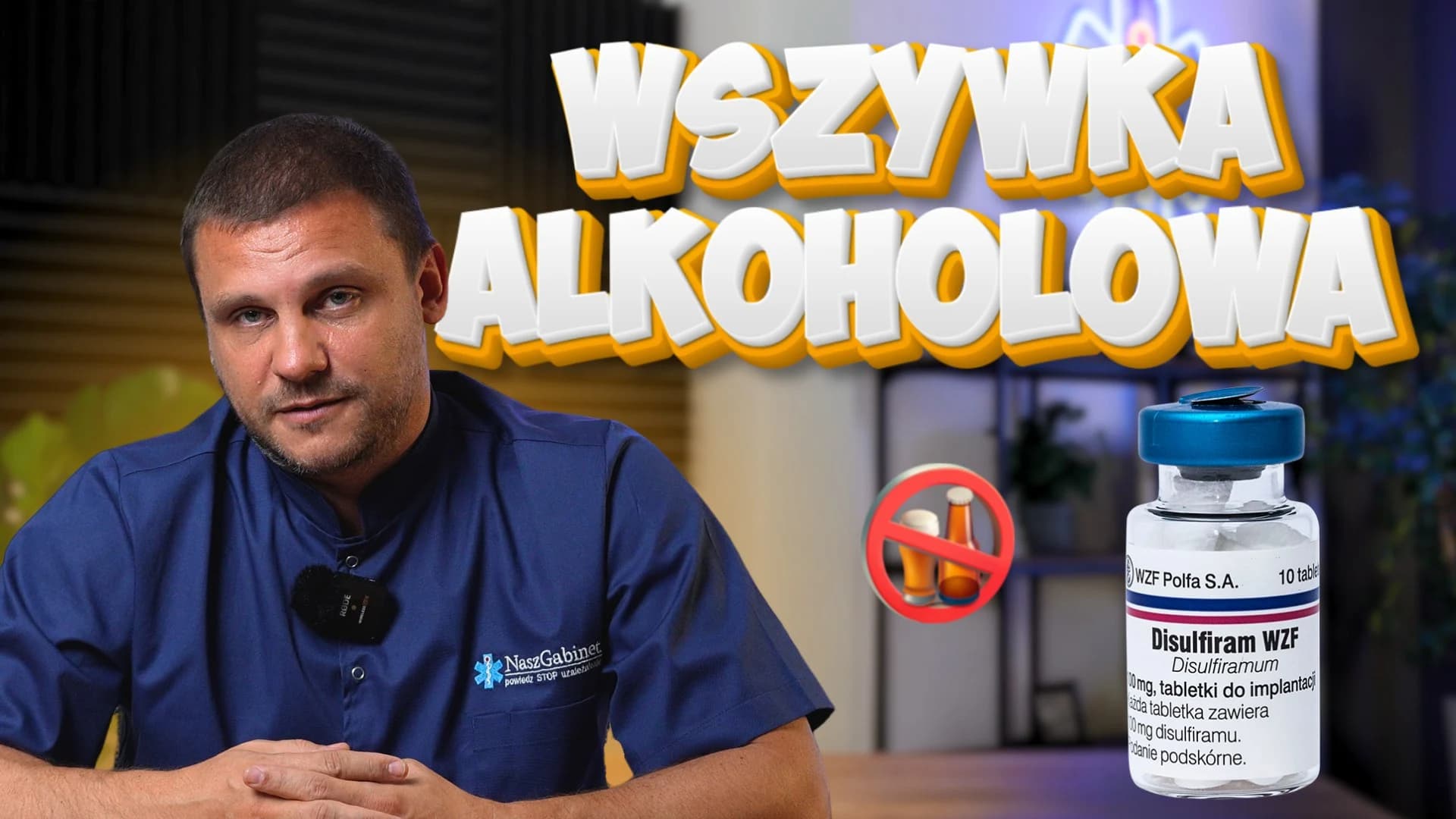
The Esperal alcohol implant is a medical procedure involving the implantation of a tablet containing Disulfiram under the fascia of the gluteal muscle. The procedure is performed by medical staff in an Addiction Treatment Clinic setting.
Purpose of implantation
The purpose of the alcohol implant is to deter the patient from reaching for alcohol and to support the process of overcoming addiction. Unlike other pharmacological methods, the Disulfiram contained in the implant has no psychoactive effect - it does not affect mood, thinking, or well-being during abstinence.
Disulfiram mechanism of action
Esperal blocks the enzyme aldehyde dehydrogenase, responsible for the proper metabolism of ethyl alcohol. After consuming even a small amount of alcohol, toxic acetaldehyde accumulates in the body, leading to severe poisoning symptoms. It is precisely this reaction - called the disulfiram reaction - that effectively deters from drinking.
Who is the alcohol implant intended for?
The Esperal alcohol implant is intended for adult individuals who want to maintain abstinence and need additional pharmacological support. It is a method for patients determined to undergo treatment - it does not replace motivation but strengthens it.
Patient profile
It works particularly well for people who have difficulty with self-control in risk situations. Many Nasz Gabinet patients choose the implant after previous attempts to maintain sobriety on their own or with the help of therapy.
Requirements before the procedure
The alcohol implant is available for individuals who:
- Have maintained abstinence - a minimum of 24-48 hours without alcohol. Patients after an alcohol binge can use alcohol detox before the procedure
- Have no medical contraindications - confirmed during medical assessment
- Give informed consent - to follow strict abstinence rules during the implant's active period
What are the main benefits of the Esperal alcohol implant?
The Esperal implant is one of the more frequently chosen tools supporting alcoholism treatment at Nasz Gabinet. It works on a physiological level - regardless of the patient's momentary motivation.
Benefits confirmed in clinical practice
- Pharmacological deterrent from alcohol - Disulfiram reacts with ethanol, causing poisoning symptoms. The patient knows that reaching for alcohol means immediate physical consequences
- Support during crisis moments - the implant works even when motivation weakens. For many patients, it is a barrier that helps them get through the most difficult times
- Part of a broader treatment plan - at Nasz Gabinet, the implant is part of a comprehensive approach that includes detox, pharmacotherapy, and psychotherapy
- No psychoactive effect - Disulfiram does not affect the patient's daily functioning as long as abstinence is maintained
What are the real effects of the alcohol implant?
The alcohol implant does not guarantee a cure for alcohol addiction. No single procedure guarantees that. It is a supporting tool - effective, but requiring the patient's active participation.
Factors affecting effectiveness
In Nasz Gabinet's practice, we observe that the effects of the implant depend primarily on:
- The patient's engagement in the treatment process - the procedure itself is the beginning, not the end of the road
- Parallel psychotherapy - working on the causes of addiction is essential for lasting change
- Support from loved ones - the patient's environment has a significant impact on maintaining abstinence
- Avoiding risk situations - especially in the first months after the procedure
Full recovery requires working on the causes of addiction and building new habits. The implant gives time and space to undertake that work.
How long does the alcohol implant last?
The effect of the alcohol implant most commonly lasts for 8-12 months. However, this is an approximate value - the actual duration depends on several variables.
Factors affecting duration
- Patient's metabolism - the rate of Disulfiram absorption from the implant varies between patients. People with faster metabolism may experience a shorter period of effectiveness
- Patient's body weight - in people with higher body weight the implant may last a shorter time
- Physical activity and lifestyle - intense physical activity can accelerate the metabolism of the medication
Gradual fading of effect
There is no precise moment when the implant "stops working". The concentration of Disulfiram in the blood decreases gradually - the reaction to alcohol weakens over time, but residual effect may persist for several more weeks beyond the nominal period. That is why Nasz Gabinet medical staff recommends maintaining abstinence for a minimum of 2 weeks after the expected expiry of the implant.
How much does the Esperal alcohol implant cost?
The price of the Esperal alcohol implant at Nasz Gabinet Addiction Treatment Clinic depends on the chosen package and the scope of services. (The medication is currently unavailable on the market, so we use our own supplies - each patient receives a dose of about 100 mg of the substance.)
Alcohol implant price list
- Implant with your own medication - from 349 PLN (patient provides their own medication)
- Alcohol Implant Standard - 1299 PLN (non-absorbable sutures, antibiotic by prescription)
- Alcohol Implant VIP - 1499 PLN (most popular - absorbable sutures, intramuscular antibiotic)
- 6 h Bundle + Implant - 2699 PLN (6-hour detox + VIP implant)
- 12 h Bundle + Implant - 3299 PLN (12-hour detox + VIP implant)
Detailed information about packages and prices is available by phone: 880 808 880 (daily 8:00-20:00).
When can the alcohol implant not be used - contraindications
There are several contraindications to the use of Disulfiram. Medical staff at Nasz Gabinet verifies each of them during medical assessment before the procedure.
- Hypersensitivity to Disulfiram or thiourea derivatives
- State of intoxication - consumption of alcohol and products containing alcohol is prohibited for a minimum of 24 hours before the procedure
- Severe heart diseases - heart failure, coronary artery disease, advanced cardiac conditions
- Mental disorders - schizophrenia, psychotic episodes, suicide attempts in medical history
- Severe liver or kidney failure
- Pregnancy and breastfeeding
- Peripheral neuropathy
- Use of Metronidazole and certain other medications (full list of interactions in a separate section)
The alcohol implant and chronic diseases
Before qualifying for the Esperal alcohol implant, medical staff must carefully assess the patient's health condition. Disulfiram can pose a risk for people with chronic diseases - which is why thorough medical assessment is so important.
Absolute contraindications
- Severe heart diseases - coronary artery disease, previous heart attack, heart failure
- Active mental disorders - psychoses, schizophrenia
- Severe liver or kidney failure
Conditions requiring special caution
The following conditions do not exclude the procedure but require individual risk assessment:
- Diabetes - risk of glucose level fluctuations
- Hypothyroidism
- Epilepsy - Disulfiram may lower the seizure threshold
- Peripheral neuropathy
- Advanced lung diseases
The decision on assessment is made by medical staff based on a complete medical history and available test results.
The alcohol implant and other medications - interactions
The Disulfiram contained in the alcohol implant interacts with many medications. Before the procedure, it is essential to inform medical staff about all medications being taken, including supplements and over-the-counter drugs.
Most serious drug interactions
- Metronidazole - an absolute contraindication. Combining it with Disulfiram can cause psychotic reactions and neurological disorders
- Anticoagulant medications (e.g. Warfarin) - the implant can enhance their effect, increasing the risk of bleeding
- Antiepileptic medications (Phenytoin) - possible increase in concentration to toxic levels
- Benzodiazepines (Diazepam, Chlordiazepoxide) - Disulfiram inhibits their metabolism, which can enhance the sedative effect
- Theophylline - possible increase in concentration to toxic levels
Safe medications during implant use
Patients with an implant can safely use paracetamol and ibuprofen in standard doses - provided that the formulations do not contain alcohol. When purchasing liquid medications, it is worth checking the label.
What does the alcohol implant procedure look like?
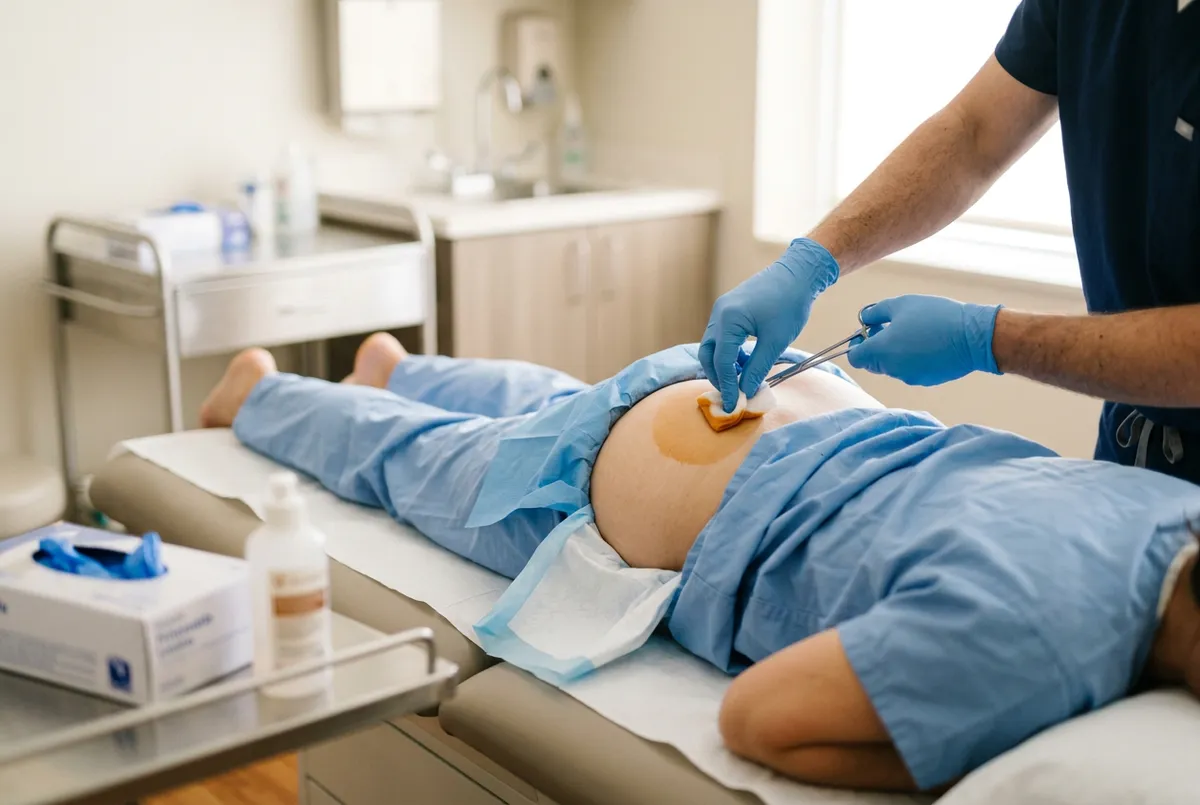
The alcohol implant procedure is an outpatient procedure lasting approximately 20-30 minutes. It does not require hospitalisation - the patient arrives sober (minimum 24-48 hours of abstinence), undergoes medical assessment, and returns home the same day.
Step-by-step procedure
- Disinfection - medical staff prepares the procedure area in the buttock region
- Local anaesthesia - eliminates pain. The patient only feels a prick when the anaesthetic is administered
- Incision - a small, approximately 1-centimeter incision in the skin
- Implantation - insertion of the Disulfiram tablet under the muscle fascia
- Suturing and dressing - 2-3 stitches and a sterile dressing. The suture type (absorbable or non-absorbable) depends on the chosen package
How to prepare for the alcohol implant procedure?
The most important requirement before implanting Disulfiram is maintaining complete alcohol abstinence for a minimum of 24-48 hours. This period is necessary to avoid a disulfiram reaction immediately after the procedure.
Practical tips before the procedure
- Diet - no special diet is required, you do not need to fast
- Drinking - you can drink non-alcoholic beverages normally
- Documents - it is worth bringing current blood test results if the patient has them
Alcohol-containing products - what to watch for
Abstinence before the procedure applies not only to alcoholic beverages. Ethyl alcohol is also found in everyday products:
- Mouthwashes - many popular brands contain alcohol
- Cough and cold syrups - some preparations contain ethanol as a solvent
- Sauces and marinades - e.g. wine-based sauces, wine vinegar
- Cosmetics - some warming lotions, aftershaves
Nasz Gabinet medical staff also recommends avoiding non-alcoholic beer - although it contains negligible amounts of alcohol, it can act as a psychological trigger for people with addiction.
Safety of the alcohol implant
Disulfiram itself is not toxic or harmful. A patient maintaining sobriety does not feel the implant's effect in daily life. Most people experience no side effects.
Possible side effects after implantation
Immediately after implantation, minor discomfort, redness, or erythema at the implant site may occur. Symptoms subside within a few days. In rare cases, Disulfiram causes drowsiness, a metallic taste in the mouth, or temporary potency issues.
Disulfiram reaction - consequences of alcohol consumption
During Disulfiram treatment, there is an absolute prohibition on consuming alcohol. Even a small amount of alcohol in the body triggers a disulfiram reaction:
- Mild to moderate symptoms - nausea, vomiting, headache, heart palpitations, dizziness, drop in blood pressure, facial flushing
- Severe symptoms (with larger amounts of alcohol) - shortness of breath, heart rhythm disorders, loss of consciousness, seizures
In extreme cases, with large amounts of consumed alcohol, the disulfiram reaction can be life-threatening. Deaths are rare but documented in medical literature. This is not scaremongering - it is information that should accompany an informed decision about treatment.
How to take care of yourself after the alcohol implant?
After the procedure, redness, swelling, or mild tenderness in the implantation area may appear. Symptoms usually subside within a few days.
Proper wound care
- Avoid getting the wound wet - for the first 3-5 days after the procedure
- Do not touch the wound with unwashed hands - do not attempt to remove the sutures yourself
- Apply dressings - as recommended by medical staff
- Avoid pressure in the wound area - e.g. during sleep try not to lie on the procedure side
- Do not use alcohol-based products - no disinfectants containing ethanol in the immediate vicinity of the wound
- Monitor the wound - redness, discharge, or fever may indicate infection and require contacting Nasz Gabinet
Healing typically takes 7-14 days. The Alcohol Implant VIP has absorbable sutures that do not require removal.
How often can the alcohol implant be performed?
The effect of the Disulfiram alcohol implant most commonly lasts for a period of 8-12 months. The next Esperal implant procedure can only be performed after the previous implant's effect has expired.
Long-term usage strategies
- Regular repetition - some Nasz Gabinet patients choose to have the implant again every year, treating it as part of a long-term abstinence maintenance strategy
- Use during risk periods - others use the implant periodically, e.g. before the holiday season or during difficult life moments
Before each subsequent implantation, medical assessment is required - the patient's health may have changed since the last procedure.
Why choose the implant at Nasz Gabinet?
Nasz Gabinet is a registered Addiction Treatment Clinic operating since 2012. We run clinics in 21 cities across Poland and meet the legal requirements for medical entities of this type.
What distinguishes Nasz Gabinet
- Hybrid approach to treatment - we combine on-site care with online therapy. The patient does not have to stay in a closed facility to conduct regular addiction therapy
- Discretion and anonymity - our clinics provide an atmosphere of intimacy. For many patients, this is a necessary condition for undertaking treatment
- Comprehensive offer - the Esperal implant is just one element. Within a single facility, the patient has access to detox, pharmacotherapy, and psychotherapy
Phone registration: 880 808 880 (daily 8:00-20:00) or via online booking on the website.
Alternatives to the alcohol implant
At Nasz Gabinet, the Esperal implant is one of several available methods for treating alcohol addiction. The choice of method depends on the patient's health situation, preferences, and treatment history.
Oral pharmacotherapy
For patients who do not qualify for the implant or prefer a different approach, oral pharmacotherapy is available:
- Nalmefene - reduces the pleasure derived from drinking, taken as needed
- Naltrexone - blocks opioid receptors responsible for the feeling of euphoria after alcohol
- Acamprosate - restores the balance of neurotransmitters after alcohol withdrawal
- Anticol - an oral form of Disulfiram that works on the same principle as the implant
Addiction psychotherapy
Regardless of the chosen pharmacological method, the foundation of lasting change is psychotherapy. At Nasz Gabinet, we conduct it on-site in 21 cities and online - without the need to stay in a closed facility.