What is the alcohol implant in Radom?
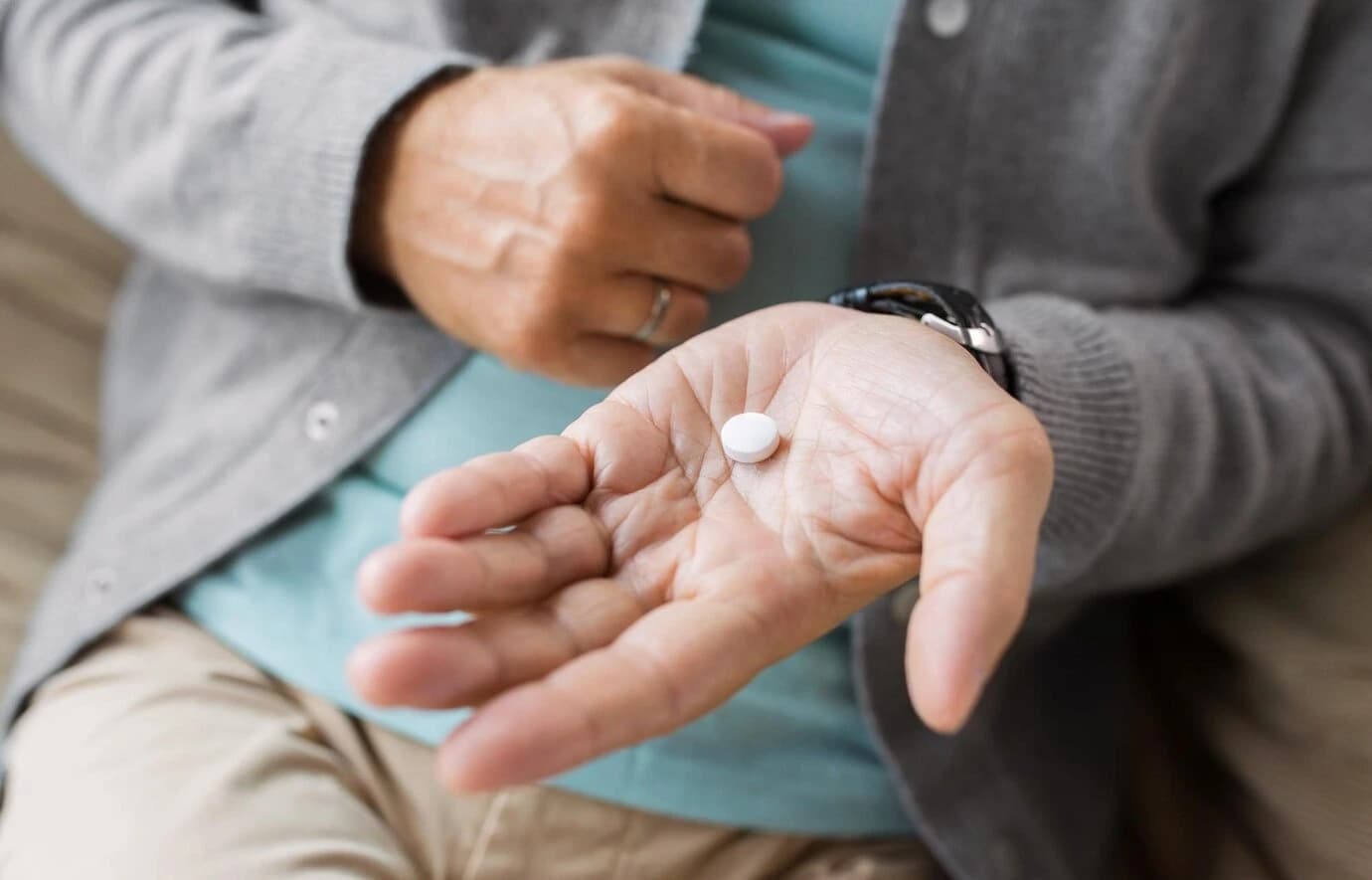
The Esperal alcohol implant is a form of pharmacological abstinence support. We place an implant containing disulfiram under the patient's skin - a substance that blocks the breakdown of alcohol in the liver. The tablets release the medicine gradually over many months, so the patient does not need to remember oral preparations every day.
At Nasz Gabinet Radom we perform the procedure on an outpatient basis - without hospitalisation, at our clinic on Mireckiego 10. Characteristics:
- Procedure duration: about 30 minutes
- Anaesthesia: local, given before the incision
- Hospitalisation: not required
- Implant location: upper buttock area (discreet, invisible under clothing)
- Return home: same day
Patients come to the clinic from Radom, Pionki, Kozienice, Puławy, Iłża, Skarżysko-Kamienna, Białobrzegi, Zwoleń and Lipsko. The central location facilitates access.
How does Esperal work? Mechanism of the alcohol implant
Understanding how disulfiram works helps make a conscious decision about treatment. The mechanism itself is simple and has been described in pharmacology for decades.
Natural alcohol metabolism
Under healthy conditions ethanol is metabolised in the liver in two steps:
- Ethanol turns into acetaldehyde - a toxic compound responsible for the classic hangover.
- Acetaldehyde is quickly broken down to harmless acetic acid by the enzyme aldehyde dehydrogenase.
What disulfiram changes
Disulfiram blocks the second step. Acetaldehyde accumulates in the body instead of being quickly neutralised. The result is the so-called disulfiram reaction: severe nausea, throbbing headache, palpitations, redness, drop in blood pressure. The more alcohol consumed, the stronger the reaction. With higher doses the reaction may be life-threatening - this is what creates the psychological barrier protecting against impulsive drinking.
Who is the alcohol implant in Radom recommended for?
The implant is a tool for people with diagnosed alcohol addiction who are motivated to maintain abstinence and need pharmacological support during the first months of sobriety.
The patient profile that benefits most
- After a recent detox - the implant reduces the risk of relapse during the first 6-12 months.
- High-functioning alcoholics - they hold down a job and keep up the appearance of a normal life, but their drinking spirals out of control in the evenings and at weekends.
- After repeated relapses - people who have tried on their own or with support groups but need an additional external barrier.
- Those preparing for psychotherapy - the implant provides several months of sobriety, during which the mind can settle and deeper work can begin.
What the implant will not do
Esperal will not cure the addiction. It works only while the patient does NOT drink - it is a barrier, not a treatment. That is why at Nasz Gabinet Radom we always propose a combined plan: the implant plus a psychotherapy consultation.
Contraindications to the Esperal implant in Radom
Before the procedure, every patient undergoes a medical consultation during which we assess their state of health. Some conditions rule out the implant absolutely, while others require individual assessment.
Absolute contraindications
- Disulfiram allergy in the medical history
- Severe heart conditions - heart failure, a recent heart attack, unstable coronary artery disease
- Liver cirrhosis or active viral hepatitis
- Severe kidney failure
- Pregnancy and breastfeeding
- Active psychoses, schizophrenia, severe depression with suicidal thoughts
- Epilepsy
- Lack of abstinence - alcohol in the blood on the day of the procedure
Relative contraindications
- Diabetes with unstable blood sugar levels
- Uncontrolled hypertension
- Hypothyroidism
- Use of certain medications: metronidazole, warfarin, phenytoin, isoniazid
If you have any health concerns, call us before your appointment at 880 808 880. The doctor will discuss your case and advise whether the procedure is safe for you.
Alcohol implant Radom price list - packages and rates
At Nasz Gabinet Radom we offer several packages. The doctor helps select the right disulfiram dose and additional services for each patient's situation. (The medication is currently unavailable on the market, so we use our own supplies - each patient receives a dose of about 100 mg of the substance.)
Esperal implant packages in Radom
- Implant with your own medication - from 349 PLN - implantation of medication supplied by the patient, free follow-up visit.
- Alcohol Implant Standard - 1299 PLN - non-absorbable sutures (removed after healing), antibiotic by prescription, free follow-up visit.
- Alcohol Implant VIP - 1499 PLN - absorbable sutures, antibiotic, prescriptions for supporting medications, free follow-up.
- 6 h Bundle + Implant - 2699 PLN - 6-hour medical detox plus same-day implantation.
- 12 h Bundle + Implant - 3299 PLN - 12-hour full monitoring detox plus VIP implant.
Detox before the alcohol implant in Radom
To place the Esperal implant safely, the patient must maintain a minimum of 24-48 hours of abstinence. For people after an alcohol binge, stopping on their own is often impossible - hand tremors, anxiety and insomnia appear, and in more severe cases seizures.
When detox is necessary
- After a binge lasting several days or longer
- With intense withdrawal symptoms
- When the patient cannot go 24 hours without alcohol on their own
- With a history of alcohol-related seizures or delirium tremens
6 h Bundle + Implant (2699 PLN)
- 6-hour detox under the care of a doctor and a nurse
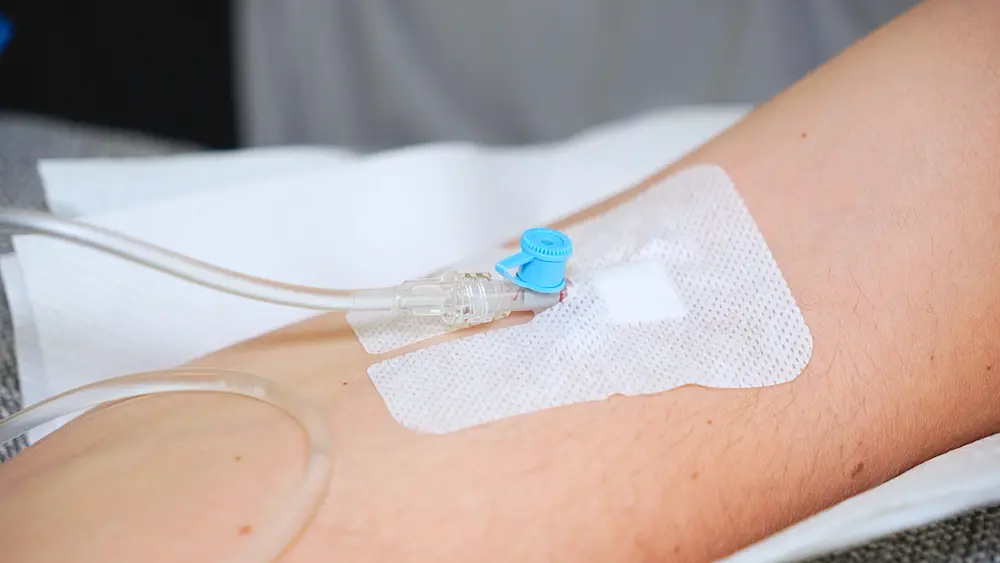
- Rehydrating drips that stabilise the electrolyte balance
- Medications to ease withdrawal symptoms (benzodiazepines if needed)
- Once the patient is stable - placement of the implant
12 h Bundle + Implant (3299 PLN)
- 12-hour full detox with monitoring
- VIP implant placement (absorbable sutures)
- A full set of supporting medications
With these packages the patient breaks the binge and protects themselves against relapse the same day - without having to arrange two separate appointments.
Preparing for the alcohol implant in Radom
Good preparation increases both the safety of the procedure and the patient's comfort.
Mandatory requirements
- A minimum of 24 hours of abstinence, optimally 48 hours
- An ID card or passport
- A list of the medications you take (preferably written down in advance)
- Information about chronic conditions and allergies
What you do not need
- To fast - you may eat normally and drink water
- To have a referral from a GP
- To take time off work - most patients return to work the next day
- To arrange return transport (we do, however, recommend not driving on the day of the procedure)
If you cannot maintain abstinence
For people who simply cannot stop drinking on their own, we offer packages that combine alcohol detox in Radom with the implant. The 6 h Bundle + Implant for 2699 PLN solves this problem in a single appointment.
How the Esperal implantation in Radom is performed
The procedure takes place in sterile clinic conditions, performed by experienced doctors.
Procedure steps
- Medical consultation (15-20 min). Medical interview, abstinence verification (breathalyser possible), discussion of risks, signing informed consent.
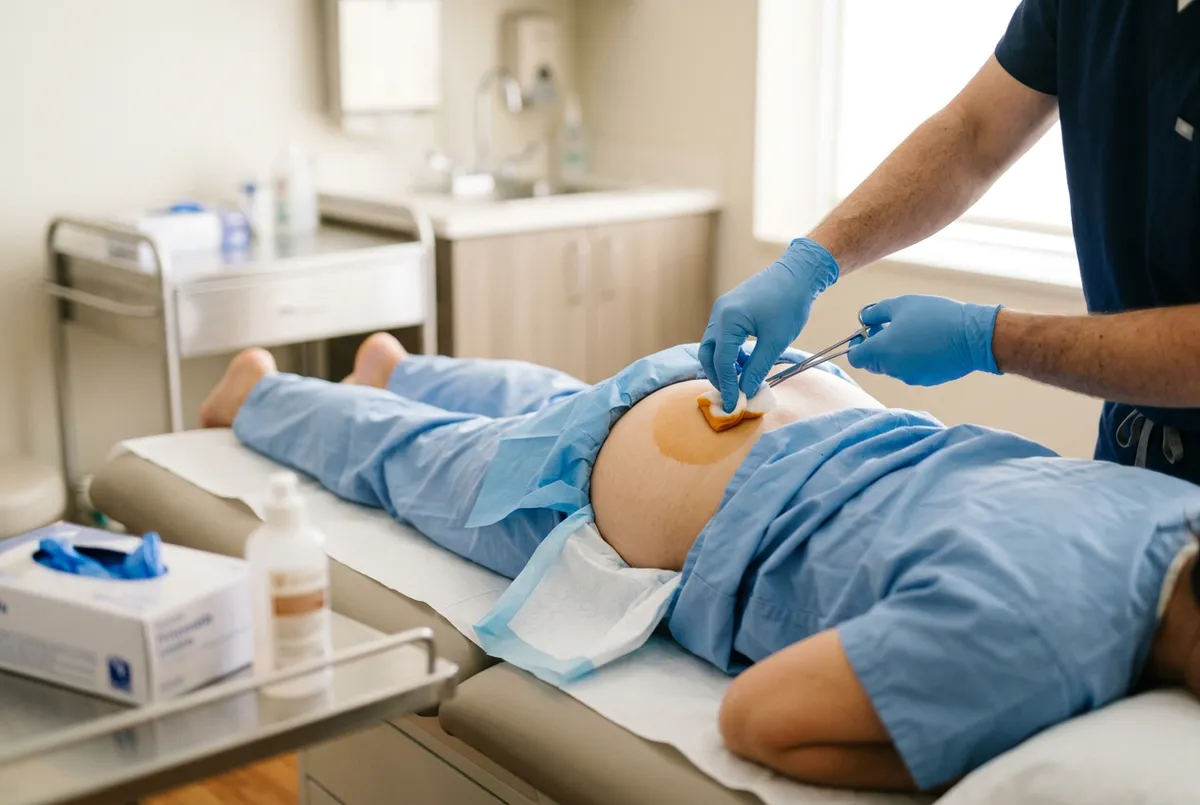
- Preparation of the operative field. Patient lies on their side, the doctor disinfects the upper buttock area.
- Local anaesthesia. The anaesthetic is given in several spots around the planned incision. This is the only moment with a slight pricking sensation.
- Implantation. After the anaesthetic takes effect (a few minutes), the doctor makes a small 1-2 cm incision and places disulfiram tablets under the skin.
- Wound closure. 2-3 sutures plus a sterile dressing.
- Brief observation. Patient stays in the clinic for 15-30 minutes, receives an information card with recommendations.
Total time at the clinic
45-60 minutes. The surgical procedure itself takes about 15-20 minutes.
Does the alcohol implant hurt? What you feel during the procedure
This is the most common question asked before an appointment. The answer is fairly simple: the discomfort is minor, and the more lasting inconveniences only appear over the few days after the procedure and are mild.
What the patient feels during the procedure
- Local anaesthesia - a brief pricking sensation, similar to having blood drawn.
- The procedure itself - once the anaesthetic takes effect, the patient feels no pain. They may feel pressure or a pulling of the skin.
- After the anaesthetic - the area may feel slightly numb for 4-6 hours.
What the patient feels afterwards
- First 24-48 hours: a dull ache around the incision, relieved by painkillers (paracetamol, ibuprofen).
- First week: slight tenderness to the touch, sometimes redness around the wound.
- After the sutures are removed: no complaints, and the scar becomes almost invisible within a few months.
Wound care after the Esperal implant - recommendations
Proper care prevents infection and speeds up healing. The recommendations are simple, but worth following.
The first 48 hours
- Do not remove the sterile dressing applied at the clinic
- Avoid getting the wound wet - shower instead of bathing, with a protective dressing
- Do not wear tight underwear or jeans that press on the wound area
- Sleep preferably on the side opposite to the procedure site
From day 3 until the sutures are removed
- Change the dressing daily, or leave the wound exposed to the air once it has healed on the surface
- Disinfect the wound with an octenidine-based product (e.g. Octenisept)
- Avoid swimming pools, saunas and intense physical exertion
Warning signs - call 880 808 880
- Increasing pain, a fever above 38°C
- Marked redness spreading around the wound
- Discharge of pus
- A hard lump under the skin that is growing rather than shrinking
We usually schedule a follow-up visit after 10-14 days - we remove the sutures and check the healing.
The effects of drinking alcohol with the Esperal implant - what to expect
The implant is effective as long as the patient abstains from alcohol. Breaking this rule triggers a strong reaction that cannot be waited out as mere discomfort.
As soon as 30-60 minutes after drinking
- Severe flushing of the face, neck and chest
- A throbbing, intensifying headache
- Nausea, vomiting, diarrhoea
- Palpitations and rapid breathing
- A drop in blood pressure - weakness, disorientation
With larger amounts of alcohol
The reaction becomes dangerous. Circulatory collapse, seizures and, in extreme cases, cardiac arrest are all possible. That is why, with the implant, you must abstain from alcohol completely, even from a single glass.
What to avoid with the alcohol implant? Forbidden products
Disulfiram reacts not only with alcoholic drinks, but with anything that contains even small amounts of ethanol or its precursors.
What to avoid completely
- Any alcoholic drinks - wine, beer, vodka, cocktails, fruit liqueurs
- Non-alcoholic beer - it contains up to 0.5% alcohol, which is enough to trigger a reaction
- Sweets and desserts containing alcohol - liqueur-filled chocolates, rum baba, tiramisu
- Wine vinegar and apple cider vinegar in large amounts
- Some cough syrups and alcohol-based medications (check the leaflets)
- Mouthwashes containing alcohol (e.g. some Listerine products)
- Perfumes and cosmetics applied heavily to broken skin
What is safe
- Ripe fruit (trace amounts of fermented sugar are negligible)
- Kefir and yoghurts (their alcohol content is below the reaction threshold)
- Chocolate without an alcohol filling
- Coffee, tea, water
If in doubt - check the ingredients before reaching for an unfamiliar product.
The alcohol implant and alcoholism treatment in Radom
Placing the Esperal implant provides several months of pharmacological protection against relapse - a period in which it is worth doing more than simply waiting.
Why the implant alone is not enough
Disulfiram blocks the physiological reaction to alcohol, but it does not change thinking, habits or the way a person copes with emotions. Once the implant's effect wears off (8-12 months), the patient returns to their old patterns - and if nothing has changed in the meantime, the risk of relapse is high.
What is worth doing while the implant is active
- Addiction therapy in Radom - individual or group sessions, preferably in the cognitive behavioural approach
- AA (Alcoholics Anonymous) meetings - free and anonymous, held several times a week in Radom
- Psychiatric consultations if depression or anxiety disorders co-occur
- A change of environment: limiting contact with people who drink, new daily routines
Combining the implant with psychotherapy is the clinical standard - disulfiram alone does not change drinking patterns, but therapy does.