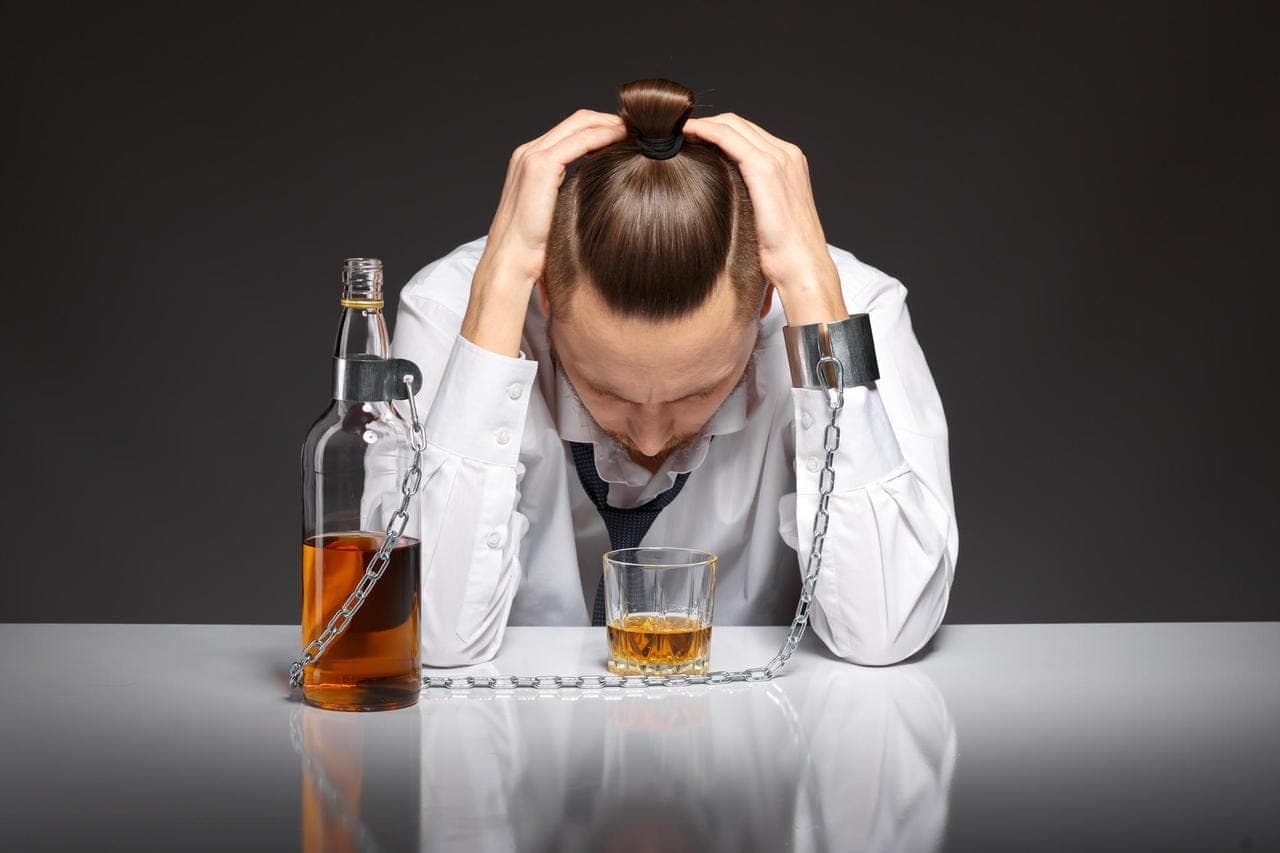


Alcoholism in the ICD classification and the symptoms that point to it
A doctor diagnoses alcoholism after taking a history and examining the patient, and records the diagnosis with a code from the international classification of diseases: F10.2 in ICD-10 or 6C40.2 in the newer ICD-11. The same code goes into the notes in a public clinic and in a private practice alike.
Years of drinking change the way two systems in the brain work: the reward system and the system that handles stress. Once that has happened, tension and restlessness lift only after a drink. That is where alcohol craving comes from, and with it the patient's weakening grip on when they start drinking and when they stop.
The diagnosis rests on several features that appear together and recur over many months: a strong urge to drink that is hard to resist, loss of control over how much alcohol the patient drinks, tolerance, meaning the need for ever larger amounts of alcohol to get the effect it once had, drinking on despite worsening health and conflict at work and at home, and withdrawal symptoms after a break in drinking. Getting drunk on a single occasion does not justify the diagnosis. The more of these features a patient has, the deeper the alcohol addiction. The illness is chronic and prone to relapse, so we plan treatment over months, and if the patient goes back to drinking along the way, we change the plan.
Where risky drinking ends and the illness begins
Alcohol addiction is preceded by two patterns of drinking that the medical classification describes separately. Risky drinking means drinking at a level that has not yet caused the patient any illness or any trouble at work or at home, but at that level the risk grows with every year. Harmful drinking has its own code in ICD-10, F10.1, because the consequences are already visible: raised blood pressure, worsening liver function tests, days missed at work, rows at home. We diagnose addiction (F10.2) only when alcohol craving, tolerance and withdrawal symptoms after a break in drinking appear on top of that damage.
At the first consultation we go through the AUDIT questionnaire with the patient. The World Health Organisation developed it, and its questions are specific: how much the patient drinks on one occasion, how often, whether they have ever been unable to remember how an evening went, whether people close to them have commented on their drinking. The score depends on how honestly the patient answers, so we treat it as the start of a conversation rather than as a diagnosis. We diagnose alcoholism only after taking a history and examining the patient.
No amount of alcohol is safe for health, as the World Health Organisation stated plainly in 2023. That is why we ask not only about the number of drinks, but also about what the patient puts off or cancels during the week because of drinking.
Alcoholism treatment in Szczecin from consultation to maintenance care
Treatment starts with a medical consultation. The doctor asks about the history of drinking, checks coexisting illnesses and the medicines the patient takes, orders tests and judges whether coming off alcohol will need medical supervision. Only then do we draw up the treatment plan.
The stages that follow always come in the same order. First we stabilise the patient's health, and in a patient who is in the middle of a binge we start with alcohol detox. Then we begin pharmacotherapy or place the Esperal implant to protect the first weeks of abstinence. The longest stage is addiction psychotherapy, which we describe on the page about addiction therapy in Szczecin, because it teaches the patient to get through, without alcohol, the situations that used to end in drinking. The last stage is maintenance care. We draw the plan up for a month, three months, six months or a year, depending on the patient's health and their situation at home.
We are a private practice, so we usually give a patient their first appointment within a few days of them getting in touch. No medical facility offers anonymous treatment, because the law requires medical records to be kept and stored for a set period. We are bound instead by medical confidentiality: without the patient's written authorisation we give no information about the treatment to their family or their employer.
Outpatient alcoholism treatment in Szczecin or a stay in a centre
We decide on the setting at the consultation, after examining the patient. We weigh up the risk of complications when the patient stops drinking, how advanced the illness is, who lives with the patient and whether there is alcohol in the house.
Outpatient alcoholism treatment in Szczecin
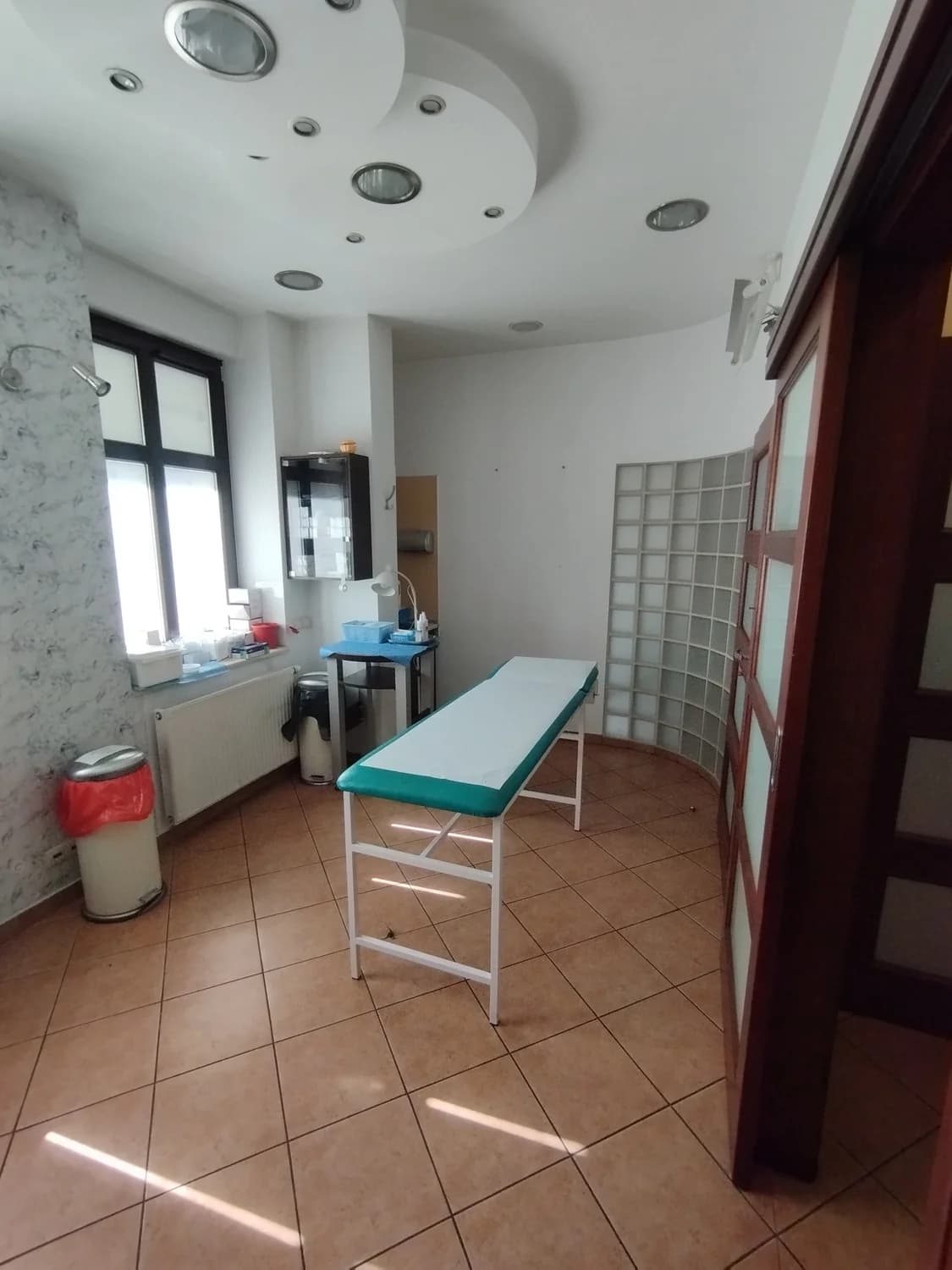
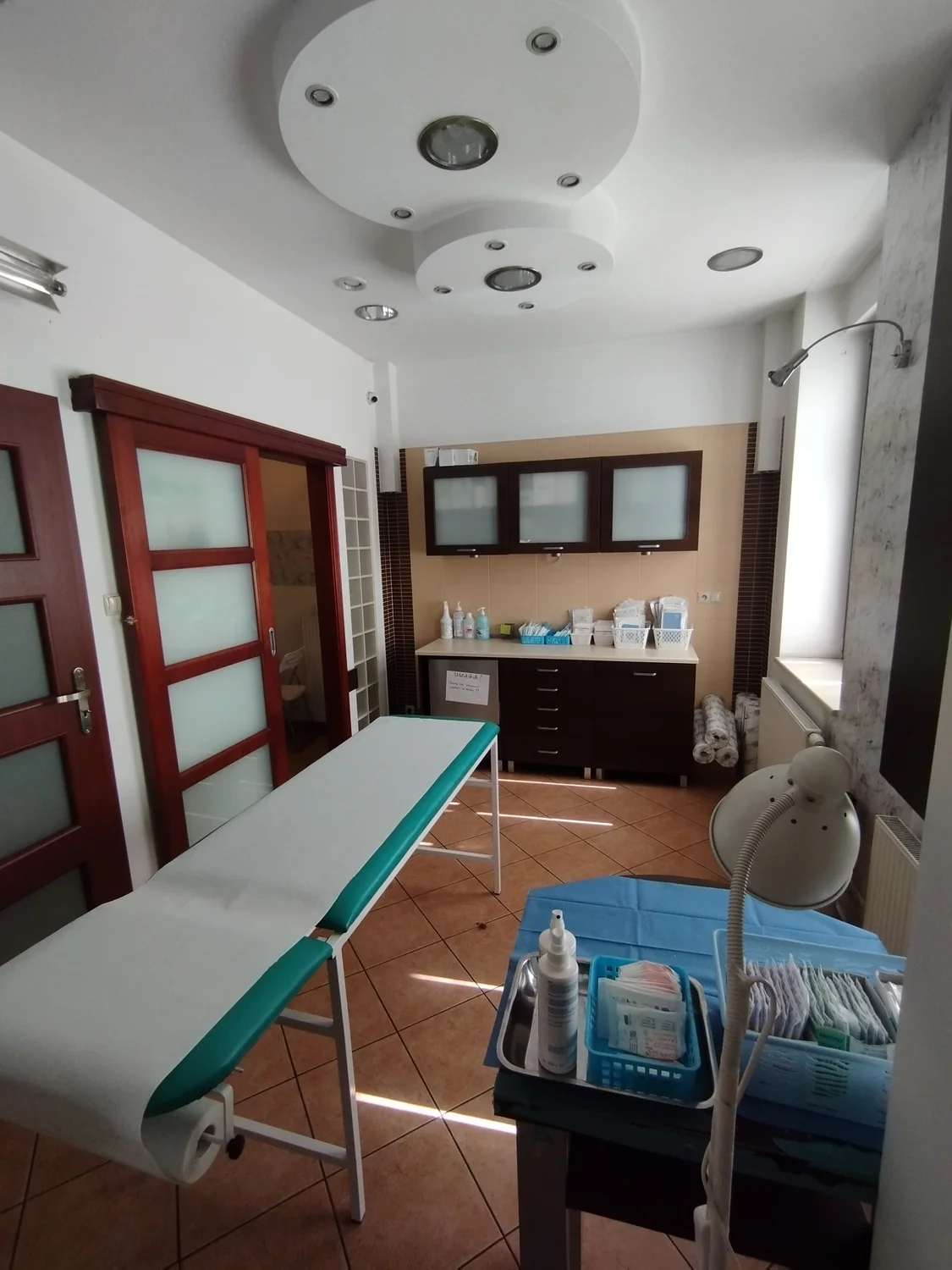
We treat patients as outpatients when they have no severe complications and when stopping alcohol carries no risk of seizures or alcohol-related delirium. Consultations, tests and procedures take place at Bohaterów Getta Warszawskiego 16/2, and we fit appointment times around the patient's working hours, so that they do not have to take sick leave or travel out of Szczecin.
Alcoholism treatment in a residential centre in Szczecin
We recommend a round-the-clock stay after long binges, when the patient has serious coexisting illnesses, and when somebody in their household drinks every day. We also send patients there when outpatient treatment has ended in a return to drinking. We describe what such a stay involves on the page about the addiction treatment centre in Szczecin.
Online alcoholism treatment and e-prescriptions in Szczecin
Online we hold follow-up appointments and some psychotherapy sessions, and we issue e-prescriptions at them. Patients from Szczecin who struggle to find time to travel book this way, as do those who work on the road or live in the surrounding municipalities. We cannot judge how severe withdrawal symptoms are through a screen, so we bring a patient in acute withdrawal into the practice or refer them for detox.
Which medicine reduces alcohol craving and which discourages drinking
We use four medicines in alcoholism treatment, and each of them does a different job. The doctor chooses between them: they check how the liver and the heart are working, ask about the other medicines the patient takes and about what the patient wants to achieve over the coming months.
Naltrexone is a tablet the patient takes every day. It blocks the receptors through which alcohol produces pleasure, so after a few days a drink no longer brings relaxation or lifts the mood, and thoughts about alcohol come back less often during the day. Acamprosate works on something else. After years of drinking the nervous system stays overexcited, so the patient sleeps badly and feels tense and irritable; acamprosate calms that overexcitement and makes the first months without alcohol easier to get through. Nalmefene is different again: the patient takes it only on a day when they expect an occasion to drink. It makes stopping at the first drink easier, so we use it for patients whose goal is to cut down how much they drink.
Disulfiram, in tablets or in the Esperal implant, switches off the enzyme that finishes breaking alcohol down. Acetaldehyde then builds up after a drink and the disulfiram reaction follows: flushed skin, palpitations, a drop in blood pressure and vomiting. The reaction puts the patient off reaching for alcohol, but it does nothing about alcohol craving. We describe who can have the procedure and how it is carried out on the page about the Esperal implant in Szczecin.
Medication alone does not cure alcoholism. It lowers tension and alcohol craving enough for the patient to have the strength to work in psychotherapy, and only alongside that therapy does it help them stay away from alcohol.
Who starts alcoholism treatment with detox
In alcohol detox the patient goes through withdrawal symptoms under medical care. The symptoms appear because a body used to alcohol every day reacts to its absence: the hands tremble, sweating and restlessness return, the pulse speeds up, the patient cannot get to sleep. The body breaks alcohol down and clears it without help from outside, so detox does not flush toxins out of the body. What it does is ease the symptoms with medication and replace the water, electrolytes and vitamins the patient has lost.
Medical supervision is needed to break a binge that has lasted several days. It is needed too when the patient coming off alcohol has already had seizures or alcohol-related delirium, has heart or liver disease, or is elderly. In such a patient, stopping alcohol without medication can end in seizures and in alcohol-related delirium, and both of those are life-threatening. That is why we never run detox remotely. We describe how the procedure goes, which tests it calls for and how long it lasts on the page about alcohol detox in Szczecin.
After detox the patient feels better than they have felt for months, and that is exactly when they most often drop out of further treatment. The procedure clears the withdrawal symptoms, but it does nothing about alcohol craving and nothing about the reasons the patient was drinking. So before the detox we already agree who will lead the psychotherapy, which medicines the patient will start taking and when they will come for their first follow-up appointment.
What we do when a patient returns to drinking during treatment
A drink taken during treatment does not cancel out the months of work behind it. What happens next depends above all on how many days pass before the patient calls us. After a single evening of drinking the patient goes back to the treatment plan, with no detox and no change of medication. After a fortnight of drinking, stopping alcohol already carries a risk of seizures, so the patient starts with detox, and we resume psychotherapy only once their health is stable.
Once the patient gets in touch, we ask how much they drank and for how long, check for withdrawal symptoms and decide whether detox is needed. Then we pick the interrupted plan back up, change the dose or the medicine itself and put the next few weeks of appointments closer together. We ask for no explanations: the shame that stands in the way of that phone call costs the patient more days of drinking.
A relapse rarely arrives without warning. Missed doses of medication, cancelled psychotherapy sessions, insomnia coming back and the thought that one beer will do no harm any more all come first. We teach the patient to recognise those signals and to act on them before they reach for alcohol, and we tell their relatives plainly that a phone call to us does more good than a row at home.
What helps a patient stay without alcohol in the first year after treatment
The first months after the patient stops drinking carry the highest risk of a return to alcohol: the withdrawal symptoms are over, while everyday habits have not changed yet. That is why the patient stays under our care once the intensive stage of treatment is finished, though the appointments come further apart.
At this stage we work mainly on relapse prevention. Together with the patient we write down the situations that bring the urge to drink back, among them payday, a business trip or a row at home, and for each one we set out what to do: how the patient gets through the first few minutes, who they call, how they will fill the evening. A resolution never to drink again is not enough at this stage.
We keep the medication that supports abstinence going for as long as the doctor recommends, including after psychotherapy has finished. We also encourage patients to join self-help groups, so that between appointments with us they are in touch with people in the same position. Together we agree which signals will tell the patient and their family that a relapse is coming, and when to contact us.
Why relatives of a person who drinks look for help for themselves less often
In 2024, 6,398 people with an alcohol problem came to the municipal information and counselling points (punkty informacyjno-konsultacyjne) in the West Pomeranian Voivodeship, along with 2,998 adult family members, among them codependent relatives and adult children of alcoholics. The people who drink received 12,707 consultations and their families 4,469, which works out at roughly two consultations per person who drinks and one and a half per adult relative. Relatives, then, come forward less often than the people who drink, and each of them gets fewer consultations. The figures come from the reports of 111 of the 113 municipalities in the voivodeship and were published as preliminary results. The municipalities run the points: staff there give information and refer people on to treatment facilities, but they treat nobody themselves.
Codependency is a way of living that a family settles into over years: they keep watch over the person who drinks, hide the drinking from friends, pay off the debts and make excuses for the absences at work. That shields the person from the consequences of drinking and so keeps the drinking going. Therapy for relatives teaches them how to step out of the role of controller and carer and how to get back to their own lives. We work with adult children of alcoholics separately.
Relatives most often want to know how to persuade the person who drinks to start treatment. We offer them a consultation of their own, because a conversation worked out beforehand with a therapist has a better chance of ending in agreement to come in than a row after another binge. The Polish Act on Sobriety Education (ustawa o wychowaniu w trzeźwości) also gives the family a route that other addictions do not offer. A notification filed with the municipal commission for solving alcohol problems (gminna komisja rozwiązywania problemów alkoholowych) opens proceedings, and those can end with an application to the court for an order to undergo addiction treatment.
How we treat alcoholism when depression or anxiety comes with it
We ask every patient about depression, anxiety disorders and post-traumatic stress disorder at the first consultation, because people addicted to alcohol have them far more often than our other patients do. Alcohol dampens anxiety for a short while and makes falling asleep easier, but after a few weeks of regular drinking the anxiety comes back stronger and sleep turns shallow and broken.
Treating the drinking and leaving the depression alone buys only a short improvement. Depression takes away the strength the patient needs for addiction therapy, and alcohol itself acts on sleep and mood, so as long as the patient drinks there is no telling how well an antidepressant is working. That is why we treat both diagnoses under one plan. The psychiatrist leads the treatment of the depression or the anxiety disorder, the addiction therapist works with the patient on the drinking, and the two of them keep each other informed about progress.
Some anxiety and depressive symptoms ease after a few weeks without alcohol, so the psychiatrist assesses the patient again once the withdrawal symptoms have passed. When the depression is severe, we treat that first, because addiction psychotherapy calls for an effort a patient in that state cannot make.
When patients in the West Pomeranian Voivodeship come forward for treatment
In 2024 the mental health and addiction treatment clinics of the West Pomeranian Voivodeship saw 5,335 people with a diagnosis of a disorder caused by alcohol use. Of those, 4,489, or 84.1 percent, had the dependence syndrome, while 469 people (8.8 percent) came with a diagnosis short of the full dependence syndrome or with an episode of acute alcohol poisoning. Across the country the proportions were much the same: 85.1 and 9.7 percent (data from Bank Danych Lokalnych GUS, the local data bank of Statistics Poland).
Patients reach a clinic, then, once alcohol addiction is well established. The statistics count clinic patients rather than the number of people who are ill, and they place each patient at the address of the facility treating them; public statistics do not go down to city level, so there are no separate figures for Szczecin. Coming forward earlier changes the course of treatment: with milder withdrawal symptoms, outpatient care without detox is more often enough.