

Addiction treatment centre Szczecin - what inpatient treatment is and how it differs from an outpatient clinic
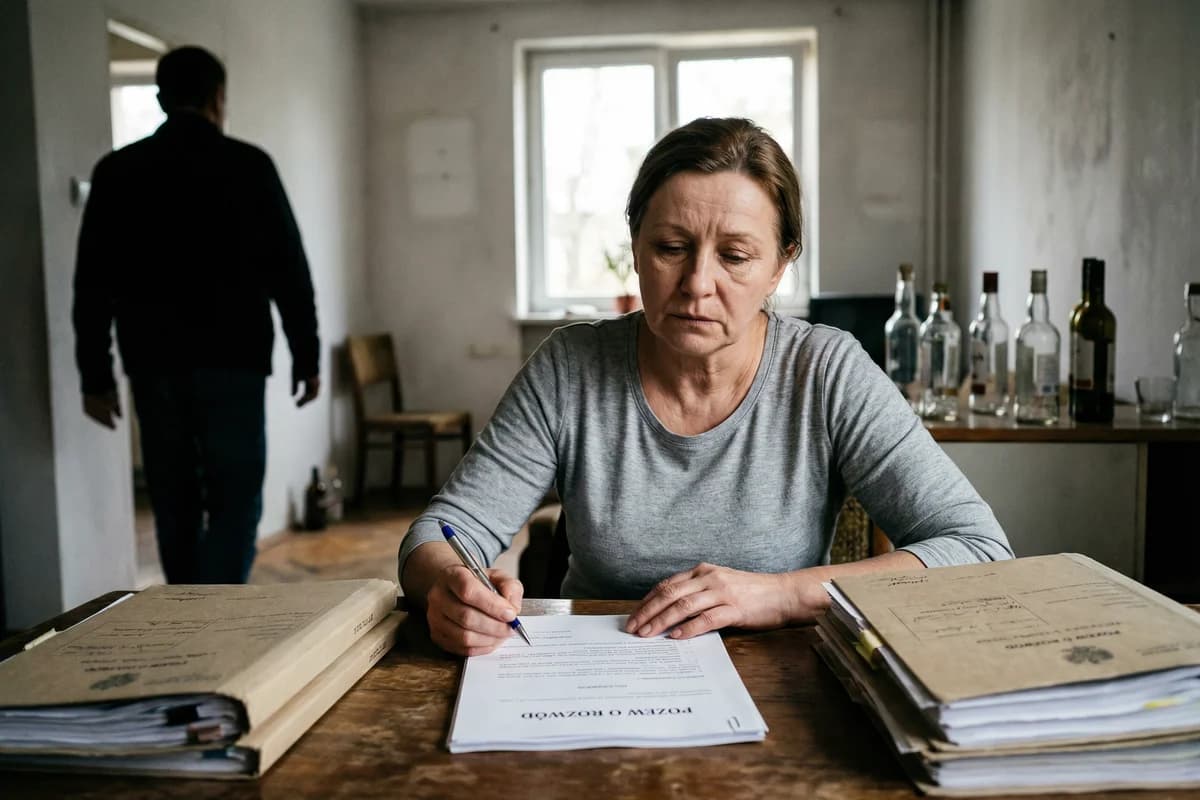
An addiction treatment centre in Szczecin is a place where treatment happens on a residential basis: the patient stays for the whole programme, sleeps, eats and does the therapeutic work in one place, while a therapeutic and medical team watches over their condition around the clock. For these few weeks life slows down and narrows to recovery - no trips home, no old company and no access to the substance. Often it is precisely this change of surroundings that is the first condition for leaving the addiction behind at all. People also speak of a stay in a closed centre, though the name can mislead: it means a protected, orderly stay, not holding someone against their will. The patient stays by their own decision and can withdraw it at any moment.
We help with dependence on alcohol, medication, drugs and novel psychoactive substances, as well as with gambling, that is a behavioural addiction. So under one roof we see people with very different addictions; on an inpatient basis we run, among other things, drug addiction treatment in Szczecin and gambling addiction treatment. Whatever the problem, the stay serves the same purpose: to break an entrenched pattern and learn to live without the substance or without the compulsive behaviour.
An outpatient clinic, a public 24-hour ward and a private centre - what sets them apart in Szczecin
Addiction treatment in Szczecin comes at several levels, and it is worth telling them apart before choosing a path for yourself or for someone close. Addiction treatment clinics admit patients without a referral and free of charge, but they work on an outpatient basis - the patient comes in for sessions and goes back home. There is also a round-the-clock addiction therapy ward funded by the public health service, where the stay costs nothing but requires a referral, involves a limited number of beds, a programme length fixed in advance and usually waiting in a queue. Our centre is a third path - inpatient treatment, but private: no referral, no queue and with a length of stay matched to the individual person. None of these paths is by definition the best; each works in a different situation.
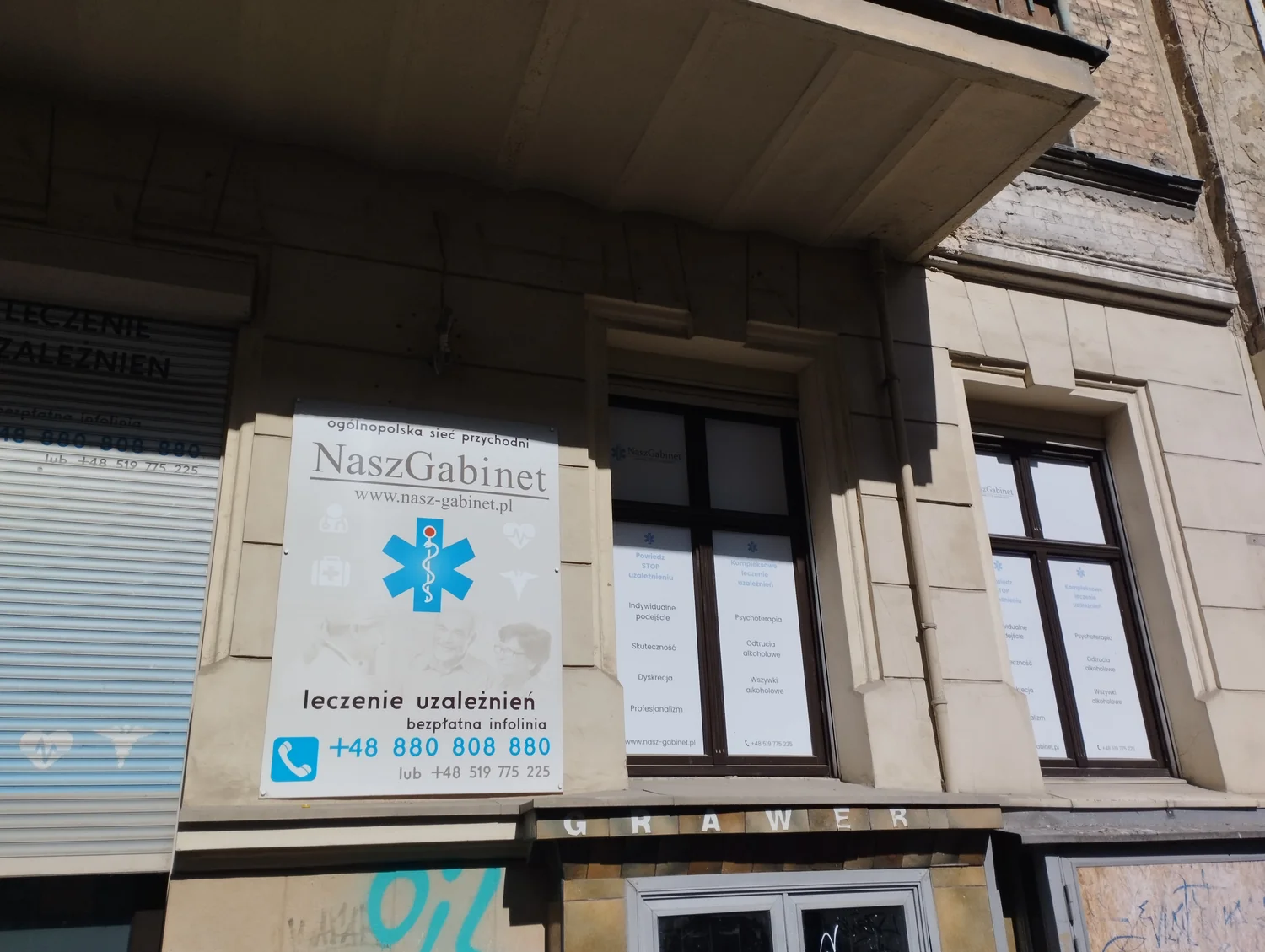
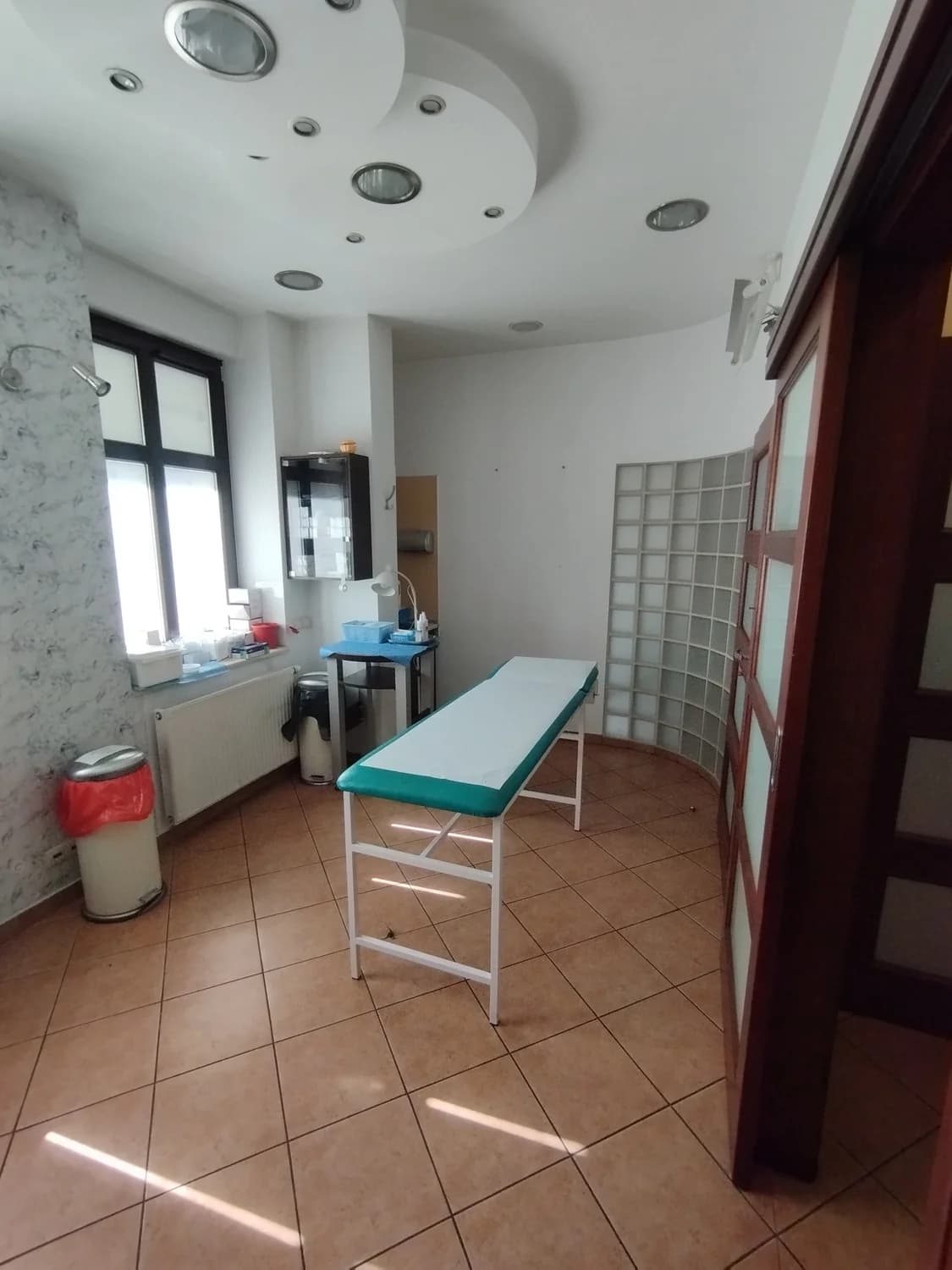
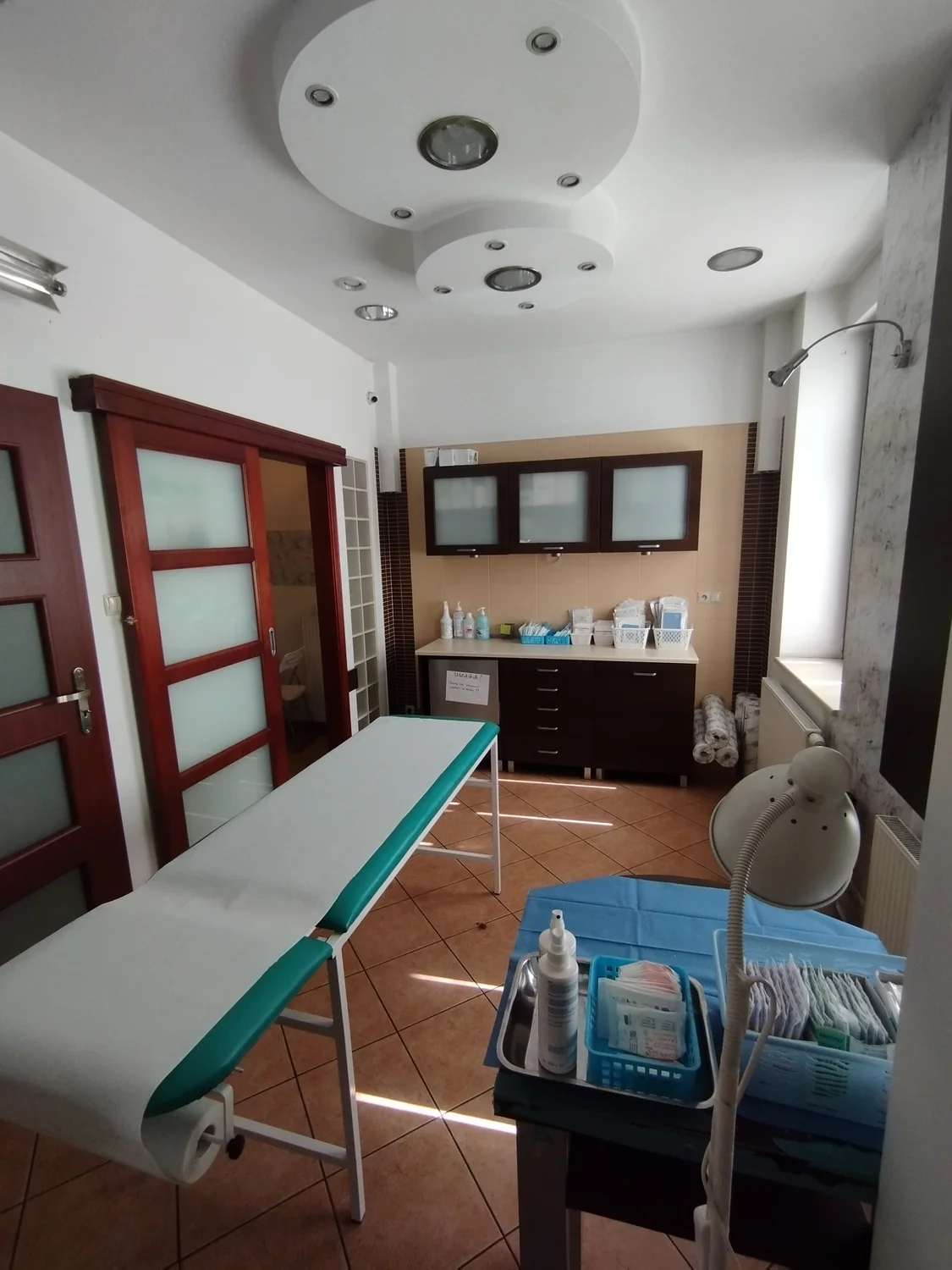
On the outpatient side, the closest to us is alcohol addiction treatment in Szczecin, which lets you get treatment without giving up work and everyday duties. A stay at the centre reverses these proportions: for a few weeks therapy becomes everyday life, and the rest of life waits. We hold the first conversation and the assessment at the Nasz Gabinet premises in Szczecin at ul. Bohaterów Getta Warszawskiego 16/2; the people who come to us are not only from Szczecin but also patients from across West Pomerania.
What the stay at the Szczecin centre looks like - from the first phone call to discharge
Once the decision to seek treatment is made, one question keeps coming back - both for the patient and for those close to them: what exactly happens now. The fewer the unknowns, the easier it is to take the first step, so we describe the course of the stay plainly - from the phone call to the day of leaving.
Admission, assessment and possible detox
It starts with a phone call; the person with the addiction can call themselves, or someone from the family. Then comes the assessment - a conversation in which we ask about the history of drinking or using, earlier attempts at treatment, state of health and medication taken, and also about sleep, mood and the level of tension. On this basis the team judges whether an inpatient stay really fits the situation and where to begin. If someone comes in mid-binge or with withdrawal symptoms, treatment opens with alcohol detox in Szczecin - a medically supervised cleansing that prepares the body for the actual therapy. We deliberately keep the first day at the centre gentle: it is time to get to know the place, the rules and your therapist, not to throw yourself into the hardest work from the threshold.
What an ordinary day looks like
The day at the centre is ordered and predictable - you know in advance what follows what, which in itself is calming. We set aside up to 8 hours a day for therapy, splitting that time between one-to-one meetings with the lead therapist and group sessions; that still leaves meals, rest and a moment to yourself. Group work, often awkward at first, turns out over the days to be the strongest part of the treatment: listening to someone working through exactly the same thing, you stop thinking of the addiction as a shameful failure that is yours alone. Evenings are quieter and leave room to breathe and to get used to a sober day, the kind you will have to run on your own once you leave.
Four weeks or eight
There are two lengths of stay to choose from. Four weeks is the condensed path - in that time you can break the binge, move into steadier abstinence and take away from the centre a concrete set of tools for the first hard weeks after coming back; it is usually chosen by people who already have some stage of treatment behind them. Eight weeks is room for what four weeks simply cannot fit: reaching what drives the addiction, getting to know the mechanism of relapse and working on what comes alongside the addiction. Roughly this length is regarded in Poland as a full inpatient programme. Which path to choose we settle together after the assessment - we match the length to the person, not the other way round.
The therapeutic programme in Szczecin - individual therapy, group therapy and team supervision
The stay itself is only the frame; what fills it is the therapeutic programme, and that is what really changes the situation. Its core is addiction therapy in Szczecin run in two modes at once - individual and group - held together by one therapist assigned to the patient for the whole course of treatment.
One therapist from start to finish
One permanently assigned lead therapist is responsible for the course of each patient's treatment. They build the individual plan, run the one-to-one sessions and correct the direction when something is not working. This way therapy does not scatter across random people, and responsibility for it stays clear. Such an arrangement also lets the pace and tone of the meetings be matched to the person - it is one thing for someone arriving at the centre for the first time, another for someone returning after a relapse.
Why the group heals
The second pillar is group therapy. It is there that the patient learns to speak about themselves plainly, hears honest reactions from people who have been through similar things and sees that they are not alone with the problem. The group gives something a conversation with the therapist alone cannot - a mirror in the form of other participants, who will point out, without dressing it up, what we would rather not notice in ourselves. The two modes complement each other: the individual one lets you go deeper, the group one lets you face reality.
What monthly supervision is for
Once a month the whole team puts its work through supervision: an independent, experienced supervisor, who does not run our patients day to day, reviews ongoing cases with the therapists. For the patient this is not a formality but a concrete safeguard - the assessment of their situation no longer hangs on one person's judgement, and the plan can be corrected before therapy gets stuck or before a rising risk of relapse slips through. We treat the relapse itself not as a crossing-out of the work done so far, but as a risk that can be anticipated and covered by a plan - and where possible we bring those close to the patient into the therapy, because addiction rarely concerns one person alone.
Who inpatient treatment in Szczecin is for - indications, assessment and dual diagnosis
The most common question we hear at the assessment is: do I even have to shut myself away in a centre. The honest answer is that not everyone does - a fair number of people recover through outpatient treatment, without leaving work and being torn away from family. An inpatient stay makes sense where lighter forms have already failed or stand no chance from the outset.
Whom the centre really helps
The people who gain most from it are those in whom the addiction has had time to take hold, and whose home surroundings have started to work against recovery. The drinking or using drags on for years and keeps gaining strength, attempts to quit on one's own end again and again in a return, and within arm's reach there are still the alcohol, the old tensions and the lack of real support. In such a setup, holding on to sobriety at home is simply unworkable - not for lack of willpower, but because the surroundings press without let-up. A stay of a few weeks lifts that pressure.
When anxiety or low mood comes alongside the addiction
In some people the addiction does not stand alone - it is accompanied by anxiety, low mood or persistent insomnia. This is then called dual diagnosis, that is the co-occurrence of an addiction and another disorder. An inpatient stay has the advantage here, because it lets you deal with both in the same place and at the same time, rather than treating separately something that drives itself in any case.
There is one question that is settled only during treatment: whether the low mood and anxiety are the cause of reaching for the substance, or rather the result of stopping it. Both look similar at first, and they can be told apart only after several weeks of abstinence, once the body has evened out. This is one of the reasons why, where co-occurrence is clear, a longer eight-week stay can be particularly helpful - a shorter one often does not give time for that distinction. Where it is justified, therapy is supported by pharmacological treatment, which a doctor always decides on.
This work has a clear limit, though. We deal with the difficulties that accompany an addiction at a stable level of severity - we do not replace psychiatric treatment of acute states. Suicidal thoughts, psychosis or a severe, unstable mental disorder need psychiatric care first; if we see such a picture at the assessment, we say so plainly and direct the person to where they will get the right help.
What we settle at the assessment
Admission is not a formality. During the assessment we settle two things with the patient: whether an inpatient stay is needed at all and, if so, how long it should be. When we see that the centre is not the best option right now, we say so openly and point to a better-matched path, such as outpatient treatment. The decision is the patient's; we are responsible for making sure they can take it knowingly.
Safety, the team and discretion - what the quality of treatment rests on
The most honest way to talk about treatment at a centre is from the side of safety - because it is safety, not the number of therapy hours, that decides whether the hardest beginning can be got through without harm.
Round-the-clock care in practice
The first days usually cost the most, especially when they follow stopping the substance. Round-the-clock care means in practice that the patient does not go through them alone: at any hour there is someone on site watching their condition and, if need be, giving medical support. Add to that the repeated rhythm of the day and the presence of people in the same situation - it sounds mundane, yet it really does make a fragile start more bearable.
Who runs the therapy
The treatment is run by specialists who work with addictions day to day, supported - in matters of physical health - by a doctor's consultation. Quality is watched over by the monthly supervision described above, and the whole course of treatment is documented. That last point is worth stating plainly, because it is a source of misunderstandings.
Discretion, but not off the record
The stay is discreet: without the patient's consent we tell no one on the outside about the treatment, and the staff are bound by confidentiality. Discretion, however, is something other than the absence of any record. Like every medical facility we keep documentation, protected by data-protection law and available only to the patient and the treating team. In short: the treatment stays a private matter, but it does not take place off any record.
What we do not promise
What remains is the thing no honest centre will put on a leaflet: a guarantee that it will work the same for everyone. How therapy turns out depends on the patient's situation, their commitment and a whole host of factors beyond the facility's control. The stay does not, moreover, replace a doctor's consultation in matters outside addiction, nor help in a sudden threat to health. What we can ensure is therapy run with care, safe conditions and a team that takes the patient's recovery seriously.
Packages, prices and how to start treatment at the centre in Szczecin
We give the price straight away, before you even call - because information about the cost should not depend on a phone call or on having to ask for details. A stay at our centre comes in two lengths and two prices. The four-week Intensive Start package costs 13 000 PLN, and the eight-week Full Process of Transformation - 25 000 PLN.
What matters more than the figure itself is what it covers, so we say it plainly: the price includes the whole stay - accommodation, meals and the full programme of individual and group therapy under the care of the lead therapist, round-the-clock care included. We do not add charges on the side for admission, for the assessment or for individual sessions; what is in the programme is in the price. Which length to choose we settle together after the assessment - guided by the patient's situation, not by a wish to stretch out the stay for its own sake.
This is private treatment, so it requires no referral and no waiting in a queue, and we set the admission date as soon as possible after the assessment. That matters more than it seems: in a person with an addiction the window of readiness for treatment can close as quickly as it opened, and it would be a shame to wait it out in a queue.
What comes next when the stay ends
What decides the durability of the results is what happens after leaving, which is why we devote the last days of the stay to preparing for the return. We settle the specifics with the patient: where to continue therapy on an outpatient basis, how to protect abstinence and how to recognise the early signs of relapse. For many people a natural next step is also taking part in support groups, which help keep the change going long after leaving the centre.
How to arrange an assessment in Szczecin
The first contact is simply a phone call to 880 808 880 - and you need not have anything decided beforehand. We will listen, answer questions, make an initial read of the situation and propose a date for the assessment appointment. The call can be made either by the person with the addiction or by someone close; what is said in that conversation stays solely between us.