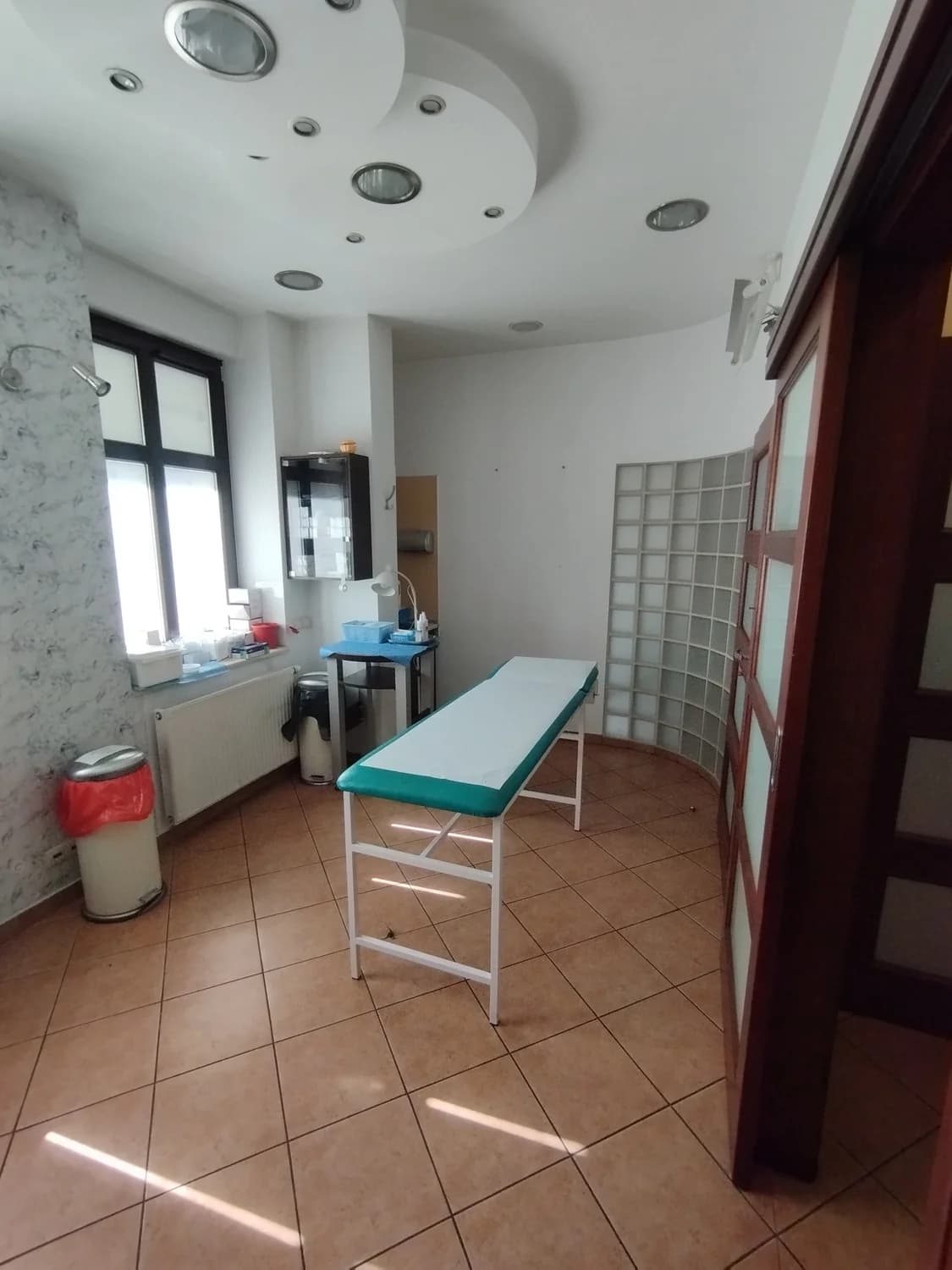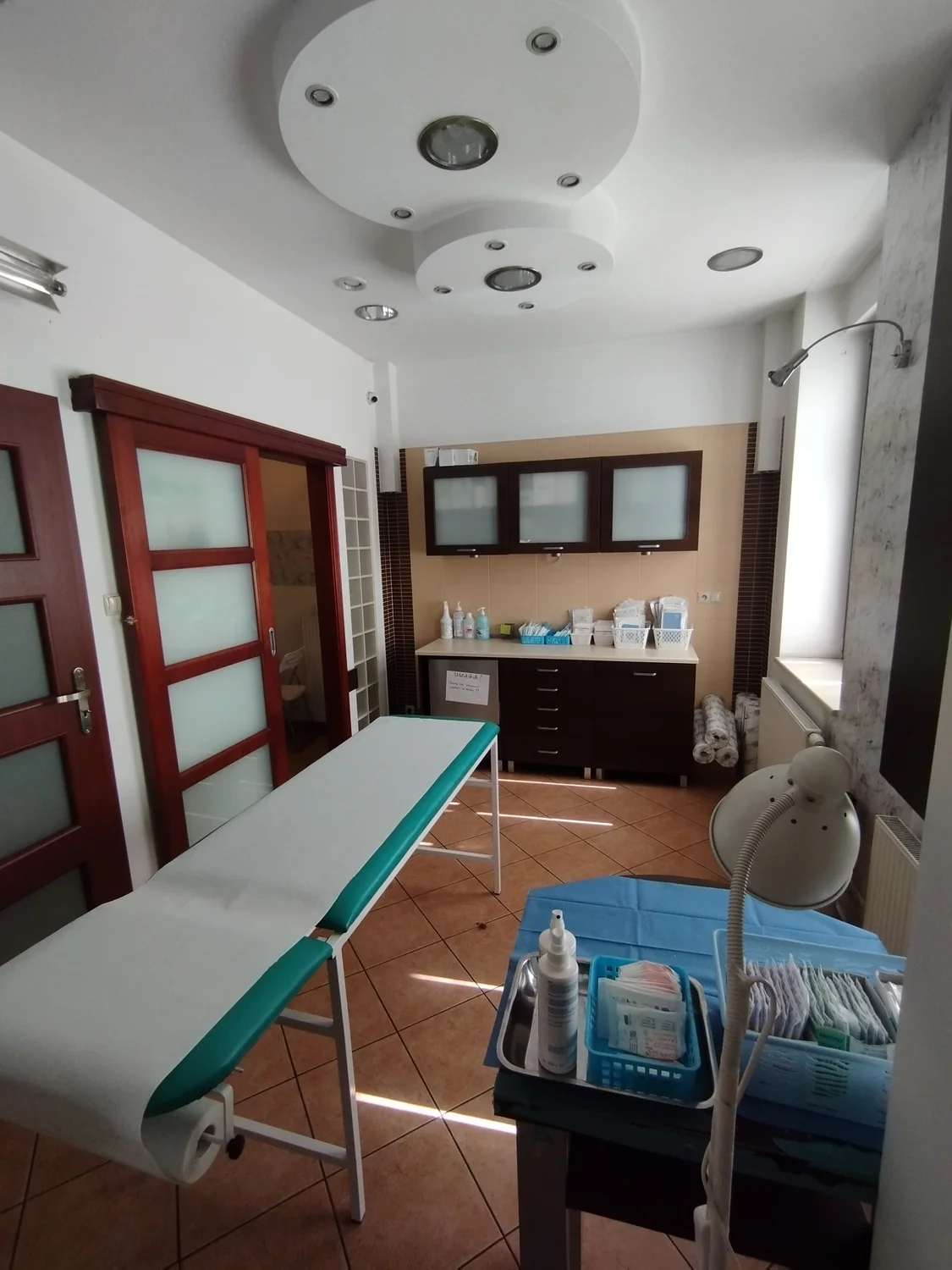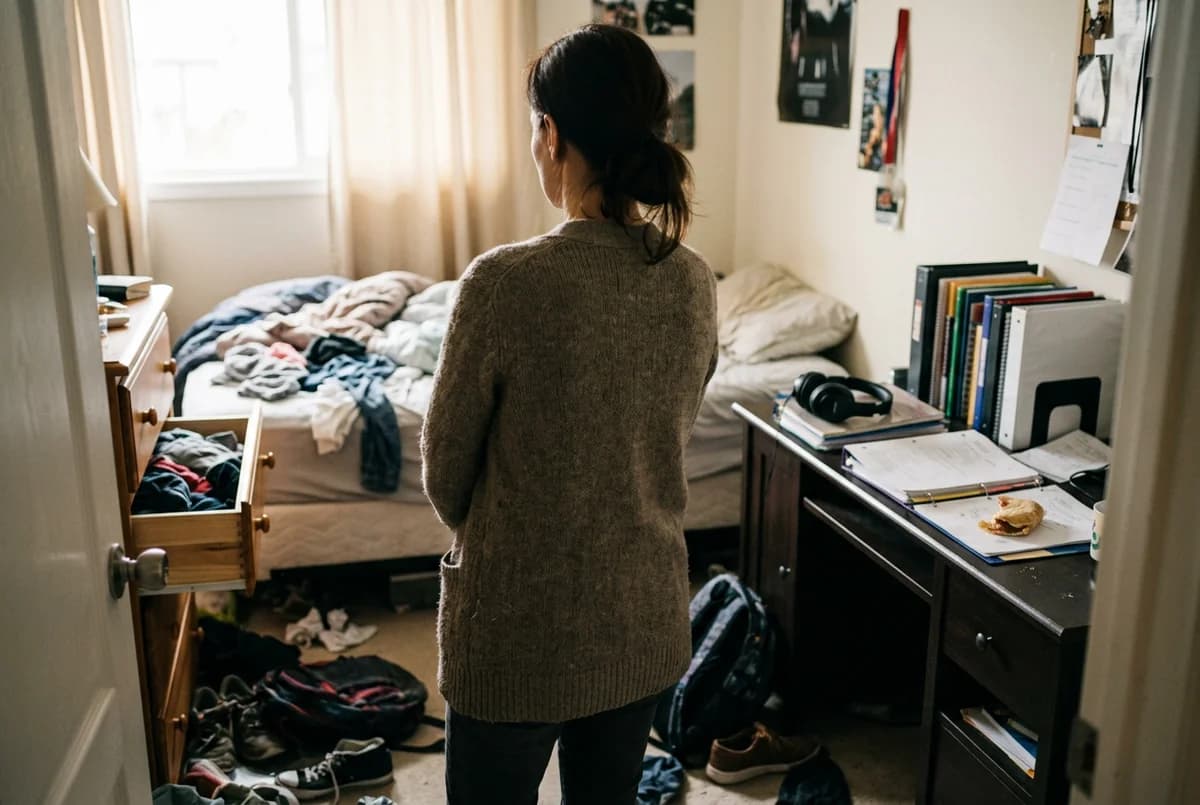


What is drug addiction treatment in Szczecin?
Treating drug addiction is planned help spread over months, meant to bring an addicted person to lasting abstinence and a return to ordinary life: work, home, relationships with those close to them. It is not about merely stopping the drug, but about changing the situation that previously led to use, which is why we work with the whole patient and not only with the addiction.
The most common misunderstanding is confusing treatment with detox. Detox, the cleansing of the body, interrupts the drug's action and is usually the first step, but it does not change what pushed the patient towards reaching for the substance. That is why proper treatment only begins after detox. The course of withdrawal itself and the symptoms of the first days are described separately, on the drug detox in Szczecin page.
We build the plan individually, after a consultation and an assessment of the patient's health, and we run it fully privately, without a contract with the National Health Fund.
Why do the doses keep getting larger?
Why do you need to take more over time to feel the same thing? Almost everyone who has become addicted asks themselves this question. The answer has nothing to do with character or a lack of willpower. Addiction is a brain disease, recognised by the World Health Organization and by the medical associations that treat addiction, and it follows the same rules as diabetes or hypertension.
The brain has a reward system that switches on when we do something good for survival: we meet someone close to us and feel warmth and safety. Dopamine is released at that moment. A drug triggers exactly the same mechanism, only far more strongly than any meeting or conversation. The brain remembers that the substance gives more than anything natural and starts to reorganise itself around it.
Where the growing doses come from
This is exactly where the answer to the question about growing doses lies. With repeated use the brain adjusts and dampens its own receptors, as if trying to balance out the excess of stimulation. Ordinary pleasures, meeting a friend, the feeling of warmth at home, stop being as enjoyable as before. To simply feel normal, more and more of the substance is needed, because the brain has grown used to a much stronger signal.
At the same time the part of the brain responsible for planning and holding back impulses grows weaker, so willpower alone is not enough. On top of this comes the memory of associations: a place or a time of day when the drug was usually taken can trigger the craving on its own. Someone may pass that same place after months of abstinence and feel a sudden impulse before they even have time to register what is happening.
This is a chronic condition, but one can learn to live with it, just as with other illnesses that stay with a person for years. Treatment is not about simply stopping and trying harder, but about rebuilding the reward system and learning new responses to old signals. That is when growing doses stop being the only way to feel normal.
Why does the next stage not look like a procedure?
Detox has an address, an hour and an end. You can picture it, put it in the calendar and tell the family when it will be over. The stage that follows has none of these features. It is not an event but a routine spread over months, and decisions about events are made incomparably more easily than decisions about routines.
This accounts for much of the drop-out from treatment right after withdrawal. A conscious decision to quit is rarely behind it. More often the patient leaves without anything to hold on to: without a picture of what is supposed to happen next, and without a measure by which to tell that anything is moving forward.
That is why the first thing we settle in Szczecin is exactly that shape. Not a single visit, but a rhythm: how many meetings, at what intervals, and when the first plan review falls, meaning the moment when we sit down and check whether the arrangements work at all. A routine that has countable points and a set review date can be planned much like a procedure.
What fills the time between one visit and the next?
A week has one hundred and sixty-eight hours, and a therapy session takes one of them. All the rest of treatment happens outside the consulting room. A visit is therefore not the treatment itself, but the point at which we check and correct what the patient does between one and the next.
Psychotherapy serves exactly this. It is not a conversation about the past held for its own sake, but work on what the patient will do in a specific situation that previously ended in use. What the individual forms of work involve and what the meetings themselves look like is explained on the addiction therapy page.
Four things between visits
In practice, four things fill the time between visits:
- Identifying risky situations - the specific places, times of day, people and states after which use previously appeared.
- A ready plan for those situations - agreed in advance and in calm conditions, not assembled at the moment when things are already hard.
- Testing the plan in a real week - only then does it become clear which part of it cannot be carried out.
- Bringing the result to the visit - including what did not work, because that is the material we work on.
A patient who attends regularly but does nothing between visits usually stands still despite being present at every meeting. Attendance alone is not enough, because the work that produces an effect falls on the remaining days of the week.
What is agreed at the start in Szczecin so the plan survives?
Whether treatment lasts to the end is usually decided not by its content but by the structure adopted at the very beginning. The order of work is similar for most patients, from assessment through stabilisation and psychotherapy to maintaining the change, but the pace is not, which is why we do not state a number of months in advance. Instead of promising an end date, we set a review date and decide there whether we move on or stay at the current stage.
At the start we settle four things, and they decide whether the plan survives the first difficult weeks: how often we see each other in the first period, who leads the treatment and whom the patient turns to between visits, when the plan review falls, and what we do when a visit is missed.
The last point tends to be disregarded, yet it is purely practical. A visit will be missed sooner or later, because of work, illness or simply a worse week. If nobody has agreed in advance what happens then, a missed meeting starts turning into a missed month, because returning then requires a separate decision. If it has been agreed, it is an ordinary change of date and nothing more.
When a residential stay comes into play
Some patients need, at some stage, conditions that outpatient treatment does not provide, for example a longer break from their current environment. We then talk about a residential stay and about when it makes sense; what such a stay involves is described on the addiction treatment centre page.
Once the patient is stable, some sessions can be held online over video, so that travelling does not become a reason to drop out. The first appointment and the work during the hardest weeks happen in person.
What happens when the plan is broken?
A plan never covers the whole week. It covers a certain set of situations that could be foreseen and to which the patient has a prepared answer, and outside that set there remains the rest of life, including hours nobody thought of During the visits. A break in abstinence happens almost always right there, in the place the plan did not reach.
That is why, with this way of working, a relapse shows above all how far the arrangements reached and where they no longer did. It is not a judgement on the patient or a verdict on the treatment. It is useful information, because that boundary can be moved, and one day does not annul the months worked out earlier.
In practice, after such an event we widen the reach of the plan instead of tightening the requirements across the board. Tightening usually achieves nothing, because the patient was doing what had been agreed anyway; the problem lay outside the arrangements. Widening means taking that one uncovered situation and writing it out just as precisely as the others: what specifically happens in it, what is possible to do in it and what the patient needs in order to do it.
Where does help from relatives end?
Since treatment takes place mainly outside the consulting room, the family is present for most of it. This gives relatives real influence and at the same time puts them in an uncomfortable position, because presence very easily turns into supervision.
What helps most is being a person you can talk to about a worse week without immediate consequences. What helps least is checking up and holding to account, because it moves the conversation about relapse out of the family's reach at exactly the moment when it is most needed. Relatives can set their own conditions and say what they will not agree to. What they cannot do is carry out for the patient the work that falls in the time between visits.
It is also worth knowing where the legal options end. For an adult addicted to drugs there is no path of court-ordered treatment such as some families know from the alcohol problem. Treatment requires their consent, and the role of relatives ends at bringing them to the moment when that consent appears.
Families in Szczecin's registers
The statistics show clearly, incidentally, how small a share of families reaches any register at all. In 2024, social assistance granted support on grounds of drug addiction to 56 Szczecin families, against 45 in 2017. Per hundred thousand inhabitants this gives 14.5 families in Szczecin itself, 15.5 in the counties surrounding the city and 18.6 in the whole voivodeship, meaning the largest city in the region has the fewest such cases. This register does not count addicted people. It counts families in which addiction coincided with a situation qualifying for social assistance, and these are two different things (Statistics Poland, Local Data Bank, data for 2017-2024).
What do the statistics say about drugs in Szczecin?
Szczecin is a special case in public statistics, because the Szczecin subregion does not include the city itself. It is made up of seven counties lying around it. Thanks to this the city can be compared with its own neighbourhood rather than with a bag it sits inside.
In the police register the difference is clear. In 2024, 1,116 offences under the Act on Counteracting Drug Addiction were recorded in Szczecin, that is 288.6 per hundred thousand inhabitants. In the surrounding counties there were 680 of them, that is 135.5 per hundred thousand, more than twice as few, even though the city boundary is crossed in a dozen or so minutes and in practice we are talking about the same market. Earlier years follow a similar pattern: 1,259, 1,144, 991 and 895 events in the city in 2020-2023 (Statistics Poland, Local Data Bank).
The second register, the one described above, places the same city on the opposite side, because there Szczecin has fewer cases than its neighbourhood. Two registers concerning one city point in opposite directions, because they measure different things. The police one shows where the services work and where it is dense with people; the social assistance register shows where addiction coincided with poverty. Neither of them is a counter of people using drugs, and neither implies that the problem in Szczecin is bigger than just next door.
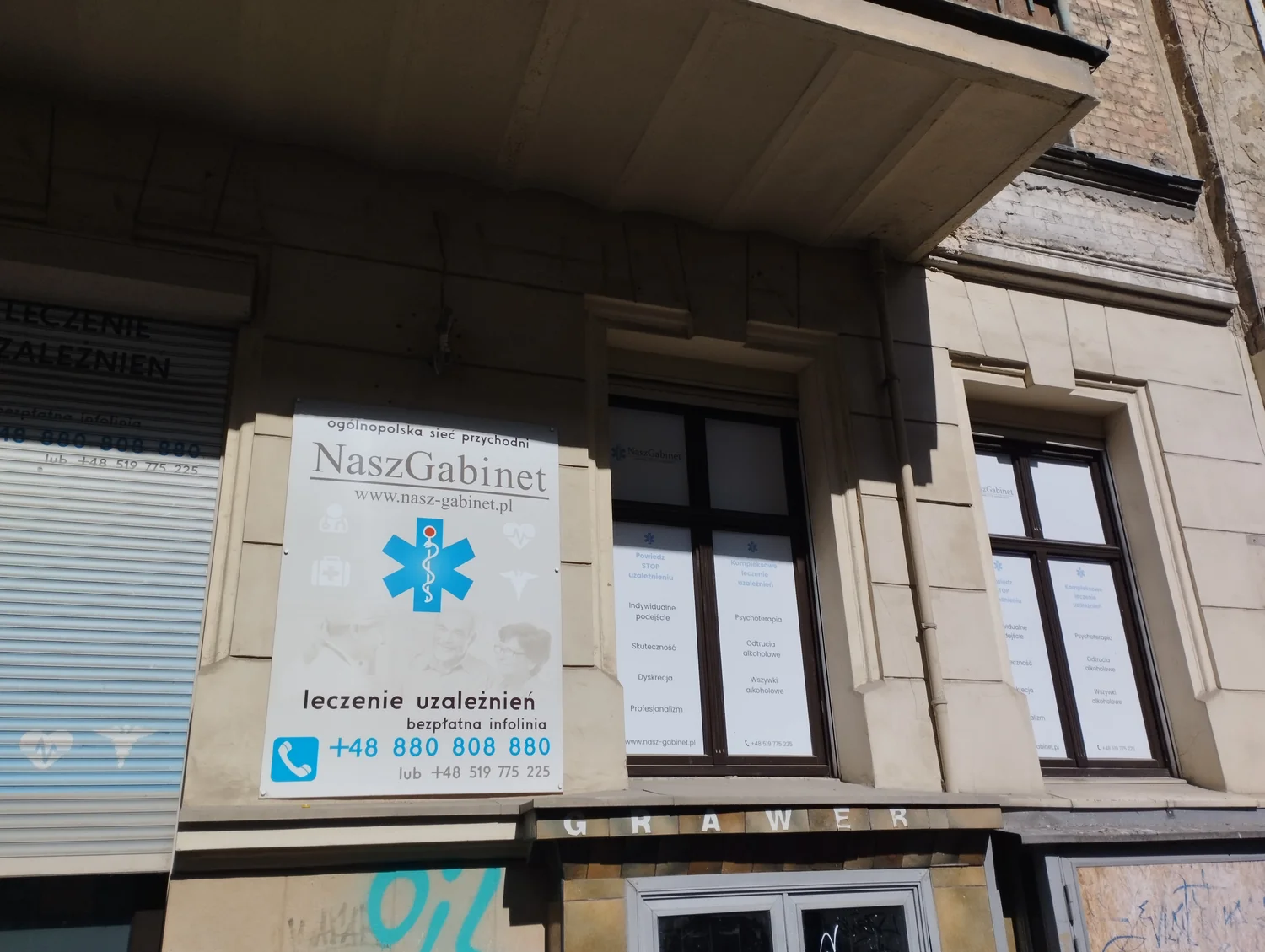
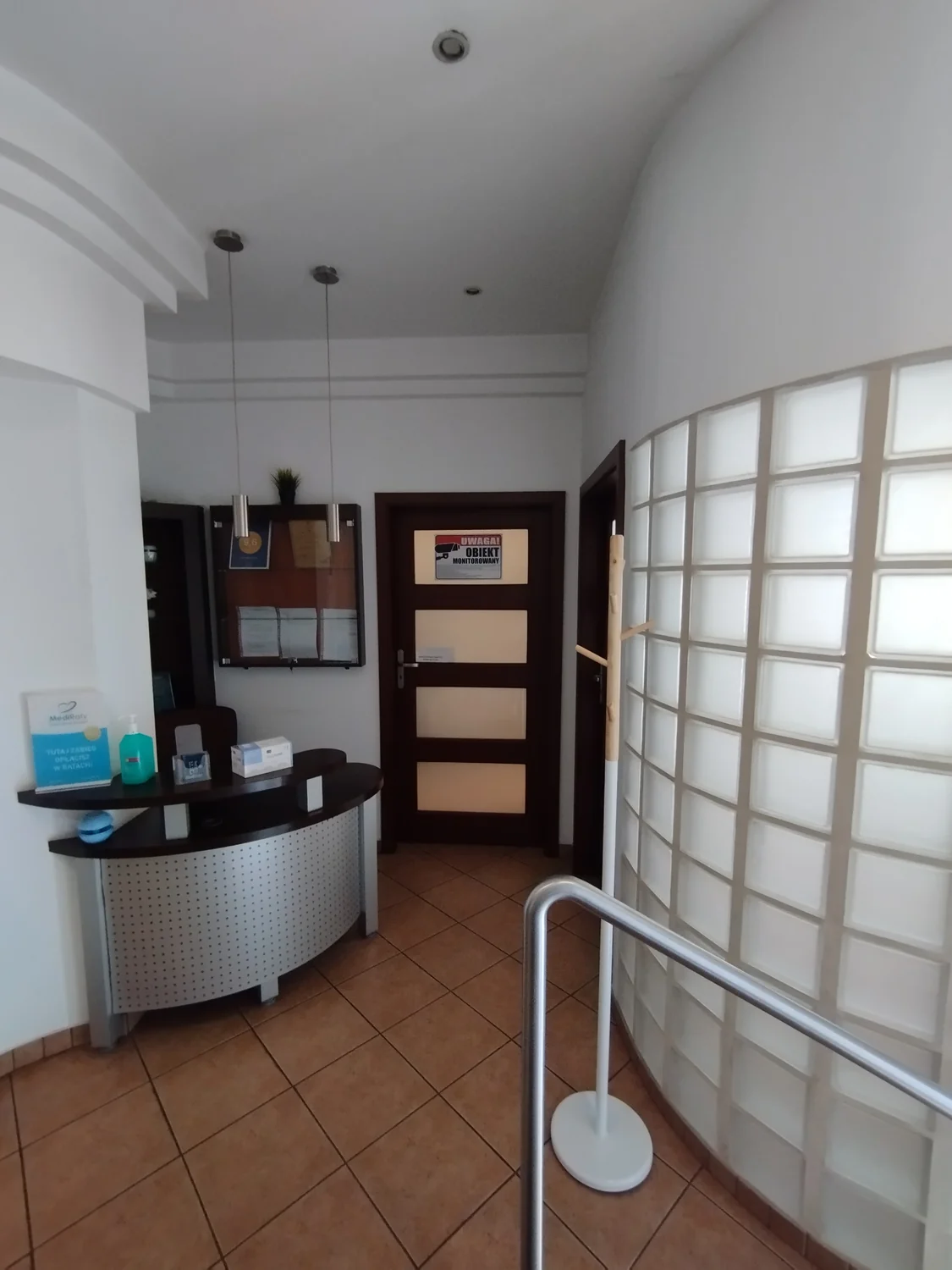
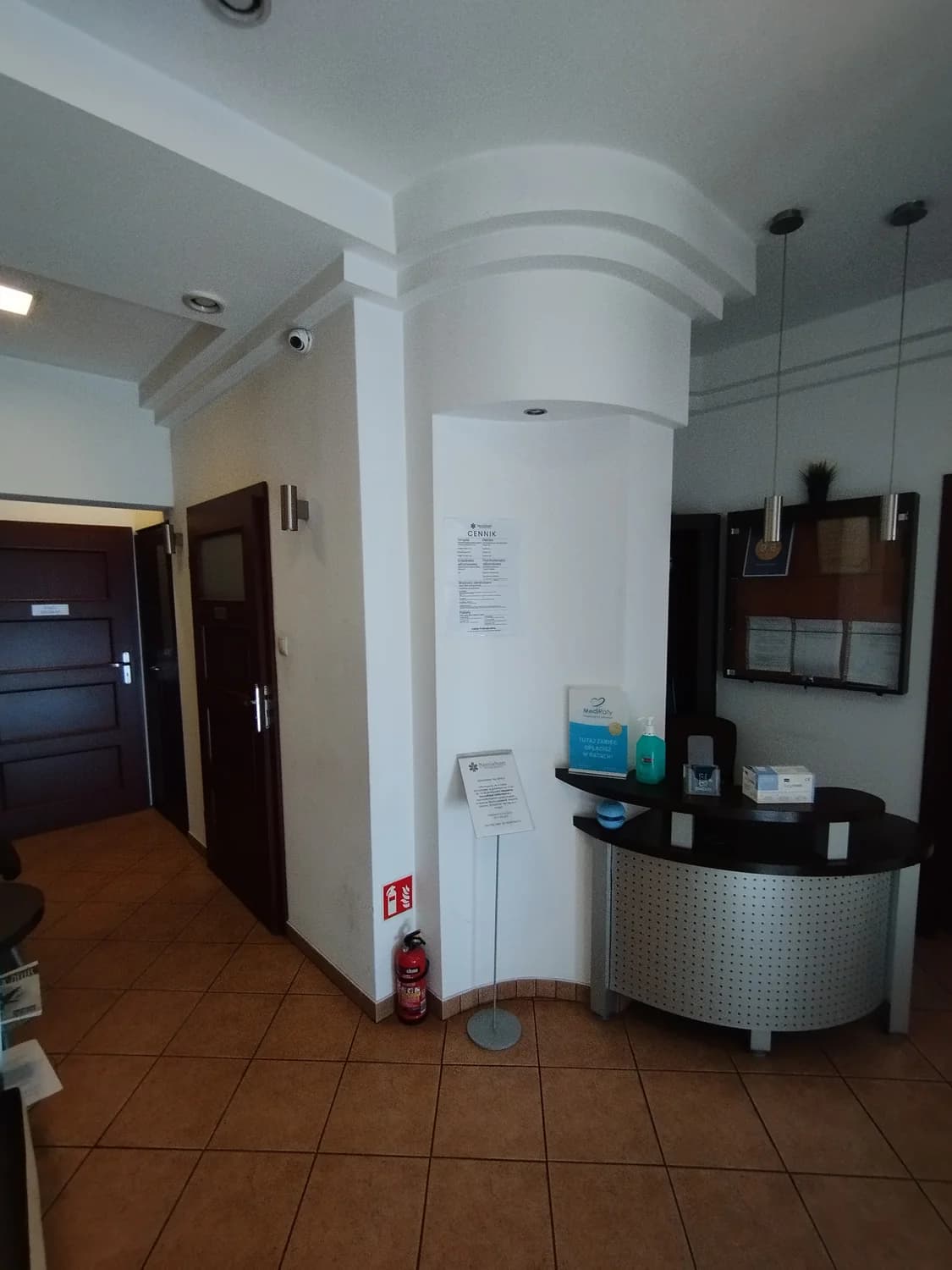
For the patient there is a practical conclusion in this. People from both sides of that boundary come to the practice at Bohaterów Getta Warszawskiego 16/2, and treatment spread over months has to fit into their ordinary week, which is why we set the rhythm of visits around a real timetable, not around a template. If the problem concerns prescription medicines, the right path is medication addiction treatment. You can arrange a date and the terms through contact.