

What the anti-alcohol injection is and why it is not the implant
When you look for help for a loved one, the phrase anti-alcohol injection leads online to two completely different medicines. It helps to know from the start which one we use. At our Szczecin clinic we give extended-release naltrexone, sold as Vivitrol, and not the disulfiram known from the implant.
Depot naltrexone is a different medicine than disulfiram
The implant relies on disulfiram, which works by deterrence: after alcohol it triggers violent, unpleasant symptoms, and the fear of them is meant to keep a person away from the glass. Naltrexone comes from a different family of medicines, the opioid receptor antagonists. After drinking it triggers no violent reaction and no unpleasant effects. Instead it cuts off part of the pleasure that alcohol used to give, which is why your loved one usually does not even feel the medicine working.
How naltrexone quiets alcohol craving
The urge to drink comes from a reward system built on opioid receptors. Naltrexone blocks these receptors, so the next glass gives less than it used to, and the nagging thought of alcohol loses strength from week to week. This matters, because for many families it is exactly this relentless craving that lies at the heart of the problem. The medicine is not addictive and leaves no symptoms after it is stopped, because it stimulates nothing, it only dampens.
Why a single dose lasts a month
The month-long action comes from the very form of the medicine. Naltrexone is enclosed in microspheres, tiny beads that dissolve slowly in the muscle and release the substance over the following weeks. This removes the daily watch over a tablet, which at home often becomes a quiet war anyway. One injection covers the whole month at once, and your loved one does not have to make the decision anew every morning.
Injection, implant or tablets: what to choose for a loved one
Families ask us this most often on the very first call: would it not be simpler to reach for the implant or for tablets. Before a decision is made, it is worth setting the three methods side by side, because more divides them than meets the eye.
Three ways of working: deterrence, blocking the craving, a daily tablet
The disulfiram implant sets a barrier of fear in the body: after alcohol comes a dangerous reaction, so the person does not drink because they fear it. Naltrexone in an injection works the opposite way: after drinking it causes no unpleasant effects, it only takes away the reward and quiets the craving. Naltrexone in tablets is the same substance, but taken on one's own every day. If you are looking for a hard barrier after drinking, we describe it separately on the page about the alcohol implant in Szczecin.
Why the injection takes away the pressure of daily discipline
The injection's greatest advantage is that it does not demand daily discipline. A tablet is easy to skip on a worse day, and worse days are exactly the ones that prove decisive in drinking. One dose covers the whole month, so the daily flashpoint between family members disappears. The implant, too, works without daily watching, so what decides between these two routes is not convenience but how the medicine is meant to work.
Injection, implant or tablets: why the doctor decides
None of these three paths is best for everyone. What decides is the drinking history, coexisting illnesses, the medicines being taken and what the loved one fears most. That is why the doctor chooses the method together with the patient at the assessment, not a website or a family council at the kitchen table. This lifts from the family the burden of making a medical decision alone.
How to book an assessment in Szczecin and what happens at the visit
The whole path begins with an assessment, because the doctor decides on giving naltrexone, not the patient's wish or the family's request. The injection is not a procedure on demand, and without an honest assessment of health we simply do not perform it.
From a loved one's call to the first visit
One phone call to our Szczecin clinic is enough to book an assessment, and often it is the loved one who takes this first step. The patient can come to the visit alone or with someone from the family, as they prefer. If they come in during an active binge or with withdrawal symptoms, we first refer them for alcohol detox in Szczecin, and we return to the assessment once the body is clear.
What the doctor asks at the assessment for the injection
At the first visit the doctor gathers the drinking history, earlier treatment attempts, chronic illnesses and a full list of the medicines being taken. Separately they ask about mood, because in people who drink, dips in mental well-being appear more often. The heart of the conversation, though, is one question, about opioids. Naltrexone and opioid medicines rule each other out, so the doctor must know about every such preparation, from strong painkillers to substitution treatment.
Naltrexone safety and the contraindications the family must know
Naltrexone is a well-known and well-studied medicine, but it has limits that must not be passed over in silence at the assessment. That is why the patient and their family hear the whole list of risks from me before the first dose, not after the fact.
Why a drop in opioid tolerance can be life-threatening
I discuss this warning the longest, because it concerns life. During treatment the body loses its habit of opioids and becomes far more sensitive to them, and this sensitivity does not return to normal right after the last injection. If someone were to try to break through the block with a larger dose during this time, or went back to the amount from before treatment, they risk respiratory arrest, which can be fatal. The rule is firm: for at least 30 days from the last dose no opioid medicines whatsoever, and it is worth carrying information about taking naltrexone in case of sudden injury or surgery. I repeat this passage to the family separately, because it is the family who is often beside the patient in a crisis.
What side effects naltrexone causes
The most common adverse effects are mild and pass: nausea, headache, drowsiness, muscle and joint aches. At the injection site there may be tenderness, a lump or swelling, and quite exceptionally a change that a surgeon should assess. We watch two things more closely than the rest: liver function, because jaundice, dark urine or abdominal pain is a signal to get in touch quickly, and mood, which in people who drink can dip.
Who must not be given naltrexone
Beyond that, there are conditions that close the way to the injection entirely. We will not give naltrexone to a patient who:
- takes any opioids, from opioid painkillers to substitution treatment,
- has acute hepatitis or severe liver failure,
- is currently going through withdrawal symptoms, that is, a withdrawal syndrome,
- is pregnant,
- tolerates naltrexone itself poorly.
A planned procedure that will need opioid painkillers calls for separate consideration. This list makes the assessment a real safety filter for us, not a paper formality before the dose.
Giving the injection in Szczecin, the every-4-weeks rhythm and the length of treatment
The day of the dose sounds more serious than it looks, because it comes down to a single shot. Families usually ask about three things: what the injection itself is like, how often the doses come back and when treatment ends.
How giving naltrexone goes at the clinic
Just before the dose the doctor once more goes through a short checklist: they check that the patient has not taken opioids, that there is no jaundice or withdrawal symptoms, and that no procedure awaits them that would need opioid painkillers. In this time the preparation reaches room temperature. Then 380 mg goes deep into the gluteal muscle, and at each subsequent visit we switch to the opposite side. The whole thing takes a moment and needs no preparation at home.
How often the injection dose is repeated
One dose lasts roughly 4 weeks, so the following injections fall every month. Towards the end of this window the medicine weakens, which is a further reason not to drag out the date. When the day of the dose shifts, we give the next dose as soon as possible, but no sooner than after 4 weeks and no more than 380 mg at once. Such a monthly rhythm fits calmly into a calendar.
How long treatment lasts and what the studies say
There is no single number to answer how long the whole treatment will last. The manufacturer's information imposes no framework, and scientific societies usually point to half a year or longer. In practice what decides is whether the patient keeps abstinence and how they tolerate the successive doses. I give the data from studies as a reference point, not as a guarantee. In Garbutt's 2005 study, described in the journal JAMA, the 380 mg dose was linked with about 25 percent fewer heavy-drinking days than with placebo. A later analysis of seven studies from 2022 pointed to a greater benefit with treatment longer than three months, with the authors' caveat that the data cover at most six months. Naltrexone shows its full potential only together with therapy.
The anti-alcohol injection in Szczecin and the road to the first conversation
The naltrexone injection does not work in isolation from what is happening in the city. It is easier to understand who will benefit from a planned, doctor-led path when you look at how the people of Szczecin reach treatment in the first place. The figures from the city prevention programme add up to a telling picture.
How many people of Szczecin come to a first therapeutic conversation
In the city's addiction prevention work, the number of people with whom initial therapeutic conversations were held is rising: from 1 715 in 2019 to 2 723 in 2022, that is by nearly 60 percent. In the same period the number of people ending up in the city's sobering-up station fell from 5 172 to 3 045. These two curves run in opposite directions, and that is good news: more and more people are trying to start with a conversation, not with another night in the station.
Why the first step is the hardest for the family
Behind that first step there is usually someone's family. In 2022 the municipal commission in Szczecin invited 935 people to a motivational conversation, and 299 came, roughly one in three. This gap shows well where the difficulty really lies: not in the treatment itself, but in getting the loved one to sit down for a conversation at all. When that moment does come, it is worth having a concrete proposal ready, not just a plea to stop drinking.
Where the naltrexone injection fits on this road
The anti-alcohol injection is not a separate path alongside therapy, but one of its tools. It works for someone who has had enough of the daily fight with the thought of a drink and is looking for a solution with a clear medical assessment. For the family it can be that tangible plan that makes it easier to approach the loved one. That is why we treat it as a part of treatment, not a quick procedure from an advert: the doctor decides on the dose anyway.
Where in Szczecin to book the injection and how the family can help
In the end the most practical question remains: where exactly to begin. The answer is simple, because the whole path starts with one step, which is often taken by the loved one.
How to book an assessment for the injection in Szczecin
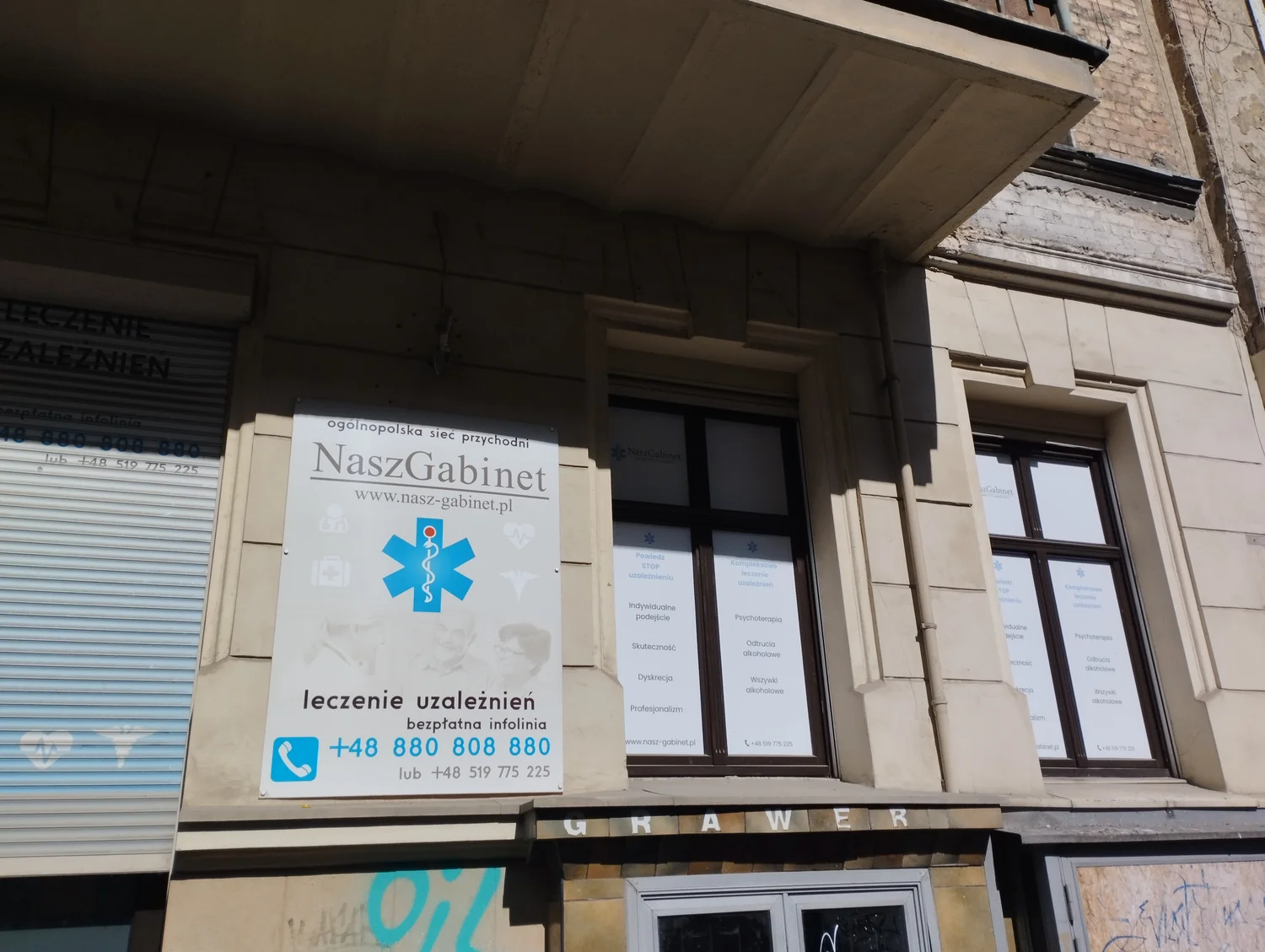
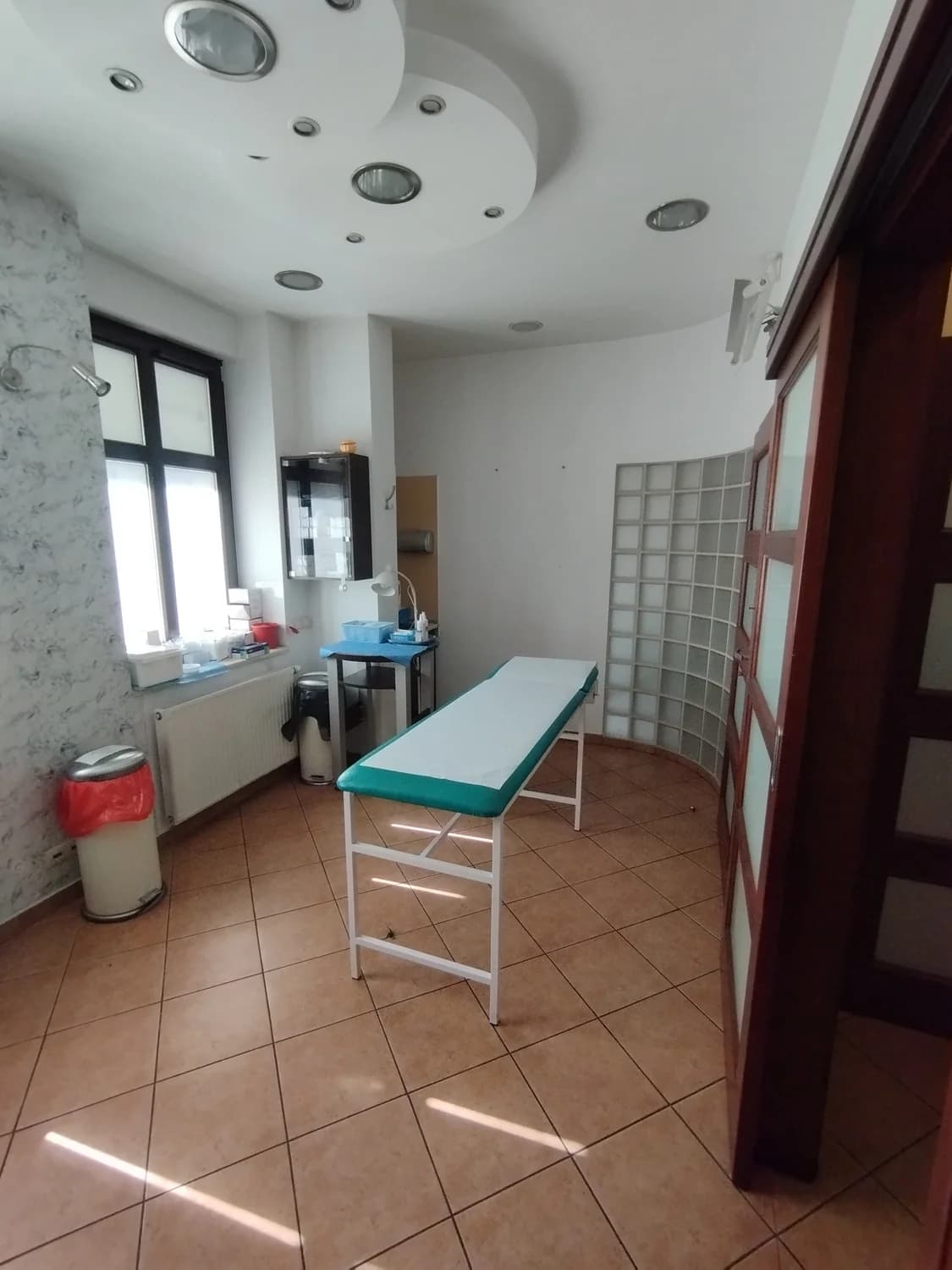
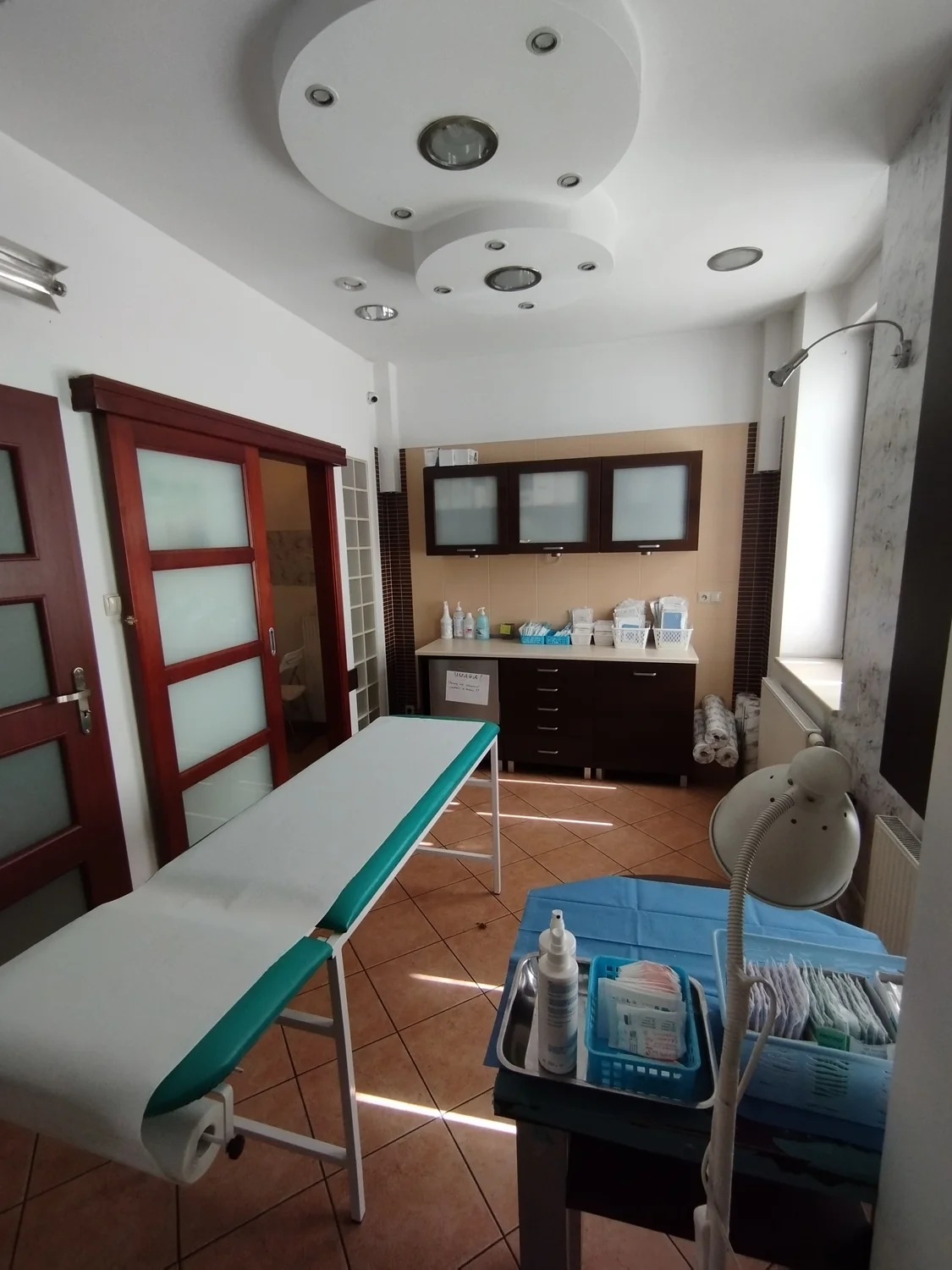
It is enough to call 880 808 880 and book an assessment at the clinic at Bohaterów Getta Warszawskiego 16/2. No referral is needed. Because the medicine alone rarely suffices, from the start we combine it with addiction therapy in Szczecin, and in more severe cases with full alcoholism treatment in Szczecin.
What a loved one can do
The family will not give the medicine or go through the assessment for the patient, but they do the hardest thing: they help take the first step. You can call and ask about the details, come to the visit with your loved one, keep an eye on the dates of the next doses. We do not, however, urge anyone to bring a person to the clinic by force. Naltrexone works best when the patient wants to try on their own, and the role of the family is rather to make this decision easier than to force it.
Why we do not give the price over the phone
We do not give a single figure upfront, because it is made up of several separate items: the consultation, the cost of the medicine and the dose itself with the later visits. Only after the assessment is it clear which of them will be needed, so any number thrown out earlier would be guesswork. We therefore present the full quote after the first visit, calmly and in writing.