

What the anti-alcohol injection is and how naltrexone works
Let us start by separating the terms, because online the name anti-alcohol injection is sometimes attached to two different things. The injection we are talking about here is extended-release naltrexone, sold under the trade name Vivitrol. It is a completely different drug from disulfiram, which is implanted under the skin, and it is exactly this difference that shapes how the treatment looks.
How naltrexone quietens the alcohol craving
Naltrexone is an opioid receptor antagonist. It blocks the places in the brain through which alcohol brings a feeling of pleasure and relief. As the reward from drinking weakens, in time the alcohol craving also quietens, that persistent urge to reach for a glass. The drug causes no violent reaction after a drink and is not addictive. This is an important difference, because the implant works in exactly the opposite way, through fear of a toxic reaction.
What extended release of naltrexone means
Extended release means that the drug is sealed inside microspheres and escapes from them slowly. Thanks to this, a single injection works for about a month, and the patient does not have to remember a daily tablet. The same naltrexone in depot form is also used to prevent relapse in opioid dependence, but in Kraków we are interested above all in its role in treating alcoholism.
How the naltrexone injection is given
The 380 mg dose is given as a deep intramuscular injection into the buttock, once every 4 weeks, and it is always done by medical staff. Naltrexone, however, is not a stand-alone cure. It works best as part of treatment that also has room for therapy and the support of loved ones. The injection alone does not settle the matter on the spot, which is why we treat it as one element of a plan.
Anti-alcohol injection, implant or tablets: comparing the methods
The most common patient question is put plainly: which to choose. In the pharmacological treatment of alcoholism three different approaches meet, and each of them works in a different way.
- The naltrexone injection weakens the pleasure of drinking and quietens the craving; a single dose works for 4 weeks.
- The disulfiram implant deters with a violent reaction after alcohol; the surgical procedure is repeated every few months.
- Naltrexone in tablets is the same substance as the injection, but taken daily.
The naltrexone injection versus the disulfiram implant
The biggest difference lies in the mechanism itself. Disulfiram from the implant deters: after alcohol it produces a violent and dangerous reaction, so drinking stops being an option. Naltrexone works the other way round. It causes no unpleasant effects after alcohol; it simply extinguishes the pleasure of drinking and gradually quietens the craving. The interval between doses is different too: the disulfiram implant is placed surgically roughly every eight months, while the naltrexone injection is given every 4 weeks. Anyone who wants to look into the implant itself will find the details on the page about the alcohol implant in Kraków.
The injection versus naltrexone in tablets
Naltrexone tablets contain the same substance as the injection, but they have to be taken daily. For some people this is an advantage, because the drug is cheap and easy to get. For others the daily decision to swallow a tablet turns into a weak point, especially on a worse day. The injection lifts that burden, because a single dose works for the whole month.
Who decides on the choice of method
No method is better for everyone. The choice depends on the history of drinking, co-existing illnesses, the medicines being taken and what matters most to the patient. Someone who dislikes the thought of a surgical procedure will look at the injection differently from a person who wants a single strong stimulus. That is why the method is decided by the doctor together with the patient at assessment, not by the patient alone on the basis of an advertisement.
Medical assessment before the injection in Kraków
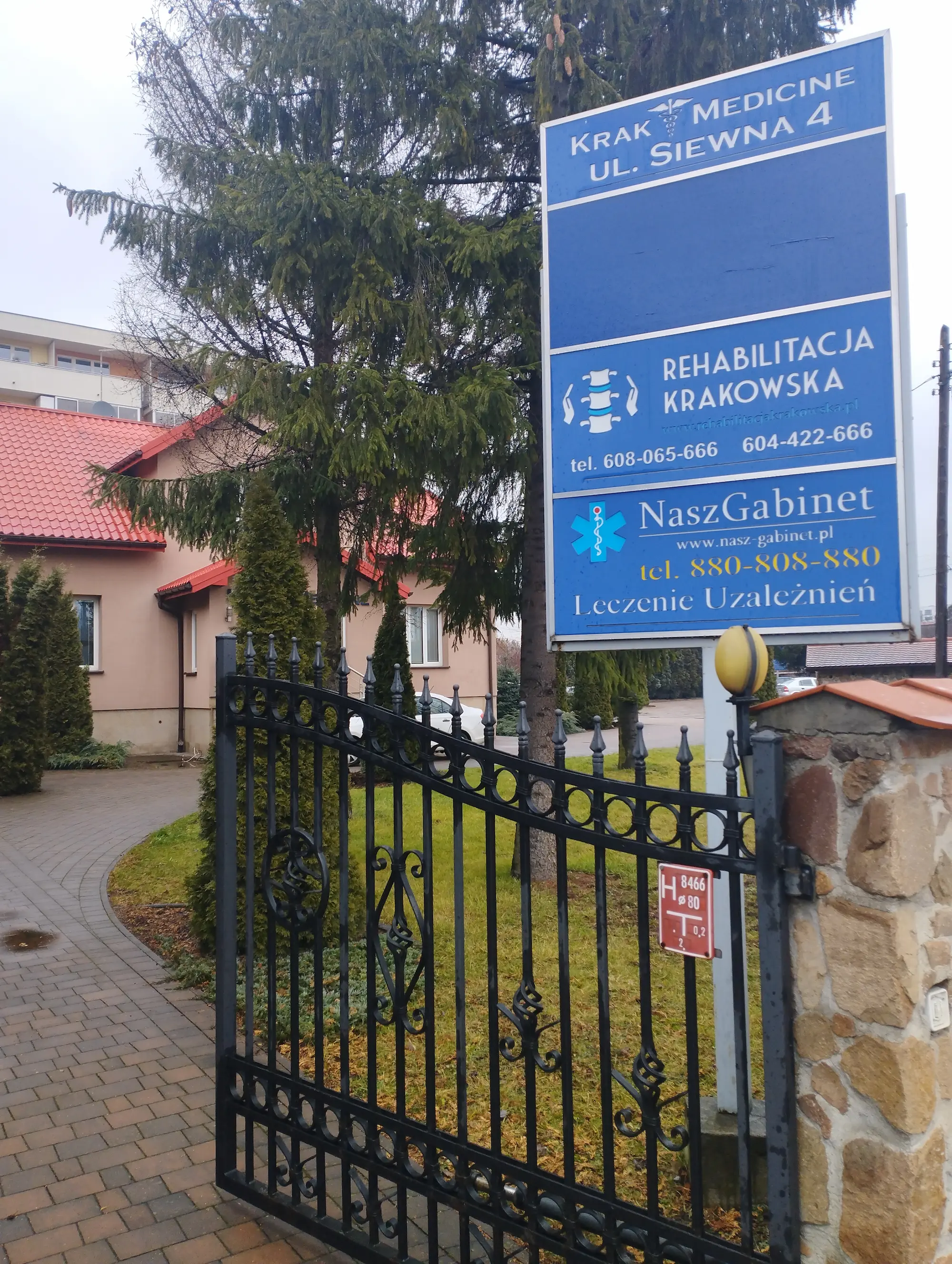
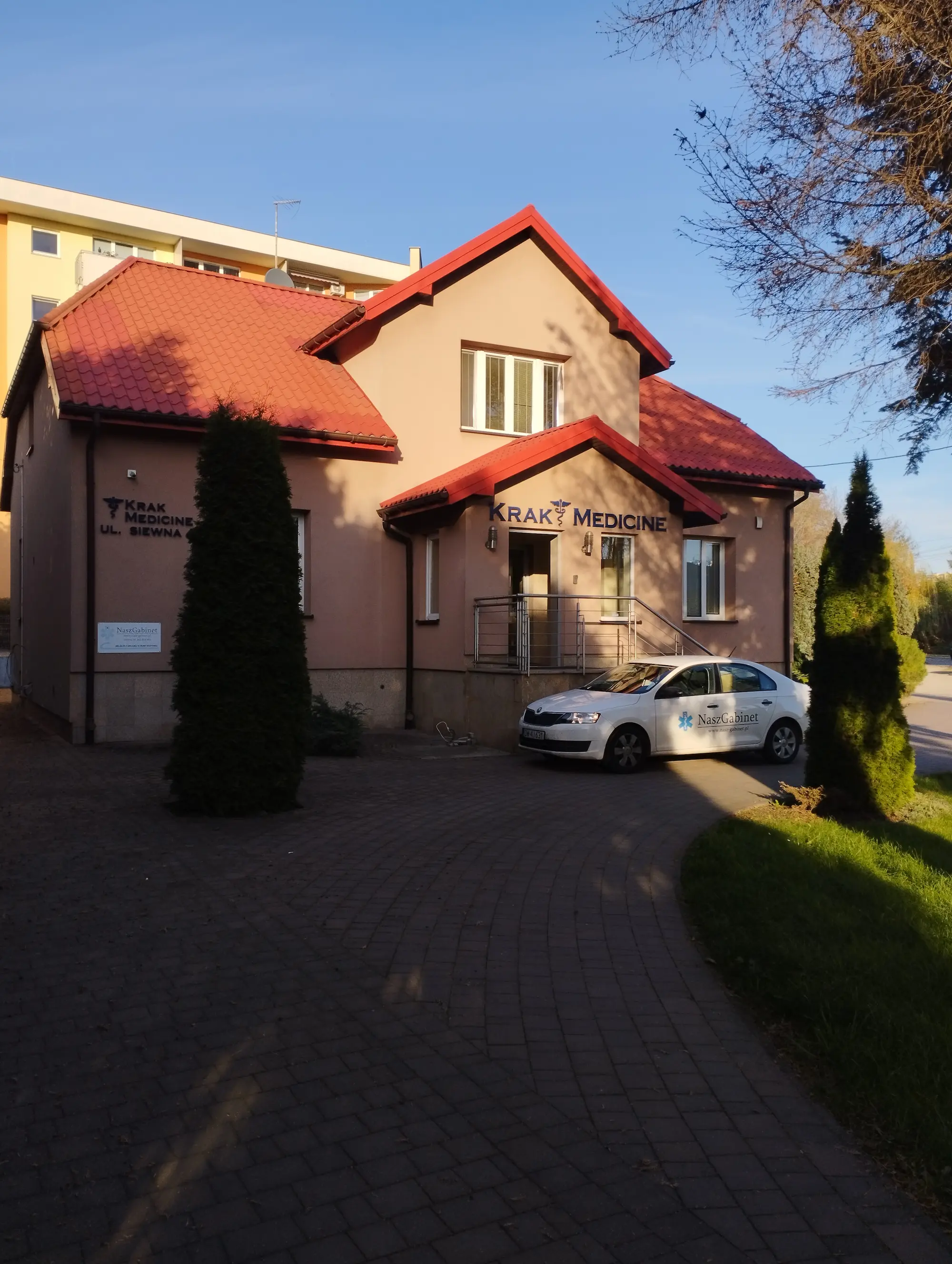
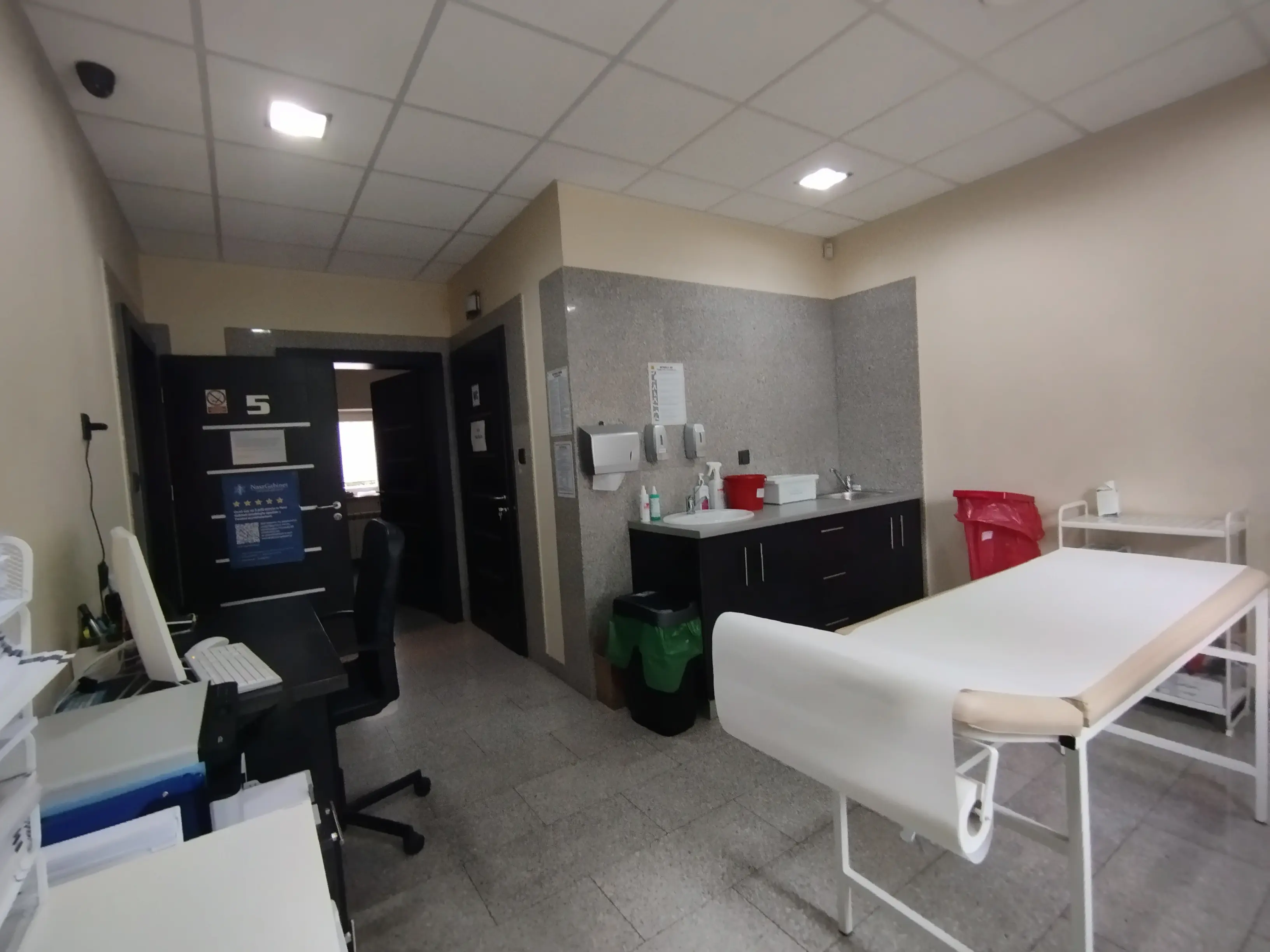
The injection is not given on the spot, and that is deliberate. Naltrexone has its contraindications, which is why treatment begins with an assessment appointment at our practice at ul. Siewna.
The medical interview before naltrexone is given
The doctor asks about the history of drinking, earlier treatment, the medicines being taken and chronic illnesses. It is especially important whether the patient is taking any opioids, because naltrexone and opioids are mutually exclusive. This also covers painkillers and cough medicines containing opioids, as well as substitution treatment. The doctor also assesses mood and mental state, because alcohol often goes hand in hand with low mood.
The conversation about risk and informed consent
Before the patient decides, we discuss the alternatives, the limitations and the risk linked to the loss of tolerance to opioids. This is the moment for questions, including the uncomfortable ones. Only after such a conversation and informed consent do we plan the injection.
When the injection has to be postponed
If the patient is in the middle of a drinking bout or in an active withdrawal syndrome, they first have to be safely detoxified. In that situation we begin with alcohol detox in Kraków, and only then return to assessment for the injection.
How the injection is given and how long treatment lasts
The procedure itself is short, but the day of administration and the length of the whole treatment raise the most questions.
What the day of the injection looks like
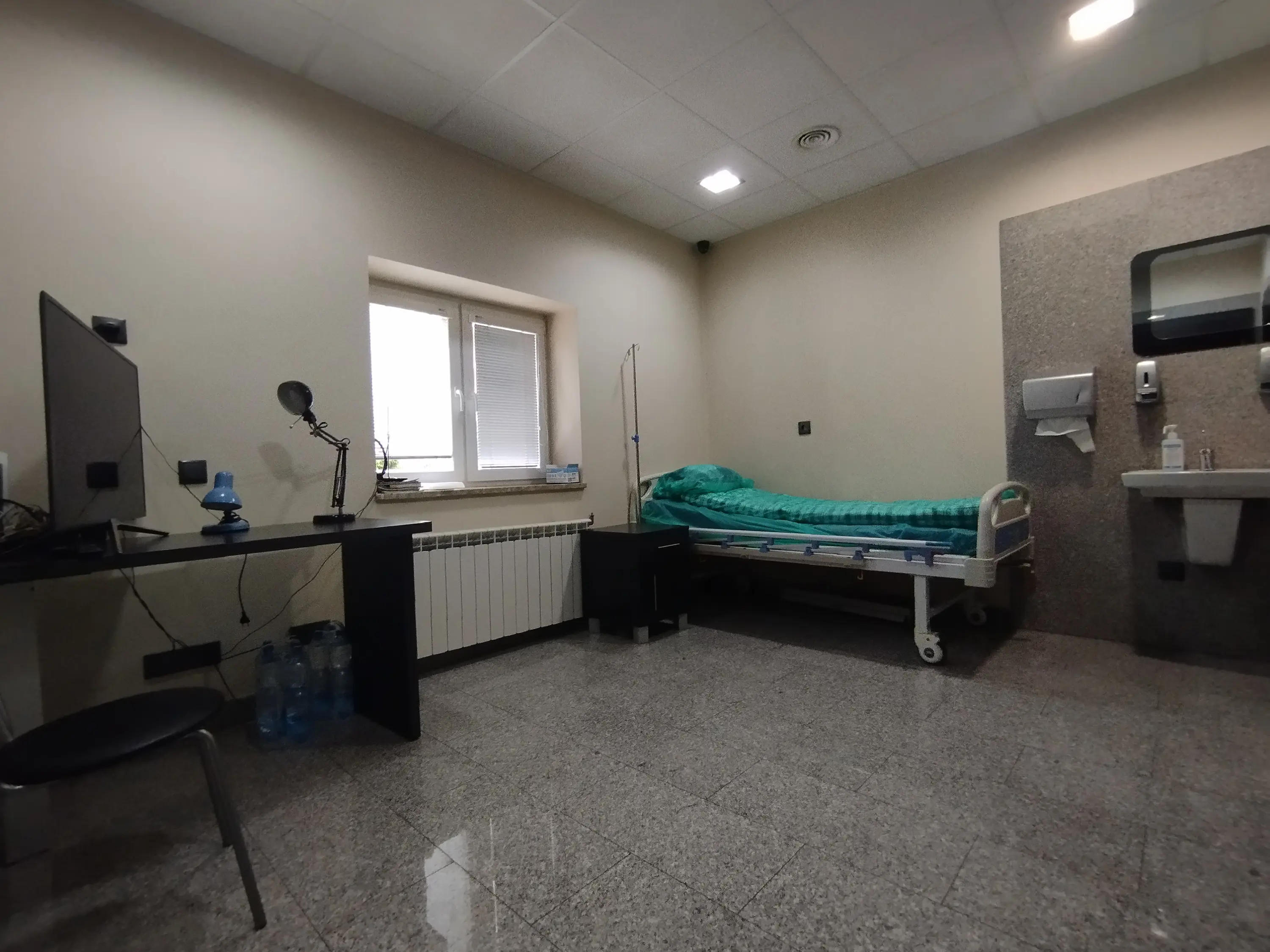
Before every injection the doctor checks safety once more: whether the patient has reached for opioids, whether there are withdrawal symptoms, a planned operation or jaundice. The drug has to be taken out of the fridge beforehand so that it warms up to room temperature, and then the needle length is matched to the person's build, so that the drug reaches the muscle and not the skin. The injection is given deep into the gluteal muscle, alternating sides each time.
How many weeks one naltrexone injection lasts
A single dose is released over about 4 weeks, which is why the next administrations are planned roughly once a month. Towards the end of the cycle the drug's effect weakens, which is another reason not to be late with the next dose. If the date is exceeded, the next injection is given as soon as possible, but no sooner than 4 weeks after the previous one.
How long treatment with injections lasts
There is no single rigid figure here. The drug's manufacturer sets neither a minimum nor a maximum, and the guidelines of various societies usually speak of at least six months. In practice the length of treatment is chosen individually, watching whether the patient maintains abstinence and how they tolerate the drug. In Garbutt's 2005 study, published in the journal JAMA, the group receiving the 380 mg dose showed a roughly 25% greater fall in the number of heavy-drinking days than after placebo. An analysis of seven studies from 2022 suggested in turn that with treatment longer than three months the effect tends to be clearer, though its authors note that the data cover treatment only up to six months. This shows a direction, not a guarantee, because the drug works best together with therapy.
Safety of the injection and the most important contraindications
Naltrexone is a well-understood drug, but like every drug it carries its own risks. The most important of them need to be known before the first injection.
The risk of opioid overdose after the injection
This is the most serious matter. While naltrexone is acting, and also after treatment ends, the body loses its tolerance to opioids. Trying to break through the block with a large opioid dose, or going back to a pre-treatment dose, risks respiratory arrest and death. For at least 30 days after the last injection no opioid medicines of any kind may be taken. That is why the patient should carry information about the treatment, so that in the event of an accident or surgery the doctor knows about it.
Injection-site reactions, the liver and mood
At the injection site pain, hardening or swelling may appear, and very rarely more serious changes that call for a surgeon's help. Naltrexone can also put a strain on the liver, which is why we watch out for jaundice, dark urine and abdominal pain. Among the most common, usually mild, side effects are nausea, headache, fatigue and muscle and joint pain. We keep a separate eye on mood, because in people with an alcohol problem the risk of low mood is greater anyway.
Who cannot have the injection
The injection is not given to people who are taking opioids or are in an active withdrawal syndrome, to pregnant women, or in cases of acute inflammation or severe liver failure and allergy to naltrexone. Caution is also needed with a planned procedure that would require opioid painkillers. This is exactly why we do not give the injection without assessment.
Alcoholism treatment in Kraków and where the injection fits
Kraków has an extensive system of help for people with addictions, but the naltrexone injection holds a special place in it, because it has to be arranged privately.
How much Kraków spends on alcohol problems
The municipal programme for the prevention and resolution of alcohol problems in Kraków has a budget of 29 million zloty for 2023-2026, financed from fees for alcohol sales permits. The largest part of this money goes to prevention, though: in 2022 it absorbed 78 percent of the budget, while 12 percent went to services in addiction treatment. As a result, access to specific pharmacotherapy such as the injection is often something the patient arranges on their own.
Where addictions are treated in Kraków
According to municipal figures, Kraków has 13 addiction treatment clinics, 7 clinics for alcohol addiction therapy and a detoxification ward. The scale of the problem is clear from the Kraków sobering-up station on ul. Rozrywka, which several thousand people pass through every year. In 2022 alone the Municipal Commission for the Resolution of Alcohol Problems saw 733 people during its sessions and referred 363 cases to court for compulsory treatment. Many of these people have already tried therapy and are looking for the extra support that pharmacotherapy can provide.
How to book an assessment for the injection in Kraków
We carry out assessment at our practice at ul. Siewna in Prądnik Biały. A phone call is enough to arrange the date of the first appointment. We treat the injection as part of a broader plan, which is why we also offer addiction therapy in Kraków alongside it and, if needed, full alcoholism treatment in Kraków. The price of the injection cannot be given in advance, because it is made up of the consultation, the cost of the drug and the administration itself. The patient learns the exact quote after assessment.