

What the anti-alcohol injection is and how it differs from the implant
In a search engine the phrase anti-alcohol injection leads to two different medicines, and it is not uncommon for patients to book with us having mistaken one for the other. We give extended-release naltrexone, known under the name Vivitrol. It has nothing in common with the disulfiram from the popular implant beyond the fact that both are sometimes injected.
Extended-release naltrexone, not disulfiram
The disulfiram on which the implant rests works through fear: after alcohol it provokes a violent reaction of the body, and it is that reaction which is meant to hold a person back from drinking. Naltrexone belongs to an entirely different group, the opioid receptor antagonists. It sets off no violent reaction or other unpleasant effects after alcohol. Instead it quietly takes part of alcohol's effect away, which is why the patient usually does not even feel the medicine working.
How naltrexone puts out the alcohol craving
The pleasure of drinking comes, among other things, from a reward system built on opioid receptors. Naltrexone occupies those receptors, so the next glass gives less than it once did, and the nagging thought of alcohol weakens from week to week. The medicine is not addictive and leaves no symptoms after it is stopped, because it does not stir up the reward system, it only dims it.
Why a single injection lasts a month
The month-long effect is decided by the form of the medicine. Naltrexone is sealed in tiny microspheres, which dissolve slowly in the muscle and give up the substance over the following weeks. This does away with swallowing a tablet every day and with the risk that on a worse day the patient simply skips it. A single administration secures the whole month at once.
The injection as part of treatment, not instead of it
I say this right at the assessment stage: the injection alone is not a cure, and the manufacturer's information does not present it as standalone treatment either. It gives the greatest benefit as one element of a plan, alongside psychotherapy and work on the causes of drinking. The medicine makes the ground steadier, but the change the patient still carries out themselves.
Medical assessment and tests before the injection in Kielce
Since the doctor decides on administration, the whole road begins with assessment. The naltrexone injection is not a procedure on demand: without an honest assessment of health we simply do not carry it out.
What the doctor checks at the assessment for the injection
At the first visit in our Kielce clinic the doctor gathers the drinking history, earlier attempts at treatment, chronic illnesses and the full list of medicines being taken. They also ask about mental wellbeing, because in people who drink dips in mood appear more often and have to be kept in view. If a patient comes to us in an active binge or with withdrawal symptoms, we first refer them to alcohol detox in Kielce, and we return to assessment once the body is clean.
The question about opioids that settles safety
The most important question of the whole conversation concerns opioids. Naltrexone and opioid medicines rule each other out, so the doctor has to know about every such preparation, from strong painkillers to substitution treatment. Giving naltrexone to someone who has opioids in their body risks a violent withdrawal syndrome. That is why we go over this one topic more thoroughly than all the rest.
What blood tests we order before naltrexone
After the interview the doctor orders tests meant to confirm that the medicine will be safe. These are usually a blood count, liver function tests and tests for hepatitis B, hepatitis C and HIV, and in women of childbearing age a pregnancy test. We check the liver especially carefully, because it is through the liver that the medicine is metabolised, and its severe diseases close the way to administration. Only a full set of results lets you go further.
Naltrexone safety: loss of opioid tolerance and contraindications
Naltrexone has been used for years and is a well-known medicine, but it has limits that must not be passed over at assessment. That is why the patient hears the full list of risks from me before the first administration is made, and not after the fact.
Why the loss of tolerance to opioids can be dangerous
This is the warning I discuss the longest, because it concerns life. During treatment the body grows unused to opioids, and its sensitivity to them rises and does not return to normal right after the last injection. If, during this time, someone tried to break through the block with a larger dose, or simply went back to the amount from before treatment, they risk respiratory arrest, which can be fatal. The rule is therefore firm: for at least 30 days from the last dose no opioid medicines at all, and information about taking naltrexone must be carried on you in case of a sudden operation or injury.
What side effects naltrexone causes
Most adverse effects are mild and pass on their own: nausea, headache, fatigue, muscle and joint aches. At the injection site there can be tenderness, hardening or swelling, and very rarely a change that a surgeon should examine. Two things we watch more closely than the rest: the liver, because jaundice, dark urine or abdominal pain call for prompt contact, and mood, because in people who drink its worsening happens more often.
Who must not be given the injection
There is also a set of situations in which administration is ruled out without exception. Naltrexone will not be given to a patient who:
- is taking opioids in any form, including opioid painkillers and substitution treatment,
- has acute hepatitis or severe liver failure,
- is going through withdrawal at that moment,
- is pregnant,
- tolerates naltrexone itself badly.
A planned procedure that would need opioid painkillers calls for separate caution. This list is what makes assessment and tests a real safety filter with us, and not a paper formality.
Is the injection in Kielce legal and how targeted import works
When the tests come out well, the longest stage begins, namely bringing the medicine in. That is also when the question of legality comes back, one that is asked at assessment almost every time.
Targeted import as the legal route to Vivitrol
The Polish register of medicines does not contain Vivitrol, but the law provides a path for it: targeted import (import docelowy) allows the preparation to be brought in for a named patient. The same route brings other medicines that are not registered here into the country. The procedure is strictly laid out. The doctor files the request electronically in the SOID system, a regional or national consultant gives an opinion on it, usually within 7 days, and the final approval is issued by the Minister of Health. The basis is a diagnosis of alcohol dependence, so there is no grey area here, but there is waiting.
How long bringing Vivitrol in takes and how it is stored
The minister's approval is not yet the end, because the medicine is physically ordered by a community pharmacy, which brings it in through a wholesaler. A prescription from targeted import is filled within 120 days, which is why we arrange the orders well in advance. The preparation itself is sensitive to heat: it is kept refrigerated at 2 to 8 degrees Celsius and warmed to room temperature only just before the injection.
Is the anti-alcohol injection reimbursed
Formally, an application to reimburse such a medicine may be filed with the Minister of Health, who decides each case separately. In practice, for Vivitrol in the treatment of alcoholism no approvals have been granted so far, and in 2022 the AOTMiT Transparency Council judged reimbursement to be unjustified. So we assume from the outset that the patient bears the cost of the medicine, and we say so before the whole procedure starts.
Administering naltrexone in Kielce, the four-week rhythm and length of treatment
The day of administration sounds more daunting than it looks, because it comes down to a single injection. Three things raise the most doubts: what the injection itself looks like, in what interval the doses return and when treatment ends.
How the injection is given at the clinic
On the day of administration the doctor makes sure once more that the way is clear: that the patient has not reached for opioids, has no jaundice or withdrawal symptoms and is not preparing for a procedure that requires opioid painkillers. Meanwhile the medicine comes up to room temperature. The 380 mg dose is injected deep into the gluteal muscle, and each following administration is made on the opposite side to the previous one.
How often the naltrexone dose is repeated
A single dose releases over roughly 4 weeks, which is why the following injections are planned every month. Towards the end of the cycle the medicine already works more weakly, which is a further reason not to put off the next administration. If the date shifts, the next dose is given as soon as possible, but no sooner than after 4 weeks and no larger than 380 mg.
How long treatment lasts and what studies show
There is no rigid answer on the length of treatment. The manufacturer's information does not close it within any frame, and scientific societies most often speak of a period of half a year and up. The course decides: abstinence maintained and how the patient tolerates the successive doses. I treat the numbers from studies as a signpost, not a promise. In Garbutt's well-known study from 2005, published in JAMA, at the 380 mg dose the days of heavy drinking were about 25 percent fewer than on placebo. A pooled analysis of seven studies from 2022 suggested a greater benefit from treatment lasting longer than three months, though its authors note that the material covers at most half a year. Naltrexone shows its full potential only together with therapy.
The anti-alcohol injection in Kielce against the scale of drinking in the city
The naltrexone injection does not work in isolation from what goes on in the city. It is easier to understand who needs a planned path led by a doctor once you look at the scale of drinking in Kielce. The figures from the municipal prevention programme add up to a fairly clear picture.
How much alcohol is sold each year in Kielce
According to the declarations filed by sellers, in 2021 the value of alcohol sold in Kielce exceeded 236 million zloty and is rising from year to year, because two years earlier it was just under 230 million. The structure is changing along with it: beer sales are dipping slightly, whereas on products above 18 percent the residents of Kielce spent more than 125 million zloty in a single year. Strong alcohol therefore holds up best, and behind these sums stand very real people.
How many Kielce residents use addiction treatment
The municipal assessment estimates that the alcohol problem touches around 30 thousand residents of Kielce, if you count together people who drink riskily, those who are dependent and their loved ones. In 2021, 2665 people made use of outpatient addiction therapy, a little more than the year before. The public clinics do a great deal in the city, but for a first appointment you usually have to wait, and some patients want to start sooner and more discreetly.
Where the naltrexone injection fits in this picture
The anti-alcohol injection is not a separate path beside therapy, but one of its tools. It works well for someone who has had enough of the daily struggle with the thought of a glass and is looking for a solution with clear assessment and tests. That is why we treat it as one element of treatment, and not a quick procedure from an advertisement: administration is decided by the doctor anyway, not by a slogan on the internet.
Injection, implant or tablets, and where to book the injection in Kielce
At the end the question I hear most often comes back: whether it would not be simpler to reach for the implant or for tablets. It is worth setting the three methods side by side, because they differ more than it seems.
Three differences between the injection, the implant and tablets
The first difference is the way they work. The disulfiram implant deters, because after alcohol it provokes a dangerous reaction and the patient does not drink out of fear. Naltrexone works the other way round, because instead of causing unpleasant effects, it takes the reward out of drinking. Anyone counting on a hard barrier will find the details on the page about the alcohol implant in Kielce. The second difference is the daily effort: naltrexone in tablets has to be taken on your own every day and is easy to drop in a weaker moment, whereas the injection covers a whole month with a single administration. The third concerns availability in Poland: the implant and tablets are registered and available on the spot, while the depot form has to be brought in through targeted import, which takes a few weeks.
Which method for whom
None of these methods is best for everyone. The choice is settled by the drinking history, coexisting illnesses, the medicines being taken and what the patient fears most. That is why the method is set by the doctor together with the patient at assessment, and not by a website or the first guide that comes to hand.
Where in Kielce to book assessment for the injection
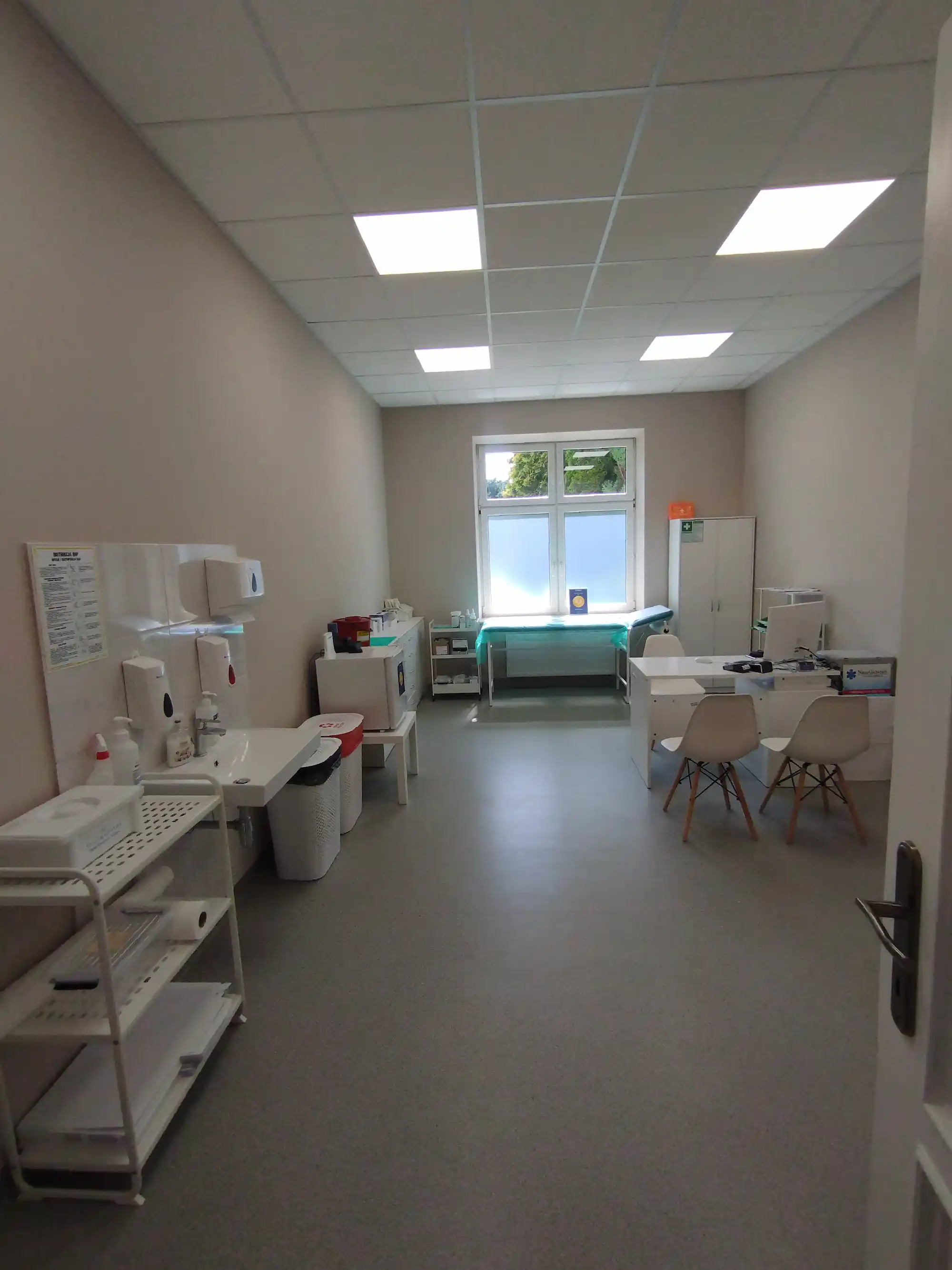
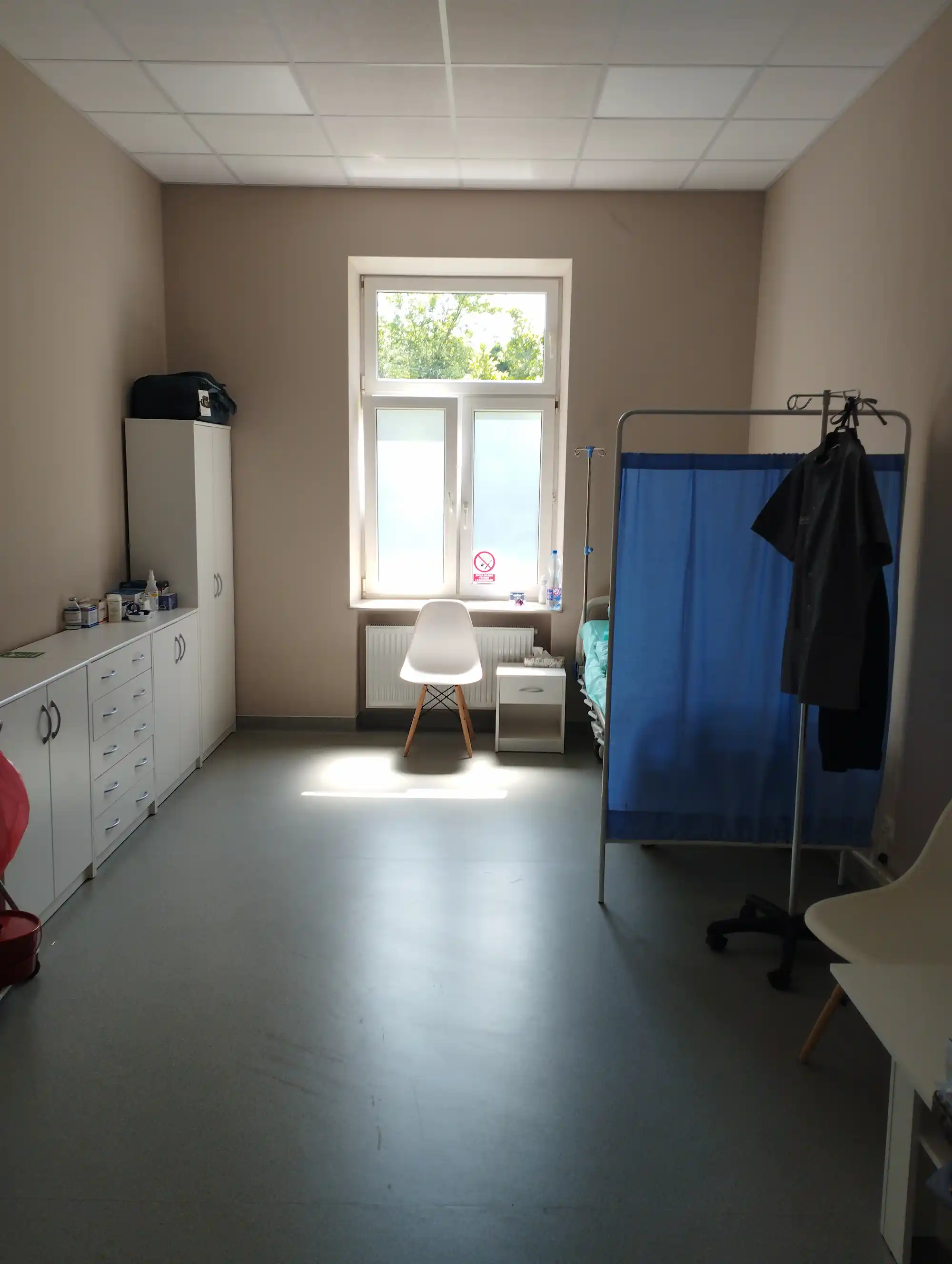
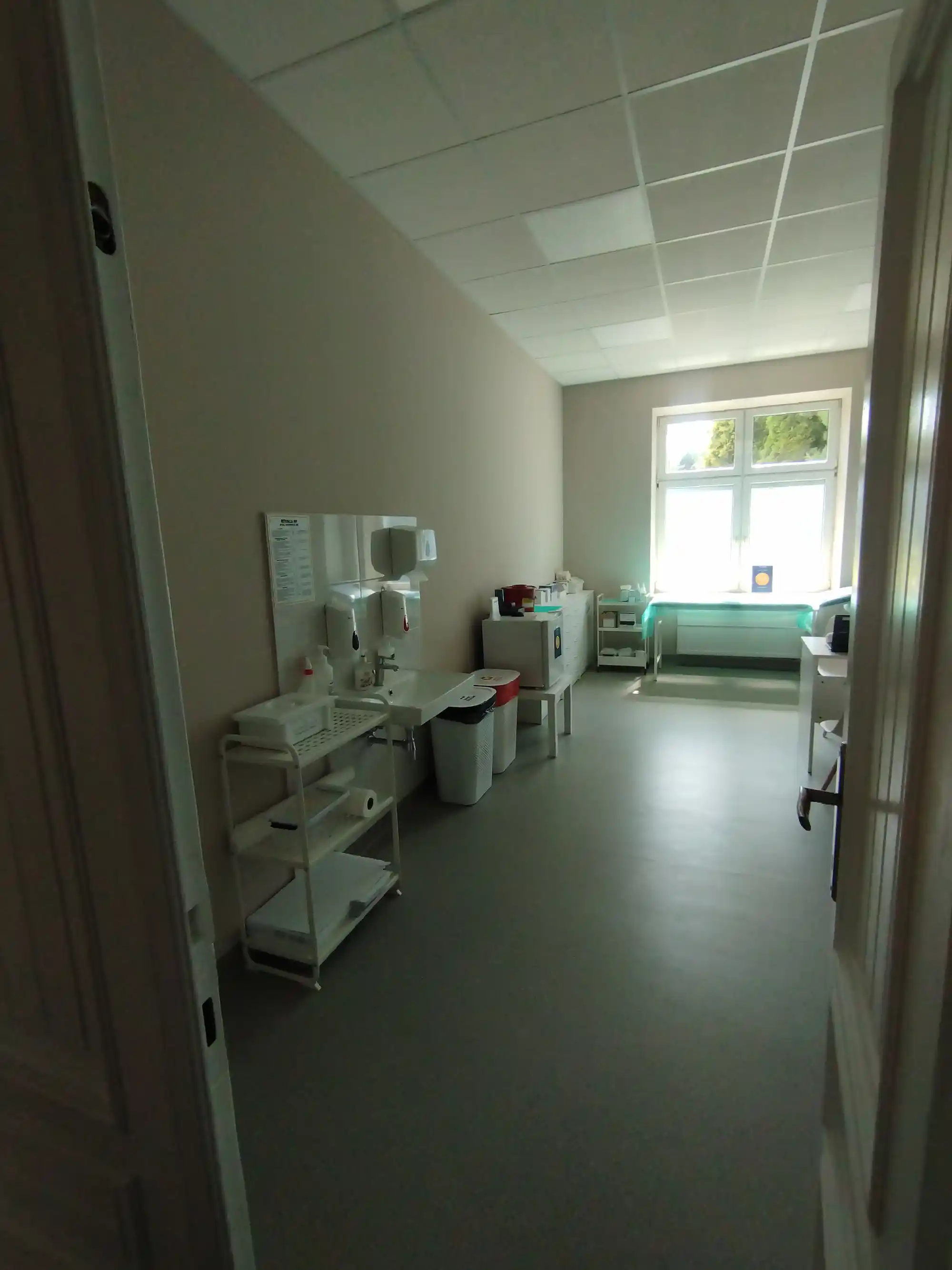
Everything begins with the same step: you call 880 808 880 and book an assessment at our clinic at ul. Wspólna 7. Because the medicine alone is rarely enough, from the start we combine it with addiction therapy in Kielce, and in harder cases with comprehensive alcoholism treatment in Kielce. We do not give the price over the phone, because it is made up of several items: the consultation, the tests, bringing the medicine in and the administration. Only after assessment is it clear how many of them will be needed, so any figure thrown out earlier would be guesswork.