

What the anti-alcohol injection (naltrexone, Vivitrol) is
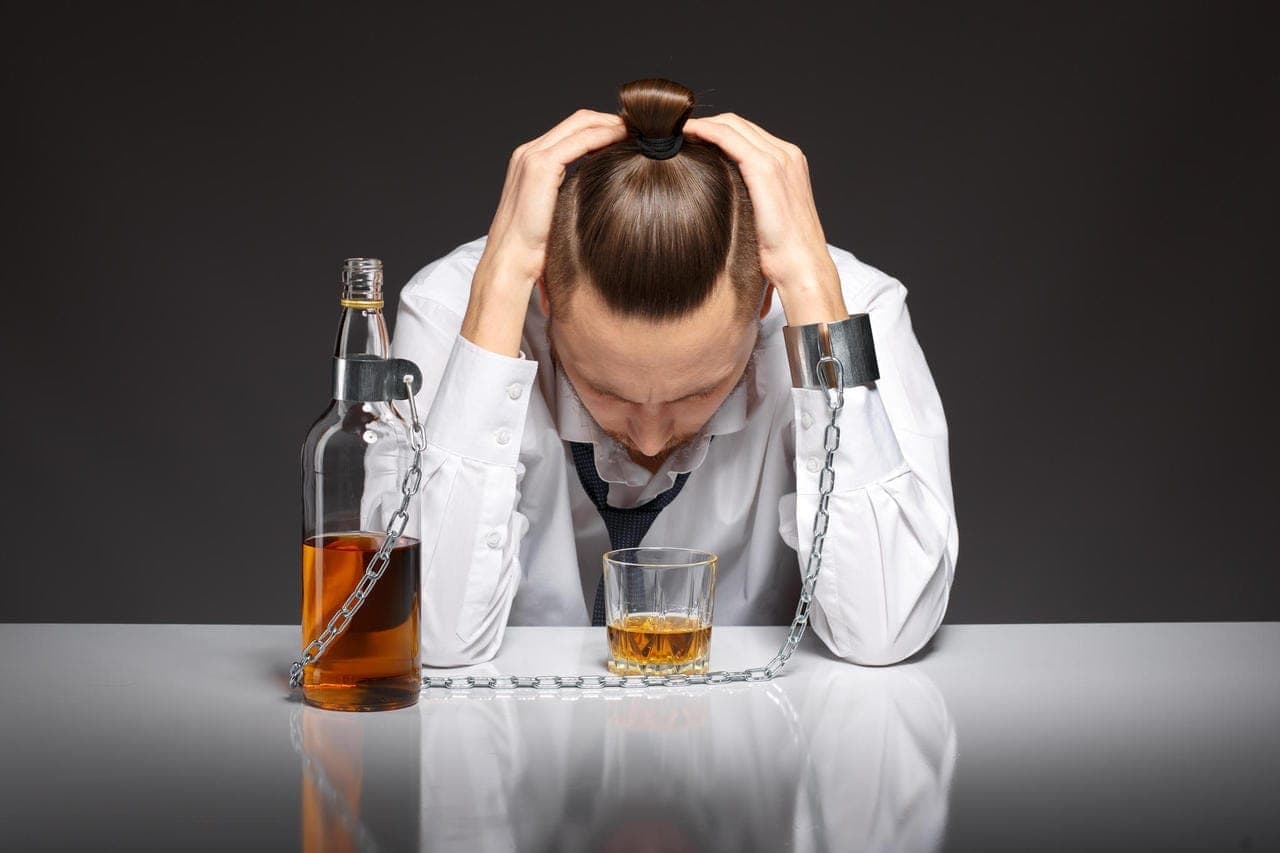
The anti-alcohol injection is the everyday name for extended-release naltrexone, a drug given as a single intramuscular shot once every 4 weeks. Abroad this drug goes by the trade name Vivitrol. One dose is 380 mg of suspension, which the medical staff inject deep into the gluteal muscle.
How naltrexone reduces the alcohol craving
Naltrexone is an opioid-receptor antagonist. In the reward system it occupies the points through which alcohol triggers the feeling of pleasure and relief. When the receptors are blocked, a drink no longer delivers what the drinker is reaching for, and in time the alcohol craving, that nagging urge to drink, weakens as well. The drug is not addictive and has no sedative effect.
Why the injection should not be confused with the implant
This is the most common misunderstanding around the phrase. The implant, that is Esperal, contains disulfiram and works by aversion: after alcohol it sets off a violent, unpleasant reaction in the body. Naltrexone in the injection causes no such effects after alcohol; it simply takes the reward out of drinking and quiets the craving. There is no toxic reaction here, only the switching off of the mechanism that keeps drinking going. We go into the differences in the next section and on the page for the alcohol implant in Gliwice.
The anti-alcohol injection versus the implant and naltrexone tablets
Since the injection, the implant and tablets are all meant to help with the same addiction, it is worth knowing straight away how they differ in action. The doctor chooses the method together with the patient, because none of them is better than the others from the outset.
Naltrexone in the injection versus disulfiram in the implant
The implant is disulfiram in an insert placed under the skin during a minor procedure; it works for about 8 months and deters drinking through fear, because alcohol then brings on a strong reaction. The injection is naltrexone: no surgical procedure and no reaction after alcohol, but it takes the pleasure out of drinking. One person needs a clear barrier built on fear, another the removal of the reward, which is why there is no single right answer for everyone. We describe the implant in Gliwice on a separate page.
The injection every 4 weeks versus the daily naltrexone tablet
The substance is the same; what differs is the rhythm of taking it. The naltrexone tablet is taken daily and is registered in Poland, but it means remembering the dose every day, including when motivation is flagging. The injection lifts away that daily decision, because a single administration works for roughly 4 weeks. For someone who finds it hard to keep up the daily habit of swallowing a drug, that is a real difference.
Availability in Poland: targeted import of Vivitrol
Vivitrol is not approved for sale in Poland, so you cannot simply buy it at a pharmacy. It is brought in through targeted import (import docelowy), that is by the first and last name of a specific patient. This is a lawful route set out in the regulations, but it calls for a few formalities and a little time.
What the targeted-import procedure looks like
The doctor files an electronic request in the SOID system. A voivodeship or national consultant for the relevant field confirms it, for which the regulations allow 7 days. After the Minister of Health's consent, a community pharmacy dispenses the drug. The request itself is valid for 60 days, and a targeted-import prescription can be filled within 120 days. All the drug information we rely on comes from the manufacturer, because Vivitrol is registered abroad, not in Poland.
How long the wait for the first injection is
In practice, a few weeks usually pass between assessment and the first administration, needed to go through the procedure and bring the drug in. That is why we set the formalities in motion right after assessment, so that the drug is already waiting for the agreed date and the patient does not lose momentum at the start. We do not promise an injection on the spot, because it is more honest to plan that time in advance.
Assessment, tests and the course of administration every 4 weeks
Before the injection there is an assessment visit, because naltrexone may be given only when it is safe for the particular patient. On that day there is not yet a prescription or the drug; first we get to know the person's state of health and situation in detail.
The interview and tests before the naltrexone injection
The doctor asks about the course of the drinking: how long it has gone on, when the last glass was, what earlier attempts at treatment there were. The question about opioids is decisive, because naltrexone and opioid medicines, including some painkillers and cough remedies, rule each other out. Added to this is an assessment of mood and motivation and a brief general examination. From the blood we check a complete blood count, a liver panel and infection with hepatitis B and C and HIV; for women of childbearing age a pregnancy test is added, and where something points to opioids, a urine test.
The day of the injection and the rhythm every 4 weeks
On the day of the injection the doctor goes through the safety list once more: opioids, a possible pregnancy, the work of the liver, general wellbeing. The drug needs about 45 minutes to come from the fridge to room temperature before it goes deep into the gluteal muscle, alternating between the right and the left. Since one dose holds for roughly four weeks, the following visits are spaced evenly, once a month, and keeping to these dates counts for more than with a daily tablet. At the end the patient receives information about the therapy, worth keeping on hand and showing to other doctors.
Safety of the naltrexone injection and contraindications
Naltrexone has been used for years and is fairly well studied, which does not mean it is entirely harmless. It carries one warning that must be taken seriously.
Why naltrexone calls for caution with opioids
The greatest risk concerns opioids. For as long as the injection is active, opioid medicines stay blocked, but at the same time the body grows unused to them and loses its tolerance. Once the blockade wears off, a dose that was tolerated before without trouble can prove fatal and stop their breathing. Hence the iron rule: for at least 30 days after the last injection, no opioid medicines whatsoever, and the blockade must never be forced through with a higher dose. Every doctor, for example before a planned procedure or in severe pain, must be warned about the naltrexone.
Naltrexone side effects and situations that rule out the injection
The ordinary adverse effects tend to be mild: nausea, headache, fatigue, aching muscles and a reaction at the puncture site. Less often something more serious appears, such as a heightened skin reaction, strain on the liver or a drop in mood, and of this the patient must inform us at once. There are also situations in which we simply do not proceed with the injection: taking opioids, an active withdrawal syndrome, acute liver disease, pregnancy and allergy to the ingredients. Anyone in the middle of coming off alcohol we refer first to detox in Gliwice.
Does the anti-alcohol injection really work
To put it plainly: naltrexone genuinely helps to cut down drinking, only it does not do so on its own and is no miracle cure. It gives the most in combination with therapy.
Naltrexone's effectiveness in the light of research
A meta-analysis of seven randomised trials (Murphy, Addiction 2022) showed that on extended-release naltrexone patients drank on average about two days a month less often, and the days of heavy drinking dropped as well. The benefit grew when treatment ran longer than three months. The authors themselves make two reservations, however: the follow-up lasted six months at most, and the pooled result is carried largely by two large trials. This is no guarantee of full abstinence, but concrete support for someone who really wants to give up alcohol.
The injection as part of a programme, not a standalone treatment
The Agency for Health Technology Assessment and Tariff System states clearly that a drug for addiction is to be part of a programme with psychological support, not a standalone course. The injection can cut down the craving and help keep to one's resolutions, but it is therapy that teaches how to cope with the moments in which the glass used to appear. That is exactly why we combine the two, instead of offering the drug alone.
The anti-alcohol injection and addiction treatment in Gliwice
Gliwice is a large academic and industrial centre in the western part of the Silesian metropolis, and the scale of the help given here to people who drink shows that the problem is real and daily.
The scale of the city's help in addiction treatment
In 2023, under the municipal programme for the prevention and resolution of alcohol problems for the years 2022-2025, the city had 13 contracts signed with non-governmental organisations. Therapeutic and rehabilitative help alone for addicted people and their families came to more than 2000 hours of meetings and consultations, used by 672 people, while a further 676 people were covered by support aimed at families with an alcohol problem. In the same year the municipal commission considered 209 applications for a court order to undergo addiction treatment. Private assessment for the injection does not replace this network, but it can be a faster and more discreet route for someone who wants to start right away.
The anti-alcohol injection at our Gliwice clinic
We run the assessment and the injection in one place, at the clinic at Toszecka 18. It is not only residents of Gliwice who come here, but also people from the neighbouring cities of the metropolis, for whom this is closer than the larger centres. The drug alone, however, is not everything: naltrexone works best as part of a wider plan, so we pair it with addiction therapy in Gliwice, and where needed with preparation through detox. We have gathered the full offer for people who drink on the page on alcoholism treatment in Gliwice. The clinic is open all week, from 8:00 to 20:00.
The cost of the injection and booking in Gliwice
There is no single price for the injection, and giving one up front would be misleading, because several separate elements go into the cost.
What makes up the cost of the anti-alcohol injection
The bill comes down to four things: the assessment consultation, the tests, the price of the drug from targeted import, and the administration together with the care between doses. The drug itself is the biggest factor, because its import price varies, which is why we present a binding quote only after assessment, once it is clear that the treatment is suitable and safe for the particular person. We deliberately do not give a ballpark figure, because it would miss the real cost.
How to book the assessment in Gliwice
The assessment is a private medical visit, so no referral is needed. You can reserve a convenient date through the online booking beside this text or by calling 880 808 880, and we see patients at Toszecka 18 in Gliwice. Should the injection turn out not to be right for the particular person, at the same visit we will point out another path of treatment.