Table of contents
Alcohol Collapse – Symptoms, Causes, and First Aid
In brief
Alcohol collapse (alcoholic circulatory shock) is a life-threatening condition caused by excessive alcohol consumption, manifested by loss of consciousness, drop in blood pressure, and cardiac arrest. It can occur both in dependent individuals and after a single, extreme alcohol consumption episode. Collapse symptoms include cold, clammy skin, irregular pulse, vomiting, blood pressure drop, and lack of response – requiring immediate medical intervention. First aid involves placing the patient in a lateral position, monitoring breathing and pulse, and quickly calling emergency services. Treatment is carried out in hospital conditions and includes stabilization of vital functions and long-term addiction therapy. Alcohol collapse can lead to permanent organ damage and death – it should serve as an impulse to begin alcoholism treatment.What is Alcohol Collapse?
Alcohol collapse, also known as alcoholic circulatory shock, is a serious life-threatening condition caused by excessive alcohol consumption. This condition is characterized by a drastic drop in blood pressure, cardiac arrest, and loss of consciousness, which can lead to death if appropriate help is not quickly provided. Ethyl alcohol, being the main component of alcoholic beverages, is a toxic substance whose excessive consumption disrupts the normal functioning of the circulatory system and can metabolize in a way that threatens life.Causes of Alcohol Collapse
Alcohol collapse can result from several factors, mainly from excessive alcohol consumption in a short period of time. An alcoholic, meaning a person dependent on alcohol, is particularly susceptible to this condition, however, it happens that even a single, extremely high alcohol consumption in non-dependent individuals leads to collapse. Other causes include long-term addiction that weakens the circulatory system, as well as coexisting alcohol-related diseases that may worsen overall health.Symptoms of Alcohol Collapse
Symptoms of alcohol collapse can be varied and depend on many factors, such as the amount of alcohol consumed, the person's overall health, and the speed of response to the first signs. The most commonly observed include: loss of consciousness, significant blood pressure reduction, slowing or cardiac arrest, pulse acceleration or irregularity, nausea and vomiting, as well as cold, clammy skin. The appearance of these symptoms requires immediate action and calling for medical help.In Case of Alcohol Collapse – First Aid
In case of alcohol collapse, fast and effective action is necessary to stop the negative effects of excessive alcohol consumption. First aid should include: placing the person in a stable lateral position to prevent choking in case of vomiting, monitoring vital functions such as pulse and breathing, and keeping the person warm until emergency services arrive. It is important not to attempt to give any liquids or food to the person suffering from alcohol collapse, as this may worsen their condition.Treatment of Alcohol Collapse
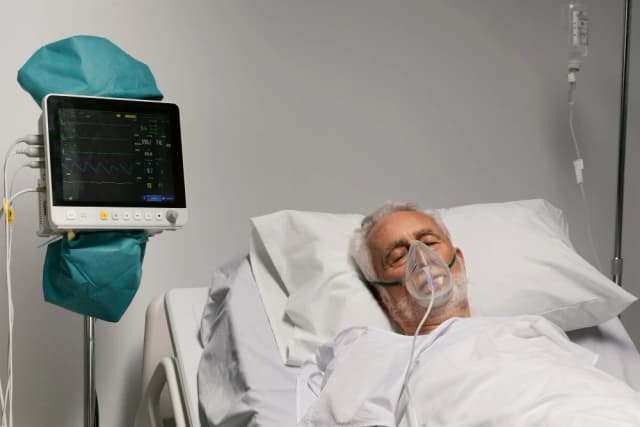
Treatment of alcohol collapse must be carried out under strict medical supervision, most often in an intensive care unit. Therapy may include intravenous fluid administration to stabilize blood pressure, medications supporting cardiac function, and treatments supporting vital functions. In the long term, a person who has experienced alcohol collapse should be included in a comprehensive alcoholism treatment program, which may include detoxification, addiction therapy, and support in maintaining abstinence.Life Threats and Long-term Consequences
Alcohol collapse is a critical condition that can lead to permanent organ damage and even death. Long-term consequences of excessive alcohol consumption without appropriate treatment may include brain, heart, liver, and other vital organ damage. Alcohol collapse should serve as a serious warning for the addicted person and their loved ones and be an impulse to begin alcoholism treatment.Importance of Proper Alcoholism Treatment
Alcoholism treatment is a key element in preventing alcohol collapse and treating its consequences. Modern treatment methods, such as alcohol detox, group and individual therapy, as well as alcohol implants, offer effective tools in the fight against addiction. Our Alcoholism Treatment Center offers comprehensive help at every stage of treatment, from detoxification to support in maintaining abstinence, which allows for an effective return to health and avoidance of serious consequences associated with excessive alcohol consumption. Making the decision to treat alcoholism is the first step toward health and freedom from addiction. Regardless of whether a person has been struggling with addiction for a long time or has just experienced alcohol collapse, it is important to understand that help is available and it is never too late for change.:::cta Need help in fighting addiction? Our specialists are ready to help you. Call or schedule an online visit. Call: 880 808 880 | Schedule a visit :::