

What the anti-alcohol injection is and how naltrexone works
The anti-alcohol injection is the everyday name for extended-release naltrexone, sold under the brand name Vivitrol. It is a single 380 mg dose given deep into the gluteal muscle, used once every 4 weeks. In practice, one injection replaces a month of swallowing daily tablets, and it is the doctor, not the patient, who decides on the dose.
How naltrexone quiets alcohol craving
Naltrexone blocks the opioid receptors through which alcohol triggers the brain's sense of reward and relief. When that pathway is muted, drinking stops bringing its old satisfaction and the craving fades. It then becomes easier not to reach for a second glass and not to slide back into a binge. So the medicine works on the mechanism behind loss of control; it does not alter awareness and is not itself addictive.
Why the anti-alcohol injection is not an implant
This distinction matters, because in search engines the two methods are often confused. The Esperal implant contains disulfiram and works through fear: after drinking it triggers a violent, unpleasant reaction in the body. Naltrexone takes a completely different route. It causes no unpleasant effects after alcohol; drinking simply stops being tempting. These are two different medicines, two different mechanisms and two separate decisions to discuss with a doctor.
Medical assessment before the first injection
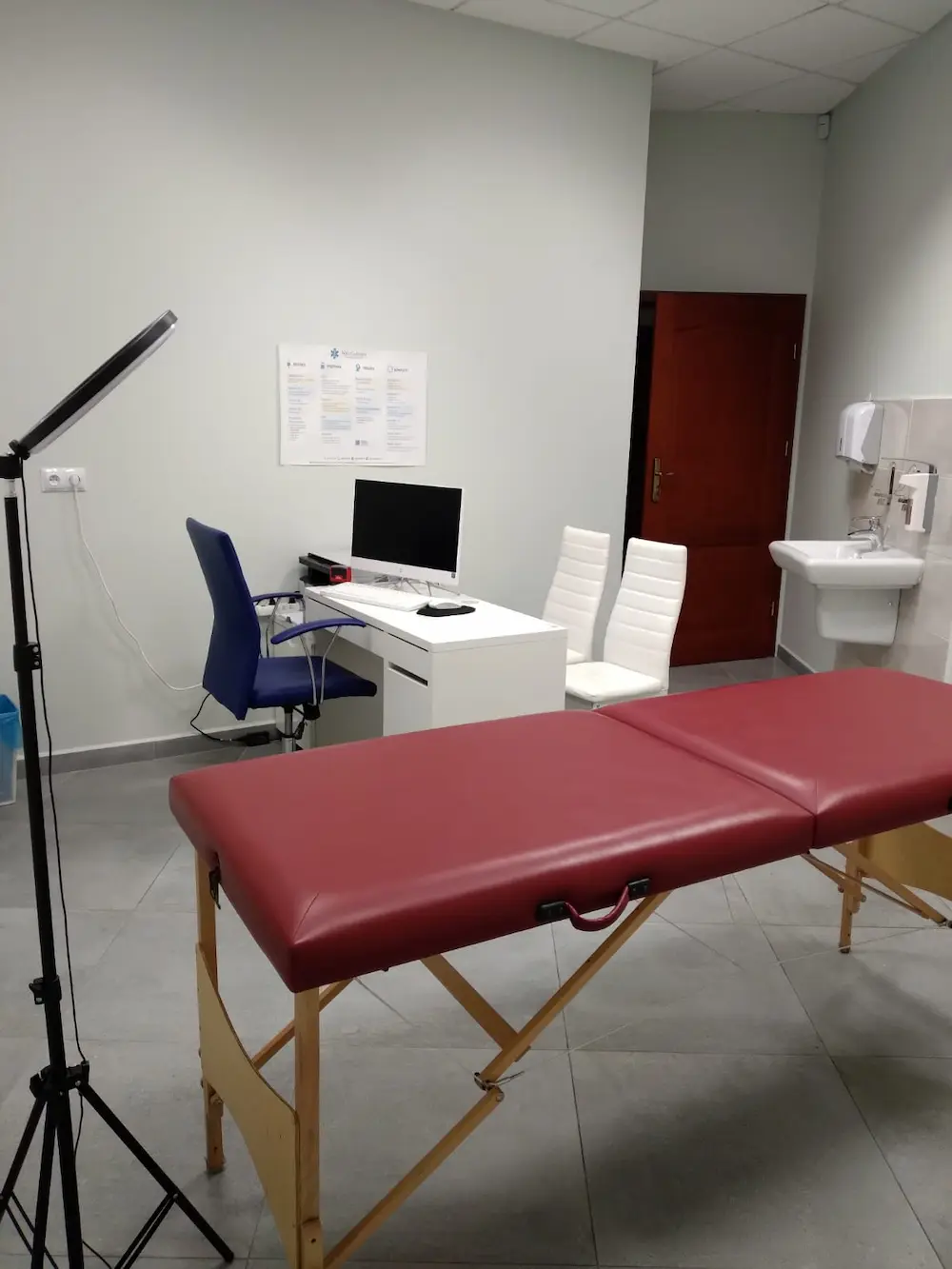
At our practice the injection is always preceded by an assessment appointment. Depot naltrexone is a prescription medicine with real effects, so the doctor first needs to learn your history and make sure the injection will be safe. This stage is not a formality but the foundation of the whole treatment.
What the doctor asks during assessment for the injection
The conversation covers your drinking history and earlier attempts at treatment, every medication you take (especially painkillers and cough medicines containing opioids), chronic illnesses and your mental state: mood, tension, thoughts of giving up. The date of your last contact with alcohol matters, as does whether any withdrawal symptoms are present. If active withdrawal appears, we first refer you for preparation, for example detox in Olsztyn, and return to the injection later. Only once the doctor confirms there are no contraindications do we move on to giving naltrexone.
Safety, contraindications and medical supervision
Naltrexone is a well-studied medicine, but it calls for care. That is why here every dose is led by a doctor, and each monthly visit is a chance to check that the treatment is going safely.
The most important warning: reduced opioid tolerance
While the medicine is active, the body does not respond to opioids the way it usually would. Trying to override the blockade with a larger dose risks stopping your breathing. Just as important, towards the end of the cycle and after the therapy ends your opioid tolerance is lowered, so an amount you once tolerated well may prove fatal. For this reason, for at least 30 days from the last injection you must not take opioid medicines without your doctor's knowledge, and it is worth carrying information about the therapy in case of an accident or surgery.
When we do not give the anti-alcohol injection
Contraindications include current opioid use or substitution treatment, active withdrawal, acute inflammation and severe liver failure, pregnancy and allergy to the medicine's ingredients. We are also cautious when a patient faces a procedure requiring strong painkillers. Possible side effects include nausea, headache, fatigue and a reaction at the injection site. At each visit the doctor assesses the injection site, wellbeing and mood, and if needed orders a liver check.
Giving the injection and the 4-week rhythm
Giving the injection itself is a short, planned visit, and we repeat the following doses in a steady rhythm every 4 weeks. This way naltrexone works without breaks and you do not have to remember a daily medicine.
What the injection itself looks like
The medicine, kept in a fridge, must first reach room temperature, which takes about 45 minutes. The suspension is prepared only with the diluent supplied by the manufacturer; the needle is matched to your build and the medicine is given deep into the gluteal muscle, on alternating sides each time. Afterwards the patient receives a date for the next dose in 4 weeks and clear instructions in case they need pain treatment in the meantime.
Why we repeat the naltrexone dose every 4 weeks
A single 380 mg injection releases the medicine over roughly four weeks, which is why we schedule the next dose just before that period ends, so the protection does not lapse. How long we keep this rhythm is decided by the doctor based on your response to treatment: we usually speak of six months and up, and for some patients longer.
What studies say about the injection's effectiveness
We do not talk about depot naltrexone in slogans, only in terms of what clinical studies show. We want a patient from Olsztyn to know what the medicine can realistically do for them and what it will not promise.
What studies on depot naltrexone have shown
In Garbutt's large 2005 study (JAMA, 627 participants) the 380 mg dose was linked with roughly a 25-percent reduction in the number of heavy-drinking days compared with placebo. A later meta-analysis by Murphy from 2022 (Addiction, 7 randomised trials) pointed to nearly two fewer drinking days a month on average and a clearer effect with treatment lasting longer than 3 months. The authors honestly note that the data reach only up to six months and that the result rests largely on two studies.
Why the naltrexone injection is support, not a guarantee
These figures lead to a simple conclusion: naltrexone raises the chances of staying abstinent, but it is not an off switch for addiction. It works best when it is part of a wider plan with therapy and support, not instead of them. That is why we treat it as a tool that lifts the pressure of craving and gives a calmer start, rather than a promise that the problem will vanish on its own.
Injection, implant or tablets: which to choose
The pharmacological treatment of alcohol addiction in Olsztyn comes down to three routes. We do not rank them, because which one makes sense depends on the patient's health, their contraindications and the goal they set together with the doctor.
- Anti-alcohol injection (depot naltrexone): one injection every 4 weeks, dampening craving and the rewarding effect of alcohol, with no daily pill to remember.
- Esperal implant (disulfiram): a subcutaneous implant for several months, whose strength is the fear of a reaction after drinking. We expand on this on the page about the alcohol implant in Olsztyn.
- Naltrexone in tablets: the same substance as in the injection, only swallowed every day. It costs less, but it demands daily discipline.
When the anti-alcohol injection is more convenient than tablets
The injection's advantage is that it takes the daily question of whether to take the medicine today out of the patient's hands. In the first weeks without alcohol, when willpower rises and falls, one monthly visit holds up better than thirty separate resolutions. This is not only about convenience. The method is chosen by the doctor together with the patient anyway, so the starting point is a conversation, not a prescription handed down from above.
Treatment in Olsztyn and the limits of alcohol policy
It is worth seeing the anti-alcohol injection against the backdrop of what Olsztyn already does about alcohol, and where the city's policy ends. For years the city has tried to limit access to alcohol, but limiting access alone is not the same as treating addiction.
What the night-time ban taught Olsztyn
Since September 2018 there has been a ban here on selling alcohol in shops and at petrol stations between 22:00 and 6:00. The effect is measurable: according to the city's prevention team, the number of reported public-order disturbances fell by around 47 percent, and night-time admissions to the sobering-up station dropped noticeably. This shows that lower availability cuts the harm visible on the street. It does not, however, reach the addiction itself. In 2020 the city's clinic for intoxicated people admitted 3,883 people, and 442 Blue Card procedures related to domestic violence were opened. These cases play out behind closed doors, outside the banned hours, and that is exactly where treatment is needed, not only the regulation of sales.
Where in Olsztyn we give the anti-alcohol injection
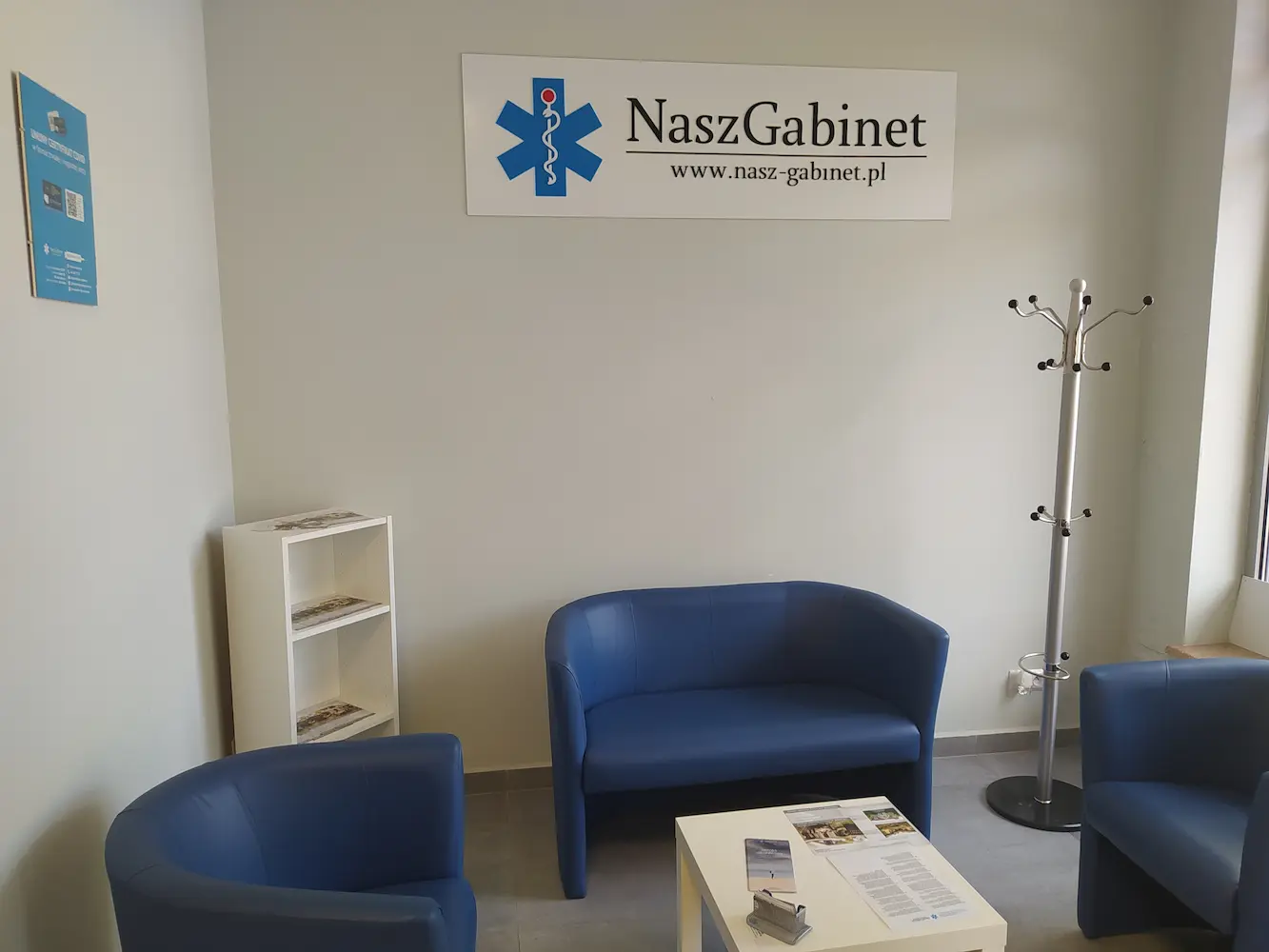
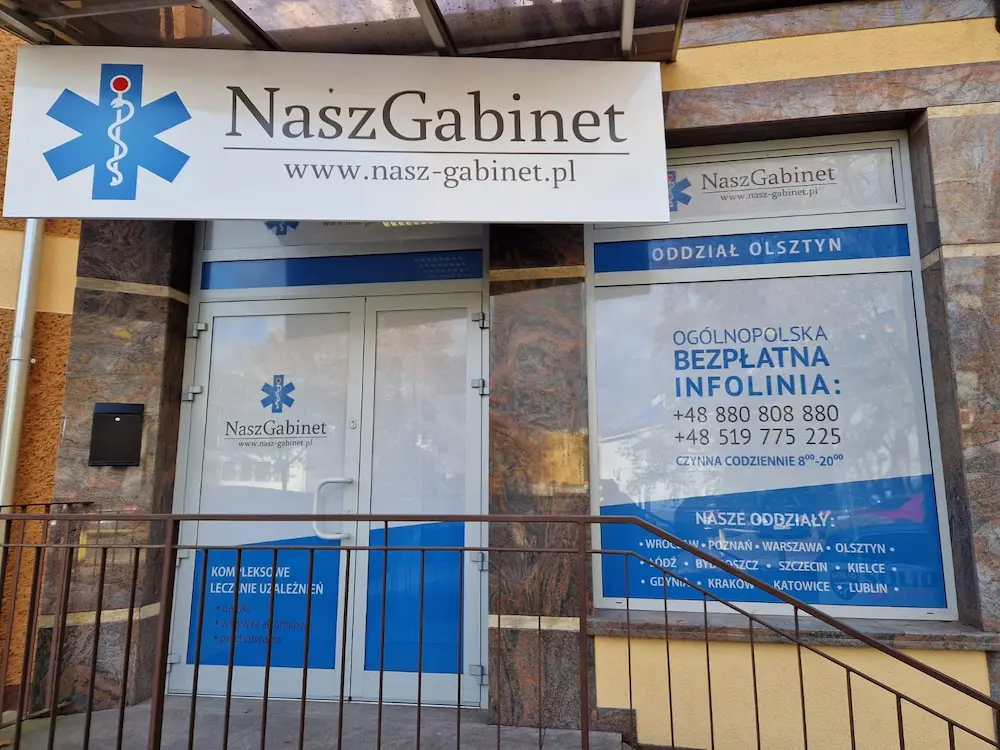
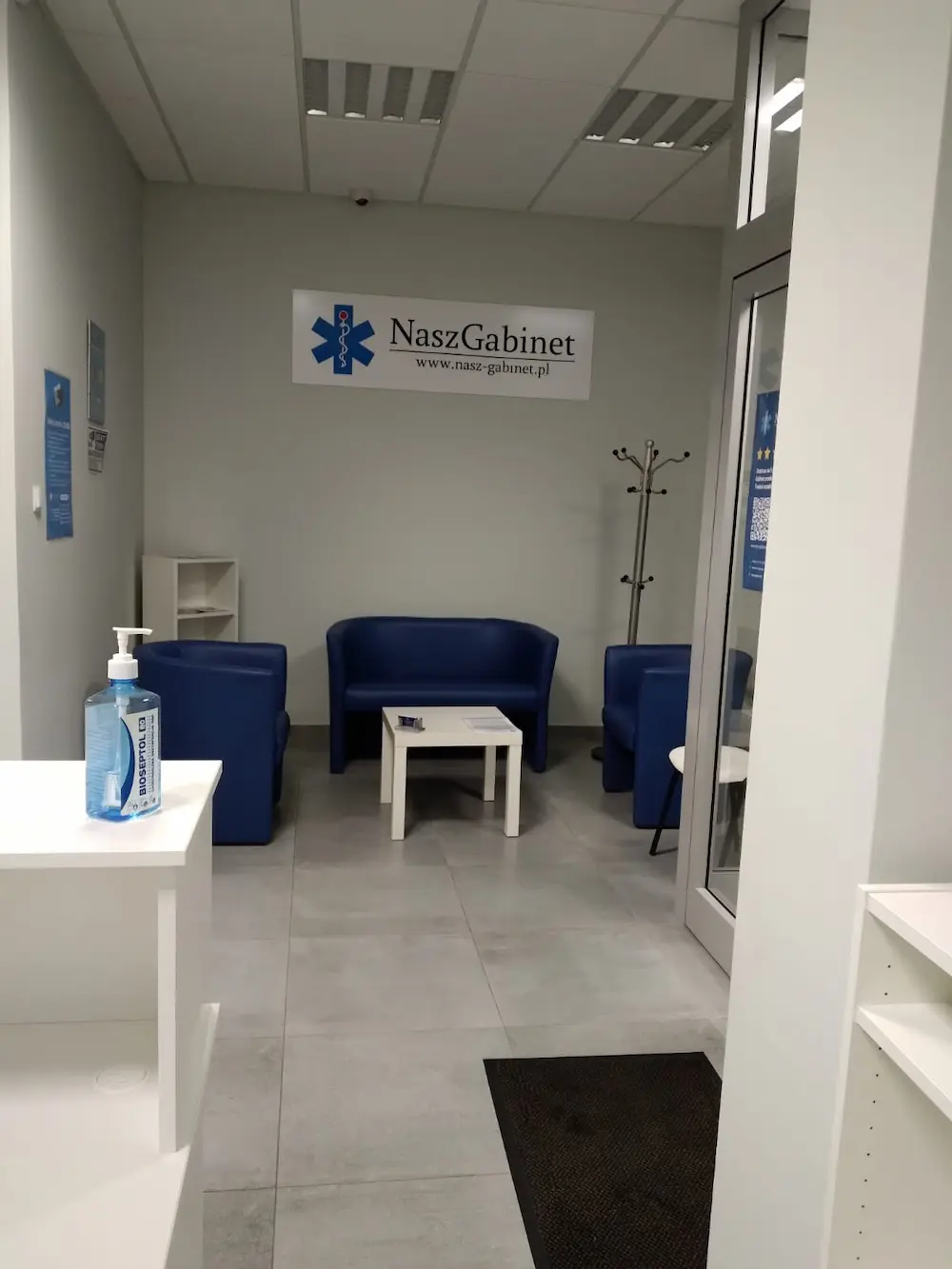
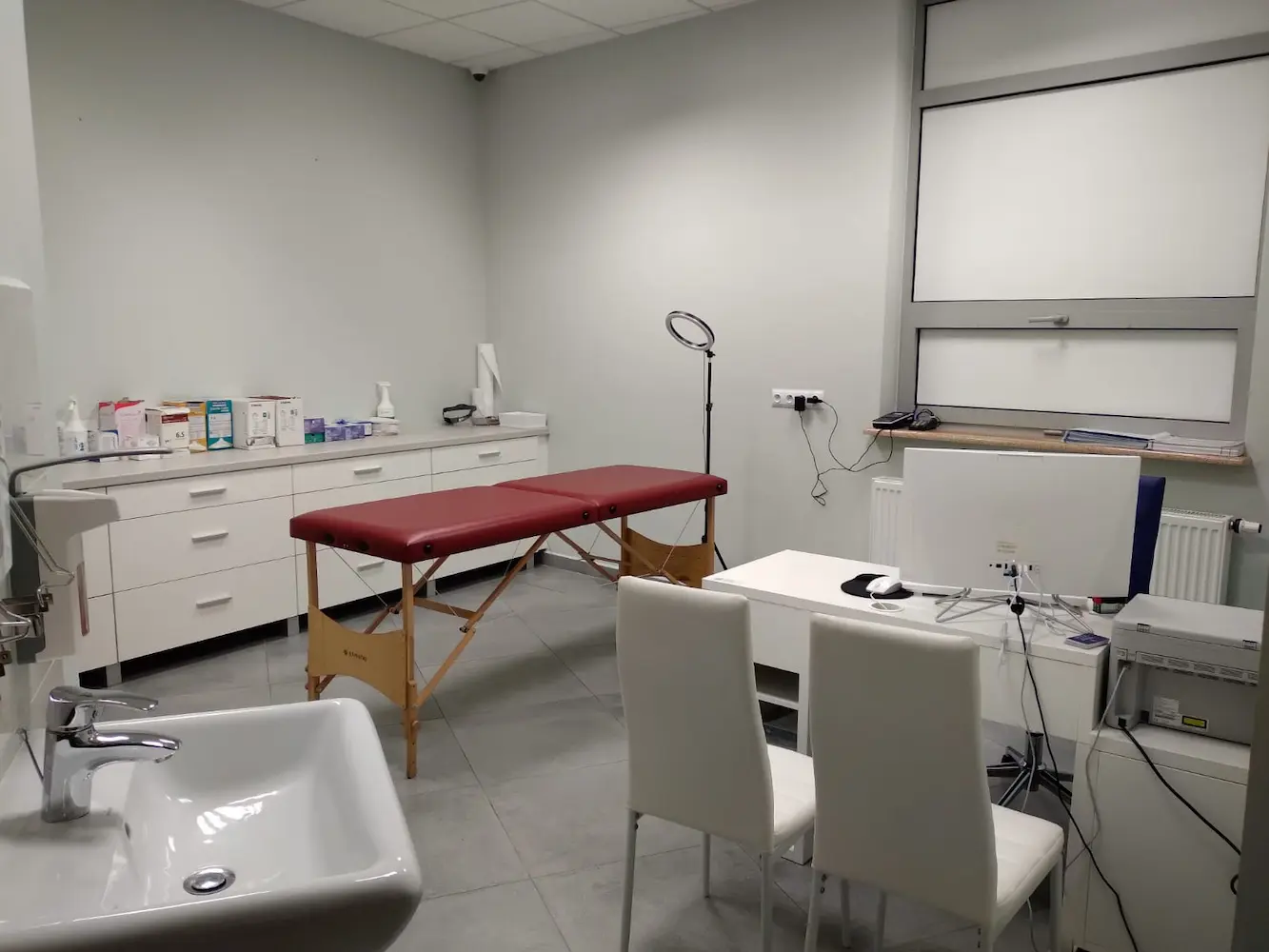
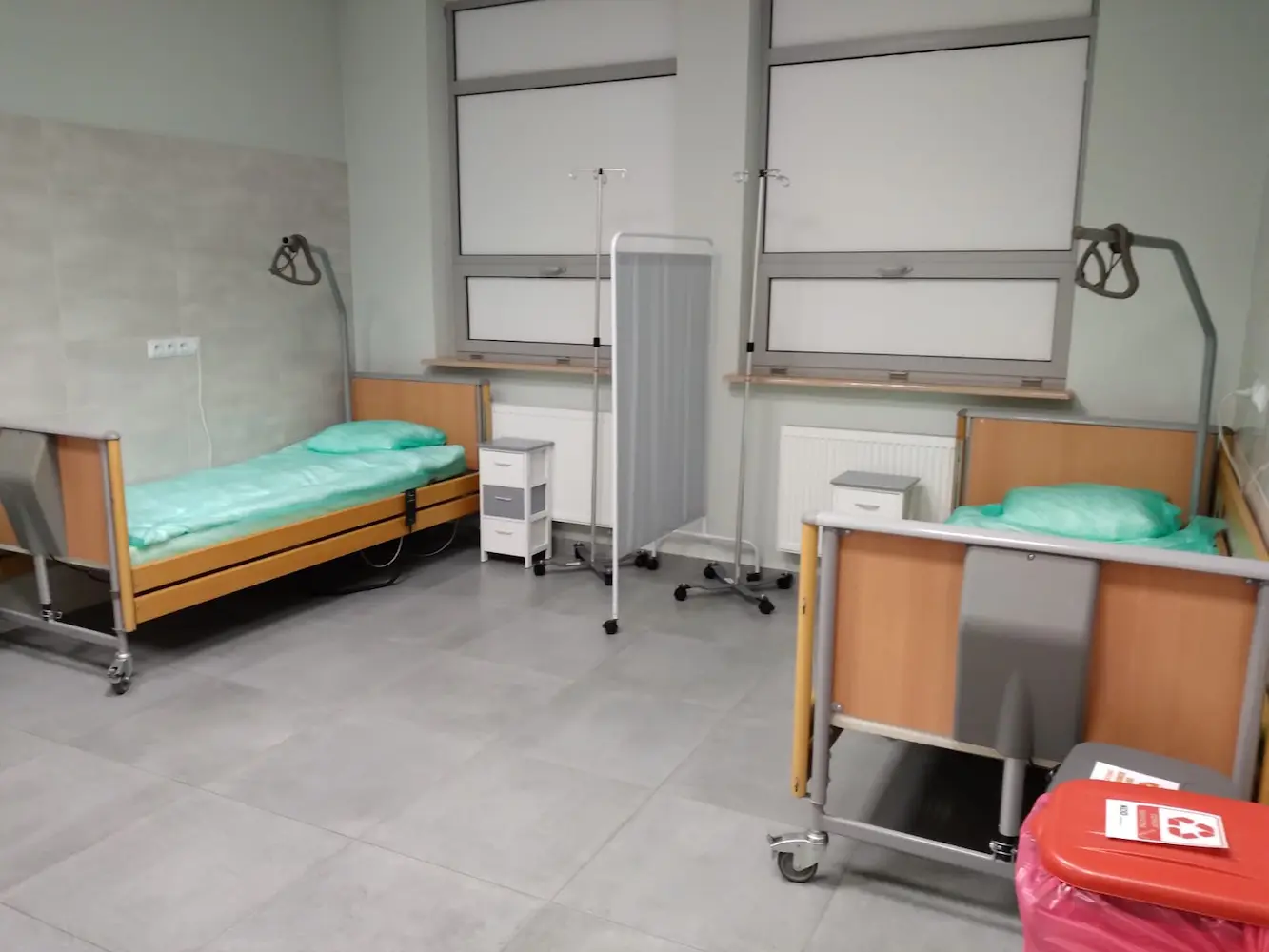
Our practice is on Kopernika 44, close to the centre. Here we run the whole process: assessment and monthly injections. The injection combines well with the other forms of help available on site, from addiction therapy in Olsztyn to comprehensive alcoholism treatment in Olsztyn. Naltrexone lifts the pressure of craving, and therapy gives the tools that no rule about sales hours can replace.
Price and booking the anti-alcohol injection in Olsztyn
The price of the injection cannot be pinned to a single figure, because it is made up of several things: the assessment consultation, the cost of the medicine itself, and the injection along with care at later visits. The most expensive and least predictable item is the medicine itself. That is why we set the cost individually after assessment, once the treatment plan is known.
How to book the anti-alcohol injection in Olsztyn
It all starts with an assessment consultation, because without it the doctor will not decide on the injection. You can book it on 880 808 880 or through online booking, and we see patients all week. On site, at Kopernika 44, you go step by step through assessment and the injection, and every conversation stays between you and the team. If assessment shows it makes more sense to start differently, say with the alcohol implant in Olsztyn, we will say so openly.