

What the anti-alcohol injection is and how naltrexone works
The term anti-alcohol injection stands for extended-release naltrexone, marketed as Vivitrol. It is a single 380 mg injection that the doctor administers deep into the buttock muscle and then repeats every 4 weeks. For the whole month the dose works evenly, with no daily watching of the clock for a tablet, and it is this one decision a month instead of thirty that sets the injection apart from the other methods.
How naltrexone quiets alcohol craving
Naltrexone occupies the opioid receptors through which alcohol delivers relief and a sense of reward. When these receptors are blocked, a drink stops doing the very thing it is reached for, so the compulsion weakens and it is easier to stop after the first one. The medicine does not respond to whether someone happens to be sober at the moment; it disarms the very mechanism of losing control. It is not addictive and does not alter consciousness.
Why the anti-alcohol injection is not an implant
It is worth settling this from the first minute, because in a search engine the anti-alcohol injection blurs together with the implant, even though they are opposites. The Esperal implant contains disulfiram and works by deterrence: after drinking it triggers a violent, dangerous reaction of the body. Naltrexone stands on the other side of this logic, because once it is given, alcohol causes no unpleasant effects, it simply stops being tempting. Two different medicines, two different conversations with the doctor, and it is precisely this distinction that a sober choice begins with.
Injection, implant or tablets: three methods, one decision
In the pharmacological treatment of alcohol dependence in Gdynia, three different solutions are used, and the question is not which is best, but which is best for a particular person. What works excellently for one patient can be outright contraindicated for another, which is why the choice always comes back to the doctor's desk.
What in practice separates the injection, the implant and tablets
The anti-alcohol injection, that is depot naltrexone, is a single administration every 4 weeks that dampens craving and the rewarding effect of alcohol and protects regardless of a given day's mood. The Esperal implant is disulfiram placed under the skin in a short procedure for several months, built on the fear of a reaction after alcohol; we describe it separately on the page about the alcohol implant in Gdynia. Naltrexone in tablets is the same substance as in the injection, only swallowed daily, cheaper, but demanding discipline every morning.
Which questions settle the choice between the injection and the implant
Instead of asking what is stronger, it is better to answer three practical things. First, what the protection is meant to rest on: on quieting the craving, or on a barrier of fear of a reaction. Second, how much room is left for daily motivation, because a tablet is easiest to skip on precisely a weaker day, whereas an injection given once works regardless of a moment of doubt. Third, what one's state of health allows, because it is contraindications, not preference, that most often close or open one of these paths. All three questions are answered at the assessment visit, which is why we do not start with a ready-made prescription, but with a conversation.
Who the injection is safe for: medical assessment
The assessment visit is not a formality to tick off, but a safety filter that determines everything else. Depot naltrexone is a potent prescription medicine, so the doctor first takes a history and rules out risk rather than giving it on request. This is also where the patient's own consent comes in, because without it we do not move forward: a loved one can help persuade someone to have this one conversation, but the decision is made by the person being treated.
Who qualifies for the naltrexone injection
At the assessment the doctor goes into detail: how long and how heavily the drinking has gone on, what has been tried so far, what medicines the patient takes day to day, especially painkillers and cough remedies containing opioids, what chronic illnesses they have and what mental state they are in, mood and thoughts of giving up included. The doctor weighs the moment of the last drink and whether there are any withdrawal symptoms. A person in active withdrawal we first refer for preparation, for example detox in Gdynia, and we return to the injection afterwards.
Safety, contraindications and the doctor's supervision
Naltrexone is a well-studied medicine, but not a harmless one, and that is exactly why in our clinic every administration is led by a doctor and every one is preceded by a short check. This is not a machine dispensing an injection on demand, and it is good to know that, especially when the thought comes up that it is enough to show up once and be done with it.
Reduced opioid tolerance: the most important warning
As long as naltrexone is working, opioids will not work as usual, because the medicine keeps their receptors occupied. Trying to override this with a larger dose leads straight to respiratory arrest. There is a second, less obvious trap: when the cycle ends and the medicine wears off, opioid tolerance is already reduced, so a dose once tolerated well may prove fatal. Hence the firm rule that for at least 30 days from the last injection one does not reach for opioid medicines without the doctor's knowledge, and it is worth carrying information about the therapy in case of surgery or an accident.
When we do not give naltrexone
There are situations in which the injection must not be given: when the patient takes opioids or is in substitution treatment, when active withdrawal is ongoing, in acute liver inflammation and severe liver failure, in pregnancy, and with an allergy to the components of the medicine. We are also more cautious with someone facing a procedure that will require strong painkillers. Among the more common side effects are nausea, headache, fatigue and a reaction at the injection site, which is why the monthly visit also serves for the doctor to inspect the site after the injection, ask about how the patient feels and, if needed, check the liver.
How the administration goes and the every-4-weeks rhythm
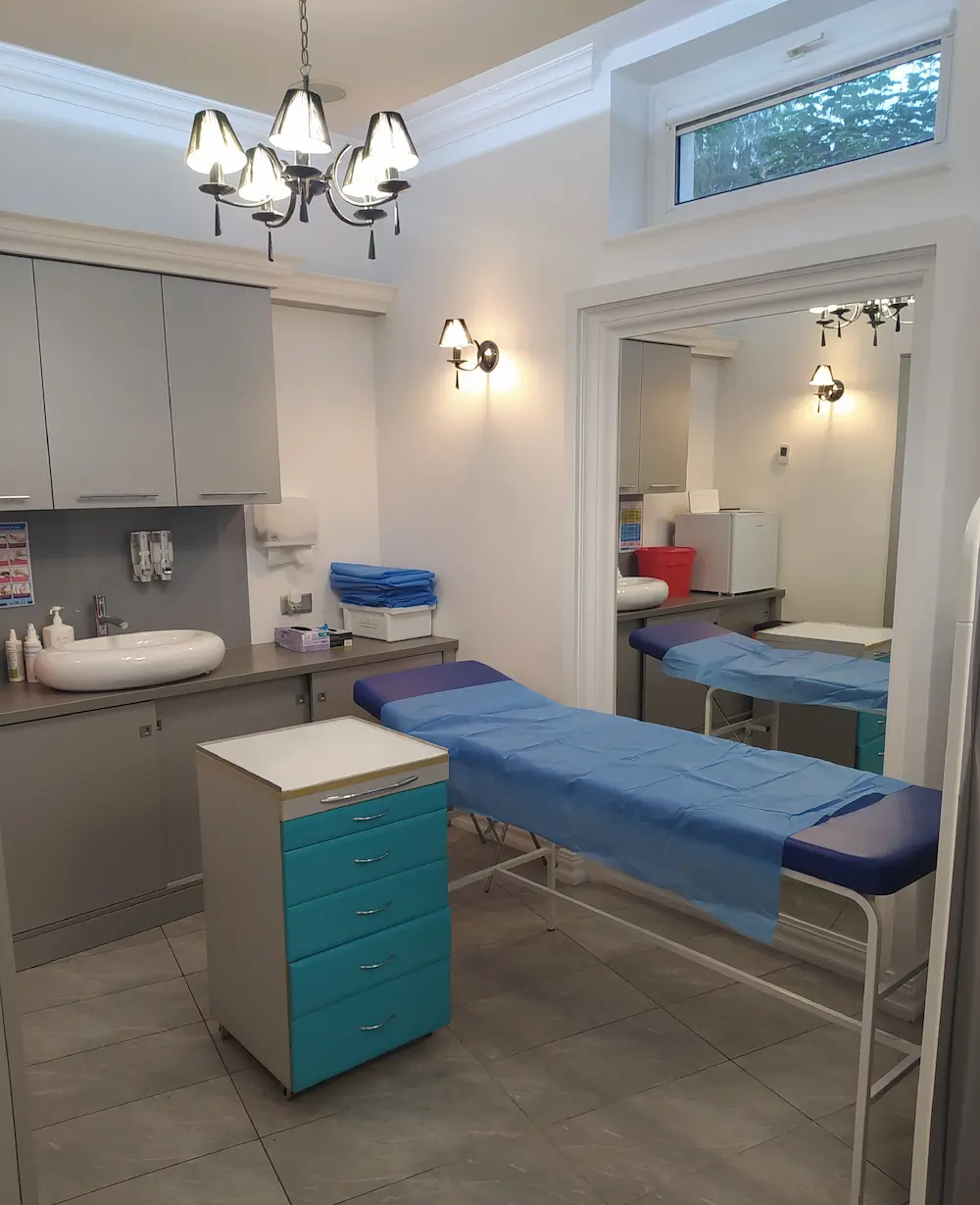
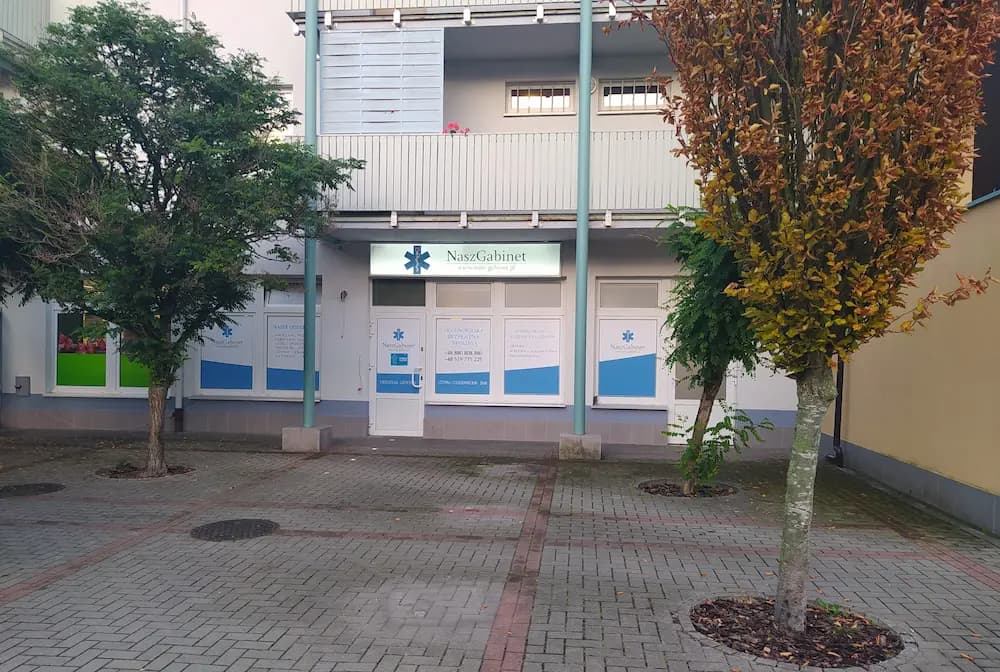
The administration itself is short and unspectacular. The patient comes to the clinic at Franciszka Sokoła 28, the doctor checks once more that nothing has changed and gives a deep intramuscular injection into the buttock. The following administrations alternate between the left and the right buttock, and we schedule the next date right away, before the patient walks out the door.
How the injection is given
The medicine needs refrigeration at 2 to 8 degrees and is given only by medical staff; it is never done on one's own at home or intravenously. After the injection the patient stays for a short observation and then returns to daily activities; a reaction at the injection site can occur, but usually passes quickly. The whole visit comes down to one injection and a short conversation about how the patient has felt over the past weeks.
What the monthly rhythm of treatment gives
The whole point of this method fits into one thing: instead of thirty daily decisions about swallowing a tablet, there remains one visit a month. How much difference does that really make? In Murphy's meta-analysis (Addiction 2022, 7 randomised trials) depot naltrexone meant on average two fewer drinking days a month, and with treatment longer than 3 months the days of heavy drinking fell as well. The authors note the limits: the observations reach half a year, and the result is driven mainly by two large trials. That is why we speak of the injection as support that raises the odds, not as a guarantee. No one sets the length of treatment itself in advance; the recommendations usually speak of a period from half a year to a year, and the doctor decides on ending it together with the patient.
Addiction treatment in Gdynia: more and more people choose guided treatment
Year by year, more people turn to guided addiction treatment in Gdynia, and it shows not in impressions but in the hard data of the NFZ. The number of therapeutic medical consultations provided in the city rose from 1,458 in 2014 to 5,761 in 2018, that is nearly fourfold over five years. It is a figure that says a simple thing: treating an addiction is ceasing to be a shameful subject reached for as a last resort and is becoming a decision made ever earlier.
Why demand for guided treatment in Gdynia is growing
The same Gdynia report shows the other side of the coin. Over the same years the network of providers shrank from seven to five, and yet the NFZ funding of this care rose from 5.48 million to 6.32 million PLN. Demand is therefore growing faster than the number of places where one can be treated. That is why treatment guided from start to finish in one place matters more and more, and this is exactly what the naltrexone administration in our clinic is: assessment and monthly injections without sending the patient from one desk to another.
An ageing Gdynia and the choice of treatment
It is worth adding one more feature that is easy to forget in a conversation about the implant or the injection. Gdynia is a demographically mature city: people over 50 already make up 40.6 percent of residents, close to 100,000 people, whereas in 1995 they made up fewer than 27 percent. In studies of seniors from the Pomeranian Voivodeship, 4.1 percent of people over 60 admitted to reaching for alcohol often, and the main reason given was loneliness after being widowed or divorced. For an older patient with other health problems the choice of method tends to be narrower and more individual, which is why a calm assessment with a doctor matters all the more. The injection combines best with addiction therapy in Gdynia and broader alcoholism treatment in Gdynia, because the medicine quiets the craving while therapy deals with what lies beneath it.
Price and booking the anti-alcohol injection in Gdynia
Since the cost is made up of several items, and the least predictable is the price of the medicine itself, we give the exact amount only after the assessment, once it is clear what the treatment is to look like. That is fairer than throwing out a number that would change anyway as soon as we know the specific case.
How to book the anti-alcohol injection in Gdynia
The first step is a consultation, at which the doctor decides whether depot naltrexone is suitable and safe for the given person. You can book the visit by phone at 880 808 880 or through the online booking form, including when you are calling on behalf of a loved one and want to ask about the details first. The clinic at Franciszka Sokoła 28 sees patients all week, from 8:00 to 20:00, and the conversation about treatment stays between the patient and the doctor. If after the assessment it turns out that a different path is a better start, for instance the alcohol implant in Gdynia, we will say so plainly.