

What an addiction treatment centre in Gdynia is
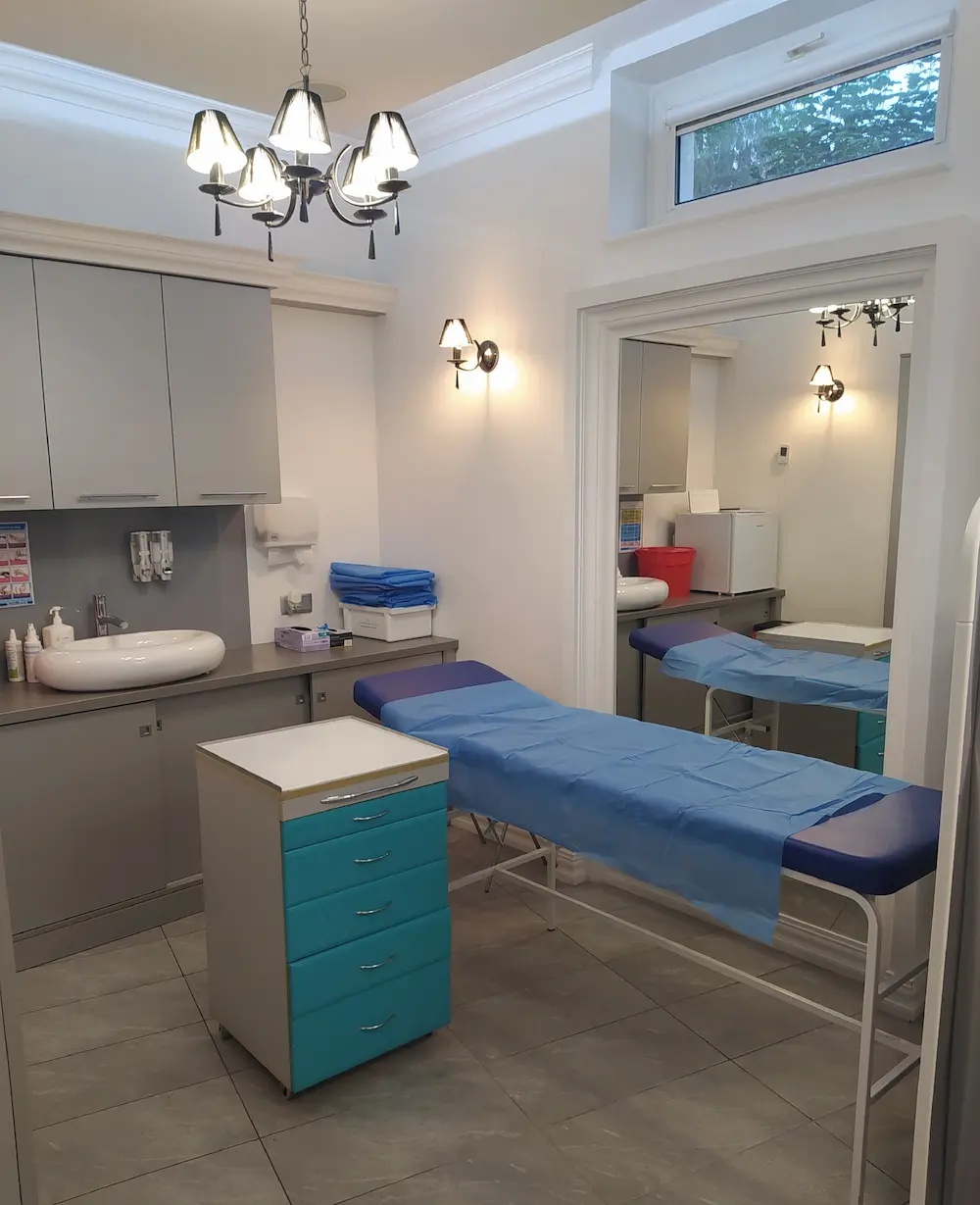
An addiction treatment centre in Gdynia is a facility where therapy runs in a residential mode - the patient stays there around the clock, for several weeks. They live, eat and sleep at the centre, and all of that time is given over to a single goal: getting out of the addiction. That is exactly what sets a stay apart from outpatient visits - instead of dropping in for an hour-long session and going back to the same surroundings, the patient is cut off from them for the duration of treatment.
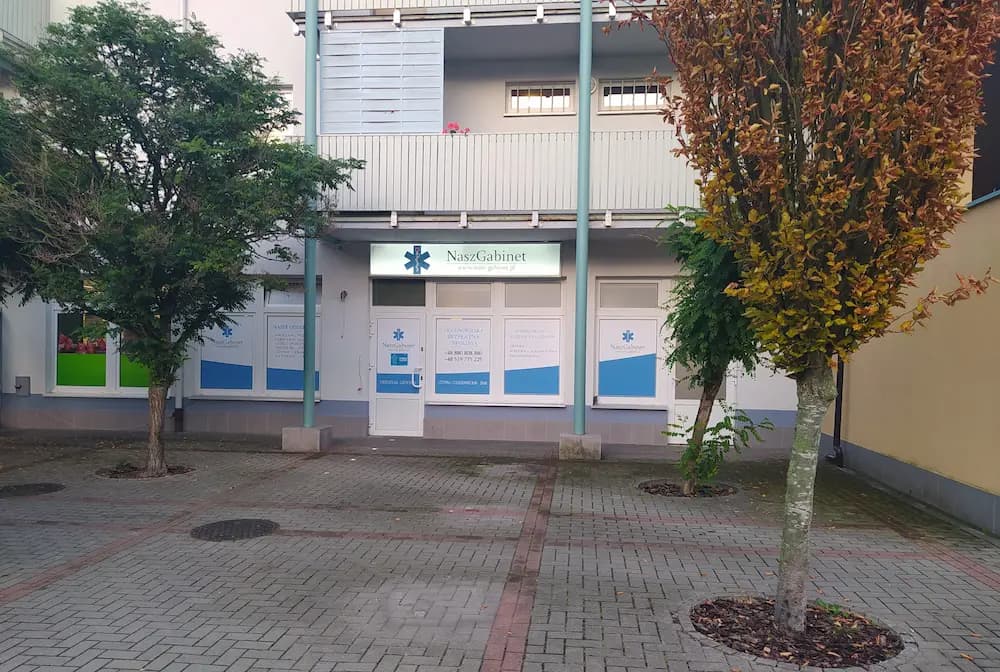
At Franciszka Sokoła 28 in Gdynia we treat addictions to alcohol, to sedative and sleeping medicines, and to drugs and legal highs. We also deal with behavioural addictions, gambling first among them. When the problem concerns one specific substance or behaviour, treatment can begin from a narrower path - for instance drug addiction treatment in Gdynia or gambling addiction treatment in Gdynia.
These addictions rarely come alone. Someone who drinks often reaches for sedatives, and gambling tends to go hand in hand with alcohol - which is why, during the assessment, we ask about the whole picture, not only about the problem that shows the most. The mechanism of addiction is similar regardless of what sets it off, and it is that mechanism that is the real subject of therapy.
People come to the centre in Gdynia from across the Tricity and Pomerania, but also from further afield - with a round-the-clock stay, distance from home can be an advantage, because it cuts the person off from the places and people tied to drinking or using. Age and the length of the addiction vary: from someone who lost control fairly recently to a person after several failed attempts at treatment.
When outpatient care stops being enough
For many people a good start is an outpatient clinic and weekly sessions - in Gdynia available on the NFZ, usually with a short wait for the first visit. That form is enough when the addiction is not yet deeply set and home offers support; outpatient alcoholism treatment in Gdynia works the same way. A residential centre is the answer to harder situations - when treatment from home has already failed, when cravings are strong, or when the closest surroundings keep pulling a person back into the addiction.
With us treatment is private and fully voluntary, with no referral and no queue - we set the date right after the conversation. In public care it can be different: a day therapy ward runs only during the day and you go home for the night, while admission to a round-the-clock, closed ward needs a referral to a psychiatric hospital and comes with a wait. Whether a stay is the right step we work out together during the assessment conversation.
What a stay at the centre looks like - step by step
It all starts with a single phone call. In the assessment conversation we ask what the patient is addicted to, how long the problem has lasted and how they feel now - and on that basis we suggest the length of the stay and the admission date. One condition is fixed: we admit a sober person. When there is still alcohol or another substance in the body, it first has to be withdrawn under care - that is what alcohol detox in Gdynia is for, and therapy starts only once the body has cleared.
The first days after admission
At the start there is time to settle in. The patient meets the therapists and the other participants, goes through an initial health assessment and, together with the lead therapist, draws up their own therapy plan. If a recent withdrawal is just behind them, the first days are gentler - the body recovers and the sessions pick up pace gradually. For the stay it is worth packing personal things for a few weeks, any regularly taken medicines with a note from the doctor, and an ID document.
After that the day settles into a fixed plan. Therapy takes up to 8 hours a day and combines group meetings with individual talks with the lead therapist. The rest of the day is meals at regular times, rest, time for tasks and sleep. It sounds ordinary, but that ordinariness is exactly what heals - for someone whose life has revolved around a substance for months, a return to a simple daily rhythm is the first real change.
For the duration of the stay the centre provides full board: lodging, meals and round-the-clock care, so that the patient need not worry about anything beyond their own recovery. Phone contact with loved ones is possible, but within set limits - the point is for it not to break the focus on therapy during the hardest first weeks.
Four or eight weeks
We have two stay packages: a shorter, four-week one and a longer, eight-week one. Four weeks are enough to get through the hardest beginning, to find balance and to learn the basic ways of coping with cravings. Eight weeks give room for deeper work on what drove the addiction and for cementing new habits - we reach for that longer option more often with a long history of addiction or after earlier relapses. We choose the exact length together with the patient during the assessment.
The therapeutic programme - the lead therapist, the group and the sessions
The most important thing about the whole stay is that the patient has their own lead therapist. This is one person who knows their case from the first conversation right through to leaving, guides them individually and is responsible for the course of the whole therapy. The patient does not have to tell their story over and over to new people, and the therapist sees on an ongoing basis what is really changing.
Individual meetings are the place for what is not easy to say in front of a group. Here the patient takes their own story apart - how the addiction started, what it actually served and what keeps it in place to this day. The therapist matches the pace and the topics to the particular person, and the conclusions from these talks come back later in the group.
The second leg of the programme is group therapy. Working among people with a similar burden has its value: someone else's mechanism of addiction is clearer than one's own, and the honesty of the other participants takes away the feeling of being alone with all of it. The group also gives feedback that is hard to count on at home.
The group sessions do not all look the same. Some are psychoeducation - concrete knowledge about how addiction acts on the brain, the body and behaviour. Other meetings are thematic: about emotions, about relationships, about coping with cravings and preventing relapse. Thanks to this the patient begins to understand their problem, not just to talk about it.
Skills that stay for later
Therapy at the centre is not only talk about the past. The patient learns to recognise their own signals of craving and the situations that trigger it, practises specific responses to tension without reaching for a substance, and gets to know the mechanisms that used to keep them in the addiction. These skills are meant to work above all after leaving - in ordinary, everyday life.
The whole team watches over the level of this work. Once a month the therapists meet for supervision - together, with an experienced specialist, they discuss the cases they are running. It is a routine that guards the quality of therapy and means that no important decision rests on one person alone.
Who residential treatment is for - indications and eligibility
Residential treatment is not the first choice for everyone, and we say so openly. It helps most the people for whom earlier attempts at an outpatient clinic brought no lasting effect, whose cravings are so strong that it is hard to hold out without steady support, and those whose home or closest environment keeps the addiction going. A stay also works well when the addiction comes with low mood, anxiety or insomnia - we deal with these alongside the therapy.
In practice very different people come to us. Someone who for years was sure they had their drinking in hand, until they stopped controlling it. Someone who went back to using after earlier therapy. A parent or partner who has run out of their own ideas and is looking for a place where their loved one will get real help. What they share is the moment when the ways used so far stopped working.
Whether a stay is the best solution we check in conversation. If someone will manage with outpatient treatment, for instance through addiction therapy in Gdynia, or first needs a doctor's consultation, we say so plainly - we do not talk anyone into a stay they do not need. The assessment is there to see the real picture of the situation, not to fill a place.
What a closed centre is
The term "closed centre" in private treatment means that the patient stays at the facility permanently and does not leave it during therapy, and contact with the outside world is limited in order to protect the recovery process. It has nothing to do with compulsion - admission and the stay are voluntary, and the decision to begin and to end it is made by the patient themselves. In an open or day model you go home for the night; that gives more freedom but also easier access to substances, which is why with a severe addiction a round-the-clock stay is chosen more often.
Safety, the team and discretion
Around the clock the patient has care close at hand. The team is made up of addiction therapists, and when needed we draw on a doctor's support and a psychiatric consultation - this matters especially at the start, when the body is recovering after withdrawing from a substance. The constant presence of staff means that in a harder moment, by day or by night, the patient is not left alone.
Safety is also predictability. From the first day the patient knows what their plan looks like, who is guiding them and what stage they are at. Decisions - about the length of therapy, about a possible doctor's consultation, about preparing to leave - are made in conversation with them, not over their head. This calm and these clear rules in themselves help to slow down after the chaos that active addiction brings.
Privacy and documentation
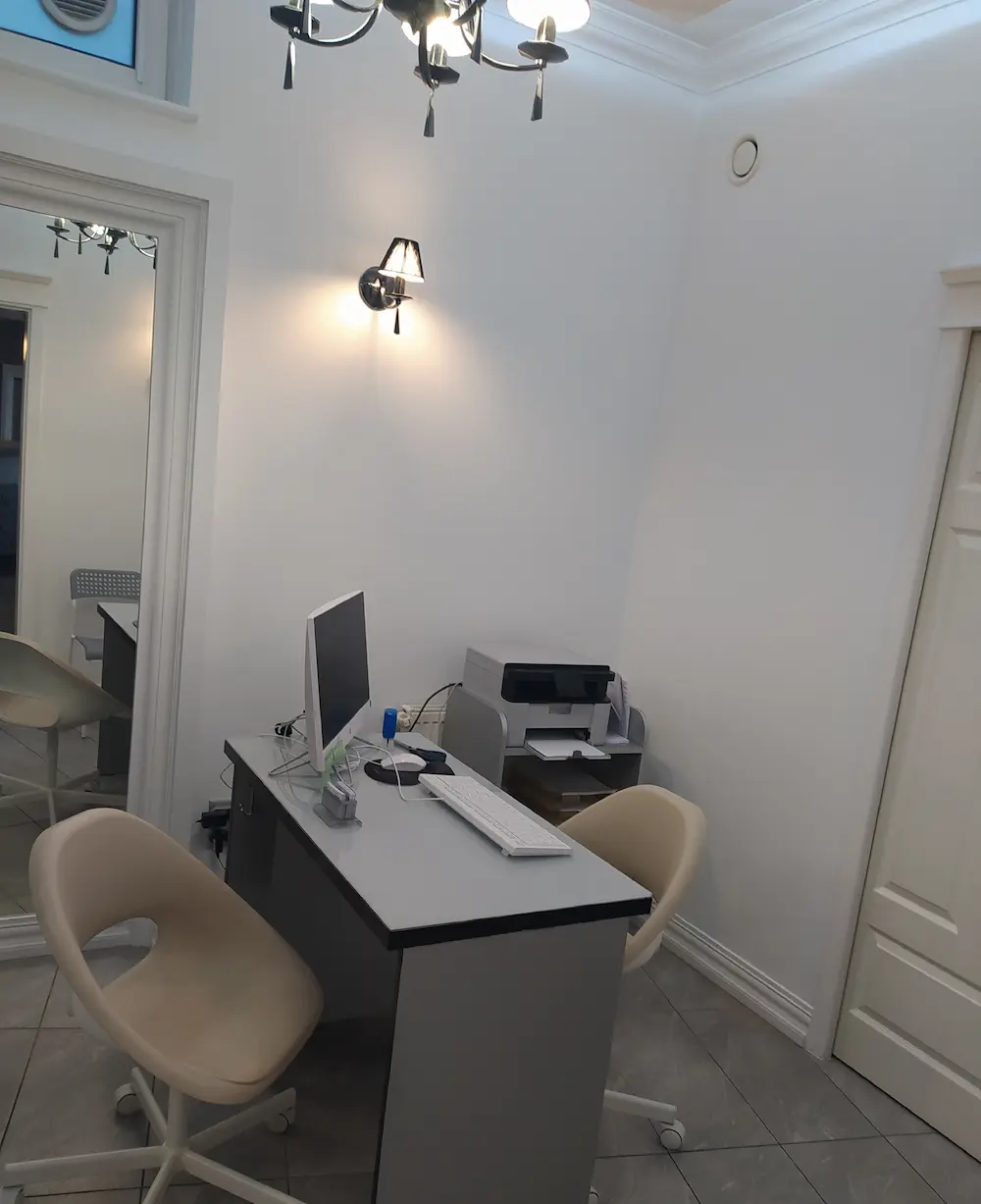
The stay is discreet, but discretion is not the same as a lack of documentation. We keep medical records in line with the law and protect them on the same terms as any health information. For the patient this means two things at once: their privacy is guarded, and at the same time they have full insight into how their own treatment is going.
The limits of treatment at the centre
Treating an addiction is a process, not an emergency intervention - and it is worth knowing what a stay does not settle. It does not replace urgent medical help: when health or life is directly at risk, immediate care is needed first, and therapy comes later. Nor does it replace a psychiatric diagnosis where one is necessary - in such situations we combine therapy with a doctor's care. We say this plainly, because honesty about the limits of treatment is part of good care.
Packages, prices and how to decide on treatment
The price comes down to how long the stay lasts. There are two packages to choose from:
- a four-week stay - the Intensive Start package, 13 000 PLN;
- an eight-week stay - the Full Process of Transformation package, 25 000 PLN.
The price covers the whole stay: accommodation, meals, full individual and group therapy, the team's care and the monthly supervision that guards the quality of treatment. We do not add separate charges for single sessions. Among private centres in the Tricity these are rates from the upper shelf - they match the intensity of the programme, that is up to 8 hours of therapy a day and work with a single lead therapist throughout the stay. The higher rate does not come from hotel extras, but from the number of hours of therapeutic work the patient gets each day.
How to begin
The first step is a call to 880 808 880. We arrange the assessment conversation, choose the length of the stay and set the admission date. Very often it is not the patient who calls but someone close to them - that is normal and just as good a start. The conversation settles nothing and is discreet; you can ask about anything before any decision is even made.
How to decide on residential treatment
The hardest part of the whole treatment is often not the stay itself but the decision to begin it. Few people make it overnight - it is usually preceded by months of wavering, of promises to do better and of further returns to the addiction. It is worth knowing that you do not have to be a hundred percent certain or ready to take the first step. It is enough to accept that the ways used so far are not working, and to check what others give.
Nor do you have to wait for rock bottom. The sooner someone reaches for treatment, the less harm the addiction has time to do and the easier it is to come back to a normal life. The decision is made by the patient themselves - loved ones can help to weigh it up and stand by it, but it cannot be effectively forced. Sometimes it is the family who make that first call, and the patient grows into the stay only during the conversation.
On the way to a decision the same worries most often stand in the way. Most of them can be broken down into parts:
- The belief that I will manage on my own - if one attempt after another ended in a return to drinking or using, then the addiction itself shows that going it alone does not work; a stay gives what was missing, that is a few weeks without access to a substance and steady support.
- Work and obligations - a few weeks are hard to set aside, but active addiction takes ever more days, health and relationships anyway; treatment is an attempt to turn that account around.
- Shame and how others will react - the stay is discreet and the documentation protected; only the person the patient chooses to tell knows about the treatment.
- Fear of withdrawal - the physically hardest beginning is gone through under care, and where needed it is preceded by detox, so you are not left alone with it.
- Cost - it is a real expense, which is why the price is clear up front and covers the whole stay, with no surcharges for individual sessions.
None of these worries is anything to be ashamed of - they are understandable and can be talked through during the first conversation. That too is part of the assessment: before we set a date, we answer the doubts that the patient or their loved ones call us with.