Obesity Treatment Olsztyn

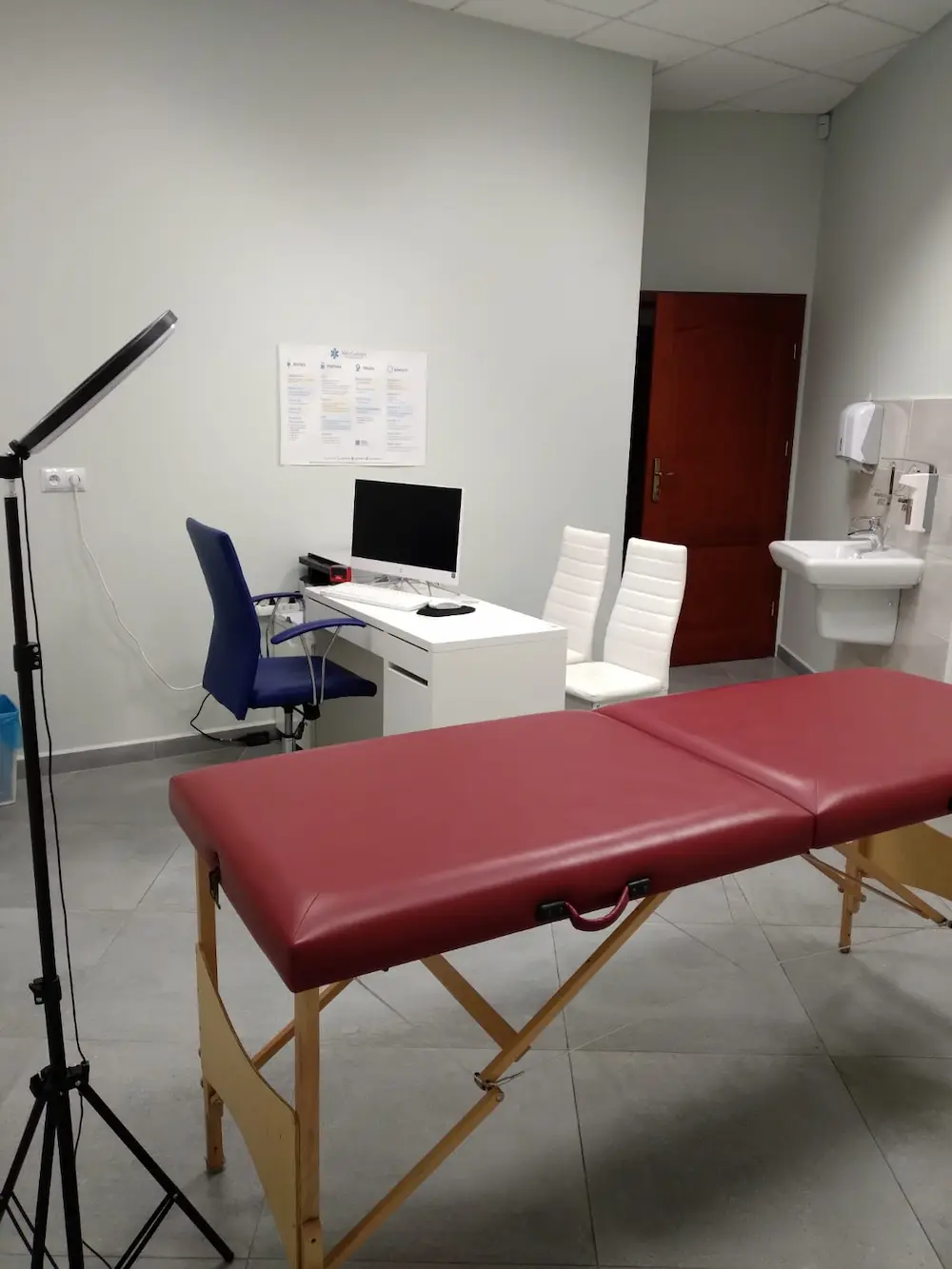
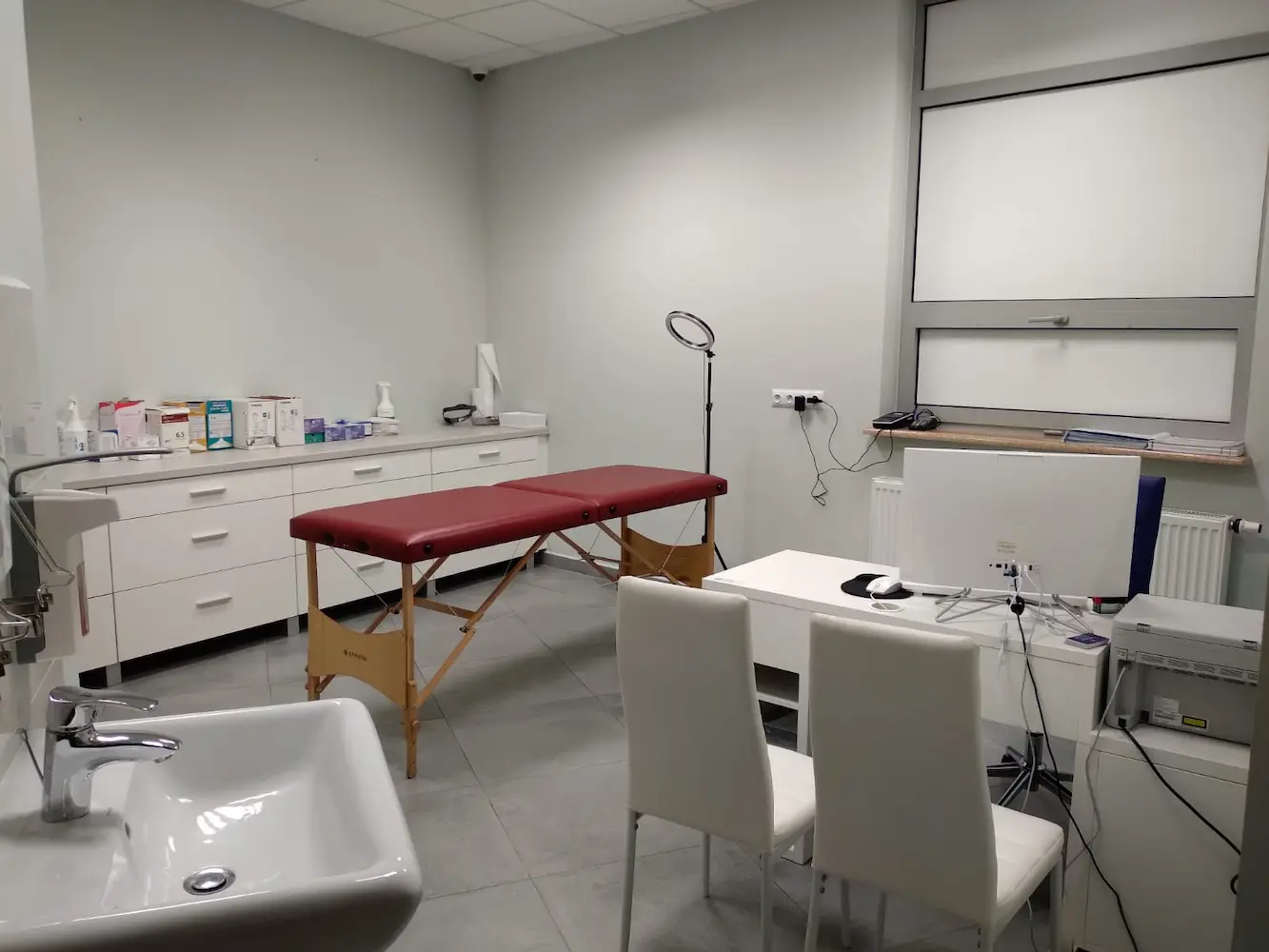
At Nasz Gabinet Olsztyn we treat obesity as a chronic disease, following the guidelines of the Polish Society for the Treatment of Obesity. The doctor makes the diagnosis from BMI, waist circumference, blood tests and the history of the patient's weight, and then assesses whether the patient is eligible for treatment with GLP-1 analogues, drugs that mimic the satiety hormone. We also ask about the complications of obesity (among them joint pain, high blood pressure and type 2 diabetes), because the plan for exercise depends on them. We see patients at our practice at Kopernika 44 and online, with no referral and no waiting list. Book an appointment online or give us a call.

Kopernika 44, 10-513 Olsztyn

Opening hours:Mon - Sun: 8:00 AM - 8:00 PM

Knowledge base

Obesity treatment in Olsztyn from diagnosis to keeping the weight off, with painful joints taken into account

What brings the weight back once a diet has ended

Obesity appears in the International Classification of Diseases under code E66, and the Polish Society for the Treatment of Obesity (PTLO), in its guidelines from 2024, describes it as a chronic disease, one that does not go away on its own and comes back once treatment stops. A patient who lost fourteen kilograms on their own two years ago now weighs the same as before that diet, and often a few kilograms more. This is a matter of physiology. Once body fat has gone, the body uses less energy than its new weight would suggest, releases more ghrelin, the hormone that drives hunger, and responds less strongly to leptin, which tells the hypothalamus how much fat is stored. After a diet has ended, the same dinner therefore satisfies for a shorter time than it did before.

Some of the causes lie outside food, and few people ask about them. They are the medicines the patient takes, an underactive thyroid, eating under strain, and pain that limits movement. In our patients that pain most often involves the knees. A painful joint shortens the distance walked, less movement encourages weight gain, and a heavier body loads that same joint harder. Adipose tissue itself acts as an endocrine organ. It promotes insulin resistance, that is a weaker response of the tissues to insulin, produces oestrogens and keeps up a low-grade but constant inflammation. This is where the link between obesity and type 2 diabetes, high blood pressure, fatty liver disease and osteoarthritis comes from.

We treat this disease the way any chronic disease is treated. The doctor makes the diagnosis, chooses the drug, assesses each month how well it is tolerated and how fast weight is coming off, and at each further follow-up appointment decides whether to change the product. The dietitian builds a meal plan around the patient's real day, and the specialist in the psychology of eating deals with eating driven by emotion. We plan for years, and we allow in that plan for weeks when the scales do not move.

What we measure at the first appointment before we make a diagnosis of obesity

Our diagnosis rests on two measurements and on the medical history. The first is BMI, body weight divided by the square of height in metres. A man 178 cm tall who weighs 116 kg has a BMI of 36.6. The thresholds set by the World Health Organization, which the Polish Society for the Treatment of Obesity has adopted, are the same for women and for men. Overweight starts at 25, class I obesity at 30, class II at 35 and class III at 40. The index on its own fails in people with a large muscle mass, and it says nothing about where the fat is laid down.

The second measurement is the waist circumference. We take it with a tape measure at the end of a quiet breath out, halfway between the lowest rib and the top edge of the hip bone. The International Diabetes Federation set the threshold for abdominal obesity at 80 cm in women and 94 cm in men, whatever the BMI. Fat stored around the organs of the abdomen raises insulin levels and drives inflammation harder than fat on the thighs, so two patients with the same BMI can carry quite different risks of diabetes. Finally we take the history of the patient's weight. We ask what they weighed at the age of twenty, when they began to put weight on and after what event, how many times they have lost weight and how many kilograms came back afterwards. We ask about the joints as well. We want to know how far the patient can walk before the pain starts, which knee or hip is the troublesome one, whether they walk with a crutch and whether an orthopaedic surgeon has already made a diagnosis.

Who gets a prescription and who is offered a meal plan first

From a BMI of 30 upwards the index alone is enough for us to issue a prescription. Between 27 and 30 a prescription only comes into play once the patient has a complication listed in the summary of product characteristics, the official description of the drug, that is prediabetes or type 2 diabetes, high blood pressure, lipid disorders or obstructive sleep apnoea. Knee pain on its own is not on that list, even though osteoarthritis counts among the complications of obesity. We say so to patients who arrive with a referral from an orthopaedic surgeon and a BMI of 28. We then look for metabolic complications in the blood tests, and if there are none we start with a meal plan and with exercises that do not load the joint. Between a BMI of 25 and 27 we do not offer drug treatment at all. Age by itself does not rule out drug treatment, but it does change the choice of product, because above the age of 75 we do not use liraglutide and we start the other drugs more cautiously.

What happens during the first year of obesity treatment in Olsztyn and when we judge whether the drug has worked

Treatment here is led by specialists in internal medicine certified by the Polish Society for the Treatment of Obesity. The first medical appointment costs PLN 250, takes about an hour and is held at our practice at Kopernika 44 or online. The doctor takes the history of the patient's weight, goes through the medicines and supplements they take, weighs them, measures the waist circumference and the blood pressure, looks at the test results and orders the ones that are missing. The doctor also asks about the painkillers taken for the joints, because they change the plan for the coming months. Anyone whose tests are complete and who meets the criteria leaves with an e-prescription (Poland's electronic prescription) for the starting dose and an appointment booked with the dietitian, and we teach the patient to use the injection pen at that same appointment, at the practice or by video.

With semaglutide it takes sixteen weeks to reach the target dose, because we raise the dose every 4 weeks. During that time we see the patient by video before every change of dose. The patient reports the weight and the blood pressure measured at home and says how well the drug is being tolerated, and the doctor decides on the dose and sends the code for the next e-prescription. Resistance exercise, with a band or with the patient's own body weight, starts in the first week, because weight comes off fastest at the beginning and that is when muscle is most easily lost instead of fat. For patients whose knees hurt we choose exercises done sitting and lying down, so that the first weeks do not end in a flare of pain. In the fourth month we repeat the blood tests.

After three months on the full dose, that is around the seventh month of treatment, we check whether the drug is working. The Polish Society for the Treatment of Obesity counts a drug as effective once body weight has fallen by at least 5 percent. Anyone who has not reached that threshold is given a different product, tirzepatide instead of semaglutide, for example, or a drug taken by mouth. In the second half of the year the dose stays as it is, follow-up appointments take place every 4 to 8 weeks, and once a quarter the patient comes to the practice for measurements and an examination. After twelve months we decide together whether the drug stays or whether we start coming down from the dose.

What we do not do at Nasz Gabinet Olsztyn when we treat obesity

  • We do not put obesity treatment off until a joint operation, or until the time after it. A patient waiting for a joint replacement loses weight before the operation, because a lower body weight lowers the risk of complications afterwards.
  • We do not treat joint pain. We neither issue nor renew prescriptions for painkillers, because pain is managed by the orthopaedic surgeon or the GP, while body weight is our responsibility.
  • We do not recommend running or jumping to patients with painful knees and hips. Instead we choose movement that loads the joint more gently, and we agree how many minutes of exercise a week are enough.

Which test results a patient from Olsztyn brings to the first prescription

Before the first prescription we ask for eight results, and every one of them can weigh on the choice of drug. Blood glucose is covered by glycated haemoglobin and fasting glucose; they decide whether we diagnose prediabetes or diabetes, and therefore also from what BMI the drug may be started. Kidney function is shown by creatinine and the eGFR calculated from it, and a result below 30 ml per minute rules liraglutide out. TSH shows whether the weight gain is due to an underactive thyroid, whose symptoms are easily mistaken for obesity itself. The last group describes the metabolic complications and covers the lipid profile, the liver enzymes ALT and AST, raised in obesity most often by fatty liver disease, and beyond that uric acid and a full blood count. We ask for results older than six months to be repeated and accept more recent ones whoever ordered them, while any that are missing the patient has done at a laboratory of their choice in Olsztyn and sends us a photograph before the appointment.

We also ask for a list of every medicine and supplement the patient takes, ideally with the packs or with photographs of them. In it we look for products that push body weight up. These are glucocorticoids, taken by many of our patients for joint disease, insulin, sulfonylureas and some antiepileptic, antidepressant and antipsychotic drugs. We do not stop them ourselves and we ask the patient not to stop them on their own either. When one of them makes obesity treatment harder, we write to the doctor who prescribed it and ask about an alternative from the same group with a gentler effect on body weight. We come back to the blood pressure and diabetes drugs a few months later, because once weight has come off their doses usually turn out to be too high.

Which tests we add in a patient with painful knees or hips

To the basic list we add two tests of inflammation, and three others we read more carefully than usual. We measure C-reactive protein, or CRP, and the erythrocyte sedimentation rate, or ESR, when there is swelling of a joint, morning stiffness lasting more than half an hour or pain in the small joints of the hands. Symptoms like these raise the suspicion of an inflammatory joint disease, and the patient then needs a rheumatologist, with weight loss only part of the treatment. We look at uric acid more closely, because sudden pain in a single joint with redness is more often gout than osteoarthritis, and gout calls for different treatment and a different diet. In people who take non-steroidal anti-inflammatory drugs long term we ask for a full blood count and creatinine before the obesity drug is started and again after four months, because these drugs are hard on the kidneys and irritate the lining of the stomach. We do not order X-rays, because osteoarthritis is diagnosed by the orthopaedic surgeon and it is the surgeon who decides about imaging.

How body weight loads the knees and hips and what losing weight changes

Patients with osteoarthritis of the knees and hips come to us for two reasons. Some arrive after an orthopaedic surgeon has made any further treatment conditional on losing weight, others have noticed for themselves that they can no longer climb a flight of stairs without a rest. Obesity destroys the joint in two ways. The first is mechanical, because at every step a force several times greater than body weight acts on the joint. The second is inflammatory, because adipose tissue releases substances that speed up the breakdown of cartilage, and this is why osteoarthritis also reaches the joints of the hands. Losing weight acts on both of these mechanisms, it eases the symptoms and improves function, although it does not reverse the changes already present in the joint.

How heavily everyday activities load the knee

The forces acting on the knee were measured with sensors built into an implanted joint replacement in five people going about everyday activities, so the figures are approximate; they are given as a percentage of body weight.

ActivityLoad on the knee as a percentage of body weightWhat this comes to at a weight of 100 kg
Standing on both legs107107 kg
Walking on the level261261 kg
Going up stairs316316 kg
Going down stairs346346 kg

Of all the activities measured, the knee is loaded most heavily by going down stairs, and it is on the way down that pain appears first, even though going up feels harder. Coming down, one kilogram of body weight corresponds to roughly three and a half kilograms of pressure on the joint, so the patient feels relief after losing only a few kilograms.

How much less the knee hurts after a ten percent weight loss

In a gait study in people with osteoarthritis of the knee, every kilogram of weight lost was linked to a fall of about four kilograms in the force compressing the joint at each step. That conversion is higher than the plain ratio of pressure to body weight in the table, because a lower weight also changes the way a person walks. Ten kilograms less therefore means about forty kilograms less on the knee, several thousand times a day.

The effect of weight loss on pain and function was examined in the eighteen-month IDEA trial in 454 people over the age of 55, with a BMI from 27 to 41 and osteoarthritis of the knee confirmed on X-ray. Participants who combined diet with exercise lost an average of 10.6 kg, that is 11.4 percent of body weight, diet alone gave 8.9 kg and exercise alone 1.8 kg. The group that combined the two reported less pain and better function than either of the others, and the forces compressing the knee were lower in those losing weight through diet than in those who only exercised. This is why, at the first appointment, we set a patient with knee pain a target of losing at least ten percent of body weight, and we say plainly that exercise alone will not be enough.

What the drug trial showed in patients with osteoarthritis of the knee

GLP-1 analogues have been tested separately in this group. A trial reported in 2024 enrolled 407 people with obesity and moderate osteoarthritis of the knee, with a mean BMI of 40.3 and severe pain before treatment began. After 68 weeks body weight had fallen by 13.7 percent on semaglutide and by 3.2 percent on placebo. Pain scored on the WOMAC questionnaire fell by 41.7 points against 27.5 points on placebo, and physical function, measured on a separate scale, the SF-36, improved by 12.0 points against 6.5. The placebo group also felt a clear improvement, because every participant was given dietary advice and guidance on exercise. Treatment was stopped because of side effects by 6.7 percent of those taking the drug against 3.0 percent on placebo. The drug does not rebuild cartilage and does not reverse the changes visible on an X-ray, but it eases pain and improves function enough for some patients to go back to longer walks.

When weight has to come off before a joint replacement

In joint replacement, obesity raises the risk of infection around the prosthesis, and that risk grows with BMI and is more marked in hip surgery than in knee surgery. A paper published in 2025 looked at what losing weight before the operation achieves. Patients with a BMI above 45 who came below that figure before knee surgery had a risk of infection close to that of patients with a lower BMI, while in those who did not manage to lose the weight it was several times higher. The study was observational, so it describes an association and does not prove that losing weight in itself protects against infection. This is where the BMI thresholds set by some centres before planned surgery come from. The level of the threshold is set by the operating surgeon, while we manage the weight loss during the wait and pass each month's measurements on to the orthopaedic surgeon.

Whether to take the drug in the days before and after the operation is decided by the anaesthetist who assesses the patient for anaesthesia. Guidance issued in 2024 jointly by the anaesthetic, gastroenterology and bariatric societies, among them the American Society of Anesthesiologists, allows most patients to take a GLP-1 analogue up to the day of surgery. More caution is applied to people in the middle of increasing the dose, on high doses and reporting stomach symptoms. In them a day on a liquid diet before the operation, or an ultrasound assessment of the stomach immediately before anaesthesia, is advised. We therefore ask the patient to mention the drug at the anaesthetic appointment, and we issue a record of the doses to be handed to the hospital.

What a GLP-1 analogue does in the body and how much weight loss to expect

After a meal the gut releases the hormone GLP-1, which curbs appetite, slows the emptying of the stomach and prompts the release of insulin, and is then broken down within a few minutes. Drugs in this group have an altered structure, so the body breaks them down more slowly and their effect lasts for many hours or days. In practice this means feeling full after a smaller portion and thinking less about food between meals; the second change is described most often by people who, before treatment, were planning the next meal as soon as they left the table. Tirzepatide also stimulates the receptor for GIP, a second gut hormone, and in trials it lowers body weight more markedly than semaglutide. Semaglutide and tirzepatide are given once a week under the skin of the abdomen, the thigh or the upper arm, liraglutide daily, and we raise the dose every 4 weeks so that the digestive tract has time to get used to it.

How we convert the results of the licensing trials into kilograms

The licensing trials report the result as a percentage of body weight, while the patient counts in kilograms, so we do the conversion at the appointment. A patient weighing 116 kg loses about 17 kg on semaglutide over 68 weeks, and about 24 kg on tirzepatide over 72 weeks. The first figure rests on the STEP 1 trial, in which body weight fell after 68 weeks by 14.9 percent against 2.4 percent on placebo. The second comes from the SURMOUNT-1 trial, in which tirzepatide at a dose of 15 mg lowered body weight after 72 weeks by 20.9 percent against 3.1 percent on placebo. Liraglutide performs least well, because in the SCALE trial body weight fell after 56 weeks by 8.4 kg against 2.8 kg on placebo, that is by roughly 8 percent. Results in individual participants varied widely. Some lost twice as much as the average, others almost nothing, and there is no way of predicting in advance which group a patient will fall into. This is why, after three months on the full dose, we check whether body weight has fallen by 5 percent, and if it has fallen by less we change the product.

Why we bring the dose down gradually

Participants in the STEP 1 trial had the drug stopped and their care ended when it finished. Within a year they had regained two thirds of the kilograms they had lost, and their blood glucose and blood pressure returned to the values from before treatment. We therefore treat coming off the drug as a separate stage of treatment. We bring the dose down gradually once body weight has been steady for several months, the way of eating has settled and resistance exercise has a fixed place in the week. We carry on with follow-up appointments for another six months after the last injection. Anyone who, after stopping the drug, puts on 5 percent of the body weight reached during treatment goes back on it. A relapse of this kind is part of the course of a chronic disease.

How a drug licensed for obesity differs from a diabetes drug and what a month of treatment costs

At the first appointment patients usually name more products than there are licensed ones. Five substances are approved in Poland for the treatment of obesity, sold as Wegovy, Mounjaro, Saxenda, Mysimba and Xenical. Ozempic, Rybelsus and Victoza contain semaglutide or liraglutide, the same substances as in Wegovy and Saxenda, except that they are licensed for type 2 diabetes alone. What a doctor may prescribe in obesity is settled by the summary of product characteristics, not by what the product contains.

Why we do not prescribe a diabetes drug to someone without diabetes

The difference comes down to the dose and to the licensed indication. Wegovy contains semaglutide at doses reaching 2.4 mg and went through the STEP programme of trials in people with obesity, while Ozempic has doses up to 2 mg and an indication limited to diabetes. Rybelsus is the same semaglutide in a tablet, again intended for people with diabetes. With liraglutide the split looks the same, because Saxenda at a dose of 3 mg treats obesity and Victoza at doses up to 1.8 mg treats diabetes. The exception is tirzepatide, sold as Mounjaro, which is approved in both diseases. Someone without diabetes taking Ozempic is therefore taking a drug outside its indication, at a dose never studied in obesity, and a doctor who has issued such a prescription at the reimbursed price may be ordered by the National Health Fund (NFZ) to repay the cost of that reimbursement. This is why we prescribe Wegovy or Mounjaro, and where type 2 diabetes is present as well we agree the product with the diabetes specialist in charge.

What a month of each product costs

None of the five products is reimbursed for this indication, so the patient buys the drug at the full price. In September 2026 the monthly cost runs from PLN 550 to 890 for Wegovy, from PLN 800 to 1900 for Mounjaro, from PLN 500 to 1250 for Saxenda, from PLN 370 to 600 for Mysimba and from PLN 160 to 350 for orlistat. The lower figure in each pair corresponds to the starting dose and the higher one to the target dose, which the patient reaches after several months, and we advise budgeting for the higher one. The wide range for Saxenda comes from cheaper liraglutide equivalents being sold alongside the original product. Prices for the same dose differ between pharmacies by a few dozen zloty, so we ask patients to compare them before the first purchase and then to stay with one pharmacy.

When we offer tablets instead of an injection

Mysimba and Xenical work less strongly than the injections, and even so they suit some patients better. Mysimba combines naltrexone with bupropion; both act on the centres in the brain responsible for the pleasure of eating, so they curb eating driven by emotion. In the COR-I trial body weight fell after 56 weeks by 6.1 percent against 1.3 percent on placebo, and the summary of product characteristics requires treatment to be stopped when the loss has not reached 5 percent after 16 weeks. We do not use the product in uncontrolled high blood pressure, in epilepsy, in bipolar disorder, after bulimia or anorexia, in people treated with opioids or during alcohol withdrawal. Xenical contains orlistat, which blocks the absorption of roughly one third of the fat in a meal; in trials it gave an advantage of about 3 kg over placebo after a year, and it calls for the fat in the diet to be limited, because otherwise oily stools appear. We reach for tablets in patients with a lower BMI, in people who eat under the influence of emotion and where the injections are contraindicated.

What we do not combine with treatment and when a patient rings the practice the same day

The summary of product characteristics for semaglutide lists one absolute contraindication, hypersensitivity to the active substance, but there are more situations in which we do not start the drug. We do not start it in pregnancy or while breastfeeding. We also do not use it in gastroparesis, that is paralysis of the stomach, or in severe kidney failure, and after an episode of pancreatitis we start it only once the risk has been weighed carefully. In patients with diabetes treated with insulin or with sulfonylureas we lower the doses of those drugs together with the diabetes specialist, because otherwise the risk of hypoglycaemia, of low blood sugar, goes up. We also ask about the non-steroidal anti-inflammatory drugs taken for the joints, because with vomiting and a lower fluid intake they are harder on the kidneys than usual.

How long the nausea lasts and what eases it

Stomach and bowel symptoms are the commonest reason for phone calls in the first weeks. In a pooled analysis of the STEP 1 to 3 trials, nausea was reported by 43.9 percent of those taking semaglutide and by 16.1 percent of those in the placebo group, and in half of them it settled within eight days. Diarrhoea occurred in 29.7 percent of participants, vomiting in 24.5 percent and constipation in 24.2 percent. In the STEP 1 trial itself, 4.5 percent of those taking the drug stopped treatment because of digestive symptoms, against 0.8 percent on placebo. The symptoms get worse in the days after every increase in dose, which is why we raise it every 4 weeks and, where it is poorly tolerated, leave the previous dose in place for another month; smaller portions, eating more slowly and dropping fatty food while the body adjusts all bring relief. We keep a separate eye on the gall bladder, in which gallstones were found in 1.6 percent of those treated and inflammation in 0.6 percent, because stones form with any rapid weight loss, whatever the product. Acute pancreatitis affects about 0.2 percent of those treated.

Which symptoms call for a phone call without waiting for an appointment

Four symptoms call for contact the same day. The first is vomiting that lasts longer than a day, when the patient cannot keep fluids down. The second is abdominal pain radiating to the back, which has to be assessed in hospital. The third is yellowing of the skin or of the whites of the eyes. The fourth is a fall in body weight of more than 2 kg in a week despite normal meals. We ask patients with diabetes to ring as well if their eyesight deteriorates quickly, because a sudden improvement in blood glucose control makes retinopathy temporarily worse. We answer the phone every day from 8am to 8pm, and outside those hours the out-of-hours health service takes over.

How to tell that an injection pen is not counterfeit

Counterfeit semaglutide pens bought outside pharmacies have already reached the market in Europe, Poland included. Every pack dispensed in a pharmacy carries a batch number and a two-dimensional code, checked at the point of sale in the European verification system. We therefore ask patients not to buy the drug from small ads, from auction sites or from private individuals, even when the price is half as much. We issue the prescription as a code sent by text message, valid in any pharmacy.

What the dietitian and the specialist in the psychology of eating do in the first year of treatment

The drug reduces appetite, but it does not decide what the patient eats or at what time of day. The dietitian therefore starts with a dietary history and with the shape of the day. We set the calorie deficit, that is how much less the patient eats than they use, at 500 to 750 kcal a day, and protein at 1 to 1.5 g per kilogram of ideal body weight, the weight the patient should have for their height, and we spread it across every meal. With rapid weight loss, muscle goes along with the fat. In a patient with a bad knee the quadriceps muscle of the thigh holds the joint in line, so losing that muscle worsens function more than the kilograms alone do. To the meal plan we add fibre from vegetables, grains and wholemeal products, which reduces the risk of constipation when the bowel is working more slowly, and on top of that we ask for at least a litre and a half of fluid a day.

We plan exercise separately, and not in order to burn calories, because a session burns few. The point is to keep the muscle on which the metabolic rate depends once treatment ends, and to stabilise the joint. We suggest resistance exercise twice a week, at home, with elastic bands and body weight. Where the knees hurt we start with straightening the leg while seated, with exercises lying down and with walking on the level. Going down stairs and walking downhill we leave for later, because of all the activities measured they load the knee most heavily. We bring in cycling and swimming where the patient has access to them. In water the body is lighter and the joint works almost without load, and pedalling spares the knee any jolting. The first target is a quarter of an hour of movement every day, with longer sessions coming later.

Why obesity treatment involves a specialist in the psychology of eating

Not all eating comes from hunger. Some patients reach for food under strain, after a hard day or after an argument, and a GLP-1 analogue quietens physical hunger alone. For such people the first weeks of treatment are a disappointment. The specialist in the psychology of eating teaches them to recognise the moment before they reach for food and to plan meals so that they do not come home hungry. The specialist also looks for other ways of relieving that strain. We work separately with people who eat to drown out chronic pain. When function and sleep are poorer, food remains one of the few pleasures still easily to hand. Where there is binge eating disorder we suggest a psychiatric consultation alongside. We run the first year as a team, so the doctor, the dietitian and the specialist in the psychology of eating see the same measurements and the same notes.

Whether alcohol is allowed on a GLP-1 analogue and with a raised uric acid level

A gram of pure alcohol supplies 7 kcal, a gram of fat 9 kcal, and the body burns the calories from alcohol first. As long as the liver is breaking alcohol down, the body is not burning the fat from a meal. Half a litre of beer comes to about 250 kcal and a shot of vodka to about 110, so three beers in one evening cancel out the whole day's deficit. Alcohol also raises blood pressure and weakens control over eating, and when it is drunk to make falling asleep easier it spoils sleep in the second half of the night.

With diseased joints there is also the matter of uric acid. Beer raises its level twice over, because it contains both alcohol and the purines from which the acid is formed. An attack of gout most often involves the joint at the base of the big toe, but it happens in the knee as well, and there it is easily mistaken for a flare of osteoarthritis. With patients whose uric acid is raised we therefore talk about beer separately. During treatment with a GLP-1 analogue alcohol is absorbed unevenly, because the stomach empties more slowly, so the patient judges less well how much they have already drunk. Alcohol also makes the nausea after an injection worse. In people taking insulin or sulfonylureas the risk of low blood sugar rises after alcohol, most often at night. We do not make complete abstinence a condition, but we do ask for an honest answer about how much and how often the patient drinks, because the rate of weight loss and the safety of treatment depend on it.

It happens that drinking comes to the fore in a conversation about body weight. When an evening beer for a painful knee becomes part of every day, changing the meal plan on its own will change little, so we suggest starting with treatment for the addiction. At the same practice we run alcoholism treatment in Olsztyn and addiction therapy, and naltrexone, one of the components of an oral obesity drug, is also used in the treatment of alcohol dependence, at a different dose and for a different indication.

When an examination at the practice in Olsztyn is needed and when a video call is enough

The first appointment can be held remotely, and where mobility is limited that is usually the more convenient way. The doctor then takes the history, looks at the test results and at the weight and blood pressure readings recorded at home, and issues a prescription on that basis. We ask patients to come to the practice when a hands-on examination is needed. The doctor examines the thyroid, looks at the skin in the armpits and the groin, where dark, velvety patches appear with insulin resistance, and measures the waist circumference. Blood pressure is measured on both arms with a cuff matched to their girth, because one that is too narrow gives a falsely high reading in a person with obesity.

A video call is enough, on the other hand, while we are working up to the target dose, because we are talking about how the drug is tolerated and reading the measurements taken at home. We see the patient in person once a quarter and whenever a symptom appears that needs examining. Blood is taken at a laboratory near home and the result sent to us before the appointment, and the e-prescription arrives as a code by text message whatever form the consultation takes. Patients who have had joint surgery are offered remote follow-ups for the first weeks, for as long as travelling and stairs are a problem for them.

What the NFZ pays for in obesity treatment in Olsztyn and what the patient pays for

No drug is reimbursed for this indication, so the patient covers that cost. Public health care does cover the diagnosis and the tests. A GP will diagnose obesity, order basic tests and issue a referral to a specialist clinic. What public care lacks is the running of obesity treatment itself, because an appointment with a GP lasts a dozen or so minutes and there are few metabolic clinics in the country.

The NFZ does fund orthopaedic treatment, which matters to many of our patients. Hip and knee replacement is a service covered by public health insurance, as are outpatient physiotherapy and rehabilitation after the operation, and both call for a referral. The patient will also have blood tests ordered by the GP and imaging done on a referral without charge, and once the criteria are met may be accepted for bariatric surgery. What they pay for themselves is the appointments with us, the drug from the pharmacy and the consultations with the dietitian and the specialist in the psychology of eating, whose prices we give in our price list. We ask about these costs at the first appointment, because a patient who is also paying for private physiotherapy budgets differently.

Whom we refer from Olsztyn for bariatric surgery and how it fits with an orthopaedic operation

The thresholds for surgery were lowered in 2022 by joint guidelines from the bariatric societies ASMBS and IFSO, to which the Polish Society of Surgeons also belongs. From a BMI of 35 surgery is considered in someone with no other conditions, and with type 2 diabetes from a BMI of 30, whatever the treatment for the diabetes. About half a million people in Poland meet the conditions, as the Polish Society for the Treatment of Obesity estimates, and a few thousand operations are carried out each year. To patients with referrals both to a surgeon and to an orthopaedic surgeon we explain that these are two separate operations and that one does not stand in for the other.

We refer to a surgeon in two situations. The first is a patient who meets the criteria and in whom a dozen or more months of properly conducted non-surgical treatment have brought no lasting effect. The second is class III obesity with diabetes or with severe sleep apnoea. The hospital may be chosen outside the patient's own province as well. Preparation covers weight loss, bringing diabetes and blood pressure under control, correcting deficiencies of iron and vitamin D, and a psychological consultation. After the operation the patient takes vitamins and trace elements for the rest of their life and has blood tests checked every six months. We also warn that rapid weight loss takes bone with it, that is the bones become weaker, and that some drugs are absorbed differently afterwards.

In a patient with class III obesity who is waiting for a joint replacement, the order of the operations is decided by the surgeon and the orthopaedic surgeon, because each of them is weighing a different risk. We pass on to them the record of the non-surgical treatment together with the measurements from each month. Bariatric surgery changes the way treatment is run, but it does not end it. Some patients return to drug treatment several years later because their weight has gone up again.

Obesity treatment in Olsztyn for patients from Ostróda, Szczytno, Biskupiec, Dobre Miasto and Lidzbark Warmiński

Patients travel to the practice at Kopernika 44 from all over Warmia and Masuria, among others from Barczewo, Dywity, Olsztynek, Dobre Miasto, Biskupiec, Szczytno, Ostróda, Lidzbark Warmiński and Mrągowo. We arrange treatment so that the patient travels as rarely as possible. The first appointment and the quarterly measurements take place at the practice, the monthly follow-ups by video, and the patient has the blood tests done at a laboratory where they live.

Distances count for more here than in provinces with a denser network of towns. There are few clinics running obesity treatment under the NFZ in the region and they are in the largest towns, so for someone living at the edge of the province every appointment means a long journey. The same holds for rehabilitation after joint surgery, which has to be attended several times a week. This is why we run the follow-ups remotely in patients who have had orthopaedic operations, and set the dates at the practice so that they fall on the same day as their other visits to the city.

Where a patient from Olsztyn and Warmia is treated for obesity under the NFZ and where bariatric surgery is done

In the Warmia and Masuria province one metabolic clinic works under the NFZ, in Olsztyn, and the NFZ guide to treatment waiting times gives neither the number of people waiting there nor the waiting time, so the date has to be asked about at reception, with a referral from a GP. With a referral it is possible to book outside the province as well; the nearest clinics are in Gdańsk and Gdynia, where according to that guide 698 and 742 people respectively were waiting in July 2026, with an average waiting time of 126 and 229 days. A patient with type 2 diabetes will also be seen by a diabetes clinic, which treats the obesity together with the diabetes.

Referral for bariatric surgery can be made to any centre; on the list kept by the Polish Society of Surgeons the province has one, in Olsztyn. A patient from Olsztyn therefore chooses between a referral and a wait for a date, and private treatment with no referral, while the drug from the pharmacy costs the same on either route.

OBESITY TREATMENT TEAM

Obesity treatment specialists — Olsztyn

Your care is provided by a doctor who assesses your eligibility for medication and therapists who help with emotional eating. Meet our team in Olsztyn.

lek. med. Bogdan Bas

lek. med. Bogdan Bas

Medical doctor, addiction treatment specialist

Lek. med. Bogdan Bas has specialised in addiction treatment for over 15 years, combining medicine and psychotherapy into a modern treatment method.

View profile →
dr Agata Niezabitowska

dr Agata Niezabitowska

Doctor of psychology, certified addiction therapist

Graduate of the University of Wrocław.

View profile →
mgr Aleksandra Szypowska

mgr Aleksandra Szypowska

Psychologist, certified addiction psychotherapy specialist

Graduate of SWPS University of Social Sciences and Humanities.

View profile →
QUESTIONS AND ANSWERS

Obesity treatment Olsztyn - FAQ

That depends on the starting weight and on the drug, and a year is usually too short. At 110 kg, twenty kilograms is about 18 percent of body weight. Tirzepatide gave an average of 20.9 percent in the SURMOUNT-1 trial, but after 72 weeks, that is after about sixteen months. Semaglutide in the STEP 1 trial gave 14.9 percent after 68 weeks, which at 110 kg means about 16 kg, so twenty kilograms calls for a result above the average or for several extra months. At a lower starting weight the same loss makes up a larger proportion and fewer patients achieve it. We run this treatment during the wait for surgery and send the measurements every month, so that the orthopaedic surgeon can see the progress. Losing the weight also matters for the operation itself, because in a paper from 2025 patients with a BMI above 45 who came below that figure had a risk of infection around the prosthesis close to that of patients with a lower BMI.
We start with movement that does not carry body weight through the knee. A bicycle with the saddle set high, swimming and exercises lying down load the joint far less than walking, in which the knee carries more than two and a half times body weight. Walking stays in the plan, only broken into several short stretches through the day and on the level, because of the activities measured the knee is loaded most heavily by going down stairs and walking downhill. To that we add strengthening of the quadriceps muscle of the thigh while seated, because a stronger muscle stabilises the joint and eases pain when walking.
That is decided by the anaesthetist at the appointment where you are assessed for anaesthesia, so please tell them about the drug and show them the doses. Joint guidance from the anaesthetic, gastroenterology and bariatric societies from 2024 allows most patients to take the drug up to the day of surgery. More caution is applied to people in the middle of increasing the dose, on high doses and with stomach symptoms; in them a day on a liquid diet before the operation, or an ultrasound assessment of the stomach immediately before anaesthesia, is advised. We prepare a record of the doses and the injection dates for the patient before admission. After the operation we go back to treatment once the wound has healed and the patient is eating normally.
There is no direct interaction between non-steroidal anti-inflammatory drugs and GLP-1 analogues. The risk comes from dehydration, because in the first weeks of treatment some patients vomit and drink less, and the anti-inflammatory drug is then harder on the kidneys. This is why we check creatinine and a full blood count before starting the drug, repeat both after four months and ask for at least a litre and a half of fluid a day. A separate matter is taking ketoprofen daily over a long period, which in itself calls for a conversation with the doctor managing the joint disease about changing the product or about adding a drug to protect the stomach.
Yes, losing more weight takes load off the joint. Every kilogram shed reduces the pressure on the knee at each step by roughly four kilograms, so twelve kilograms means about fifty kilograms less at every step, several thousand times a day. The changes visible on an X-ray will not reverse, but pain and function do not depend on the picture of the joint alone. In the IDEA trial from 2013, participants who lost 11.4 percent on diet combined with exercise reported less pain and better function than those who only exercised.
It does, though we run it more cautiously. Age changes the choice of product and the pace at which the dose is raised. Where mobility is limited we watch two things. First, protein at every meal and resistance exercise, so that muscle does not go along with the fat, because losing it hits function harder in someone walking with a crutch than in someone walking unaided. Second, the doses of the blood pressure and diabetes drugs, which usually have to be lowered once weight has come off. We hold the appointments mainly online and ask the patient to come to the practice once a quarter.
Usually four times a year. We see you in person at the first appointment and then once a quarter, when we measure the waist circumference and the blood pressure and examine you. The remaining follow-ups take place by video, you have the blood tests done in Ostróda, and the prescription arrives as a code in a text message. If a symptom that needs examining appears in between, we ask you to come outside that rhythm.
We settle the plan for the cold months back in September, because a break like that usually drags on until spring and a few kilograms have time to come back. Cycling stays, only on a stationary bike or as journeys around town, with the swimming pool once a week and two short sessions of resistance exercise at home. Knee pain usually gets worse in winter, and doing nothing makes it worse still. This is why we write the winter plan down in the same way as the dose of the drug, with set days of the week.
The largest item each month is the drug, which the patient pays for in full, because no product licensed for obesity is reimbursed. A month costs from PLN 550 to 890 with semaglutide and from PLN 800 to 1900 with tirzepatide, counting from the starting dose to the target dose, and after several months the figure at the upper end applies. On top of that come a follow-up appointment every 4 weeks and the consultations with the dietitian and the specialist in the psychology of eating, whose prices we give in our price list. The first medical appointment costs PLN 250 and is a one-off. The blood tests are ordered under the NFZ by the GP.
BLOG

Learn more about obesity treatment — Olsztyn

LOCATION

How to find us in Olsztyn?

Nasz Gabinet Olsztyn

Address
Kopernika 44
10-513 Olsztyn
Opening hoursMon - Sun: 8:00 AM - 8:00 PM
Book now

Obesity treatment — Olsztyn

Book your first appointment

A medical consultation, assessment for medication and support with changing eating habits. Appointments at the practice or online.

Kopernika 44, 10-513 Olsztyn