Why a doctor treats obesity like any other chronic disease
Obesity is a chronic disease: it has the code E66 in the ICD-10 classification, and in 2024 the Polish Society for the Treatment of Obesity (PTLO) issued separate guidelines for it, describing it as a disease that does not resolve on its own and usually returns after a break in treatment. A patient from Katowice who has spent years being told to simply eat less usually hears this from a doctor for the first time. That is why at Nasz Gabinet Katowice we treat it like any other chronic disease: we diagnose it against the BMI and waist circumference thresholds, we measure the effect of treatment and we follow patients up for years.
The disease begins with disturbed appetite regulation. After a meal the gut releases the hormone GLP-1 and body fat releases leptin; both hormones carry a satiety signal to the brain. In a person with obesity that signal is weaker, so fullness arrives later and lasts a shorter time. When the patient eats less, the body defends itself against weight loss: it slows the metabolic rate and sharpens hunger. This is why, in most patients, a diet that leaves the disturbed appetite regulation untreated ends with the weight returning.
Obesity damages the body gradually. The PTLO lists more than 200 diseases that obesity leads to, and in Katowice the ones we most often find in our patients are prediabetes and type 2 diabetes, high blood pressure, fatty liver disease, sleep apnoea and osteoarthritis of the knees. Losing 5 to 10 percent of body weight improves the course of every one of these diseases, and that is the first goal of treatment, without looking back at what the patient weighed twenty years ago.
How we calculate BMI and measure waist circumference to diagnose obesity
Diagnosis starts with BMI, that is body weight in kilograms divided by height in metres squared. A man 180 cm tall weighing 98 kg has a BMI of 30.2, which on the PTLO thresholds for adults means class I obesity; overweight starts at 25, class I obesity at 30, class II at 35 and class III at 40. At that same height the line for class I obesity falls at about 97 kg and for class II at about 113 kg.
BMI does not tell fat from muscle and says nothing about where the fat sits, so the second measurement is waist circumference. On the criteria of the International Diabetes Federation, a waist of 80 cm or more in women and 94 cm or more in men means abdominal obesity. Visceral fat, which surrounds the liver and the pancreas, releases inflammatory substances and raises the risk of type 2 diabetes and heart attack more than fat under the skin does. A patient with a BMI of 27 and a waist of 105 cm is ill in the doctor's eyes, even though the BMI table puts them only in the overweight range.
What BMI and which illnesses make a patient eligible for obesity treatment
We book an appointment with a doctor who treats obesity at a BMI of 30 or above, and also at a BMI of 27 to 29.9 if the patient already has prediabetes, type 2 diabetes, high blood pressure, lipid disorders, fatty liver disease, sleep apnoea or joint pain from overloading. We also book people whose BMI is normal but whose waist is above the limit and whose blood tests show insulin resistance, that is a poor response of the body to its own insulin. Obesity medicine is not a separate medical speciality, and an obesity specialist is a doctor holding a PTLO certificate. Here obesity is treated by doctors with a background in internal medicine. We see adult patients only.
What happens at the first appointment in Katowice and in the months of obesity treatment that follow
The first medical appointment at the practice on Józefowska costs PLN 250, and an online appointment costs the same. The doctor asks how the patient's weight has changed over the years, what diets they have tried, what medicines they take regularly and what illnesses run in the family, then measures height, weight and waist circumference, calculates BMI, goes through the test results the patient has brought and orders the missing ones. If the criteria are met and the patient has brought a complete set of results, they leave with an e-prescription for the first and lowest dose of the drug and with an appointment booked with a dietitian.
Treatment lasts at least a year, because on PTLO guidance anything shorter does not make the effect last. The goal for the first 3 to 6 months is a fall in body weight of 5 to 10 percent, and of 7 to 15 percent in a patient with type 2 diabetes. The doctor sees the patient every 4 weeks, usually online, in step with the dose escalation of semaglutide and tirzepatide. At every follow-up the doctor checks weight and blood pressure, asks about side effects, then decides on the next dose and issues an e-prescription.
Between medical follow-ups the patient sees a dietitian and, if they eat under the pressure of emotions, a specialist in the psychology of eating. After about a year, once weight has settled, we agree with the patient whether the drug stays for longer or whether we try to withdraw it gradually. That decision depends on how treatment has gone, because the extended follow-up of the STEP 1 trial found that in the year after semaglutide is stopped patients regain on average two thirds of the weight they had lost.
What we do not do at Nasz Gabinet Katowice when treating obesity
- We do not sell medicines. The patient receives an e-prescription and fills it at any pharmacy.
- We do not treat children or teenagers. We see adult patients only.
- We do not perform bariatric surgery. We run and document non-surgical treatment, and we refer a patient who is eligible for an operation to a surgical centre.
Which blood tests we order in Katowice before obesity treatment starts and what they show
Before starting the drug we check whether obesity has already disturbed the way the body handles sugar and fats, and whether anything rules treatment out. We order fasting glucose and glycated haemoglobin, which show diabetes and prediabetes, a lipid profile (cholesterol and triglycerides), the liver enzymes ALT and AST, creatinine with eGFR (kidney function), TSH (thyroid), uric acid and a full blood count. In women with irregular periods we add hormone tests for polycystic ovary syndrome. We repeat the same tests after 3 months of treatment, to see how the weight loss has changed the results.
A patient who has recent results from a GP surgery or from a routine occupational health check brings them to the first appointment and does not have to repeat them. Any missing tests can be done at any laboratory in Katowice; the results can be sent to us before the appointment or shown to us on the day.
When we treat the thyroid or ask for a change of medicine before we treat the obesity
A raised TSH points to an underactive thyroid, which slows the metabolism; it has to be corrected before we can judge how much of the weight comes from obesity itself. A rarer cause of weight gain than an underactive thyroid is an excess of cortisol in Cushing's syndrome, suggested by a rounded face, stretch marks and high blood pressure in a young person. The commonest cause of secondary weight gain, though, is medicines: some antidepressants, antipsychotics and antiepileptics, insulin, the older diabetes tablets from the sulfonylurea group, and steroids. In that case the doctor does not stop a medicine the patient was given by a psychiatrist or a neurologist, but writes to that doctor asking them to consider an alternative with less effect on body weight.
Obesity with type 2 diabetes or prediabetes, how we treat both diseases together
The Silesian province has for years recorded the highest death rate from diabetes in Poland, so in patients from Katowice we read the glucose and glycated haemoglobin results together with the weight at the very first appointment. On the guidance of the Polish Diabetes Association we diagnose prediabetes at a fasting glucose of 100 to 125 mg/dl or a glycated haemoglobin of 5.7 to 6.4 percent, and diabetes at a fasting glucose of 126 mg/dl or more in two measurements or a glycated haemoglobin of 6.5 percent or more. What links the two diseases is visceral fat, which causes insulin resistance, so weight loss also improves diabetes control.
In the British DiRECT trial, run in ordinary GP surgeries, 46 percent of patients achieved remission of type 2 diabetes after a year on a weight-loss programme, against 4 percent in the control group. Among those who lost 15 kg or more, 86 percent went into remission, and among those who lost 5 to 10 kg, 34 percent did. Remission means a glycated haemoglobin below the diabetes threshold without any diabetes medicines. When the weight returns, so does the diabetes.
GLP-1 analogues began as diabetes drugs, so in a patient with both diseases they act on both. In type 2 diabetes the National Health Fund (NFZ) reimburses semaglutide on set conditions, and the doctor then prescribes a product licensed to treat diabetes. A patient already taking metformin stays on it. A patient taking insulin or a sulfonylurea has the dose of that medicine reduced from the first week, because together with a GLP-1 analogue they can cause hypoglycaemia, that is low blood sugar. A patient with diabetic retinopathy needs an eye check, because a rapid fall in blood glucose can temporarily worsen the changes at the back of the eye.
How GLP-1 analogues reduce hunger and how much weight patients lose in the trials
A GLP-1 analogue is a drug that mimics the gut hormone signalling fullness. Semaglutide and tirzepatide, given as a subcutaneous injection once a week, act for the whole week: they slow the emptying of the stomach, so a meal keeps the patient full for longer, and they strengthen the satiety signal in the brain, so the patient eats less without feeling hungry. Tirzepatide also acts on the receptor for a second gut hormone, GIP, which is why it produces greater weight loss than semaglutide. In Poland the PTLO lists five drugs licensed for the treatment of obesity: semaglutide, tirzepatide and liraglutide as injections, and naltrexone with bupropion and orlistat as tablets.
We prescribe the drug to a patient who meets the PTLO criteria: a BMI of 30 or above, or of 27 or above with an illness caused by obesity, after an unsuccessful attempt at treatment with diet and exercise. We raise the dose gradually from the lowest one; the body has to get used to the slower emptying of the stomach. We raise the dose of semaglutide and tirzepatide every 4 weeks, and of liraglutide every week.
How far body weight falls in the semaglutide, tirzepatide and liraglutide trials
In the STEP 1 trial, patients on semaglutide 2.4 mg lost on average 14.9 percent of their body weight after 68 weeks, against 2.4 percent in the placebo group; one in two patients on the drug lost at least 15 percent. In the SURMOUNT-1 trial, tirzepatide at a dose of 15 mg produced a fall of 20.9 percent after 72 weeks, against 3.1 percent on placebo. Liraglutide at a dose of 3 mg in the SCALE trial produced a fall of 8.4 kg after 56 weeks, against 2.8 kg on placebo.
For a patient weighing 110 kg, the results of the first two trials mean about 16 kg less on semaglutide and 23 kg on tirzepatide.
Why weight stops falling after a year and what happens once the drug is stopped
Weight loss stops at around week 60 of treatment, because the body settles at a new balance between a smaller appetite and a slower metabolism. That does not mean the drug has stopped working: it is still holding the lower weight in place. If after 3 months on the full dose the patient has lost less than 5 percent, the PTLO advises changing the drug; here we most often switch semaglutide for tirzepatide. After stopping semaglutide, patients in the STEP 1 trial regained two thirds of the weight they had lost within a year, which is why we withdraw the drug gradually, only once weight is stable and with a dietitian's plan ready for the time without it.
Ozempic, Wegovy, Mounjaro, Saxenda, Mysimba and Xenical, which of them are drugs for obesity
Wegovy, Mounjaro, Saxenda, Mysimba and Xenical hold a marketing authorisation for the treatment of obesity; Ozempic and Rybelsus are authorised only in type 2 diabetes. The brand name tells you who makes the drug and in which indication it was authorised; what it does is decided by the active substance and the dose.
Which of the three semaglutide products is authorised to treat obesity
Ozempic, Wegovy and Rybelsus contain the same semaglutide. Ozempic as an injection up to 2 mg and Rybelsus as a tablet are authorised only for the treatment of type 2 diabetes. Wegovy at doses up to 2.4 mg is authorised for the treatment of obesity, and it is Wegovy that the STEP 1 trial concerns. Liraglutide works the same way: Saxenda at a dose of 3 mg treats obesity, while Victoza at a lower dose treats diabetes. Mounjaro, which contains tirzepatide, is authorised in both indications. When we prescribe a drug for obesity we choose the product authorised in that indication, because that is the only one for which the manufacturer has tested the dose and the safety in people without diabetes.
What a month of injections for obesity costs at the pharmacy
None of these drugs is reimbursed in obesity; the patient pays the full price. On pharmacy prices from September 2026, a month of treatment with Wegovy costs from about PLN 550 to 890 depending on the dose, Mounjaro from about PLN 800 to 1900, and Saxenda from about PLN 500 to 1250, depending on the pharmacy. The patient receives an e-prescription from us and chooses the pharmacy; in Katowice prices differ between pharmacies by several dozen zloty. In the first months, on low doses, the cost sits closer to the lower end.
Drugs for a patient who cannot take GLP-1 analogues
Mysimba combines naltrexone with bupropion and acts on the reward system in the brain, so it helps patients who eat for pleasure rather than out of hunger. In the COR-I trial it produced a fall of 6.1 percent after 56 weeks, against 1.3 percent on placebo. We do not prescribe it in epilepsy, in patients taking opioids or in uncontrolled high blood pressure. Xenical, which contains orlistat, blocks the absorption of about a third of the fat in a meal and over a year produces a fall 2 to 3 kg greater than placebo; the typical side effect is fatty stools after a fatty meal. We suggest one of these drugs when a GLP-1 analogue is contraindicated or poorly tolerated.
Side effects of GLP-1 analogues, warning signs and contraindications
The commonest side effects involve the digestive tract: nausea, vomiting, diarrhoea and constipation occur in more than one person in ten, most often in the week after a dose increase. In the STEP 1 trial they led 4.5 percent of patients to stop treatment. We reduce them by teaching the patient to eat smaller portions, to avoid fatty food on the day of the injection and to drink water between meals; if the symptoms persist, we keep the patient on the lower dose for longer.
The symptoms that mean the patient calls us the same day
Rare but dangerous complications have clear symptoms, so every patient gets this list from us:
- severe pain in the upper abdomen radiating to the back, with vomiting; this is how pancreatitis begins,
- pain under the right rib cage, a fever or yellowing of the skin, because gallstones occurred in 1.6 percent of patients on semaglutide and are more common when weight comes off quickly,
- a sudden worsening of vision in one eye, because in 2025 the European Medicines Agency added a very rare ischaemic damage to the optic nerve (NAION) to the semaglutide leaflet,
- vomiting or diarrhoea that for a full day makes it impossible to keep fluids down, because dehydration puts a strain on the kidneys,
- shaking hands, cold sweats and feeling faint in a patient on insulin or on diabetes tablets from the sulfonylurea group, because these are the symptoms of hypoglycaemia.
We do not prescribe GLP-1 analogues in pregnancy or while breastfeeding; a woman stops semaglutide at least 2 months before she plans to conceive. We do not prescribe them after an episode of pancreatitis. We also do not prescribe them in the most severe heart failure (NYHA class IV) or in severe kidney or liver failure, because the summary of product characteristics carries no safety data for these groups. In people over 75 there is limited experience with these drugs, and the manufacturer does not recommend liraglutide in this group.
A woman on the contraceptive pill who starts tirzepatide also uses a condom for 4 weeks after starting it and after every dose increase, because slower stomach emptying can weaken the absorption of the pill.
Why not to buy semaglutide from classified ads
Injection pens from classified ads and vials sold as peptides for research use go through no quality control, and in October 2023 Poland's Chief Pharmaceutical Inspectorate withdrew a falsified batch of Ozempic. That same month several patients in Austria were admitted to hospital with severe hypoglycaemia, because the counterfeits contained insulin instead of semaglutide. A drug for obesity is bought at a pharmacy and on an e-prescription, and the dose is raised under a doctor's supervision.
Protein, a calorie deficit and exercise, to lose fat and keep muscle on the drug
A GLP-1 analogue reduces appetite, but it is not the drug that decides whether fat or muscle comes off. A large share of the lost kilograms is muscle (in the body composition analysis from the STEP 1 trial with semaglutide, about 40 percent); with too little protein and no exercise that share grows, and once the drug is stopped it is fat that returns. In line with the guidance of the Polish Society for the Treatment of Obesity, the dietitian agrees with the patient a deficit of 500 to 750 kcal a day against their requirement, and spreads the protein across three to four meals, because on the drug the patient will not manage a large portion at a single sitting. Protein first: lean meat, fish, dairy and pulses, then vegetables; carbohydrates and fat make up the rest of the meal.
Exercise in obesity treatment protects muscle and improves insulin sensitivity; it burns few calories. The PTLO recommends 150 to 300 minutes of moderate activity a week, plus two strength sessions. To a patient with knee pain we suggest swimming, a stationary bike or brisk Nordic walking instead of running; above a body weight of 120 kg we start with 10 minutes a day.
How the specialist in the psychology of eating works on eating from stress and from night shift tiredness
The drug does not change the habit of reaching for food when the patient is tired, upset or coming home from a night shift at six in the morning. The specialist in the psychology of eating teaches the patient to tell physical hunger from emotional hunger, and works out with them what to do at such a moment instead of eating. When a patient has episodes of binge eating, the specialist checks whether an eating disorder needing psychotherapy lies behind them. These skills pay off once the drug is stopped and appetite returns to its old level.
Beer, vodka and wine during obesity treatment with a GLP-1 analogue
A gram of pure alcohol carries 7 kcal, so a 0.5 litre can of beer comes to about 220 kcal, a 50 ml shot of vodka to about 110 kcal and a 150 ml glass of wine to about 120 kcal. Three beers over a weekend are about a fifth of the weekly calorie deficit. Alcohol also halts fat burning for several hours, because the liver deals with it first, and it sharpens the appetite for salty and fatty food.
A GLP-1 analogue slows the emptying of the stomach, so alcohol is absorbed more slowly and the patient judges less well how much they have drunk; where there is nausea after the injection, alcohol makes it worse. In someone on insulin, alcohol raises the risk of hypoglycaemia, which is higher anyway once the drug is started. Pancreatitis, a rare complication of GLP-1 analogues, is more common in people who drink regularly. That is why we ask for abstinence while the dose is being raised, and later for no more than one beer, one shot of vodka or one glass of wine on any one occasion.
Some patients notice that on the drug they are drawn to alcohol less. In a 2025 trial in JAMA Psychiatry, 48 people with alcohol use disorder took semaglutide or placebo for 9 weeks; in those given semaglutide, alcohol craving fell, as did the number of drinks on the days they drank. This was a small phase two trial, so we do not use semaglutide as a treatment for addiction. A patient whose drinking is getting out of hand we refer to alcoholism treatment in Katowice. With other substances we refer them to addiction therapy in Katowice. We run both at Nasz Gabinet Katowice alongside obesity treatment.
The first appointment at the practice in Katowice, follow-ups online
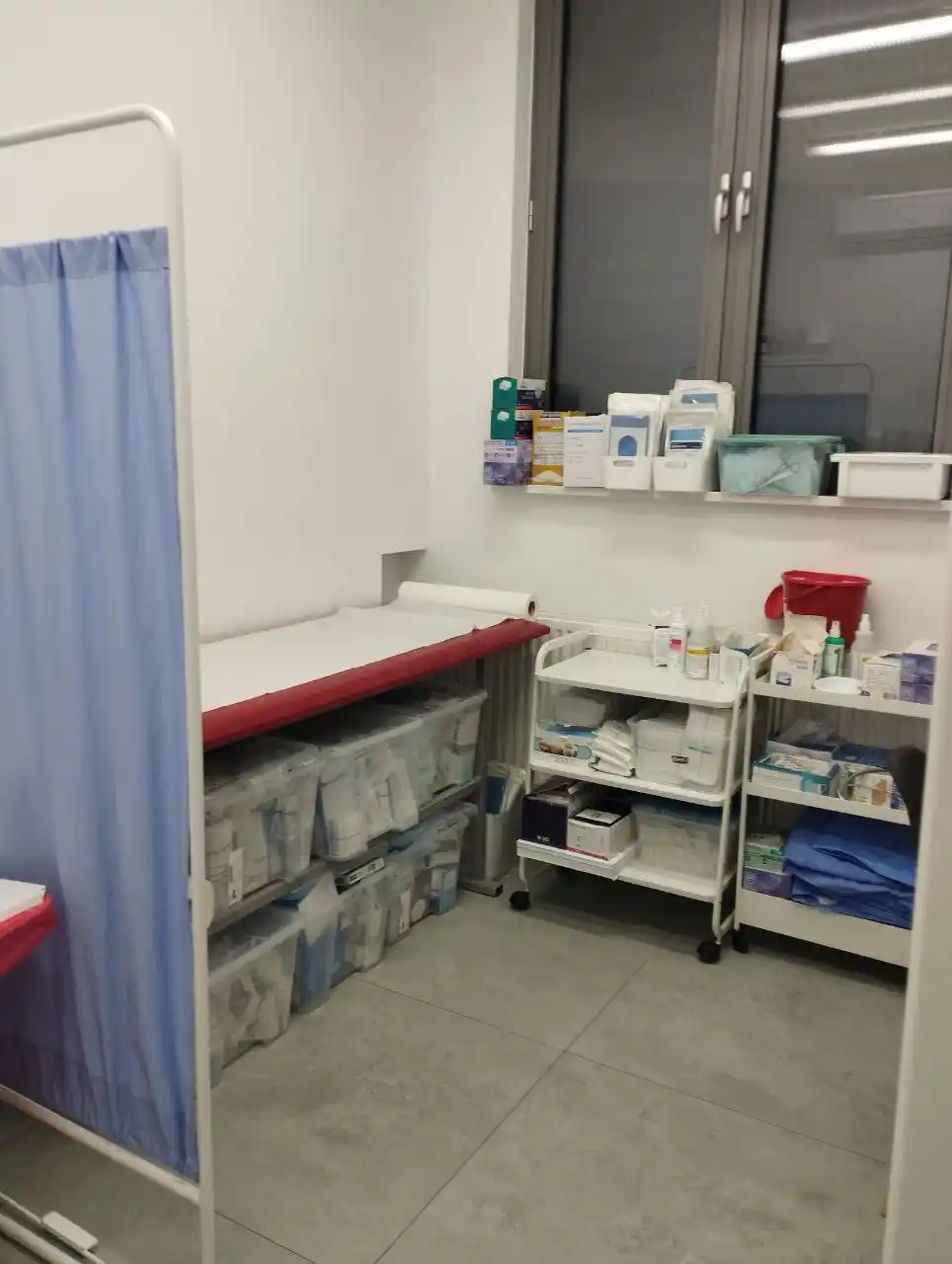
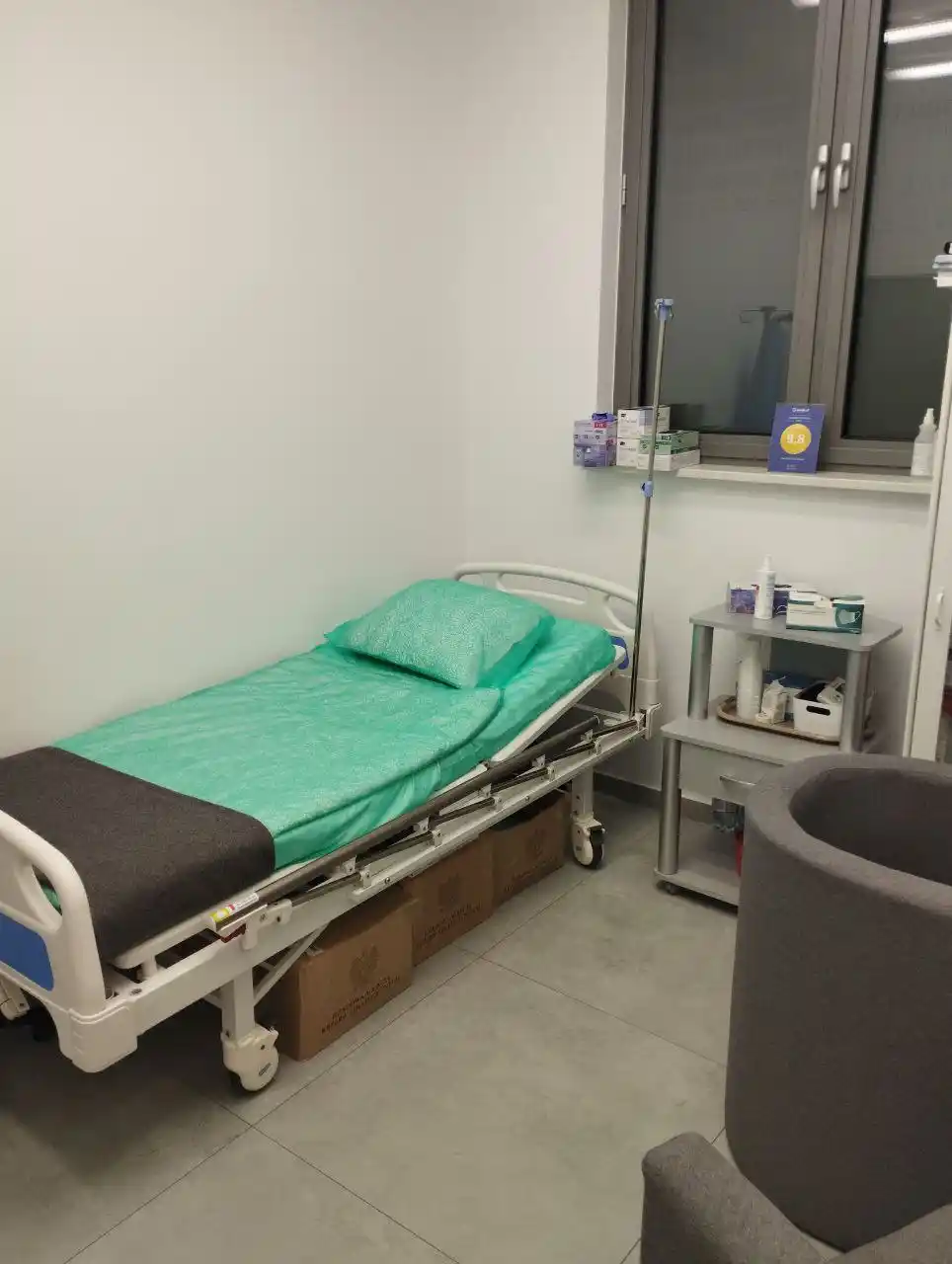
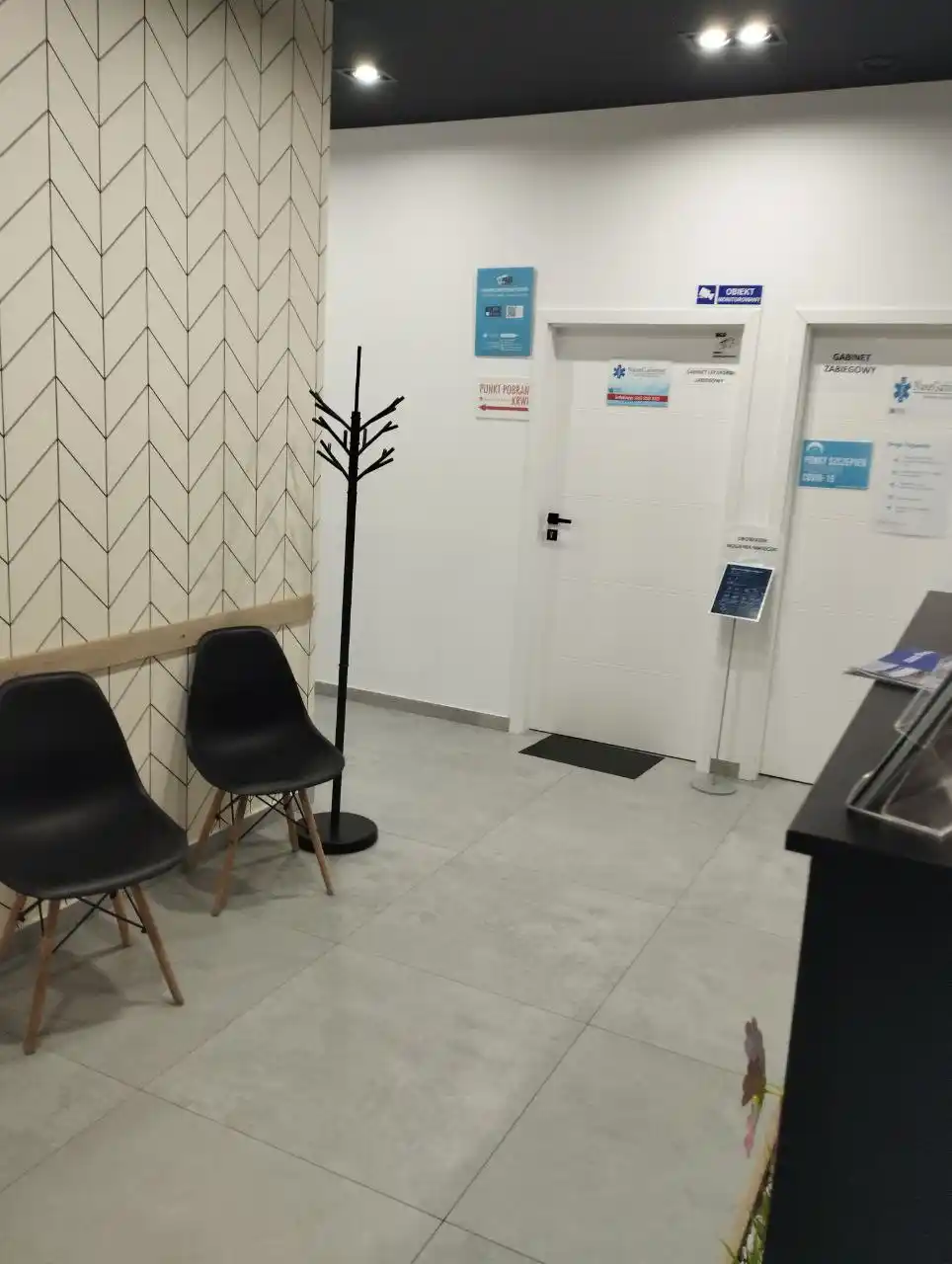
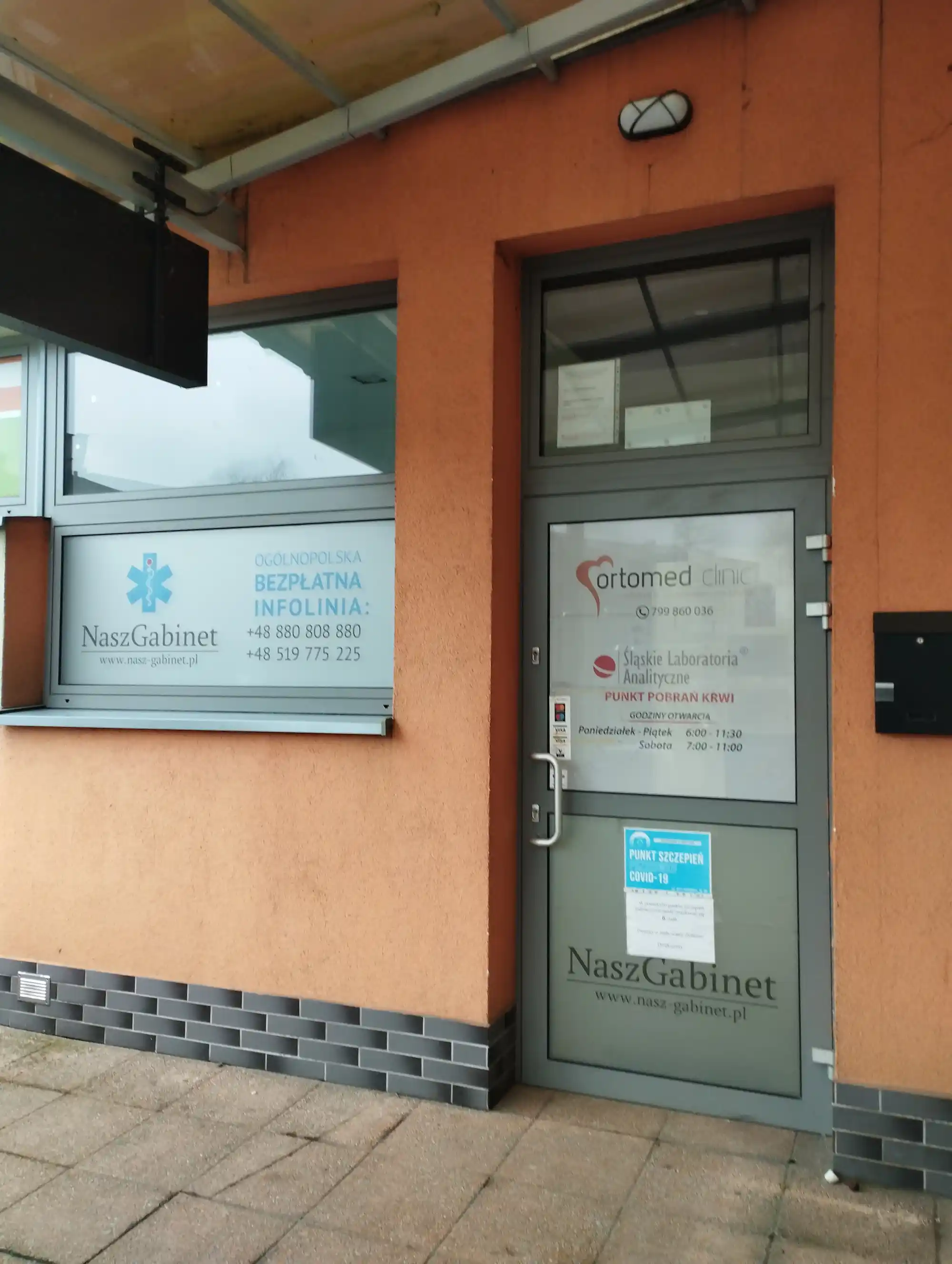
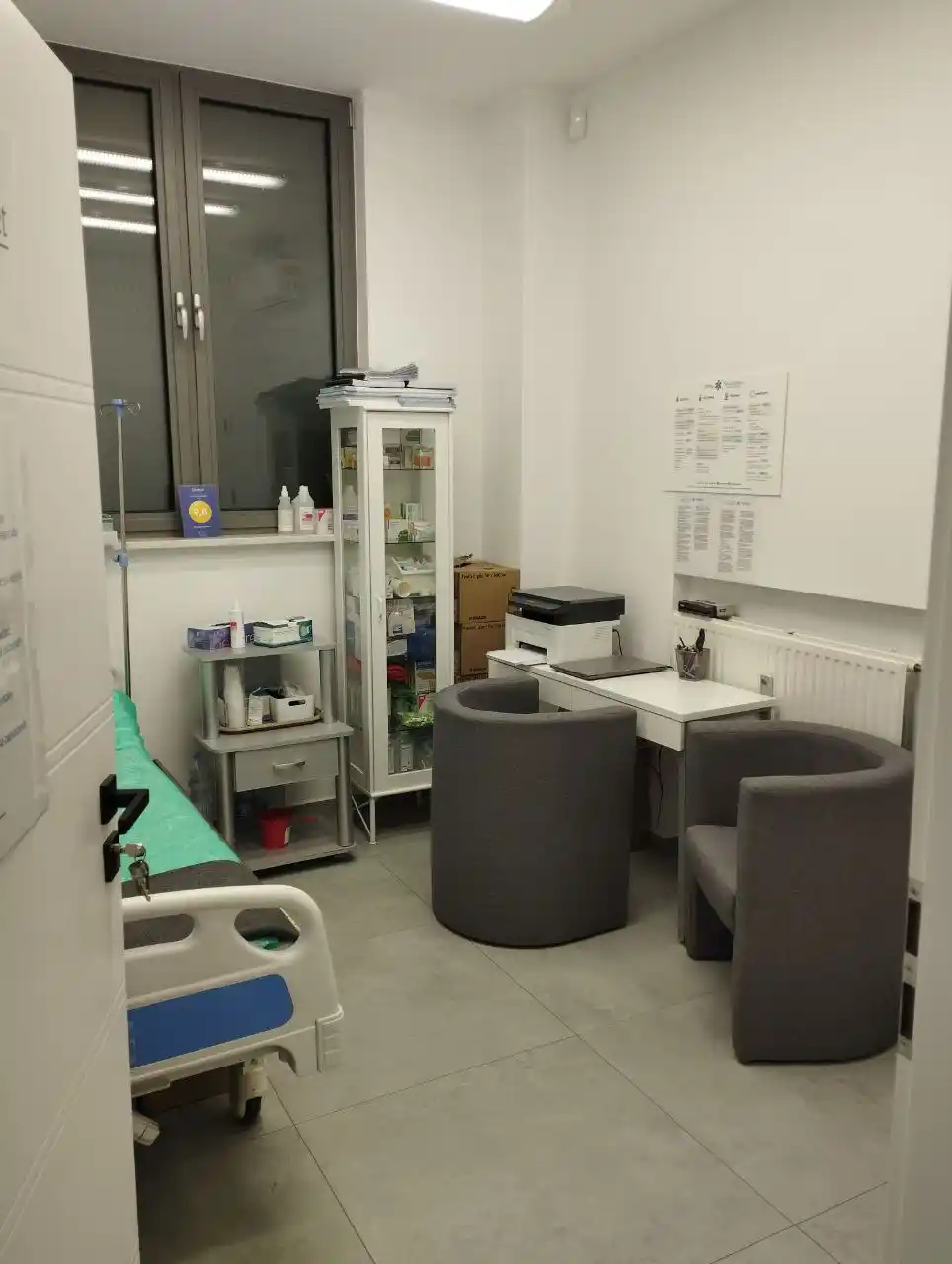
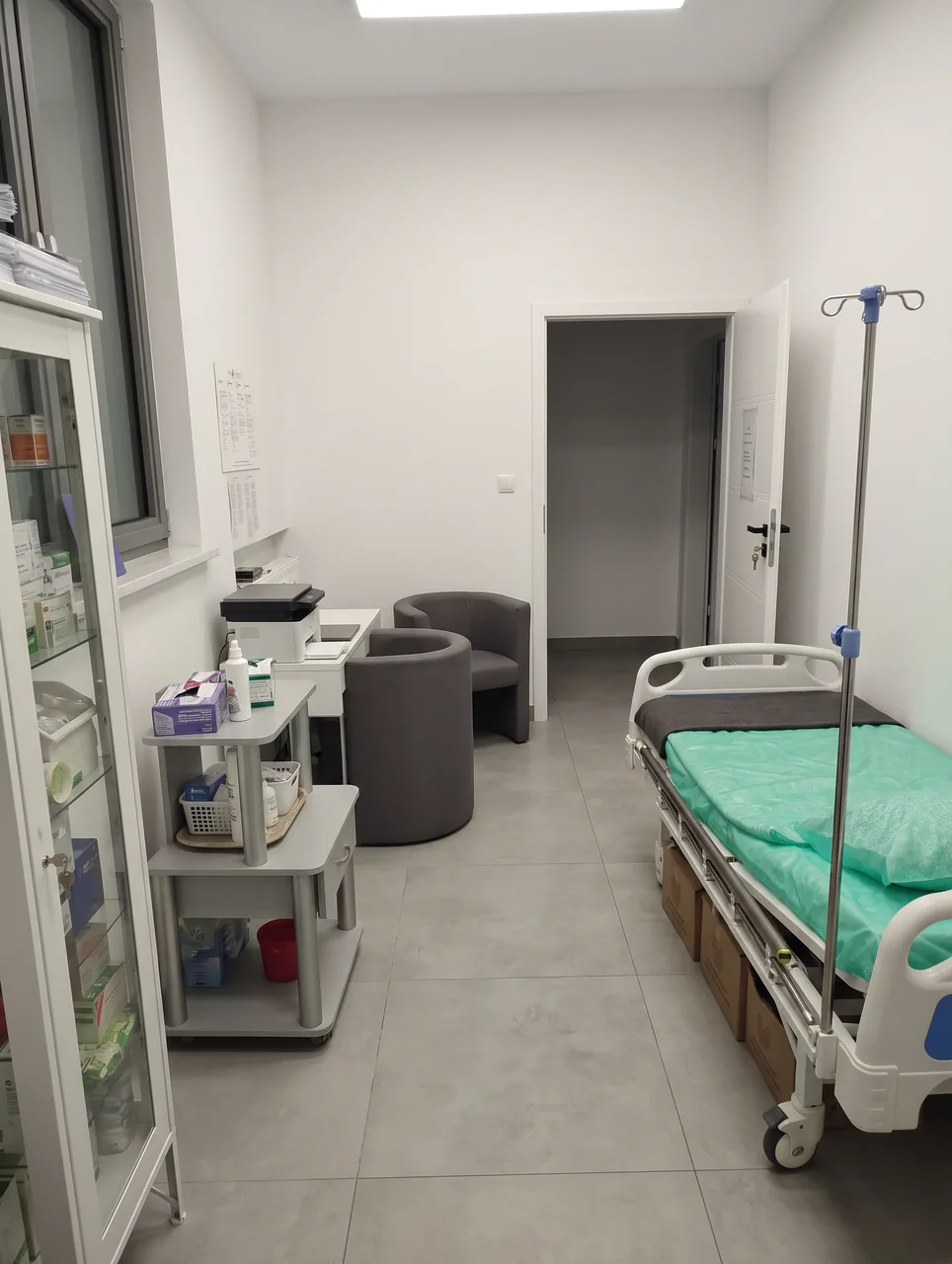
We hold the first appointment at the Nasz Gabinet Katowice practice at ul. Józefowska 76 in the Wełnowiec-Józefowiec district, and the follow-ups every 4 weeks online. The practice is in the northern part of the city, near the boundary with Siemianowice Śląskie and Chorzów. The first appointment has to be in person, because the doctor weighs the patient, measures the waist and blood pressure, examines the abdomen and agrees with the patient a plan that runs for well over a year. A patient who cannot travel has the first appointment online and sends the test results and their own weight and blood pressure readings beforehand; the doctor then decides whether an examination at the practice is needed for the assessment.
The follow-ups every 4 weeks take place online, by video call; the e-prescription code arrives by text message after the appointment. The patient gives the weight and blood pressure measured at home and describes any side effects, and the doctor sets the next dose. We ask patients to come to the practice every 3 months, after their blood tests, and always when they report warning signs: disturbed vision, severe abdominal pain, dehydration. Appointments with the dietitian and the specialist in the psychology of eating are held at the practice or online, as the patient prefers.
An NFZ clinic in Katowice or private treatment, what the patient gets in each case
Obesity treatment on the NFZ is provided by metabolic clinics, and a referral from a GP is needed to get into one. According to NFZ data from 3 September 2026 there are six such clinics in Katowice, one of them for children, and the average forecast waiting time is 205 days: from 51 days in the shortest queue to 486 days in the longest. At the remaining ten clinics in the Silesian province the wait averages 119 days, so a patient from Gliwice or Sosnowiec will sometimes get an earlier date closer to home. Here is how the two compare:
| Part of treatment | On the NFZ | With us |
|---|---|---|
| A doctor's appointment | referral, waiting list | no referral, PLN 250 |
| A GLP-1 analogue for obesity | not reimbursed | full price, e-prescription |
| Semaglutide in diabetes | reimbursed once the criteria are met | reimbursed once the criteria are met |
| Blood tests | free at a GP surgery | we give a list of tests, the patient has them done at a GP surgery or a laboratory |
| Dietitian | only at some GP surgeries | at the practice or online |
| Specialist in the psychology of eating | none | at the practice or online |
| Bariatric surgery | funded | we prepare the patient and refer them to a centre |
The drug itself costs the same either way, because the NFZ does not reimburse GLP-1 analogues in obesity; reimbursement of semaglutide goes only to patients with type 2 diabetes who meet the criteria in the Ministry of Health's reimbursement list. The patient can have the blood tests done free of charge at their own GP surgery if the GP orders them, and bring us the results. Privately the patient pays for the appointments with the doctor, the dietitian and the specialist in the psychology of eating. They get a date without a queue, and the follow-ups take place online every 4 weeks, at every change of dose.
Bariatric surgery in the Silesian agglomeration and how we prepare the patient for it
We consider bariatric surgery at a BMI of 40 or above, or of 35 or above with type 2 diabetes, high blood pressure or sleep apnoea, when non-surgical treatment, that is diet and drugs, has brought no lasting effect. A patient from the Silesian agglomeration has a centre close by: of the 67 bariatric centres on the list kept by the Association of Polish Surgeons, five work within 30 km of Katowice, two of them in Katowice itself and one each in Bytom, Zabrze and Jaworzno. The NFZ funds the operation as it funds any other procedure; the KOS-BAR comprehensive care programme, which until 30 June 2026 covered preparation and a year of care after surgery, has ended and for now has no successor.
To be assessed at a surgical centre the patient needs a documented attempt at non-surgical treatment; that attempt is one we run and document. For 3 to 6 months before the operation the patient takes a GLP-1 analogue and follows a diet, because a fall in body weight of 5 to 10 percent shrinks the liver and lowers the risk of complications during surgery. We carry out the tests, describe the course of treatment and pass the records on to the centre.
After the operation the stomach holds a few dozen millilitres and the absorption of vitamins and iron falls, so the dietitian works out a new way of eating and a supplement plan with the patient, while the doctor monitors the full blood count, iron and vitamins B12 and D. The specialist in the psychology of eating works with the patient on emotional eating, because that is the main reason weight goes back up a few years after the operation.
Obesity treatment in Katowice for patients from Chorzów, Sosnowiec, Gliwice and the whole agglomeration
The practice on Józefowska sits by the northern boundary of Katowice, so patients from Siemianowice Śląskie and Chorzów have a shorter journey to us than to the centre of Katowice. We also see patients from Sosnowiec, Bytom, Ruda Śląska, Gliwice, Tychy, Mysłowice and smaller towns across the Silesian province. For the first appointment a patient from outside Katowice brings their test results, so that they travel here only once before treatment starts; the follow-ups are online, and the tests after 3 months are done at a laboratory in their own town.
If a patient has an NFZ metabolic clinic in their own town with a shorter waiting list than in Katowice, we tell them so at the first appointment. The decision is the patient's: some start treatment with us and, once they are given a date, move to the NFZ clinic with their results and an established dose, while others stay because they want the dietitian, the specialist in the psychology of eating and the follow-ups with one team.
Obesity and diabetes in the Silesian province in figures
Measurements taken at GP surgeries, reported to the NFZ and published in August 2026, show that 67.7 percent of adult residents of the province are overweight or obese. The highest share, 75 percent, falls in the 65 to 74 age group.
The consequences show up in the diabetes figures: on the Ministry of Health's health needs map, the Silesian province has the highest death rate from diabetes in Poland, nearly half as high again as the national average.
The provincial authorities ran a regional programme against overweight, obesity and diabetes for working-age residents in 2017-2020, and the new Śląskie w formie programme for 2026-2027 covers school-age children only. An adult in Katowice living with obesity is treated today either at an NFZ metabolic clinic, with a waiting list counted in months, or privately.