

Addiction treatment centre in Katowice - what it is and when residential treatment is needed
An addiction treatment centre in Katowice is a place where therapy takes place on a residential basis. The patient lives on site for the whole programme, under round-the-clock care from the therapy and medical team. Unlike outpatient appointments, they do not return home each day but step away for several weeks from the surroundings in which the addiction developed. This model is sometimes called residential treatment, and the facility itself a closed centre, though the term means an ordered, protected stay rather than any loss of liberty. Treatment is entirely voluntary, and the patient can withdraw from it at any time.
We treat addiction to alcohol, medicines, drugs and legal highs, and alongside them behavioural addictions, including gambling. The mechanism is essentially the same, whatever the addiction has become: the entrenched pattern has to be broken and the person has to learn to function without reaching for a substance or repeating a compulsive behaviour.
At home, even a firm resolution wears down against daily life: against the places and people that are a reminder of drinking, or against an evening when there is no one to turn to. A round-the-clock stay replaces that unpredictability with a set daily routine and the presence of the team at any hour, including when the hardest moment comes at night or at the weekend. The patient is also among people who have been through the same thing, so from the very first days they do not face the addiction alone.
Residential treatment works best when earlier attempts at home have failed and the everyday environment makes staying sober harder. It is not, however, a form for everyone; some people recover more effectively on an outpatient basis. We write later about who genuinely needs a stay in a closed centre.
How residential treatment differs from outpatient treatment
The difference is easiest to see in the daily rhythm. Outpatient treatment, for example alcohol treatment in Katowice, runs alongside ordinary life: the patient comes in for sessions but sleeps in their own bed, works and returns to their own surroundings. At a centre it is the other way round: for several weeks therapy becomes daily life, while home, work and the patient's usual surroundings stay outside. Neither path is better by principle; what counts is what the particular person needs.
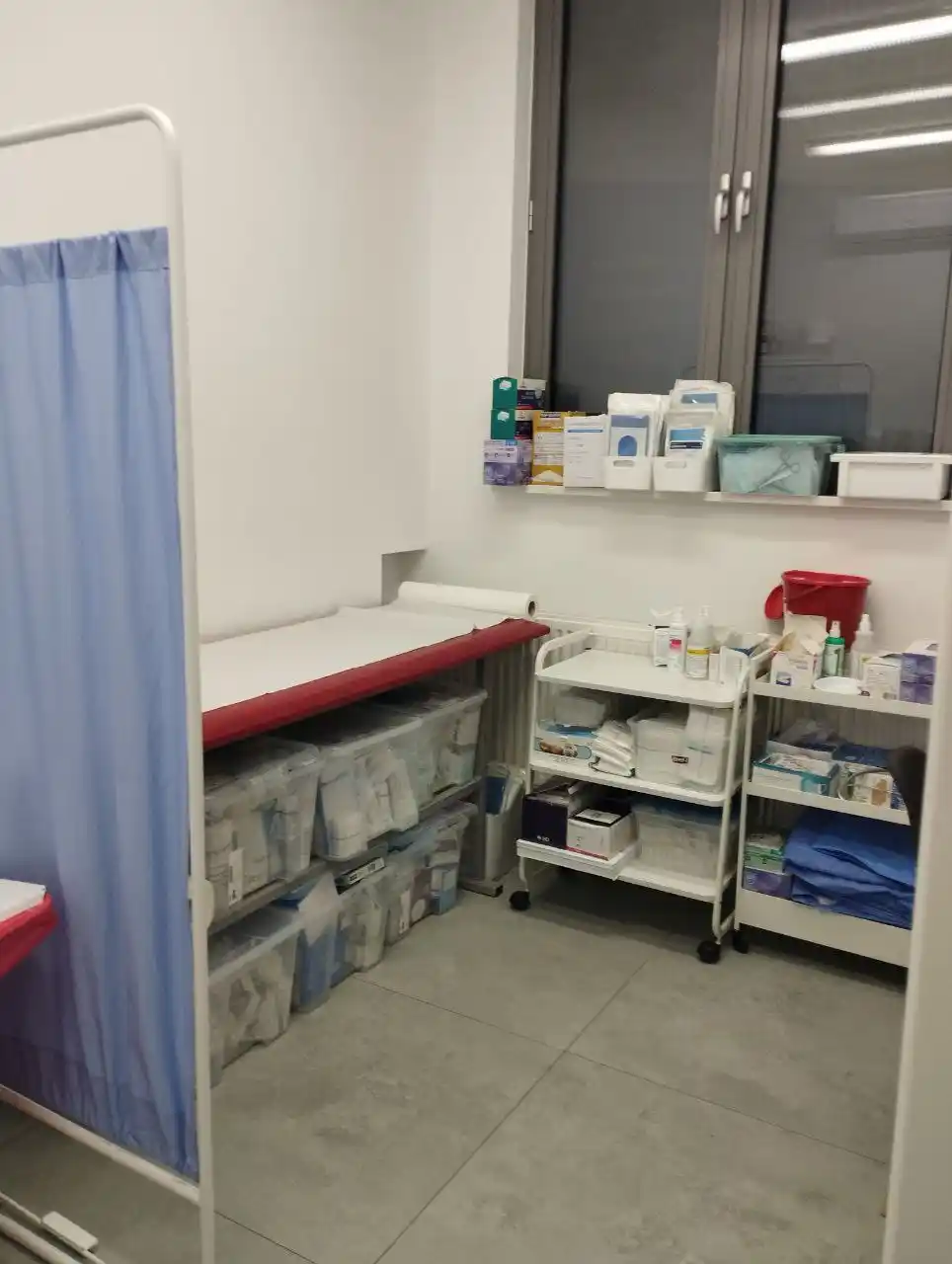
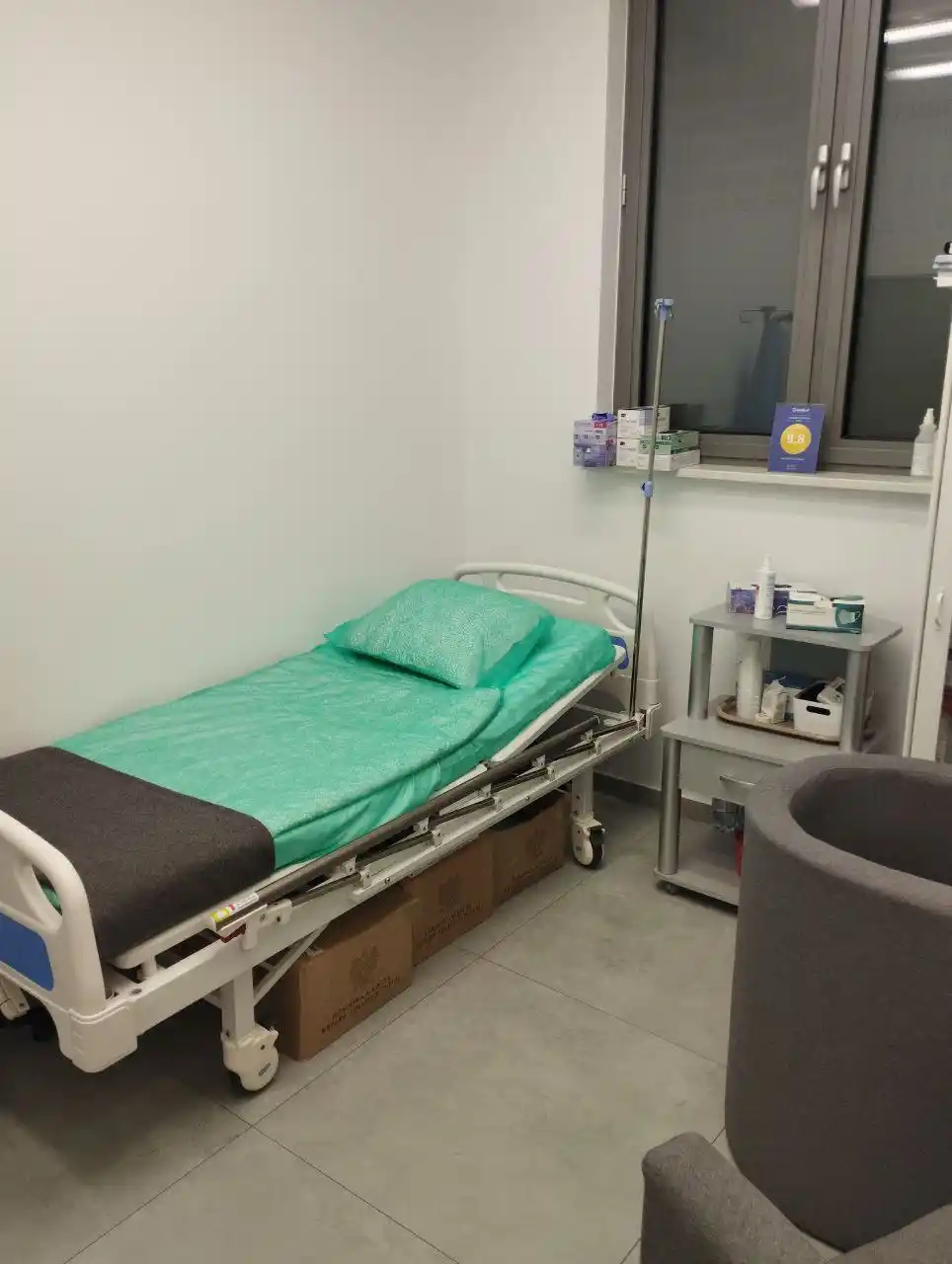
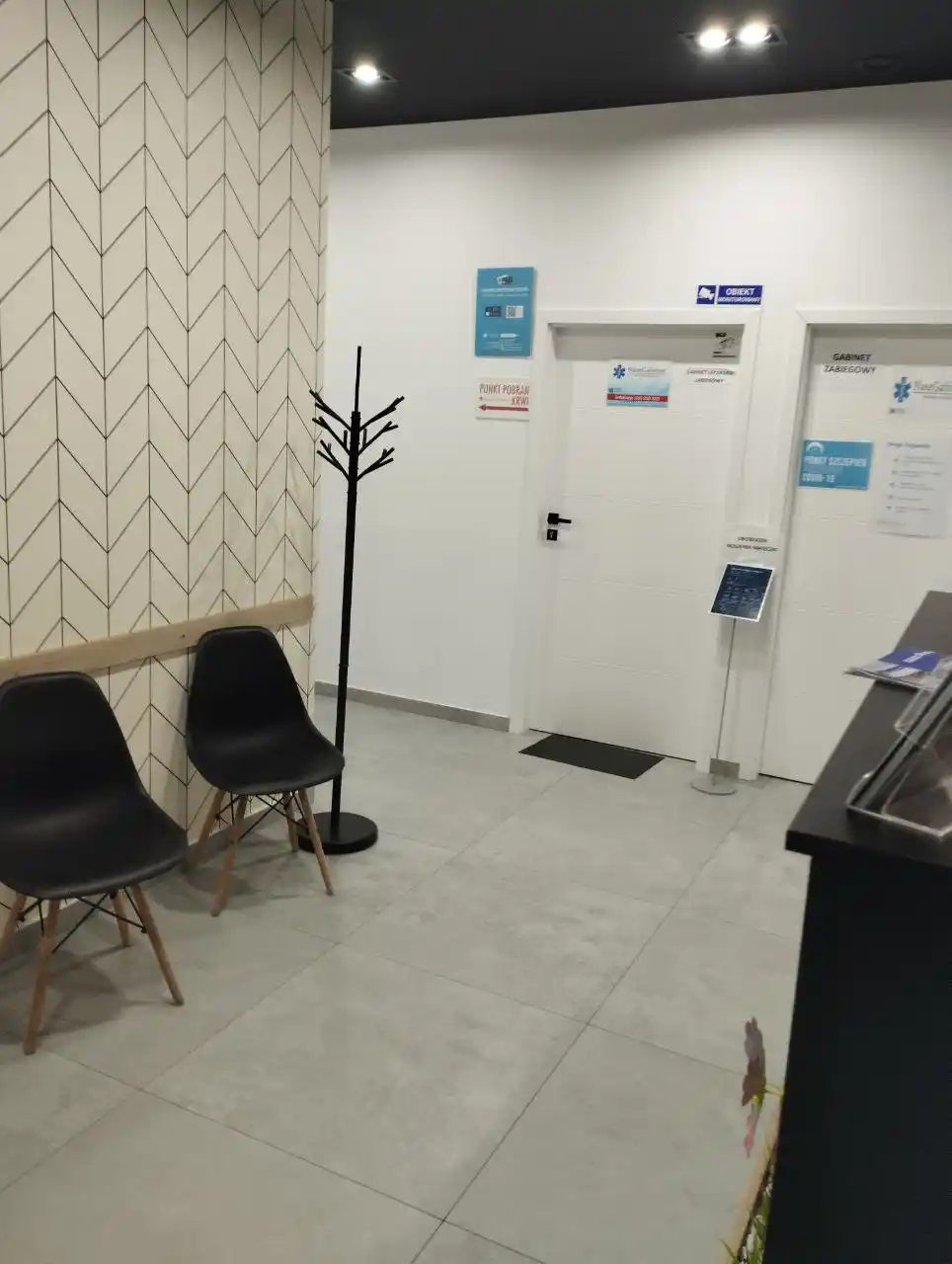
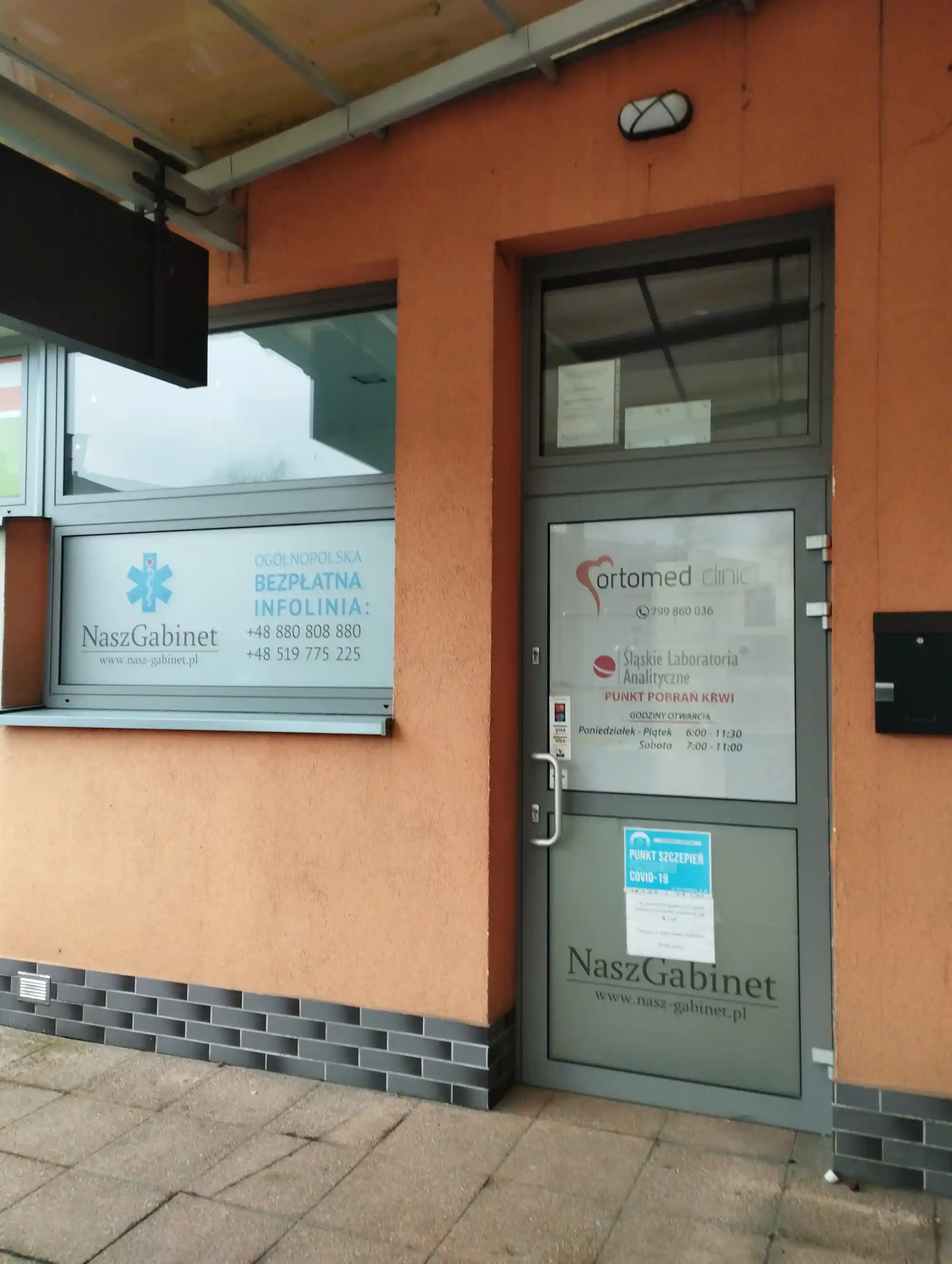
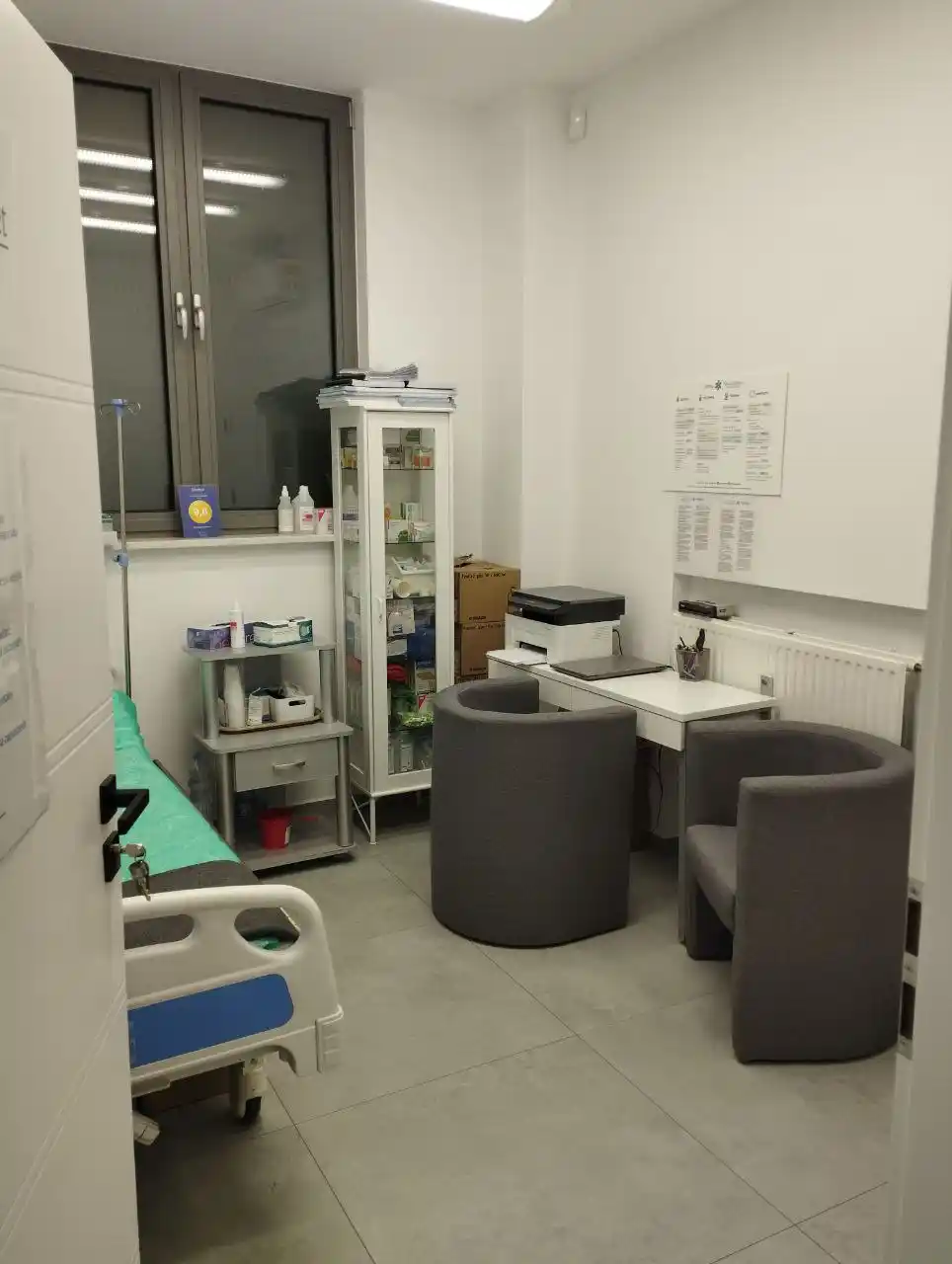
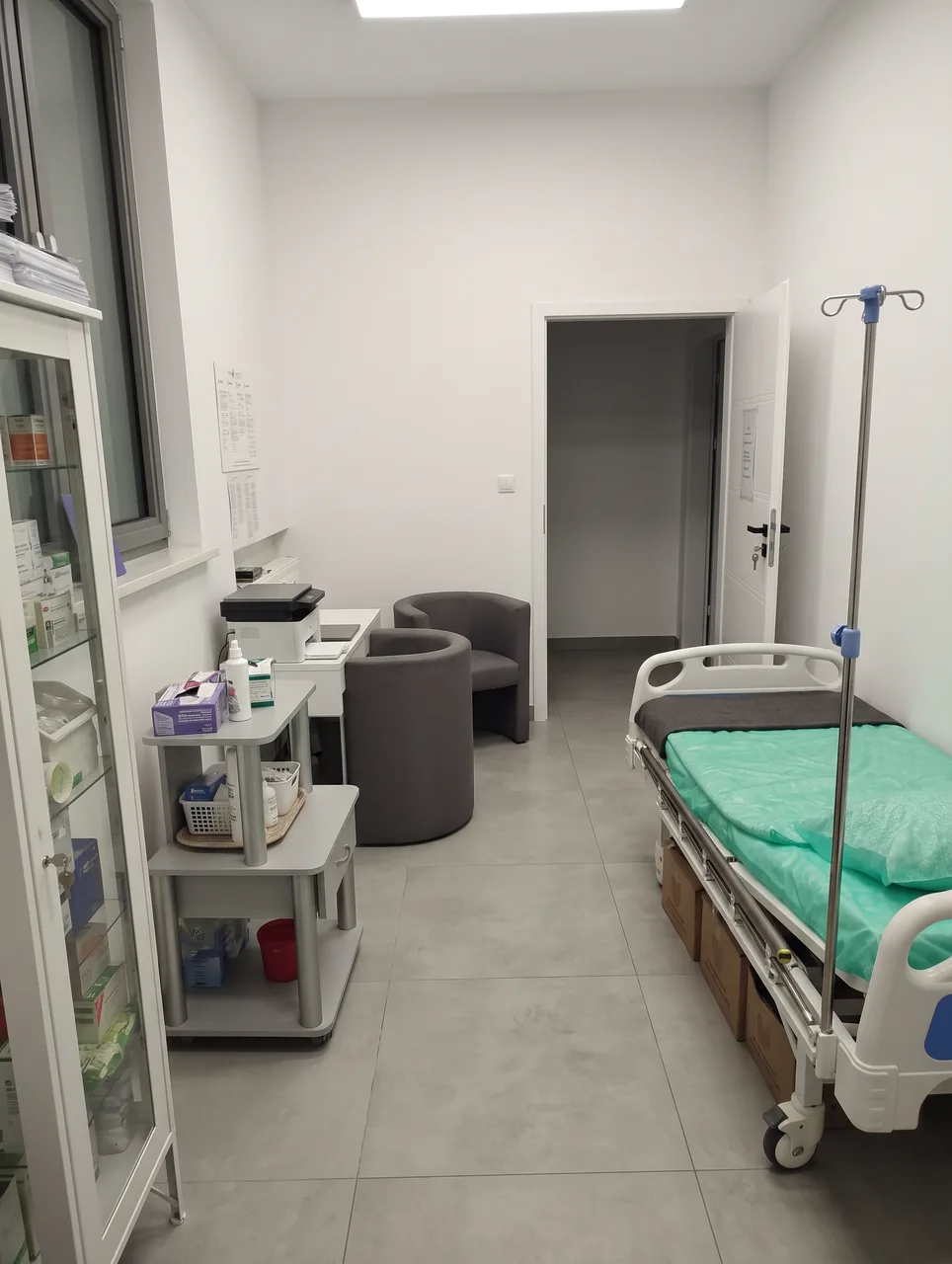
We run the stay itself within the Nasz Gabinet Katowice network, a registered addiction treatment clinic. The starting point is the clinic at ul. Józefowska 76: this is where first contact and assessment take place, and where we choose the form, length and date of treatment. The stay is used not only by residents of Katowice but also by people from across the Silesian metropolitan area, for whom going away to the centre and cutting off from their usual surroundings can be the start of recovery.
What a stay at the centre in Katowice involves - the course of residential treatment
What patients and their families most often want is to know what to expect, step by step: from the first phone call, through assessment and admission, to the rhythm of the day and the moment of leaving.
From the first phone call to admission
It all begins with a phone conversation and assessment. We ask about the history of drinking or use, any earlier treatment, current health and medication. On that basis the team assesses whether residential treatment is the right form and where to begin. If the patient comes to us mid-binge or with withdrawal symptoms, the first stage is detox in Katowice: supervised medical detoxification that prepares the body for therapy proper.
The first day is deliberately calm. The patient is given time to get to know the centre, the rules of the stay and the therapist who will be guiding them; the beginning is there for settling and getting used to a new place, not for intensive therapeutic work straight away.
What a day at the centre in Katowice looks like
The stay has a steady, predictable rhythm. The day is filled with up to 8 hours of therapy: individual sessions with the lead therapist alternate with group work, and between them there is time for meals, rest and personal matters. The group can be the hardest yet most healing part of the day: in it the patient hears their own story in someone else's words and stops feeling alone with the problem. Evenings are quieter, given over to rest and to getting used to the sober rhythm that will have to be kept up after leaving.
What determines the length of the stay: four or eight weeks?
Four weeks are enough to break the addiction, stabilise abstinence and work out the first tools; it is a good choice when the patient has had some treatment before and has a relatively settled situation. Eight weeks cover what there is no time for in a shorter stay: work on deeper causes, on relapses and on what runs alongside the addiction, such as anxiety, low mood or insomnia. Which path to choose is something we decide together after assessment. No number of weeks settles the matter once and for all: addiction is treated as a process, and the stay is its intensive beginning, not its end.
That is why treatment does not end on the day of discharge. While still at the centre we prepare recommendations with the patient for the time after the stay: further therapy, ways of maintaining abstinence and a plan for difficult situations.
The therapeutic programme at the residential centre: individual therapy, group therapy and team supervision
A stay in itself heals nothing; what heals is the programme behind it. Its core is addiction therapy in Katowice delivered on two tracks, individually and in a group, together with a single therapist who guides the patient throughout the stay.
Who the lead therapist is and what they are responsible for
One lead therapist is responsible for the course of each patient's treatment. It is they who draw up the individual plan, work with the patient one to one and follow each step, so that therapy is not scattered across many people and the patient always knows where responsibility lies. The 1:1 model gives the freedom to tailor the pace and content of sessions to the particular person, their history and whatever is hardest at a given moment.
How we combine individual and group therapy
The day combines both modes, up to 8 hours of therapy in all. An individual session is the patient's work on the personal mechanism of their addiction: on what triggers reaching for a substance, and on how to stop that impulse. In the group something happens that cannot be achieved one to one: the patient hears their own story in other people's mouths, learns to speak about themselves and gets an honest response from someone who has been through it. Each works less well without the other.
Why the team has supervision
Once a month the therapy team meets for supervision, discussing current cases with an experienced supervisor from outside the day-to-day work with patients. As a result, treatment decisions do not rest on one person's view, and the therapy plan is corrected in time when someone on the outside notices what was missed. Harder situations, such as getting stuck in therapy or a rising risk of relapse, are caught earlier, before they turn into a return to the addiction.
How we work on relapse, and the role of loved ones
A relapse need not mean that everything starts again from zero; we approach it as a risk that can be anticipated and covered by a plan. We show the patient how to recognise the early signs and act before drinking or use returns. Where the situation allows and it is needed, we also invite loved ones into the work, since addiction is rarely the affair of one person alone. We make no promise that a relapse will not happen; it is more honest to equip the patient with tools that reduce its risk and soften its consequences.
Who a closed centre in Katowice is for - indications and eligibility
We work with people addicted to alcohol, medicines, drugs and legal highs, as well as with behavioural addictions. Residential treatment is not, however, the first choice for every one of them, and rightly so, because not everyone needs it. Some patients recover successfully on an outpatient basis, without interrupting work and family life. A closed centre shows its value where addiction is already deeply entrenched and the patient's own surroundings make staying sober harder.
Whom we recommend residential treatment to
A stay in a closed centre is justified above all when:
- the addiction has lasted for years, and drinking or use is becoming more frequent or more intense;
- earlier attempts to stop quickly ended in a return to drinking or use;
- the everyday environment makes recovery harder, with easy access to the substance, family tension and recurring triggers;
- the addiction is accompanied by other problems, such as anxiety, low mood or trouble sleeping, which cannot be resolved separately from work on the addiction itself.
What most often accompanies addiction
We rarely deal with addiction on its own; more often it goes hand in hand with low mood or anxiety disorders. Sometimes the dependence works both ways: someone drinks to suppress anxiety or to fall asleep, and over time alcohol makes those problems worse. A residential stay makes it possible to address both the addiction and what sustains it, in one place and at one time. Where it is justified, therapy is supplemented by pharmacological treatment; what it involves and when it is needed we describe more fully on the page about pharmacotherapy for addiction. The decision about medication is made by a doctor, always on an individual basis.
Closed or open centre: which to choose?
A common question from patients and families concerns the difference between a closed and an open centre. The closed option means a more strongly protected stay and limited contact with the environment in which the addiction grew, which helps with focus in the first, hardest weeks. Open centres give more freedom to go out and stay in touch with the outside world, which can be valuable at a later stage of recovery. For someone beginning treatment after a series of relapses, the more protected mode usually serves better: there are fewer opportunities to return to the addiction in a worse moment.
What assessment for the centre in Katowice involves
Admission is not a formality that happens by itself. At the assessment we decide together with the patient whether residential treatment really fits their situation. When a centre is not the best choice at that moment, it is more honest to point to a better-suited path, such as outpatient treatment, than to begin a stay with no chance of working. The last word always belongs to the patient; our job is to make sure the decision is an informed one.
Safety, staff and quality of treatment at the centre in Katowice
Entrusting someone close to a centre's care is a hard decision, which is why a question about the safety and competence of the team is entirely justified. A round-the-clock stay means the patient remains under care all day and night, not only during scheduled sessions.
What round-the-clock care looks like
The first days are usually the most demanding, especially if they follow withdrawal from a substance. The patient does not go through this alone: the team monitors their condition and provides medical support if needed. A repeated daily rhythm, a sense of predictability and the presence of others in a similar position make that most fragile beginning easier to get through.
Who makes up the therapy team
Therapy is the responsibility of specialists who work with addiction every day, namely addiction therapists, supported on matters of physical health by medical consultation. The patient does not get a random set of activities but a coherent plan in the hands of people who do this professionally. Each patient is assigned a lead therapist, while the rest of the team knows their situation and keeps to the jointly agreed plan.
How we keep the quality of therapy in check
The quality of therapy is not decided by assurances but by regular review. That is provided by monthly supervision: we discuss current cases with a supervisor from outside the ongoing therapy, which guards against routine and allows the treatment plan to be improved early enough. The patient usually does not see supervision, and yet it is precisely what keeps their therapy from getting stuck in a single pattern.
What a stay at the centre does not replace
Treatment at the centre is focused on addiction and has its clear limits. It does not replace medical consultation on health matters outside that area, nor urgent medical help in a life-threatening emergency. Nor do we promise that therapy will work the same way for everyone: the course and the results depend on the individual situation, the patient's commitment and many factors over which no centre has full control. What we can guarantee is conscientiously delivered therapy, safe conditions and a team that takes the patient's recovery seriously.
Packages, prices and how to start treatment at the centre in Katowice
We give the cost of the stay straight away, not only in the course of a conversation; an open price is part of honest treatment. There are two packages to choose from, differing chiefly in the length of the stay and the depth of therapeutic work.
Residential packages at the centre
- Intensive Start, 4 weeks, 13 000 PLN. A short, strong stay for people ready to enter treatment at once and at full intensity: a complete programme of individual and group therapy, a lead therapist and round-the-clock care from the team.
- Full Process of Transformation, 8 weeks, 25 000 PLN. A stay twice as long for people with an entrenched addiction, after relapses or with additional emotional difficulties: with time to reach deeper and consolidate the change before the patient returns to everyday life.
The price covers the stay, accommodation, meals and the whole therapeutic programme described above. Choosing the right path is a decision we make together after assessment; there is no point paying for a longer stay when the patient's situation does not call for it, nor shortening it where time is needed.
We work privately, so starting treatment requires no referral or waiting in a queue; we set the admission date as soon as possible after assessment. For families it is often time that matters most: a loved one's readiness to start treatment can be a brief window, worth using.
What comes next after leaving the centre?
We devote the last days at the centre to preparing the patient for the return to everyday life, because it is outside the structure of the stay that the durability of the change is decided. Together we settle where to go for outpatient therapy, how to keep up abstinence day to day and what to do when the first signs of relapse appear. For many people the natural continuation is continued addiction therapy in Katowice, carried out without living at the centre. The more concretely we plan this stage before discharge, the greater the chance that the results of the stay will last.
How to start treatment in Katowice
It starts with a single call to 880 808 880, and you do not have to call with a decision already made. The call can be made by the person with the addiction themselves or by someone close who is looking for help on their behalf; the conversation is confidential. During it we answer questions, get an initial picture of the situation and arrange the assessment.
If you are not sure whether residential treatment is the right form, a good place to start is a conversation about outpatient options, which we describe on the page about alcohol treatment in Katowice. Either way, everything begins with someone picking up the phone.