Table of contents
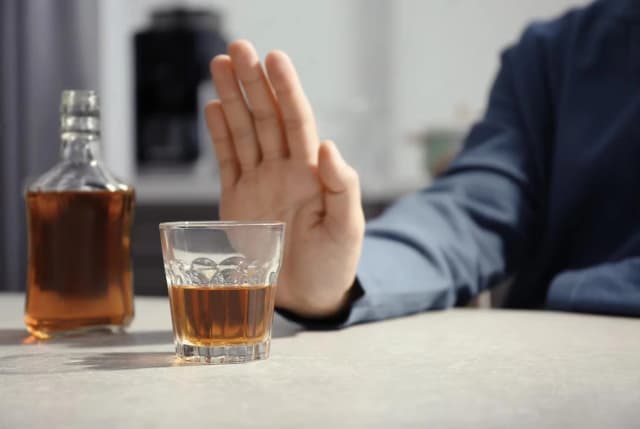
Alcohol cravings can appear suddenly and affect both people who are drinking and those maintaining sobriety. It's a state in which intrusive thoughts, tension, irritability, and sometimes physical symptoms such as tremors or sleep problems are triggered. The behavior of an alcoholic during cravings tends to be impulsive, because addiction suggests a quick solution in the form of reaching for a drink. Such an episode doesn't always mean a relapse into alcoholism, but it is a signal that it's worth reacting and turning to proven methods of dealing with potential risk.
Behavior of an Alcoholic During Cravings – Is It Always a Relapse?
Alcohol cravings are one of the typical elements of addiction. They can appear both in a person who is binge drinking and in someone maintaining abstinence. In practice, it means a sudden, strong need to drink, often combined with intrusive thoughts, tension, and a feeling that you can't cope without alcohol.
It's worth emphasizing that the craving itself is not yet a relapse. It's a signal that the reward system and established coping patterns still remember alcohol as a quick solution. A relapse begins when a person returns to drinking or engages in behaviors that very realistically lead to it.
What Does an Alcoholic Feel During Cravings? Understanding Addiction
Alcohol cravings aren't just the desire to drink. Often it's a state in which the brain demands a familiar way of regulating emotions and tension. Addiction teaches that alcohol works quickly: it cuts off difficult feelings, calms, provides relief or stimulation, depending on what's missing at the moment. That's why during cravings there's a sense of compulsion, as if alcohol were the only effective solution.
In practice, a person may feel mounting tension, irritability, anxiety, or emptiness, while simultaneously having difficulty naming what's really going on. Sometimes it's a subtle feeling of discomfort or boredom, a sense of being overwhelmed – then the brain automatically suggests the old pattern: drinking alcohol.
At the same time, many people in abstinence experience an internal conflict: on one hand a strong impulse, on the other hand knowledge of how drinking ends. Hence there's often guilt, shame, anger at oneself, and even panic. This stress can further intensify alcohol cravings, because the organism seeks a way to immediately lower tension.
Sober and Drunk Alcoholic During Alcohol Cravings
In a person who is drinking, alcohol cravings can be difficult to notice, because they most often end with quickly reaching for a drink. Psychological discomfort, anxiety, or irritability are masked by drinking, which temporarily provides relief. As a result, cravings return more frequently, because the brain learns that alcohol is the simplest way to regulate emotions.
In someone abstinent, the mechanism is similar, but the reaction is different, because the patient consciously tries not to reach for alcohol. This means that the symptoms of alcohol cravings may be perceived more intensely both psychologically and physically. A struggle with thoughts appears and simultaneously physical symptoms that can resemble a state of tension, agitation, or general dysregulation.
Physical Symptoms of Alcohol Cravings
Physical symptoms of alcohol cravings may look like:
- agitation of the organism,
- difficulty relaxing,
- tremors,
- heart palpitations,
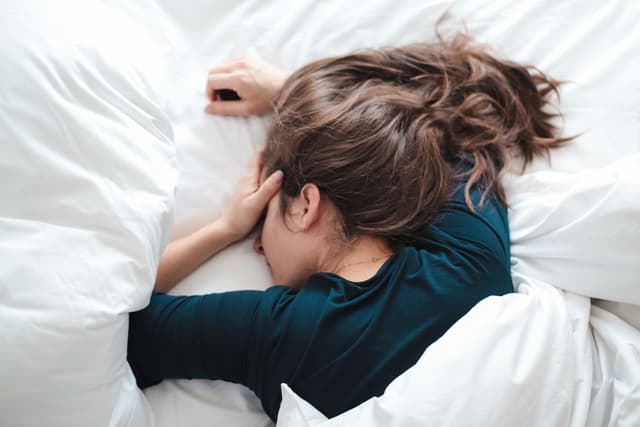
- sleep problems.
- loss of appetite,
- excessive sweating,
- headaches and dizziness,
- nausea.
Symptoms of Alcohol Cravings in the Psyche
In the psyche there may appear:
- obsessive thinking about alcohol,
- imagining the taste and smell of the drink,
- idealizing relief after contact with alcohol,
- irritability,
- anxiety,
- difficulty concentrating,
- mood swings,
- a sense of internal compulsion.
Attack of Alcohol Cravings – How to Recognize It?
An attack of alcohol cravings is a term for a situation when the desire to drink intensifies rapidly and has high intensity. It often starts with a trigger: stress, conflict, loneliness, a sense of failure, but also euphoria or routine stimuli (alcohol aisle in a store, route home, evening time, music, meeting).
An attack can be insidious because it can look like an ordinary bad day, and only after a while does the patient notice that thoughts revolve exclusively around alcohol. If rationalization additionally appears (thoughts like: "this time will be different," "I deserved it," "I'm not binge drinking"), the risk of relapse increases.
Alcohol Cravings: How Long Do They Last and Why Do They Return in Waves?
How long alcohol cravings last is individual. For some people the episode may be brief and pass after several minutes, for others it may last several hours, or even recur in waves over several days during periods of high stress or life changes. A very typical mechanism is build-up, peak, and decline. This is important practical information, because it helps to survive the most difficult moment without making decisions in the heat of the moment.
Alcohol cravings return more often when the patient has many triggers and few resources: lack of sleep and regular meals, overload with obligations, conflicts, or unexpressed emotions. Therefore, prevention doesn't consist only of willpower, but in building a plan and mental hygiene.
Ways to Cope with Alcohol Cravings
Ways to cope with alcohol cravings are most effective when the patient has a prepared plan for worse days, rather than improvising at the peak of tension. Good strategies are primarily:
- quickly interrupting the stimulus (changing location, leaving the situation),
- contact with someone supportive,
- taking care of biological basics (sleep, food, hydration),
- therapeutic work on what lies behind the addiction.
Sources:
Chodkiewicz J., Ziółkowski M., Czarnecki D., Gąsior K., Jurczyński A., Biedrzycka A., Nowakowska-Domagała K., Głód alkoholowy i jego determinanty. Doniesienie wstępne. Wojnar M., Ślufarska A, Klimkiewicz A., Nawroty w uzależnieniu od alkoholu Część 3: Społeczno-demograficzne i psychologiczne czynniki ryzyka.
Need help fighting addiction?
Our specialists are ready to help you. Call or book an online appointment.