Table of contents
Think a hangover is the worst thing that can happen to you after drinking alcoholic beverages? Nothing could be further from the truth. Neurotic disorders, panic attacks, and depression. These are just a few symptoms caused by alcohol addiction. Where do anxiety states in alcoholics come from and how to deal with them? Learn the causes of feeling unwell and check how alcohol affects your body.
In brief
Anxiety states are a common symptom accompanying alcohol addiction and can lead to depression, neurosis, and panic attacks. Alcohol temporarily suppresses stress symptoms, but its effect is short-lived and deepens mental problems after the effect wears off. The vicious circle mechanism involves reaching for alcohol to alleviate anxiety, which over time leads to addiction and increases the need for subsequent doses. Anxiety after alcohol doesn't disappear after stopping it if its true cause is not addressed. The most effective treatment is psychotherapy supported by pharmacotherapy and anti-alcohol tools, such as the Esperal implant.Anxiety States – What Are They?
This is a much stronger feeling than fear. It is deeply rooted in the subconscious and has an irrational character. Anxieties – conscious or not – form the basis of many diseases related to the psyche, including alcoholism, depression, PTSD, phobias, neurosis, or obsessive-compulsive disorders.Anxiety States in Alcoholics – Symptoms of Depression, Neurosis, and Restlessness
Untreated anxiety states in patients can transform into neurosis and depression. When you drink alcohol, cortisol, the stress hormone, is released in the body. At the same time, the number of opioid receptors decreases, whose task is to secrete endorphins, the so-called happiness hormones. Instead, their opponents are secreted, namely dynorphins, responsible for feelings of irritation and tension.Anxiety Disorders in People Who Reach for Alcohol
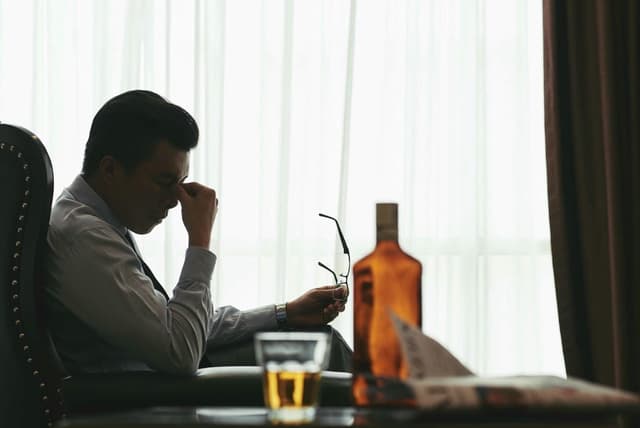
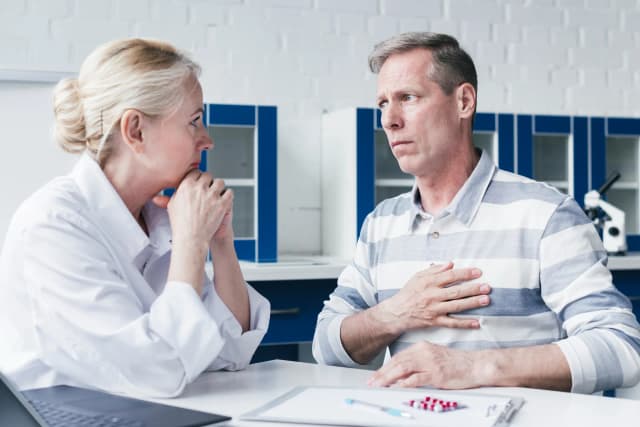
Anxiety states occur not only in alcoholics. If you feel tension or worry about something, you may experience mental and somatic symptoms such as rapid pulse, chest pain, heart palpitations, irritability, insomnia, and concentration problems. Muscle tremors, dizziness and headaches, as well as accelerated breathing complete the list. A popular relaxant in such situations is most often alcohol – psychoactive, easily available, cheap, and acting immediately. The good effects it produces, however, are illusory. Your mood temporarily improves, and problems seem smaller and distant. Alcohol suppresses nervous system activity and can temporarily induce well-being. However, when it stops working, stress intensifies because the brain has become accustomed to the state of calm. The addicted person reaches for alcohol again to relax – it's precisely this effect of alcohol that causes so many people experiencing stress to abuse alcohol.The Vicious Circle Mechanism in Alcoholic Disease
It's easy to fall into a trap if you improve your mood with alcohol. You drink to overcome anxiety and begin to feel calm. Your brain adjusts thanks to the calming effects. However, these are temporary and disappear quickly. As a result, you drink again to calm down anew. Moreover, the more you drink, the more alcohol you need over time to improve your well-being. This is a straight path to developing addiction.Anxiety After Alcohol – How to Deal with It
Alcoholism masks the true source of anxiety and is not itself the cause. Even if you stop drinking alcoholic beverages but don't get to the heart of the matter and don't understand why you drink, you have a huge chance of returning to addiction. Alcohol diverts attention from difficult situations but doesn't solve them. It doesn't eliminate the reasons why you feel anxiety. Long-term drinking in response to problems leads to addiction, increases anxiety, and doesn't allow you to combat stress and fear. The best weapon in fighting anxiety disorders is psychotherapy combined with pharmacological treatment. Sessions will allow you to confront the cause of addiction, and the Esperal implant will protect you from reaching for even the smallest glass. If anxiety states intensify after stopping alcohol, you can also use pharmacotherapy, which will weaken their effects.:::cta Need help fighting addiction? Our specialists are ready to help you. Call or schedule an online visit. Call: 880 808 880 | Schedule a visit :::