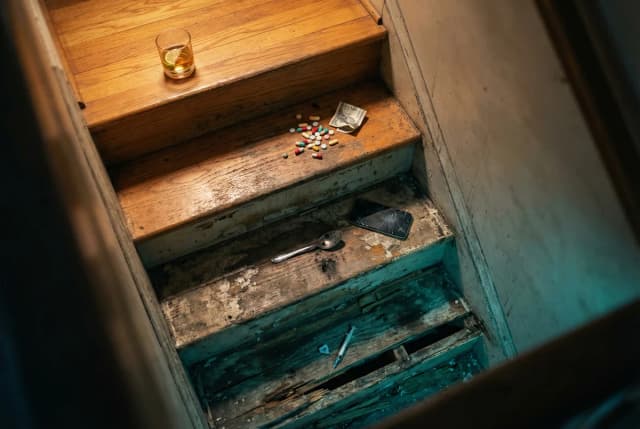
Drug withdrawal is often perceived solely as the moment of stopping substance use. In practice, however, it is a much broader and more complex process that encompasses both medical and therapeutic aspects. Simply stopping drug use does not solve the problem of addiction if it is not accompanied by health assessment, specialist support, and work on the mechanisms that lead to using psychoactive substances.
What does drug withdrawal look like?
Drug withdrawal is a process that begins with a calm assessment of the patient's situation and selecting the form of help according to actual needs. There is no one-size-fits-all approach, as the course of treatment depends on the type of substance, duration of use, and health condition.
Withdrawal typically follows this pattern:
- Initial consultation and gathering information about substance use.
- Assessment of the patient's condition and risk of withdrawal symptoms.
- Establishing an individual treatment plan and next steps.
- Drug detox, if needed as a stage of medical support for the body.
- Therapy and work on addiction mechanisms and relapses.
- Sobriety maintenance plan and strengthening daily support.
Drug withdrawal works best when it is tailored to the patient, not based on random methods. If you have doubts about where to start, the first step is a consultation that allows you to safely determine what form of help will be most reasonable.
Drug detox as the first stage of withdrawal
Drug detox is a medical stage aimed at stabilizing the body during the withdrawal period and reducing the risk of complications. This is especially important when withdrawal symptoms, strong mood swings, sleep disturbances, severe anxiety, or other ailments appear that make it difficult to stop using on your own.
It's important to clearly emphasize that drug detox is not addiction treatment in itself. It's preparation of the body for further therapeutic work, which only then allows recognizing triggers and building coping strategies without substances. Detox alone can bring relief and improved functioning, but without subsequent support stages, the risk of relapse usually remains high because the causes of reaching for drugs are not addressed.
Drug detox should be conducted under specialist supervision, not independently, as the withdrawal period may involve unpredictable body reactions and deterioration of mental condition.
How long drug detox takes and what it depends on
How long drug detox takes depends on the patient's situation and cannot be determined with a single number. At Nasz Gabinet facility, we offer professional medical detox lasting from several to several hours.
The duration of detox is mainly influenced by:
- mixing different substances,
- previous withdrawal attempts.
The longer the use and the more stressed the body, the more drug detox may require more careful supervision and more time. Sudden, independent drug withdrawal is risky because withdrawal symptoms can be unpredictable. Therefore, it's safest to seek medical help.
How long drug withdrawal takes – treatment time and actual patient needs
When talking about drug withdrawal, it's worth distinguishing two stages: detoxification and further therapy. Drug detox is usually the first step, whose goal is safe substance withdrawal and body stabilization. Drug withdrawal in the broader sense also includes therapeutic work, that is, what helps maintain change and reduce relapse risk.
Therefore, withdrawal time cannot always be fitted into one fixed pattern. It depends, among other things, on the type of substances used, duration of addiction, patient's health condition, and what difficulties accompany addiction in daily functioning. For one person, intensive support at the beginning will be most important, for another, longer work on emotions and triggers.
In practice, treatment effectiveness does not result solely from how long drug withdrawal takes, but from whether the form of help is tailored to the specific person. A well-structured plan and appropriate medical support increase the chances of lasting change instead of a short break ending in relapse.
Drug withdrawal and functioning in daily life
For many patients, the decision to start treatment is associated with concerns about daily functioning. Withdrawal is often perceived as a necessity to completely disconnect from professional and social life, which often prevents seeking help. In practice, however, treatment does not always have to mean a radical break from previous functioning.
In the case of outpatient treatment available at Nasz Gabinet, it is possible to combine therapy with work and family life while maintaining appropriate medical and therapeutic support. This form of help allows gradual changes without sudden separation from daily roles and relationships, which for many patients is crucial for maintaining motivation.
When drug withdrawal becomes a necessity, not a choice
Drug use always carries risks to physical and mental health, even if it doesn't cause obvious problems at first. Psychoactive substances affect the nervous system and the ability to assess one's own condition, so the boundary between occasional use and loss of control can be difficult to notice. For this reason, reaching for drugs itself is a signal to consult a doctor or specialist.
Drug withdrawal stops being a choice and becomes a necessity when warning symptoms appear. These include, among others, increasing tolerance to substances, increasingly strong withdrawal symptoms, difficulty stopping use despite wanting to, as well as deterioration of mental and physical health. Problems with sleep, mood, concentration, or relationships are often the first signals that the body and psyche are not coping with the burden.
Help with drug withdrawal
At Nasz Gabinet, we help people who want to stop using drugs and need safe, professional support. The first step is an individual consultation during which we calmly discuss the situation, type of substances taken, duration of their use, and current symptoms. This is a stage without judgment and without pressure, focused on real diagnosis and planning further steps.
The next element is diagnostics and health assessment to determine the risk associated with withdrawal and select the appropriate form of help. If the situation requires it, drug detox is treated as a medical stage whose goal is body stabilization and increased patient safety. Then we plan further treatment aimed at addiction mechanisms, triggers, and strategies that help maintain change in daily life.
Help is outpatient in nature, which for many is important because it allows combining treatment with family and professional obligations while maintaining confidentiality. Each plan is tailored to a specific person and based on current medical knowledge. Our primary goal is safety and the most lasting change possible, not a short break in substance use.