Table of contents
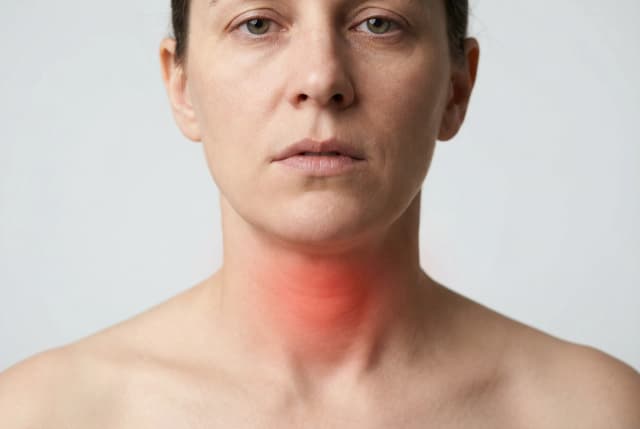
Alcohol intolerance is a condition in which the body has difficulty processing the substance, leading to unpleasant symptoms after its consumption. Unlike an allergy, it is not associated with an immune system reaction, but with improper alcohol metabolism, particularly due to the absence or deficiency of appropriate enzymes in the body. Symptoms of alcohol intolerance may include skin flushing, headaches, nausea, vomiting, as well as breathing problems. Although it is not life-threatening, it can significantly affect quality of life and require appropriate changes in diet and lifestyle.
In brief
Alcohol intolerance consists of the body's inability to effectively metabolize it, mainly due to a deficiency of the enzyme (ALDH), which leads to symptoms such as skin flushing, headaches, nausea, and vomiting.
Sudden intolerance can be caused by liver diseases, interaction of alcohol with medications, hormonal disorders, or genetic mutations.
Allergy to alcohol itself (ethanol) is rare; more often the body reacts allergically to components of alcoholic beverages, such as histamine or sulfites, causing rashes, swelling, sneezing, runny nose, and abdominal pain.
In case of severe allergic reactions, such as swelling of the face, throat, breathing difficulties, or vomiting, immediate medical attention is necessary.
Regular sneezing or runny nose after alcohol may indicate sensitivity or allergy to substances contained in alcoholic beverages.
What is alcohol intolerance?
Alcohol intolerance is a condition in which the body cannot cope with its metabolism, leading to unpleasant symptoms after consuming even small amounts. The fundamental difference that separates this condition from an allergy is the lack of an immune system reaction. The most common cause is a deficiency of an enzyme called aldehyde dehydrogenase, which is responsible for breaking down acetaldehyde (a byproduct of alcohol metabolism), which in excess causes symptoms such as skin flushing, headaches, nausea, and vomiting.
Why doesn't the body digest alcohol?
Problems with alcohol digestion can result from the improper functioning of enzymes responsible for its breakdown in the body, especially in the liver. These include primarily alcohol dehydrogenase (ADH) and aldehyde dehydrogenase (ALDH). In case of their deficiency or malfunction, the body is unable to effectively process alcohol, which leads to its accumulation in the body, causing symptoms of intolerance.
Sudden alcohol intolerance – why does the body stop tolerating alcohol?
Sudden intolerance can result from changes in the body, such as decreased activity of liver enzymes, which makes alcohol metabolism difficult. With age, the body processes it worse, and diseases such as fatty liver disease or liver cirrhosis additionally worsen tolerance. Problems can also be the result of allergies to alcohol components, e.g., histamine, sulfites, or gluten, which causes skin reactions, shortness of breath, or abdominal pain.
Interactions with medications such as antibiotics, antihistamines, or painkillers can intensify the effects of alcohol or cause unpleasant symptoms. Hormonal disorders, diabetes, or problems with the digestive system can also affect metabolism, causing sudden weakness, abdominal pain, or facial flushing. In some people, the cause is genetic factors, e.g., a mutation of the ALDH2 gene, which leads to the accumulation of toxic acetaldehyde.
See also: Is alcoholism hereditary?
Can you have an allergy to alcohol?
An allergy to alcohol (ethanol) is relatively rare, and most reactions after alcohol consumption result from intolerance, not allergy. In the case of an allergy, the body reacts not to the alcohol itself, but to other substances present in beverages that can act as allergens. Such components include primarily histamine, which naturally occurs in some drinks, especially wine, and sulfites, which are used as preservatives, especially in wines and beers. Additionally, some alcohols contain dyes, preservatives, or other chemical substances that can trigger an allergic reaction.
Histamine, which is released in response to allergens, affects various processes in the body, including the dilation of blood vessels, which can lead to local inflammatory reactions. In such cases, the immune system mistakenly recognizes these substances as a threat, triggering an excessive reaction in the form of histamine release and other inflammatory mediators.
This phenomenon is particularly important for people with sensitivity to this compound, as their bodies may not cope with its breakdown, leading to the onset of allergic symptoms. Although it is not a reaction to alcohol itself, the interaction between beverage components and the immune system can trigger a reaction.
Alcohol allergy – most common symptoms
Symptoms of an allergy to alcohol or one of the beverage components can cause various symptoms, which in the most common cases include:
- Skin rash, especially on the face.
- Itching and hives.
- Swelling of lips, tongue, throat (in rare cases can lead to breathing difficulties).
- Sneezing, watery eyes, stuffy nose.
- Headaches and dizziness.
- Nausea, vomiting, abdominal pain.
These symptoms usually appear after drinking alcoholic beverages that contain allergenic components.
What does sneezing after alcohol mean?
Sneezing after alcohol can be the result of allergic reactions to beverage components, such as sulfites, which are commonly used in wine and other alcoholic beverages as preservatives. They can cause irritation of the respiratory tract, leading to sneezing, watery eyes, and other allergic symptoms. It's worth paying attention if this symptom appears regularly after alcohol consumption, as it may be a sign of sensitivity to substances found in the beverage.
Where does the runny nose after alcohol come from?
A runny nose after alcohol can occur as a result of the body's reaction to histamine, which is released during alcohol consumption. Alcohol, especially red wine, can also increase histamine release in the body. Histamine is a substance that causes blood vessel dilation and increased vascular permeability, which can lead to swelling of the nasal mucous membranes, and thus to a runny nose.
Symptoms of alcohol allergy – when should you see a doctor?
Symptoms of alcohol allergy, such as breathing difficulties, swelling of the face, throat, hives, severe abdominal pain, or vomiting, should prompt you to see a doctor. In case of severe allergic reactions, such as anaphylaxis (severe allergic reaction), immediate medical attention may be necessary, as this can be life-threatening. It is important not to ignore these symptoms, as they may indicate serious allergies or intolerances that require diagnosis and treatment.
Bibliography
- Bocheńska-Marciniak, M., & Kupczyk, M. (2015). Nietolerancja alkoholu w praktyce lekarza alergologa. Alergia, 4, 21–27. Online access: alergia.org.pl/wp-content/uploads/2017/08/Nietolerancja-alkoholu-w-praktyce-lekarza-alergologa.pdf
- Gawlik, R., & Krakowczyk, H. (2018). Nadwrażliwość na wino. Alergia, 2(76), 12–14.
- Buczyłko, K. (2016). Nie tylko alergeny: nietolerancja histaminy. Alergia, 1, 35–38. Online access:
- Adams, K. E., & Rans, T. S. (2013). Adverse reactions to alcohol and alcoholic beverages. Annals of Allergy, Asthma & Immunology, 111(6), 439–445.
- Wüthrich, B. (2018). Allergic and intolerance reactions to wine. Allergologie Select, 2(1), 80–88.
- Brooks, P. J., Enoch, M. A., Goldman, D., Li, T. K., & Yokoyama, A. (2009). The alcohol flushing response: an unrecognized risk factor for esophageal cancer from alcohol consumption. PLoS Medicine, 6(3), e1000050.
- Mergenhagen, K. A., Wattengel, B. A., Skelly, M. K., Clark, C. M., & Russo, T. A. (2020). Fact versus Fiction: a Review of the Evidence behind Alcohol and Antibiotic Interactions. Antimicrobial Agents and Chemotherapy, 64(3), e02167-19.
- Gonzalez-Quintela, A., Vidal, C., & Gude, F. (2004). Alcohol, IgE and allergy. Addiction Biology, 9(3–4), 195–204.
Frequently Asked Questions – FAQ
What is the difference between alcohol intolerance and allergy?
Intolerance does not involve the immune system, while allergy triggers an immunological reaction to alcohol components.Can you develop sudden alcohol intolerance?
Yes, it can be caused by liver diseases, age, medications, hormonal disorders, or genetic factors.What are the symptoms of alcohol allergy?
Rash, swelling, sneezing, stuffy nose, abdominal pain, nausea, vomiting, and in extreme cases shortness of breath.Why does a runny nose appear after alcohol?
The reason is the action of histamine, which dilates blood vessels and causes swelling of mucous membranes.Is alcohol intolerance dangerous?
It is not life-threatening, but can significantly reduce comfort and require avoiding alcohol and modifying lifestyle.Need help in fighting addiction?
Our specialists are ready to help you. Call or schedule an online appointment.