Table of contents
Update: September 3, 2025, 5:24 PM
Liver cirrhosis is one of the most serious complications of chronic alcohol abuse. The disease develops gradually, and its first signals may be subtle and easy to overlook. Neglecting symptoms leads to progressive liver failure and serious complications that pose a real threat to life. Early detection and complete abstinence from alcohol can slow the development of the disease and improve prognosis.
:::cta Need help fighting addiction? Our specialists are ready to help you. Call or schedule an online appointment. Call: 880 808 880 | Schedule appointment :::
In brief
Liver cirrhosis is serious liver damage that often develops due to long-term alcohol consumption. The disease develops in stages: from fatty liver, through inflammation, to cirrhosis and liver failure. Initially it may be asymptomatic, and advanced symptoms include jaundice, ascites, skin changes, digestive problems, and coagulation disorders. Diagnosis is based on blood tests, ultrasound, liver function tests, and sometimes biopsy. Treatment is mainly symptomatic – slows disease progression and supports liver functions, and in advanced cases transplantation may be necessary. Prognosis depends on the degree of advancement; possible complications include encephalopathy or hepatocellular carcinoma. The best prevention is complete abstinence from alcohol and maintaining a healthy lifestyle.Alcoholic liver cirrhosis – what is it and why does it occur?
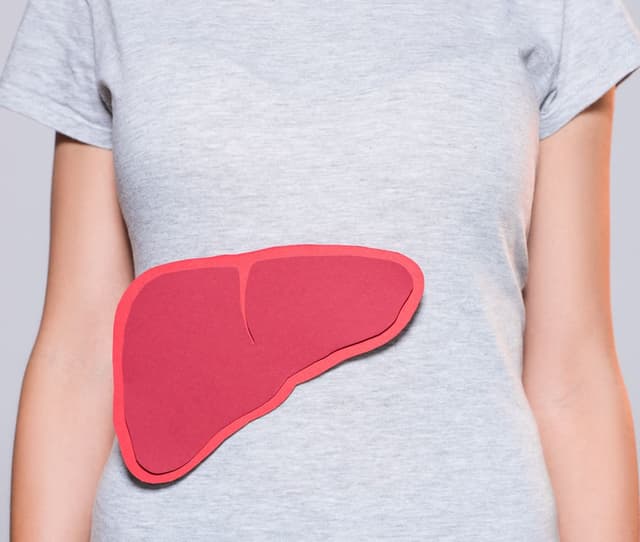
Alcoholic liver cirrhosis is an advanced chronic disease in which healthy liver tissue is gradually replaced by fibrous scars. This process results from years of intensive alcohol consumption, which acts toxically on the cells of this organ. Initially, the liver tries to regenerate, but with constant ethanol exposure, its repair capabilities become exhausted. Repeated episodes of liver inflammation caused by alcohol lead to damage of hepatocytes (liver cells) and their replacement with scar tissue. Fibrosis disrupts the liver structure and impedes blood flow through the organ, leading to gradual loss of its functions. Alcoholic cirrhosis does not appear suddenly – it is preceded by earlier stages of damage such as fatty liver and inflammation. Long-term alcohol consumption, however, causes the scarring process to progress and become irreversible, resulting in the development of severe liver failure.Liver cirrhosis – symptoms in an alcoholic at an early stage
Early liver cirrhosis in people who abuse alcohol develops insidiously, and the first signs of the disease are usually not very characteristic. The most common include:- chronic fatigue and weakness
- loss of appetite, quick feeling of fullness
- nausea, sometimes vomiting
- slight weight loss
- pain and discomfort in the upper abdomen
- bloating, feeling of heaviness after meals
- sleep disturbances, concentration problems
- low mood, irritability.
Liver cirrhosis – symptoms in an alcoholic and the most typical signs
- Jaundice, i.e., yellowing of the skin and whites of the eyes – is the result of improper bilirubin metabolism, which instead of being excreted from the body, accumulates in the blood.
- Edema, especially of the legs and ankles, as well as water retention in the body. Over time, alcoholic ascites develops, which manifests as increased abdominal circumference and causes feelings of heaviness, shortness of breath, or pain.
- Digestive system disorders – Patients often complain of lack of appetite, feeling of fullness after small meals, nausea, bloating, or diarrhea. Consequently, significant weight loss, muscle weakness, and body wasting occur.
Symptoms of liver cirrhosis in an alcoholic visible on the skin
Symptoms of cirrhosis in an alcoholic often manifest on the skin, because the liver is responsible not only for alcohol metabolism, but also for detoxification of the body and proper blood circulation. When the organ is damaged, its functions are disrupted, and the effects are visible on the body surface.- Liver spots after alcohol, i.e., pigmentation in shades of brown, red, or purple, occur as a result of blood vessel dysfunction and deposition of pigments in the skin.
- Spider angiomas, looking like small red dots with thin
"legs" of vessels radiating out, usually appear on the chest, shoulders, or face and do not disappear spontaneously.
- Reddening of the palms (palmar erythema) – the skin on the inner side of the palms takes on an intensely red hue, which indicates chronic liver damage and hormonal disorders associated with cirrhosis.
Liver cirrhosis – abdomen and increased waist circumference
Liver cirrhosis very often manifests in the abdominal area, and one of the most characteristic signals is ascites. It involves the accumulation of a large amount of fluid in the peritoneal cavity, which leads to a clear increase in waist circumference. The abdomen becomes tense, hard, and unnaturally rounded, and some people also experience a feeling of heaviness or pain. Fluid accumulation occurs because the liver damaged by alcohol is unable to properly filter blood and maintain pressure balance in the vessels. Increased pressure in the portal vein and impaired protein production by the liver causefluid to "leak" from the vessels into the abdominal cavity. This condition is a serious health threat. It makes breathing and movement difficult, can lead to hernias, and most importantly increases the risk of dangerous peritoneal infections. Every case of sudden or progressive abdominal enlargement in a person with alcohol disease should be treated as an alarm signal and require urgent medical consultation.
Alcoholic liver cirrhosis – life expectancy and prognosis
Liver cirrhosis caused by alcohol is a chronic and progressive disease that, without treatment, significantly shortens life. Survival time depends on many factors:- degree of disease advancement – the greater the liver damage, the worse the prognosis
- comorbidities (e.g., diabetes, viral hepatitis infection)
- general health condition and patient age.
Alcoholic liver cirrhosis and diet
The basic principle is complete elimination of alcohol and limitation of heavy, fatty, and fried foods, which intensify liver damage. Light, easily digestible meals are recommended, eaten more frequently but in smaller portions. This way the digestive system is less burdened, and the body better absorbs nutrients. It is also very important to provide an adequate amount of protein, which supports regeneration of liver cells and prevents body wasting. It's best to choose easily digestible protein sources such as lean meat, fish, eggs, or low-fat dairy products. People with cirrhosis often have deficiencies in vitamins and minerals, especially B vitamins, D, folic acid, zinc, or magnesium. Sometimes it is also necessary to supplement electrolytes and trace elements under medical supervision.How to recognize alcoholic liver cirrhosis and when to seek help
Alcoholic liver cirrhosis develops slowly but produces symptoms that cannot be ignored. Chronic fatigue, loss of appetite, nausea, jaundice of skin and eyes, edema, increased abdominal circumference, as well as skin changes – the appearance of such ailments in a person who abuses alcohol should always be a reason for medical consultation. Quick diagnosis allows implementation of supportive treatment, appropriate diet, and above all complete abstinence, which can significantly improve prognosis and quality of life. The earlier the patient comes under specialist care, the greater the chance of slowing disease progression and avoiding serious complications, including death.:::cta Need help fighting addiction? Our specialists are ready to help you. Call or schedule an online appointment. Call: 880 808 880 | Schedule appointment :::