Table of contents
Update: April 11, 2025, 12:59
Alcohol abuse is a serious health problem that can lead to many diseases, both physical and mental. Early detection of this problem can help prevent serious health consequences such as liver damage, heart problems, or neurological disorders. One of the key tools in diagnosing addiction are blood and urine tests, which allow monitoring the effects of alcohol abuse and early detection of its negative impact on the body.
:::cta Need help fighting addiction? Our specialists are ready to help you. Call or book an online appointment. Call: 880 808 880 | Book an appointment :::
Does a blood count detect alcohol?
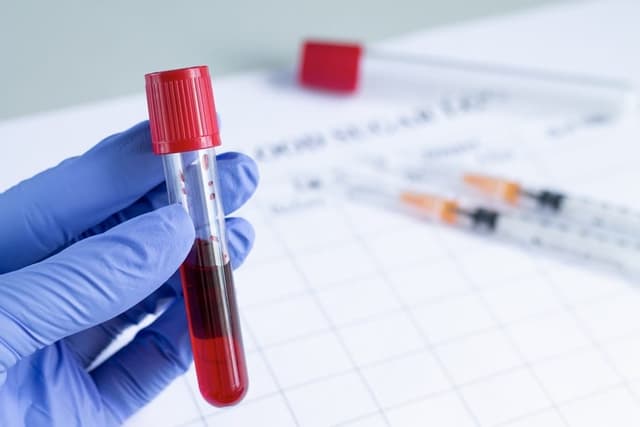
A blood count does not directly detect the presence of alcohol in the body, but it can indicate the effects of long-term or chronic drinking. It is a test that measures various blood parameters, such as the number of red and white blood cells, platelets, as well as other indicators that may change as a result of long-term substance abuse. Although the blood count itself does not allow detection of alcohol in the body (e.g., unlike measuring blood alcohol level), some morphological parameters may suggest that a person has been abusing alcohol and has health problems related to this addiction. Here are some examples of changes that may occur as a result of chronic alcohol consumption:- elevated white blood cell count (leukocytosis)
- decreased platelet count (thrombocytopenia)
- anemia
- increased hematocrit
- macrocytosis (enlargement of red blood cells).
Alcoholic's blood count – changes in white blood cell, red blood cell, and platelet counts.
Excessive drinking leads to many changes in the bodies of addicted individuals, and the blood count is one of the most important tools that allow their detection. Alcohol affects blood cell production in the bone marrow, as well as the functioning of various organs, especially the liver.Changes in white blood cell count
White blood cells (leukocytes) are responsible for defending the body against infections. Long-term alcohol abuse can lead to chronic inflammation and weakening of the body's immunity, resulting in an increase in their number. Elevated leukocyte levels (leukocytosis) may indicate:- Chronic inflammatory conditions – alcohol is toxic to many organs, including the liver, pancreas, and intestines, which can lead to inflammatory conditions in the body. Chronic inflammation can stimulate white blood cell production.
- Liver damage – the liver plays an important role in regulating the immune response. In alcoholics, damage to this organ can occur, leading to abnormal immune system functioning and increased leukocyte count.
Changes in red blood cell count
Red blood cells (erythrocytes) are responsible for transporting oxygen to all tissues and organs in the body. Alcohol abuse has harmful effects on their production, which can lead to several disorders, including:- Anemia – chronic alcohol consumption can lead to liver and bone marrow damage, which disrupts red blood cell production. Additionally, alcohol can cause B vitamin deficiencies (especially vitamin B12 and folic acid), which are necessary for red blood cell production. People abusing alcohol may experience symptoms of anemia such as fatigue, weakness, or dizziness.
- Macrocytosis – alcohol affects B vitamin absorption, leading to the production of larger than normal red blood cells, called macrocytes. This phenomenon can be visible in blood count results, where larger than normal red blood cells will appear.
Changes in platelet count
Platelets are responsible for blood clotting and preventing bleeding. Alcohol affects bone marrow function, which can lead to various disorders in platelet production. In alcoholics, the following changes may occur:- Thrombocytopenia (decreased platelet count) – long-term alcohol consumption leads to liver damage, which produces proteins responsible for platelet production. The damaged organ can disrupt this process, resulting in decreased platelet count. Their deficiency increases the risk of bleeding and bruising.
- Platelet function disorders – in addition to decreased platelet count, alcohol can cause disorders in their function, which also leads to blood clotting problems.
GGT level in alcoholics – what does it say about excessive alcohol consumption?
GGT (gamma-glutamyltranspeptidase) is an enzyme that is present mainly in the liver, but also in other tissues such as kidneys, pancreas, or intestines. It plays a role in glutamic acid metabolism and in the transport of amino acids across cell membranes. In the context of alcoholism, the GGT level in blood is often used as an indicator of excessive consumption. In case of alcohol abuse, the GGT level in blood serum may increase. This is caused by liver cell damage, which releases the enzyme into the bloodstream. Alcohol damages them and disrupts their functioning, leading to increased GGT secretion. Usually in the case of alcoholism, the level of this enzyme can be significantly higher than normal, especially in chronic drinking.What other indicators in blood tests indicate alcohol abuse?
Blood tests can reveal many changes that indicate alcohol abuse and its health effects. Elevated levels of liver enzymes (GGT, ALT), bilirubin, and changes in blood count can suggest liver damage, nutritional deficiencies, and disorders in the blood-forming system, which are characteristic of chronic alcohol consumption.ALT in alcoholics – what does an elevated level mean?
ALT (alanine aminotransferase) is a liver enzyme that is mainly present in the liver, but also in smaller amounts in the kidneys and muscles. An elevated level in blood serum is an indicator of liver cell damage. In alcoholics, ALT levels may increase, especially in cases of liver damage caused by alcohol abuse.Bilirubin and alcohol – changes with alcohol abuse.
Bilirubin is a breakdown product of hemoglobin, which is processed by the liver and excreted through the digestive system. An increased level in serum may indicate problems with the liver or bile ducts, including the effects of alcohol abuse.- Elevated bilirubin level: As a result of alcohol-related liver damage, disorders in bilirubin metabolism may occur, leading to its increase in the body. This can cause jaundice, which is yellowing of the skin and whites of the eyes. Chronic alcohol abuse can lead to fatty liver, inflammation, and cirrhosis, which disrupt bilirubin detoxification processes.
- Increased total bilirubin: May indicate liver disorders, e.g., as a result of alcoholic cirrhosis. In this case, bilirubin may accumulate in the body, leading to jaundice.
Alcohol in urine – how does urine testing help detect alcohol abuse?
Urine testing can detect the presence of alcohol because ethanol is metabolized in the body and excreted in urine. Urine tests detect ethyl acid, which is a breakdown product of ethanol. Alcohol can be detected for 12-24 hours after consumption, depending on the intensity of drinking. In case of large amounts of alcohol, it may remain in urine longer (even up to 48 hours).Beer and white blood cells – how does alcohol affect the body at the blood level?
Alcohol, including beer, affects the immune system and can change the number of white blood cells (leukocytes), which are crucial for the body's defense against infections. Even in moderate amounts, it can initially increase the number of white blood cells as part of the body's inflammatory response. The increase in leukocyte count may be the result of the body's reaction to alcohol toxicity. Chronic drinking, including beer, can lead to weakening of immune system function, resulting in decreased white blood cell count and their ability to fight infections.How to check if someone is an alcoholic?
To check if someone is an alcoholic, you should pay attention to symptoms of addiction, such as loss of control over the amount of alcohol consumed, increased tolerance, withdrawal symptoms (e.g., trembling, sweating), drinking despite negative health and social consequences, and neglecting responsibilities. An addicted person may also have difficulty stopping drinking. Screening tests help assess the risk of addiction in diagnosis. Additionally, laboratory tests may indicate liver damage, and blood counts may show changes in blood cell counts, suggesting negative effects of drinking. Tests for the presence of ethanol in blood or urine help determine whether alcohol was consumed. In full diagnosis, consultation with a doctor or therapist is also important. At Nasz Gabinet, we offer professional diagnosis and alcoholism treatment using modern methods.:::cta Need help fighting addiction? Our specialists are ready to help you. Call or book an online appointment. Call: 880 808 880 | Book an appointment :::