Table of contents
The Esperal implant procedure is one form of supporting alcoholism treatment. It involves subcutaneous placement of a medication (disulfiram) that triggers a strong bodily reaction after consuming alcoholic beverages, effectively deterring further drinking. For the therapy to be effective and safe, proper preparation for the procedure is necessary – both physical and psychological. Abstinence, medical consultation, and following pre-procedure recommendations are crucial for the course of the procedure and its safety.
How Does the Alcohol Implant Work?
Disulfiram, the component of the implant, is a medication that disrupts alcohol metabolism in the body. After its administration, the enzyme aldehyde dehydrogenase is blocked, which is responsible for converting acetaldehyde (a toxic intermediate product of alcohol breakdown) into less harmful acetic acid. Under normal conditions, after alcohol consumption, ethanol is broken down in the liver to acetaldehyde and then to acetic acid. When disulfiram is present in the body, this process is interrupted – acetaldehyde accumulates in the blood, causing severe poisoning symptoms. The implant procedure does not treat addiction causally but acts as a supporting element of psychological and motivational therapy. The fear of experiencing strong, unpleasant symptoms after drinking is meant to deter the addicted person from reaching for alcohol. It works on the principle of aversive therapy – creating a psychological barrier against returning to drinking, giving the patient time to rebuild a sober life and work on the sources of addiction.Who Is the Implant For? Patient Profile
The alcohol implant is a solution designed for people addicted to alcohol who are determined to maintain abstinence but have difficulty abstaining from drinking on their own. The procedure can be an effective tool supporting therapy, but it is not suitable for everyone. So who should use the alcohol implant?- People addicted to alcohol – especially those who have numerous unsuccessful attempts at maintaining sobriety behind them and need additional motivation for abstinence.
- Aware and motivated patients – the person undergoing the procedure should be fully aware of its effects and the consequences of consuming alcohol after implantation.
- People wanting to start or continue therapy – the implant should be part of comprehensive treatment, also including psychological help and addiction therapy.
The Necessity of Abstinence – How Many Days Without Alcohol Before the Implant?
For the implantation procedure to be safe and effective, the patient must maintain complete abstinence from alcohol for at least 24 to 48 hours before the planned procedure. The presence of alcohol or its metabolites in the blood at the time of disulfiram implantation can lead to an immediate reaction that is very dangerous. It manifests, among other things, with severe headaches, blood pressure drop, shortness of breath, vomiting, and can even be life-threatening. Therefore, before the procedure, the patient should:- Not consume any alcoholic beverages (even in small amounts) for at least 24-48 hours.
- Inform the doctor about all medications being taken – some may interact with disulfiram.
What to Avoid Before the Alcohol Implant Procedure?
Preparation for the alcohol implant requires not only maintaining abstinence but also consciously avoiding factors that could affect the safety and effectiveness of the procedure. Here is a list of the most important things to avoid:- Products that may contain ethyl alcohol, such as: medicinal syrups and drops (e.g., cough remedies, herbal tinctures), mouthwashes, deodorants, perfumes and colognes (especially used near the procedure area), candies with alcohol (e.g., liqueur-filled chocolates).
- Cigarette smoking – although smoking is not a direct contraindication, it can worsen tissue blood supply and delay wound healing after the procedure.
What Does the Alcohol Implantation Procedure Look Like?
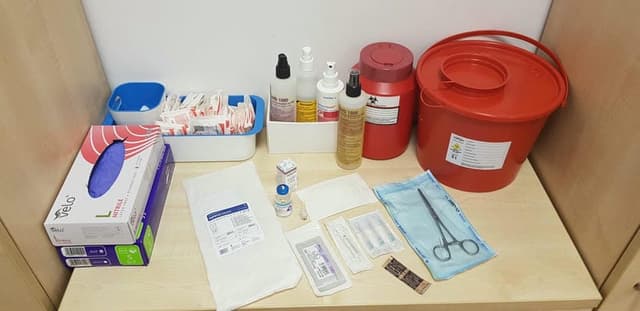
The alcohol implantation procedure is a short and safe outpatient procedure, most often performed in the buttock or shoulder blade area. It lasts up to 30 minutes and is performed under local anesthesia, making it painless while the person remains fully conscious during the procedure. The surgeon makes a small skin incision, implants the device with disulfiram tablets, and then applies sutures. After the procedure, the patient returns home the same day and can function normally, avoiding greater physical exertion for several days. More on this topic: What Does the Esperal Implantation Procedure Look Like?Post-Procedure Recommendations – What's Worth Knowing?
For several days after the procedure, the wound should be kept clean and dry. Daily hygiene of the incision area is recommended, as well as avoiding wetting the wound (e.g., in the bath). Sutures are usually removed after a few days or absorbable sutures are used. In case of redness, pain, or discharge, contact your doctor. What to avoid?- Alcohol – throughout the entire period of having the implant, even trace amounts (in medications, cosmetics, food) can trigger a severe disulfiram reaction.
- Physical exertion – for several days, avoid intense exercises and overloading the procedure area.
- Certain medications – including preparations containing alcohol or some antibiotics. When in doubt, always consult with your doctor.
:::cta Need Help Fighting Addiction? Our specialists are ready to help you. Call or schedule an online consultation. Call: 880 808 880 | Schedule Appointment :::