Table of contents
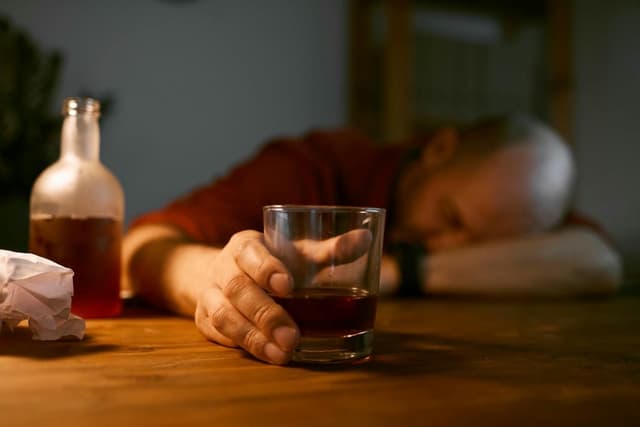
Society often downplays the effects of excessive alcohol consumption, which leads to addiction and other health problems. Regular drinking can affect the body's functioning, leading to liver disease, heart problems, or mental health issues. Additionally, alcohol often becomes the cause of conflicts in families, at work, and in other relationships. Reducing consumption is a step toward better physical and mental health. Through reduction, we can improve our fitness, increase energy, improve sleep quality, and avoid diseases associated with excessive drinking.
In brief
Excessive alcohol consumption leads to health problems (liver disease, heart disease, mental disorders) and social conflicts; reducing consumption significantly improves health and quality of life. Key steps to reduce drinking include setting specific, realistic goals, gradually reducing alcohol consumption, and avoiding situations and environments that encourage drinking. Effective techniques include identifying the causes of drinking, developing alternative ways to cope with stress (e.g., meditation, physical activity), and choosing healthy alternatives (non-alcoholic beverages, alcohol-free beer, kombucha). In difficult cases, it's worth seeking professional psychological support, addiction therapy, or support groups (e.g., Alcoholics Anonymous), which help effectively deal with temptations and emotions leading to drinking.How to Reduce Alcohol Consumption? – First Steps
The first step in reducing alcohol consumption is setting specific goals. For example, you can decide to limit the number of drinks to a certain amount per week or completely abstain from alcohol for a specific period. It's important to establish clear boundaries, such as abstinence for a whole week or choosing non-alcoholic beverages. An important step is limiting relationships with people who don't support your decisions – surrounding yourself with people who respect sobriety decisions will help maintain motivation. A key decision is also learning to cope with the temptation to drink alcohol during difficult moments, for example, by developing healthy relaxation methods such as walking or meditation.Step by Step – How to Gradually Stop Drinking Alcohol
Starting with smaller amounts, for example, by limiting drinking frequency during the week, makes it easier to accustom the body to a new life rhythm. You can set goals such as reducing the amount of alcohol daily or weekly until reaching the desired amount or complete abstinence. It's important to proceed according to the plan and be patient in the process of changing habits. To break with alcohol without the risk of relapse, it's essential to create appropriate support and environment. You should avoid situations that may encourage the temptation to reach for alcohol, such as social gatherings where drinking is common. Additionally, it's worth considering alcohol therapy, which can help cope with difficult moments and emotions that may lead to relapses.Techniques and Strategies to Quit Alcohol
Giving up alcohol permanently is a process that requires commitment and consistency. However, it's worth remembering that success is based on gradual habit changes, support, and perseverance. This approach allows not only breaking with alcohol but also creating lasting, positive life changes. Key moments in this process are:- Understanding the causes that led to excessive alcohol consumption and eliminating them.
- Setting specific boundaries, e.g., complete abstinence for a specific period.
- Developing healthy strategies for coping with stress and emotions that previously led to alcohol consumption.
- Maintaining motivation, tracking progress, and celebrating small successes.
What to Replace Alcohol With and How Not to Drink Beer?
When wanting to limit or give up alcohol, it's worth reaching for healthy beverages that effectively replace alcoholic drinks. An excellent alternative is non-alcoholic beverages such as mineral water with fresh fruits, natural juices, iced tea, or carbonated drinks with low sugar content. Mint infusions, coconut water, or vegetable cocktails will also be tasty and refreshing substitutes that provide valuable vitamins and minerals. Beer, although considered a "lighter" form of alcohol, can be equally harmful in excess. To limit its consumption, it's worth reaching for alcohol-free versions that offer similar taste and experience but without health risks. Flavored or fruity alcohol-free beers are also an interesting alternative. Kombucha, a fermented tea with a slightly sour taste, is another healthy option that can be a great beer substitute, combining refreshing taste with health benefits. More on this topic: How to Stop Drinking Beer?What to Do to Not Drink Alcohol? – Practical Advice
To not drink alcohol, it's important to replace old habits with healthier ones. It can be helpful to identify when and why you reach for alcohol (e.g., in stressful situations, out of boredom, in company), and then replace these moments with other activities. For example, instead of reaching for a drink after work, you can choose a walk or physical activity that will help you relax. It's also important to introduce new rituals, such as drinking non-alcoholic beverages, which will positively affect well-being without giving up the pleasure of drinking.Support on the Difficult Path – How to Effectively Limit Alcohol
In case of difficulties with limiting alcohol, it's very important to seek professional support. Psychological help, including therapeutic sessions, can help discover deeper causes of addiction and develop an individual action plan. Addiction therapy allows changing the way of thinking and behaviors related to drinking. Additionally, support groups such as those organized by Alcoholics Anonymous (AA) offer emotional support and exchange of experiences with people going through similar difficulties, which can be very motivating.Frequently Asked Questions – FAQ
How to gradually reduce the amount of alcohol consumed?
By limiting the number of days and amount of alcohol consumed weekly and gradually striving for abstinence.Where to start limiting alcohol?
With setting specific, realistic goals and avoiding situations and people that encourage drinking.Does limiting alcohol improve health?
Yes, reducing alcohol consumption positively affects the liver, heart, psyche, as well as sleep quality and overall well-being.How not to drink alcohol in social situations?
Prepare an alternative drink, speak openly about your decision, and try to surround yourself with supportive people.What to do in moments of temptation or weakness?
Apply relaxation techniques, go for a walk, do physical exercises, or talk to someone supportive.:::cta Need help fighting addiction? Our specialists are ready to help you. Call or schedule an online appointment. Call: 880 808 880 | Schedule Appointment :::