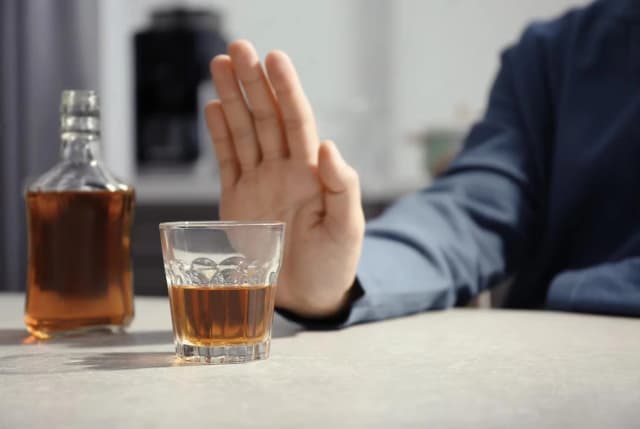
In brief
Sobering up isn't just about dropping blood alcohol levels – the brain needs time to return to functional balance. Even with a negative breathalyzer reading, impaired concentration, slower reflexes, and irritability can persist.
The regeneration process depends on many factors: sleep quality, dehydration, age, body weight, liver condition, medication interactions, and overall relationship with alcohol. With long-term abuse, changes run deeper and require medical support.
The brain can partially regenerate: sleep, emotional regulation, and cognitive functions improve, but the process is wave-like and non-linear. Not all damage reverses completely, especially with years of heavy drinking.
Abstinence alone isn't always enough – psychotherapy helps break habitual patterns, recognize triggers, and teach the brain to derive satisfaction from sources other than alcohol.
Specialist support reduces relapse risk and accelerates the return to balance. At Nasz Gabinet, we offer consultations and therapy tailored to individual needs.
How Long Does the Brain Sober Up After Alcohol
Sobering up isn't just the moment when blood alcohol levels drop – it's also the time when
the brain returns to balance after alcohol. After a single drinking episode, many people still experience reduced concentration, slower reflexes, or irritability the next day, even though the breathalyzer may show nothing.
With prolonged abuse or addiction, changes run deeper and typically require longer abstinence, medical support, and therapy, because in the long term
the brain adapts to alcohol and struggles more without it.
How Long Does the Brain Sober Up After Alcohol – What Does "Sober" Mean in Practice
"Sober" doesn't always mean "fully functional." A breathalyzer shows whether alcohol is still in the bloodstream, but
the brain may need more time to return to balance. Therefore, even with apparent sobriety, impaired concentration, slower reflexes, fatigue, irritability, or sleep problems may persist.
The sobering process is most often prolonged by:
- lack of sleep and poor sleep quality after alcohol – alcohol disrupts sleep phases, reducing REM sleep and causing frequent awakenings
- dehydration and electrolyte imbalances – alcohol has a diuretic effect and flushes out electrolytes
- inflammation after alcohol and general body overload – alcohol metabolites (especially acetaldehyde) are toxic
- age – the older we get, the slower regeneration typically is
- body weight and overall metabolic state – people with lower body weight and slower metabolism sober up longer
- alcohol-drug interactions – some medications slow alcohol metabolism or intensify its effects
- liver disease – the liver breaks down alcohol, its insufficiency prolongs the process
- drinking on an empty stomach – accelerates alcohol absorption and intensifies symptoms
Also significant is
overall relationship with alcohol. A person who drinks occasionally reacts differently than an addicted patient. How long the brain regenerates after alcohol depends on many individual factors.
What Happens in the Brain After Alcohol?
Alcohol enhances the action of
GABA, the inhibitory system, which causes calmness, drowsiness, and impaired coordination. At the same time, it weakens
glutamate, which is responsible for excitation and efficient information processing – hence slower reflexes and concentration problems.
When alcohol begins to leave the body, the balance reverses:
GABA weakens and the excitatory system returns too strongly, which in some people produces tension, anxiety, and irritability.
Alcohol temporarily boosts feelings of relief and pleasure, but later
the brain may demand another dose of easy reward, which translates to decreased motivation, discouragement, and greater impulsivity. In parallel, the stress axis can activate (cortisol levels rise), so the next day irritability and feelings of internal tension are more common.
Read also:
How Does Alcohol Affect the Brain?
Does the Brain Regenerate After Alcohol?
In many people
some changes can gradually reverse with abstinence: concentration, sleep, emotional regulation, and stress resilience improve. With longer-term abuse, regeneration is slower and usually requires not just time, but also therapeutic support, because the brain has learned to function in the presence of alcohol.
However, it must be honestly added that
not everything always returns to pre-drinking state. With years of abuse, frequent binges, and health neglect, some damage can become permanent, especially if deficiencies and neurological complications appeared.
B vitamin deficiencies (especially thiamine) play a special role, as their lack worsens cognitive functions and can lead to serious memory disorders.
What Does Brain Regeneration After Addiction Look Like?
Brain regeneration after addiction typically
proceeds in waves, not linearly. At the beginning, the brain learns to function without alcohol, so sleep is unstable, anxiety and irritability arise more easily, and concentration can drop noticeably.
Also common is
craving, the intrusive need to reach for alcohol in response to stress or specific triggers. Over time, many patients experience improved sleep quality, easier emotional regulation, and returning sense of agency, but periodically mood drops and fatigue may appear – this is the effect of the reward system needing time to naturally respond to pleasant stimuli again.
Stages of Brain Regeneration
In practice, you can notice that:
- sleep stabilizes gradually – initial insomnia and awakenings give way to deeper, more regenerative sleep
- anxiety and tension weaken – the body stops living in a state of constant stress mobilization
- concentration returns in stages – especially when therapy, sleep hygiene, and support in building new habits occur in parallel
Worse moments after improvement periods are common and don't necessarily mean relapse –
the brain is still regulating, and stress, fatigue, or conflicts can temporarily bring back old reactions.
Brain Regeneration After Alcohol and Therapy – Why Abstinence Alone Sometimes Isn't Enough
Simply quitting removes the substance but doesn't automatically eliminate the mechanisms that sustained drinking for years: the way of coping with stress, habitual reactions to emotions, or the action of the reward system that became accustomed to quick relief from alcohol.
Therefore, some people despite sobriety still experience:
Role of Psychotherapy in the Regeneration Process
Psychotherapy helps understand what triggers the urge to drink and how to break that pattern in practice. It teaches recognizing triggers, regulating emotions, dealing with tension, and building new habits that aren't based on reward in the form of alcohol.
In parallel,
treatment of co-occurring disorders is important, such as depression or anxiety disorders, because untreated they often increase relapse risk and slow brain regeneration after addiction.
Read also:
Relapses in Alcoholism – How to Prevent Them?
Use Addiction Therapy at Nasz Gabinet
Specialist support
reduces relapse risk, strengthens sense of control, and provides concrete tools for difficult moments. It's also a way to stabilize the reward system: the brain gradually learns to derive satisfaction from other sources (relationships, activities, goals), not exclusively from quick relief. Thanks to this, sobering up becomes not just abstinence, but a real return to balance.
We offer
consultations and therapy tailored to your situation. Working with a specialist helps organize goals, recognize triggers, and learn specific strategies for coping with stress and cravings.
This is important support especially when symptoms persist, motivation drops, or relapse risk appears. If you need a conversation and a plan for next steps,
schedule an appointment at Nasz Gabinet.