Spis treści
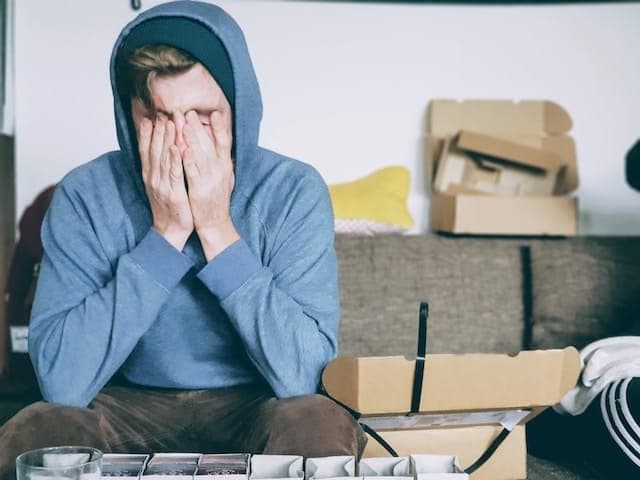
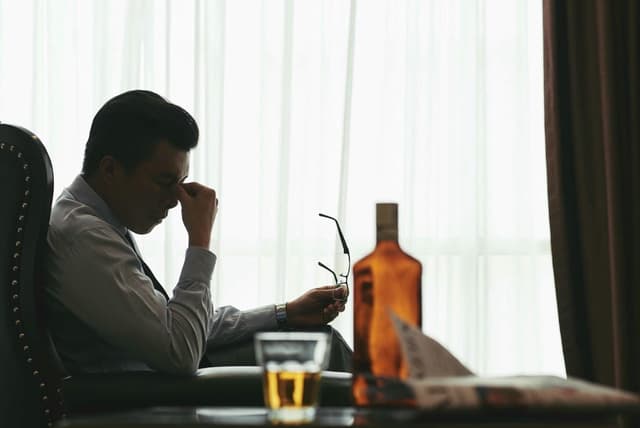
Especially after excessive alcohol abuse, symptoms such as headache, dry mouth, or fatigue appear. Unfortunately, they are sometimes accompanied by anxiety, restlessness, and even panic attacks. This phenomenon, referred to as
hangxiety," has become increasingly common and sparks interest among people who experience strong anxiety states after alcohol consumption. What mechanisms are behind anxiety states after alcohol, how to recognize the symptoms, and what to do to effectively cope with them?
In brief
These symptoms result from the disruption of neurotransmitter balance (serotonin, dopamine), dehydration, and stress caused by feelings of guilt or shame. Panic attacks during a hangover can include heart palpitations, shortness of breath, body trembling, and a strong sense of threat. Alleviating anxiety states includes hydrating the body, rest, avoiding stressful stimuli, breathing techniques, and meditation. The best prevention method is conscious, moderate alcohol consumption, avoiding mixing different drinks, regular water intake, and eating meals during alcohol consumption. With recurring severe symptoms, consultation with a specialist is recommended to avoid long-term psychological consequences.Hangxiety" is a phenomenon combining the physical symptoms of a hangover with strong anxiety states, depression, feelings of guilt, and even panic attacks after alcohol consumption.
What is hangxiety?
Hangxiety is a term describing the combination of a hangover (eng. „hangover") and anxiety (eng. „anxiety"), which appears as a result of excessive alcohol consumption. This phenomenon causes not only classic physical symptoms but also psychological ones, which can include strong feelings of anxiety, restlessness, depression, and in extreme cases, panic attacks. As a result, the person after consumption may feel psychologically and emotionally exhausted, and their well-being deteriorates even to the point where they have difficulties functioning. The mechanisms behind hangxiety include the influence of alcohol on the level of neurotransmitters, including serotonin and dopamine, which regulate mood and emotions.How do anxiety states manifest during a hangover?
Anxiety states during a hangover manifest in various ways. In addition to traditional physical symptoms such as fatigue, dehydration, headaches, or nausea, the person may experience:- recurring restlessness
- sense of threat
- strong feelings of guilt for alcohol consumption.
Where does the feeling of dying during a hangover come from
One of the most uncomfortable symptoms of hangxiety is the feeling of dying. This extreme experience is associated with an elevated level of anxiety and can be the result of excessive nervous system excitation. At such moments, the heart beats faster, body trembling appears, a feeling of suffocation, and the mind begins to experience panic, which intensifies the feeling of life threat. This feeling arises from a high level of stress, which triggers the body's response on the "fight or flight" principle. Unfortunately, in the situation of a hangover, the nervous system is weakened, and stress is harder to control, which intensifies the sense of threat.Anxiety during a hangover — causes and mechanisms
Alcohol, although initially acting as a sedative and sleep aid, actually disrupts the balance of neurotransmitters in the brain, which can lead to the onset of anxiety and depression. This is often the result of a sudden drop in dopamine and serotonin levels, which were increased by alcohol. When these levels return to normal, the body may react with feelings of restlessness and even fear. In addition, drinking leads to dehydration, which also worsens psychological well-being. Additionally, possible negative memories from the moment of alcohol consumption, feelings of guilt or shame can deepen anxiety during a hangover.Panic attack during a hangover — what is it and what does it look like?
A panic attack during a hangover is one of the most unpleasant experiences associated with hangxiety. It is characterized by a sudden feeling of restlessness, which can manifest in particular through:- heart palpitations
- intense sweating
- body trembling
- shortness of breath
- feeling of paralyzing fear.
Hangover — psychological symptoms
During a hangover, in addition to physical symptoms such as headache or dizziness, psychological symptoms also occur. The most common include alcohol depression and anxiety. They can include feelings of sadness, emptiness, or lack of energy for any activity. A person experiencing a hangover may also have difficulties with concentration, experience feelings of guilt or shame, and even become hypersensitive to the environment. In case of stronger psychological symptoms, it's advisable to consult a professional who will help cope with emotional symptoms.How to recognize and cope with anxiety during a hangover?
There are several effective methods that help alleviate anxiety states during a hangover. The first step is proper hydration — drinking large amounts of water will help hydrate the body and alleviate some physical symptoms of the hangover. Another helpful method is rest in a quiet, silent place, away from stimuli that could intensify anxiety. If symptoms are severe, it's worth trying deep breathing or meditation, which will help relax the body and mind. It's also worth avoiding stressful situations that can trigger additional reactions.Hangxiety — how long does it last and how to avoid symptoms?
The duration of anxiety states during a hangover depends on individual body predispositions, the amount of alcohol consumed, and the general mental health condition of the person. Typically, these symptoms persist from several hours to several days, depending on the amount of alcohol in the body. In some people, anxiety states may be more persistent and last longer, especially if they do not use appropriate methods to cope with symptoms. The best way to avoid hangxiety is a conscious approach to alcohol consumption. Limiting the amount of alcohol consumed, regular water intake during consumption, and avoiding mixing different types of alcoholic beverages can help minimize the risk of anxiety during a hangover. It's also worth remembering about consuming meals that support alcohol digestion.What to do when anxiety states appear?
Hangxiety is a phenomenon that combines the physical and psychological symptoms of a hangover. Anxiety states, feelings of depression, panic attacks, and other psychological symptoms can greatly hinder daily functioning after alcohol consumption. Taking care of proper hydration, rest, and a healthy approach to alcohol are key elements in dealing with this problem. Understanding the causes of hangxiety and applying simple coping strategies allows for alleviating symptoms and regaining psychological and physical balance after alcohol abuse. Read also: How to cure a hangover? #faq-block_a855eddcb8aea84b37aee3efcd42bff3 { / Add styles here that use ACF values / }Frequently asked questions — FAQ
Why do anxiety states appear after alcohol?
They result from neurotransmitter disruptions (e.g., serotonin), dehydration, stress, and a drop in dopamine after its previous increase.What are the most common symptoms of hangxiety?
Anxiety, heart palpitations, feelings of guilt, sense of threat, depression, body trembling, shortness of breath, and fatigue.Are panic attacks during a hangover normal?
Yes, they can occur and manifest with severe anxiety, shortness of breath, sweating, and a feeling of loss of control.How long can hangxiety symptoms last?
From several hours to several days, depending on the body, amount of alcohol, and mental state.How to cope with anxiety during a hangover?
Through hydration, rest, avoiding stress, breathing techniques, meditation, and a healthy diet.:::cta Need help in fighting addiction? Our specialists are ready to help you. Call or schedule an online appointment. Call: 880 808 880 | Schedule appointment :::