Table of contents
Depressants are a group of psychoactive substances that affect the central nervous system. As a result of their action, there is a reduction in the body's level of excitation, which can lead to feelings of relaxation, decreased anxiety, improved mood, as well as slowing of mental and motor responses. Depressants include both natural and synthetic substances, and some are used in medicine, such as sedatives, sleeping pills, and anti-anxiety medications. When abused, they can cause adverse effects such as addiction, reduced cognitive and physical abilities, as well as more serious health consequences with prolonged use or overdose.
In brief
Alcohol is a psychoactive substance and depressant that acts on the central nervous system by slowing brain activity and reducing the body's level of excitation. In the short term, alcohol can relieve tension, reduce stress, and induce feelings of euphoria, but prolonged consumption leads to addiction, cognitive impairments, sleep and mood problems. Alcohol works by increasing GABA activity (calming), blocking glutamate receptors (memory impairment), and increasing dopamine (euphoria leading to addiction). There is a strong link between alcohol and depression – alcohol consumption can deepen or trigger depressive states, creating a vicious cycle where alcohol intensifies depression and depression increases alcohol consumption. People with alcohol abuse problems or symptoms of depression should seek professional therapeutic help to break the negative cycle and restore mental and physical health.Is Alcohol a Psychoactive Substance?
Psychoactive substances are chemical compounds that affect the central nervous system, altering brain function and thereby influencing perception, mood, thinking, consciousness, and behavior. These substances can produce various effects, from stimulating to depressive, depending on their properties and dosage. Alcohol is an example of a psychoactive substance that leads to slowing of brain activity. Its prolonged consumption can cause serious mental and physical disorders, as its effect on the nervous system can trigger changes in mood, memory, and cognitive abilities.Is Alcohol a Depressant?
Alcohol is one of the most commonly abused depressants. It acts on the central nervous system by reducing the activity of neurotransmitters responsible for transmitting impulses between nerve cells. In small doses, it can produce feelings of relaxation, reduce tension, and make a person feel more relaxed. This enhances the feeling of euphoria, and as the concentration of alcohol in the body increases, the calming effect becomes stronger. However, using alcohol as a means to improve mood or escape from problems poses a serious threat. In higher doses, it can lead to loss of motor coordination, speech and reaction impairments, as well as decreased ability for logical thinking. Prolonged alcohol consumption leads to further problems such as reduced ability to concentrate, memory, or awareness. Uncontrolled and excessive drinking is associated with a high risk of developing alcoholism, which can have serious health, mental, and social consequences.Alcohol and the Nervous System – Depressant Action
Alcohol alters the functioning of neurotransmitters responsible for communication between nerve cells. Its depressive action results from its influence on several key aspects:- GABA (gamma-aminobutyric acid) – alcohol increases its activity, which inhibits neuron activity in the brain. This has a calming effect, reducing excitation and inducing feelings of relaxation and reduction of anxiety states. Over time, the brain may become less sensitive to GABA's action, resulting in reduced ability for natural calming and stress regulation.
- Glutamate – alcohol blocks NMDA receptors, which reduces neuron activity. This results in weakening of brain activity, leading among other things to problems with memory and concentration as well as mood changes.
- Dopamine – alcohol increases dopamine release, which provides feelings of euphoria. However, with prolonged consumption, this can lead to addiction and decreased ability to experience pleasure.
- Slowing of mental and physical reactions
- Impaired motor coordination
- Memory impairment
- Slowing of thinking and speaking processes
Alcohol and Depression – Is There a Connection?
Initially, alcohol may seem like a remedy that alleviates depressive symptoms, but in the long run it worsens mental state, leading to even deeper emotional difficulties. Prolonged alcohol consumption lowers levels of serotonin and dopamine – neurotransmitters responsible for mood and pleasure regulation. This can lead to the development of depression or deepening of already existing symptoms. People who abuse alcohol often experience mood swings – from euphoria to strong feelings of sadness and helplessness. Additionally, alcohol disrupts the natural sleep rhythm, causing sleep onset problems and leading to chronic fatigue, which is a common symptom of depression. Lack of adequate sleep quality only worsens mental state, making it difficult to cope with emotions and daily problems. Moreover, people who abuse alcohol often become socially isolated, which increases feelings of loneliness and hopelessness – key risk factors that can lead to alcohol-induced depression. Also read: Alcohol Psychosis – Symptoms and Treatment of HallucinosisDepression and Alcohol, or the Vicious Cycle of the Problem
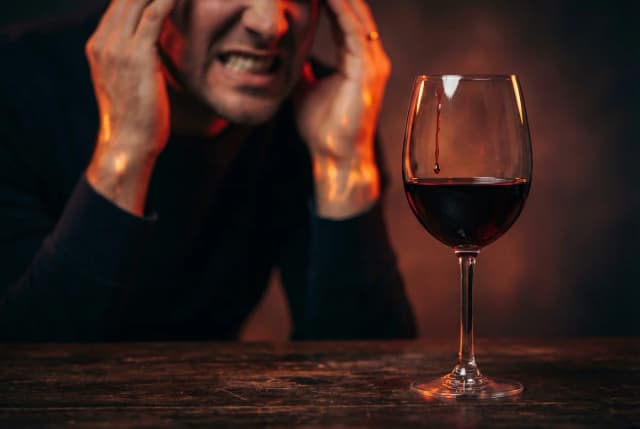
Depression often leads to searching for ways to alleviate negative emotions. Alcohol, acting as a depressant, may initially bring relief by easing emotional tension and inducing temporary feelings of euphoria or calm. However, the effects quickly fade, leading to deepening depression, which can result in further reaching for alcohol. The relationship between depression and alcohol creates a vicious cycle in which both problems mutually intensify. Alcohol abuse leads to further disruptions in brain functioning, altering the levels of neurotransmitters such as serotonin or dopamine, which are crucial for mood regulation. Alcohol worsens mental state, which in turn leads to even greater mood decline, feelings of hopelessness, and depression. If you notice symptoms of depression in yourself or have difficulty controlling alcohol consumption, it's worth seeking professional help. Contact Nasz Gabinet to break the vicious cycle and find an effective and safe solution that will help you restore balance and improve your quality of life.:::cta Need Help Fighting Addiction? Our specialists are ready to help you. Call or schedule an online appointment. Call: 880 808 880 | Schedule Appointment :::