Table of contents
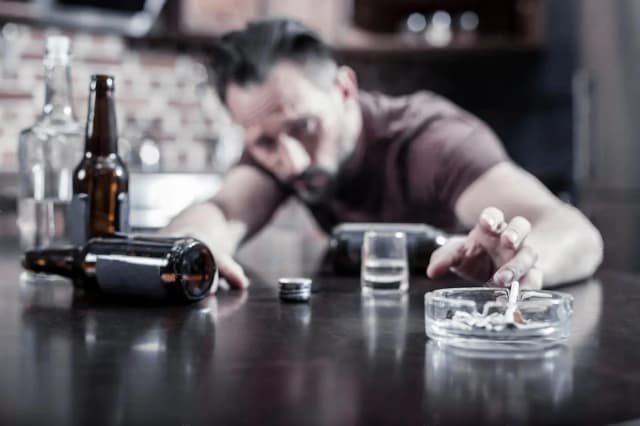
One common belief is that alcohol warms us up on cold days. Many people, especially during winter trips or after returning home from freezing weather, reach for a drink or hot tea with alcohol, expecting it to help warm up the body. But does alcohol actually warm you up? While it may seem logical, the reality of how this substance affects our body is more complex.
In brief
Alcohol doesn't warm the body, although it causes a temporary feeling of warmth through the dilation of blood vessels. Vasodilation increases blood flow close to the skin, which actually accelerates heat loss, leading to body cooling, especially in cold conditions. Drinking alcohol can disrupt natural thermoregulation, which is dangerous in low temperatures and increases the risk of hypothermia. Effective methods for actually warming the body include physical activity, consuming hot drinks and food, warm clothing, and natural body responses such as shivering. Alcohol gives a false sense of warmth and is not an appropriate way to warm up, especially in winter.Does Alcohol Actually Warm the Body?
Although we feel a temporary sensation of warmth after drinking, alcohol doesn't actually warm our body in the way we might expect. The fact is that high-proof drinks affect our thermoregulation in a way that leads to a decrease in body temperature. Alcohol disrupts the body's ability to properly manage temperature because it weakens the nervous system's capacity to monitor temperature. Therefore, although we initially feel warmer, in the long term this can be dangerous, especially in freezing conditions, since we don't feel the effects of cooling, which can lead to hypothermia.Does Alcohol Dilate Blood Vessels – Mechanism of Action
After consuming alcohol, significant changes occur in the functioning of the vascular system. Substances contained in the drink (especially ethanol) affect the relaxation of smooth muscles surrounding the vessel walls, resulting in their dilation and increased blood flow. As a result of this process, blood vessels open up, allowing blood to move more freely throughout the body. This mechanism involves reducing muscle tension in vessel structures, causing their adaptive expansion in response to alcohol's effects. The dilation of blood vessels is particularly noticeable in superficial vessels, those located close to the skin. This phenomenon causes more blood to flow through the skin, which in a short time produces a feeling of warmth throughout the body. Also interesting: Do You Tell the Truth After Alcohol?Elevated Temperature After Alcohol
Although the feeling of warmth after alcohol is very real, it doesn't actually mean that our body temperature is rising. On the contrary – the dilation of blood vessels caused by alcohol can lead to faster heat loss through the skin. As a result, despite feeling warmer, our body may actually begin to cool down, especially in cold conditions. Alcohol doesn't increase heat production, but only changes the way our body perceives and manages it. This temporary feeling of elevated temperature can therefore be misleading and doesn't reflect the actual thermal state of the body. Prolonged exposure to cold after consuming alcohol can lead to a dangerous decrease in body temperature. Therefore, it's important to remember that alcohol is not an effective warming agent, especially in conditions that require maintaining a stable body temperature. Exercising caution in such situations is particularly important for health. Also read about this: Alcohol and High Blood Pressure – How Does It Affect the Cardiovascular System?What Warms the Body? Factors Affecting Body Temperature Increase
There are many other natural and effective ways that actually affect body temperature increase. Factors that genuinely impact our thermoregulation and help maintain proper body temperature include:- Physical activity – movement is one of the most effective ways to warm up the body. During physical exertion, muscles use energy, which leads to heat production.
- Increased metabolism – metabolic activity generates heat that raises body temperature. Higher metabolism, caused for example by eating a meal or physical activity, can contribute to increased internal temperature.
- Environmental heat – high air temperature, sun, or warm clothing can effectively raise our temperature.
- Hot drinks and food – tea, coffee, soups, or other warm liquids can raise body temperature, although this effect is short-lived.
- Adrenaline – hormone released as a result of stress, fear, or excitement can also contribute to raising body temperature. It stimulates metabolism, resulting in the production of additional heat.
- Natural mechanisms – if the ambient temperature becomes too low, the body can respond with muscle shivering, which generates additional heat and helps raise the temperature.
Does Alcohol Warm You Up?
The feeling of warmth after consuming alcohol is the result of blood vessel dilation, which allows more blood to flow close to the skin surface. This gives the impression that we're warmer, but doesn't change the actual body temperature. Alcohol doesn't raise the internal body temperature, but rather promotes its decrease because it increases heat loss through the skin. Therefore, it's important to remember that drinking is not an effective way to warm up, especially in colder conditions.Frequently Asked Questions – FAQ
Why do we feel warmer after alcohol?
The feeling of warmth comes from the dilation of blood vessels and increased blood flow close to the skin, not from an increase in body temperature.Can drinking alcohol be dangerous in winter?
Yes, because alcohol disrupts thermoregulation and increases the risk of hypothermia in low temperatures.Does alcohol affect internal body temperature?
Alcohol doesn't raise internal temperature, and its effects can lead to its decrease.How does alcohol affect the vascular system?
It causes dilation of blood vessels, which increases blood flow in the skin and the sensation of warmth.:::cta Need Help Fighting Addiction? Our specialists are ready to help you. Call or schedule an online appointment. Call: 880 808 880 | Schedule Appointment :::