Table of contents
In brief
The alcohol implant (Esperal, Disulfiram) is a method of treating alcoholism involving subcutaneous implantation of tablets that cause a strong bodily reaction to alcohol, deterring its consumption. After the procedure, the patient must absolutely avoid alcohol as well as food products and cosmetics that may contain even small amounts of alcohol, such as sauces, sweets, mouthwashes, or perfumes. Special hygiene of the wound after implantation is necessary, avoiding swimming pools and bathtubs for the first two weeks, and using appropriate disinfectants. The implant is effective, but does not solve the causes of alcoholism by itself; continuation of psychotherapeutic treatment and participation in support groups are necessary for lasting abstinence.Esperal Alcohol Implant – What Is It?
Esperal, also known as Disulfiram, is a medication used in treating alcoholism through subcutaneous implantation in the patient. The active substance – disulfiram – blocks the enzyme responsible for the metabolism of ethyl alcohol, leading to accumulation of acetaldehyde in the body. This results in a strong bodily reaction to alcohol, manifesting as nausea, headache, and in extreme cases even loss of consciousness. This action of the implant aims to deter the patient from consuming alcohol. The Esperal implantation procedure involves subcutaneous insertion of tablets containing disulfiram, most commonly in the gluteal muscle area. The medication works for 8 to 12 months, and its effectiveness depends on the patient's full engagement in the alcoholism treatment process. The key is not only understanding the mechanism of action of the medication, but also strict adherence to recommendations regarding avoiding alcohol and certain food products that may contain alcohol.What to Avoid After Alcohol Implant Insertion?
After the alcohol implant insertion procedure, there are a number of products and substances that must absolutely be avoided. Most important is complete abstinence from alcohol consumption, but that's not all. Many everyday products may contain small amounts of alcohol that can trigger a dangerous disulfiram reaction. First and foremost, alcoholic beverages should be avoided, both low and high-proof. Even a small amount of ethyl alcohol can lead to serious health problems, including poisoning and severe physical symptoms such as vomiting, headache, or shortness of breath. Consuming alcohol while using Esperal can be not only unpleasant but also life-threatening. It's also worth paying attention to food products that may contain alcohol in their composition, such as cakes, candies, and even some sauces and preserves. An example might be pickled cucumbers, which often contain vinegar and in some cases also alcohol. Instead, it's better to reach for fresh vegetables that don't carry such risk.Everyday Products – What to Watch Out For?
Besides obvious food products, the patient should also avoid some everyday products that may contain alcohol. This applies, for example, to mouthwashes, which often contain alcohol as an antiseptic agent. Using such rinses can lead to a disulfiram reaction, so it's worth choosing alcohol-free alternatives. The situation is similar with some cosmetics, such as perfumes, deodorants, or hand sanitizers, which may contain alcohol in their composition. Although application to the skin seems safe, in the case of an alcohol implant even contact with a small amount of alcohol can cause unwanted symptoms. It's recommended to use products labeled as "alcohol-free." It's also worth being careful with over-the-counter medications, especially cough syrups, which often contain alcohol as a preservative. If the patient needs treatment for a cold or other illness, they should consult with a doctor to select appropriate alcohol-free preparations.Hygiene Procedures After Alcohol Implant Insertion
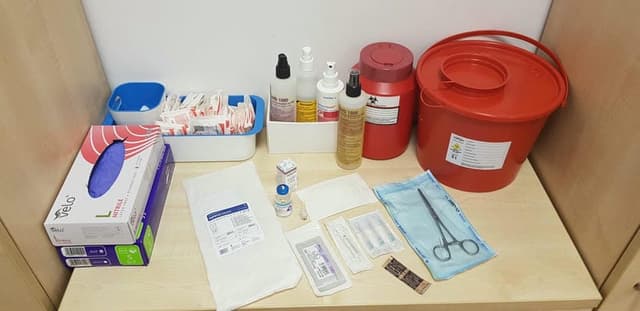
After the Esperal implantation procedure, the patient should take special care of the hygiene of the implantation site. The wound after insertion requires proper treatment to avoid infection and speed up the healing process. For the first two weeks after the procedure, it's recommended to avoid bathtubs as well as visits to swimming pools or saunas. Contact of the wound with standing water can increase the risk of infection. Instead, the patient should shower, taking care to gently dry the wound with a disposable towel. The wound should also be regularly disinfected with a preparation such as Octanisept, and then protected with sterile dressings. When possible, it's also worth "airing" the wound to speed up the healing process. If the implant was inserted using non-absorbable sutures, their removal will be necessary after about 10-14 days. This is also the moment when the doctor will assess the condition of the wound and decide whether the patient can return to normal physical activity or if further convalescence will be required.Psychological Support and Continuation of Alcoholism Treatment
The alcohol implant is an effective tool supporting alcoholism treatment, but it is not sufficient by itself for permanently overcoming addiction. To achieve full therapeutic success, the patient should continue treatment through regular sessions with a psychotherapist and participation in support groups. Psychotherapy helps in identifying the causes of addiction and developing healthy strategies for coping with the temptation to drink. It should also be remembered that the alcohol implant does not treat the causes of alcoholism, but only blocks the possibility of consuming alcohol without serious health consequences. Therefore, it is crucial that the patient is aware of the need to continue treatment after the implant's effect ends. Regular visits to a specialist and further self-work are necessary to maintain lasting abstinence. Our practice offers comprehensive help in treating alcoholism, including psychological support and alcohol detox. Our specialists will help the patient go through the treatment process safely and effectively, providing support at every stage of therapy. We encourage you to contact us for complete information about available methods of alcoholism treatment.:::cta Need help fighting addiction? Our specialists are ready to help. Call or schedule an online appointment. Call: 880 808 880 | Schedule appointment :::