Table of contents
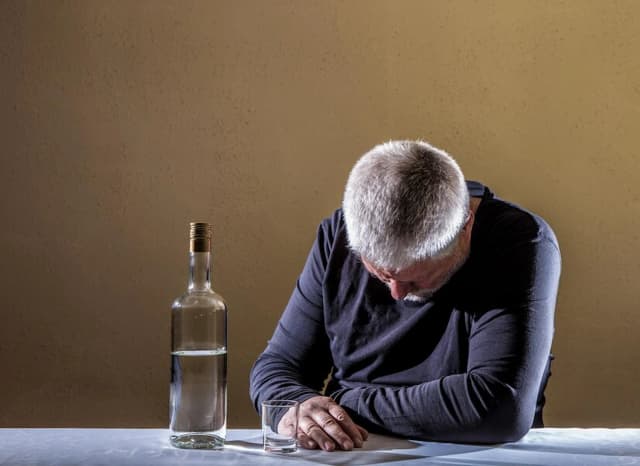
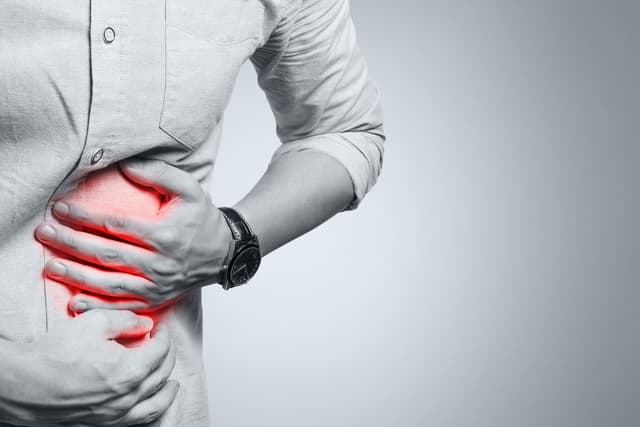
Although occasional alcohol consumption in healthy individuals usually does not lead to serious consequences, regular or excessive drinking in some cases significantly burdens the kidneys. Pain in the lumbar area may be a symptom of more serious problems, such as dehydration, organ overload with toxins, or even impairment of their function. It may be only a temporary symptom of organism overload, but in some cases indicates more serious health problems. If pain appears regularly or persists for a long time, it is worth consulting a doctor and performing tests to check kidney function.
Article Summary:
Kidney pain after alcohol may result from dehydration, urinary tract infection, kidney stones, or kidney inflammation. Alcohol burdens the kidneys, intensifying dehydration, increasing blood pressure, and disrupting water-electrolyte balance, which over time can lead to their damage. Short-term pain usually subsides after hydration and rest, but regular or intense pain should prompt medical consultation. People with chronic kidney disease are particularly susceptible to health deterioration after alcohol consumption, due to the risk of accelerating kidney failure. Beer, although it increases the amount of excreted urine, can lead to electrolyte loss, promoting the formation of kidney stones. To protect kidney health, it is recommended to limit alcohol, maintain adequate hydration, healthy diet, and regular preventive examinations.Causes of Kidney Pain After Alcohol
Kidney pain is a complaint that many people underestimate, attributing it to general weakening of the organism after alcohol consumption. Meanwhile, it can be a signal of more serious health problems. There are many causes, and the most common include:- Organism dehydration – alcohol acts as a diuretic, leading to increased excretion of fluids and electrolytes. As a result, the kidneys work more intensively, which can cause pain and discomfort.
- Kidney inflammation or urinary tract infection – especially if accompanied by other symptoms, such as pain when urinating, fever, or general weakness.
- Kidney stones – the dehydrating effect can promote the formation of kidney stones.
- Urinary tract infections – alcohol weakens the immune system and can irritate the bladder mucosa.
Kidney Pain After Alcohol – How Long Does It Last?
Kidney pain after alcohol can last from several hours to even several days, depending on the cause and overall health condition of the organism. In healthy people who drink occasionally, complaints usually subside after adequate hydration and rest. However, if the pain persists longer, intensifies, or appears regularly after alcohol consumption, it may indicate more serious health problems. In most cases, short-term kidney pain after alcohol should not cause great concern, especially if it subsides after organism hydration. However, if complaints are intense, pain is unilateral, accompanied by fever, nausea, urination problems, or swelling, it is worth consulting a doctor. Particular caution should be exercised by people suffering from kidney diseases, hypertension, or diabetes, as alcohol can worsen the functioning of the urinary system and lead to more serious complications.How Does Alcoholic Kidney Damage Occur?
The kidneys are responsible for filtering blood and removing toxins from the organism, and alcohol significantly burdens their work, which over time can lead to their damage. After consumption of high-proof beverages, the kidneys must work more intensively to remove toxic metabolism products, leading to their overload. Alcohol acts as a diuretic, increasing the excretion of fluids and electrolytes, which can lead to organism dehydration. As a result, water-electrolyte balance is disturbed, which negatively affects kidney functioning and can cause their pain. Additionally, alcohol causes an increase in blood pressure, which is one of the main risk factors for diseases of this organ. Regular consumption can lead to chronic hypertension, which damages small blood vessels in the kidneys, impairing their filtration function. Over time, this can lead to their insufficiency.Can Alcohol Cause Back Pain?
Back pain after alcohol consumption can have various causes and is not always directly related to the kidneys. It can result from both muscle overload and problems with the urinary system. Therefore, it is important to be able to distinguish kidney pain from back pain, as each has different causes and may require different treatment. Here are the key differences between these types of pain:- Location: Kidney pain is usually felt in the lumbar area, on the sides of the spine, slightly above the hips. Back pain most often appears in the lower part or along the spine.
- Pain character: Kidney pain is often dull and deep, may radiate toward the lower abdomen or groin. Back pain tends to be more superficial, may intensify with movement or change of body position.
- Accompanying symptoms: If pain results from kidney problems, additional symptoms may appear, such as frequent urination, changed urine color, swelling, or elevated temperature. Back pain is rarely associated with such symptoms.
Kidney Failure and Alcohol – Serious Health Threat
People suffering from chronic kidney disease (CKD) should exercise particular caution in consuming alcohol, as its action can worsen their health condition. The kidneys of patients with CKD already have weakened ability to filter toxins, and alcohol additionally burdens them. Main negative effects of alcohol for people with kidney diseases:- Accelerated disease progression – alcohol can cause further damage to kidney structures, accelerating the progress of chronic kidney failure.
- Water-electrolyte balance disorders – alcohol acts as a diuretic, which can lead to dehydration and loss of valuable electrolytes, which is particularly dangerous in patients with CKD.
- Elevated blood pressure – arterial hypertension is one of the causes of chronic kidney failure, and alcohol can additionally raise it, contributing to further organ damage.
- Increased risk of hypoglycemia in diabetics – many people with kidney diseases suffer from diabetes, and alcohol can disrupt its level in the blood, which poses an additional threat.
Unilateral Pain of the Right or Left Kidney – What Can It Mean?
Unilateral kidney pain can have various causes – from temporary organ irritation to more serious conditions requiring medical intervention. It is important to pay attention to the nature of the pain, its intensity, and accompanying symptoms. Causes may include:- Kidney stones – the presence of stones in the right or left kidney can lead to acute, radiating pain. May radiate toward the groin and sometimes is accompanied by hematuria and nausea.
- Pyelonephritis – bacterial kidney infection manifests as dull pain in the lumbar area, chills, fever, and painful urination.
- Kidney cysts or tumors – the presence of cysts or neoplasms in the kidney can cause chronic, dull pain on one side, sometimes with accompanying symptoms, such as hematuria or weight loss
Does Beer Harm the Kidneys?
It is often said that beer helps flush out kidney stones. Although it increases the amount of excreted urine, it simultaneously leads to electrolyte loss, which can promote the formation of new deposits instead of their removal. Excessive beer consumption (as well as other alcohols) leads to kidney overload, blood pressure increase, and water-electrolyte balance disturbance, which in the long run can contribute to their damage.Alcohol and Kidneys – How to Care for Health?
To effectively protect kidney health, it is worth limiting alcohol consumption while ensuring adequate organism hydration through regular water drinking. It is also worth applying a healthy, well-balanced diet rich in vegetables, fruits, and whole grain products, which support proper functioning of the urinary system. Regular blood and urine tests allow for early detection of any irregularities and taking appropriate preventive measures. If you feel pain in the kidney area, have difficulty urinating, limb swelling, or other disturbing symptoms, don't ignore them – they may be a signal of health problems requiring medical consultation. Early diagnosis and lifestyle change can significantly improve health condition and prevent serious consequences of kidney diseases.Frequently Asked Questions – FAQ
Why does it hurt in the lumbar area after alcohol?
This pain may result from dehydration, kidney overload with toxins, or urinary tract infection.How long does kidney pain last after alcohol
Can last from several hours to several days, depending on the cause and overall health condition.When should kidney pain after alcohol be concerning?
When it persists for a long time, intensifies, occurs unilaterally, or is accompanied by fever, nausea, or urination problems.Does beer harm the kidneys?
Yes, despite diuretic action, beer leads to electrolyte loss and can promote kidney stones and kidney damage.How to distinguish kidney pain from back pain?
Kidney pain is deep, unilateral, and may radiate to the groin; back pain usually intensifies with movement and is not accompanied by urinary symptoms.Can alcohol cause kidney failure?
Long-term alcohol abuse can lead to kidney damage and development of their insufficiency.:::cta Need help fighting addiction? Our specialists are ready to help you. Call or schedule an online appointment. Call: 880 808 880 | Schedule appointment :::