Table of contents
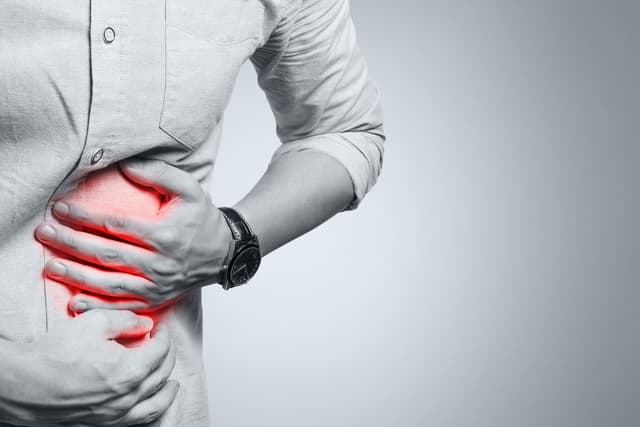
Stomach pain after consuming alcohol is a fairly common problem that can have various causes – from irritation of the gastric mucosa to more serious digestive system diseases, such as ulcers or inflammation. Sporadic discomfort should not cause concern, but when stomach pain appears regularly, it's worth looking at the problem more closely and finding its causes.
In brief
- Stomach pain after alcohol is common and can result from irritation of the gastric mucosa or more serious digestive diseases.
- Alcohol irritates the stomach, increases hydrochloric acid secretion, can alter intestinal peristalsis and disrupt intestinal microflora.
- Pain after beer and wine can be caused by acidity, carbon dioxide, tannins, histamine, and gluten intolerance.
- Regular alcohol consumption can lead to ulcers, reflux, and inflammation of the digestive system.
- With stomach ulcers and inflammation, alcohol worsens the situation, it's recommended to avoid it.
- Home remedies for stomach pain include mint and chamomile tea, warm compress, and in case of severe pain – medical consultation.
Stomach Pain After Drinking Alcohol – Is This Normal?
Stomach pain after alcohol is a fairly frequent phenomenon, especially in people with a sensitive digestive system. This is due to the action of alcohol, which:- irritates the gastric mucosa
- increases hydrochloric acid secretion
- can cause intestinal spasms and accelerated peristalsis
- disrupts intestinal microbiota, leading to digestive problems.
How Does Alcohol Affect the Stomach and Intestines?
Alcohol has a significant impact on the digestive system, especially the stomach and intestines. Regular consumption increases the risk of inflammatory conditions, erosions, and even more serious diseases, such as stomach ulcers or pancreatitis. Alcohol affects the digestive system in many ways:- Irritates the gastric mucosa, which can lead to inflammation and ulcers.
- Stimulates hydrochloric acid secretion, increasing the risk of reflux and heartburn.
- Can weaken the stomach's protective barrier, increasing susceptibility to bacterial infections (e.g., Helicobacter pylori).
- Slows down the digestion of fats and proteins, which can cause a feeling of heaviness and bloating.
- Acts irritatingly on the intestines, accelerating or slowing peristalsis, leading to diarrhea or constipation.
Does Beer Irritate the Stomach? How Does It Affect the Mucosa?
This type of alcohol can irritate the stomach, especially in people with hypersensitivity to high-proof beverages or stomach problems. Beer contains carbon dioxide, which can cause bloating, as well as hops, which in some cases acts irritatingly. Additionally, some beers are rich in histamine and gluten, which can trigger allergic reactions and digestive problems.Stomach Pain After Beer – Common Body Reaction
Stomach pain after beer can result from several factors:- High carbon dioxide content – causes bloating and feeling of fullness.
- Beer acidity – can intensify reflux and stomach irritation.
- Gluten intolerance – can cause stomach pain in people with celiac disease or hypersensitivity.
- Histamine reaction – in sensitive people can cause stomach pain, nausea, and headaches.
Stomach Pain After Wine – Causes
Wine, especially red and dry wine, is characterized by high acidity, which can act irritatingly on the stomach. Causes of pain after wine include:- Increased hydrochloric acid secretion – causes burning and pain in the epigastrium.
- Tannins – tannins present in wine can cause intestinal spasms and digestive discomfort.
- Histamine and sulfites – some people may be sensitive to these substances, leading to stomach pain, bloating, and indigestion
Intestinal Pain After Alcohol – Why Does the Digestive System React This Way?
Alcohol negatively affects not only the stomach but also the intestines. It disrupts the microflora, destroying beneficial bacteria and promoting the development of pathogenic ones, which can lead to diarrhea, constipation, or chronic irritable bowel syndrome. Alcohol also increases the permeability of intestinal walls, which can lead to chronic inflammation and weakened immunity. Consumption of alcoholic beverages can also intensify symptoms of inflammatory diseases of this organ, such as ulcerative colitis.Stomach Problems After Alcohol – What Diseases Can Be the Cause?
After consuming alcohol, various stomach complaints may occur. Among the most common causes are:- gastroesophageal reflux
- mucosa inflammation
- hyperacidity
- stomach and duodenal ulcers
- inflammatory bowel diseases.
Stomach Ulcers and Alcohol – Can You Drink Alcohol with Ulcers?
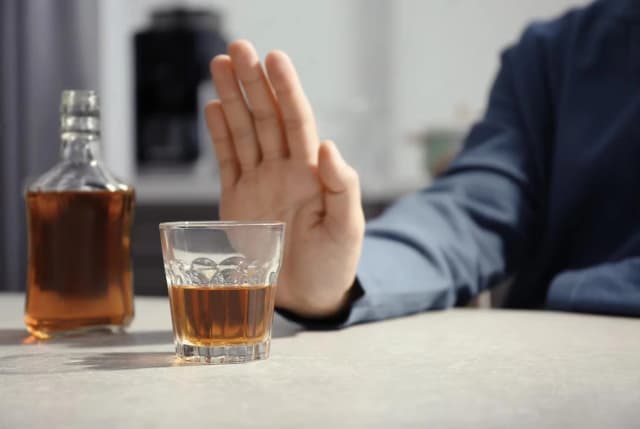
People with stomach ulcers should avoid alcohol because ethanol can lead to deterioration of health. Drinking causes irritation of the mucosa and also intensifies hydrochloric acid secretion, which promotes further deepening of the problem. Alcohol consumption with stomach ulcers can cause bleeding, which is a life-threatening condition, as well as slow down the healing process. Therefore, people suffering from this condition should completely eliminate alcohol from their diet.Stomach Inflammation and Alcohol – How to Recognize the Symptoms?
Stomach inflammation is an inflammatory condition of the gastric mucosa that can be caused by alcohol. Symptoms of alcoholic stomach inflammation include:- pain or burning in the epigastrium
- bloating
- nausea and vomiting
- loss of appetite
- heartburn
- blood in vomit or stool.
Alcoholic Stomach Inflammation – Symptoms and Treatment
Alcoholic stomach inflammation manifests similarly to inflammation caused by other factors:- pain and burning in the epigastrium
- feeling of fullness
- bloating
- nausea and vomiting.
What Alcohol for a Sick Stomach? Is There a Safe Option?
If there are stomach problems (e.g., reflux, stomach inflammation, ulcers), the best solution will be complete alcohol avoidance. However, if a person with a disease decides to drink, it's best to consume it in minimal amounts after a meal. It's worth avoiding beer, which contains carbon dioxide, and red wines, which can intensify mucosal irritation. It's important that after consuming alcohol, it should not be mixed with carbonated beverages, as this can additionally increase the risk of reflux and heartburn.Beer for Stomach Pain – Myth or Effective Method?
There is a common belief that beer can help with stomach pain, but this is a myth. Although it may initially alleviate some digestive symptoms, in the long term its consumption only intensifies problems. Beer contains carbon dioxide, which causes bloating, as well as hops and other components that can irritate the gastric mucosa. Therefore, drinking beer for stomach pain can lead to intensification of symptoms, not their relief. Read also: Beer for a Hangover. Why Another Drink Isn't a Good Idea?What to Take for Stomach Pain After Alcohol? Home Remedies and Medications
If stomach pain appears after consuming alcohol, you can try several home methods to alleviate discomfort. One of the simplest is drinking mint tea, which has antispasmodic and soothing effects. Chamomile infusions will also help alleviate pain as they act anti-inflammatorily. A warm compress on the abdomen can help relax muscles and alleviate spasms. If the pain is stronger, you can reach for acid-neutralizing medications or painkillers, such as ibuprofen or paracetamol. However, it should be remembered that with prolonged discomfort, it's best to consult a doctor, as this may indicate more serious health problems.Severe Stomach Pain After Alcohol – When to See a Doctor?
If stomach pain after alcohol is very severe, accompanied by fever, vomiting (especially bloody), tarry stools, or general weakness, immediate medical consultation is necessary. Such symptoms may indicate serious diseases, such as acute pancreatitis, stomach ulcer perforation, gastrointestinal bleeding, or alcohol poisoning. In such cases, you should go to the emergency room as soon as possible or contact a doctor to avoid serious complications.Bibliography
- Konturek, S. J. (2012). Fizjologia człowieka. Układ pokarmowy. Wydawnictwo Uniwersytetu Jagiellońskiego.
- Majewska, A., & Targosz, A. (2015). Alkohol a błona śluzowa przewodu pokarmowego – przyjaciel czy wróg? Przegląd Gastroenterologiczny, 10(4), 221–226.
- Ziółkowski, B. A., & Jankowski, M. (2022). Przewlekłe skutki spożycia alkoholu na układ pokarmowy. Medycyna Rodzinna, 25(3), 144–150.
- Lieber, C. S. (1997). Ethanol metabolism, cirrhosis and alcoholism. Clinica Chimica Acta, 257(1), 59–84.
- Bode, C., & Bode, J. C. (2003). Effect of alcohol consumption on the gut. Best Practice & Research Clinical Gastroenterology, 17(4), 575–592.
- Żuławiński, W. (2019). Choroby przewodu pokarmowego (wyd. 2). PZWL.
- Słomka, M., & Kunecki, M. (2018). Alkohol a ostre zapalenie trzustki – aktualne poglądy. Forum Medycyny Rodzinnej, 12(3), 124–129.
- Rehm, J., & Shield, K. D. (2013). Alcohol and mortality: global alcohol-attributable deaths from cancer, liver cirrhosis, and injury in 2010. Alcohol Research: Current Reviews, 35(2), 174–183.
- Konturek, P. C., & Brzozowski, T. (2005). Mechanizmy działania alkoholu na błonę śluzową przewodu pokarmowego. Gastroenterologia Kliniczna, 1(2), 65–71.
Frequently Asked Questions – FAQ
Is stomach pain after drinking alcohol a normal body reaction?
Yes, sporadic pain can be a normal reaction to stomach irritation, but regular symptoms require consultation with a doctor.What causes stomach pain after drinking alcohol?
Alcohol irritates the gastric mucosa, increases hydrochloric acid secretion, and can disrupt intestinal microflora.Can beer cause such pain?
Yes, due to carbon dioxide content, histamine, gluten, and acidity, beer can intensify digestive problems.What diseases can cause stomach pain after alcohol consumption?
Reflux, gastric mucosa inflammation, ulcers, inflammatory bowel diseases, and irritable bowel syndrome.Can you drink alcohol with stomach ulcers?
No, alcohol worsens the condition of the mucosa, intensifies symptoms, and can cause bleeding.What are the symptoms of alcohol-induced stomach inflammation?
Pain and burning in the epigastrium, nausea, bloating, loss of appetite, heartburn, and presence of blood in stool or vomit.What home remedies help with stomach pain?
Mint or chamomile tea, warm compress, acid-neutralizing medications, and painkillers.:::cta Need Help Fighting Addiction? Our specialists are ready to help you. Call or schedule an online appointment. Call: 880 808 880 | Schedule Appointment :::