Table of contents
In brief
Depression and alcohol have a strong, two-way relationship – depression promotes reaching for alcohol, and alcohol intensifies depressive symptoms.
Alcohol disrupts the balance of neurotransmitters in the brain, worsening mental state and increasing the risk of addiction.
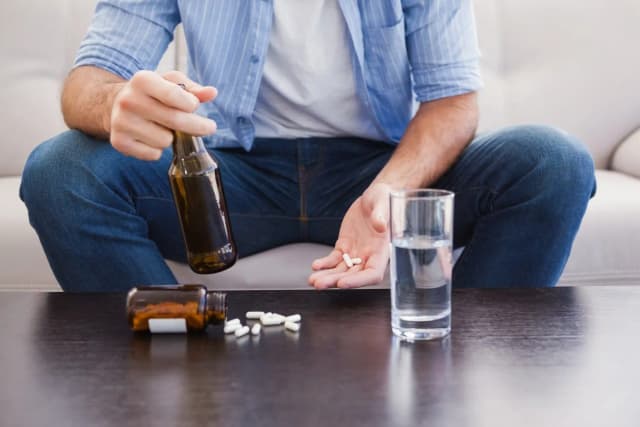
Antidepressants (psychotropic drugs) and alcohol affect the central nervous system, and their combination can lead to dangerous health effects, including mood deterioration, insomnia, anxiety, seizures, and consciousness disturbances.
Alcohol changes the action of antidepressant medications, increasing their toxicity and risk of side effects such as hallucinations, confusion, aggression, and even suicidal thoughts.
Combining alcohol with specific medications (e.g., sertraline, Bioxetin, Nexpram, Asentra) can deepen side effects despite the lack of clear interactions in studies.
Doctors advise against consuming alcohol during antidepressant therapy – exceptions are possible but require individual consultation.
Depression and Alcohol Consumption
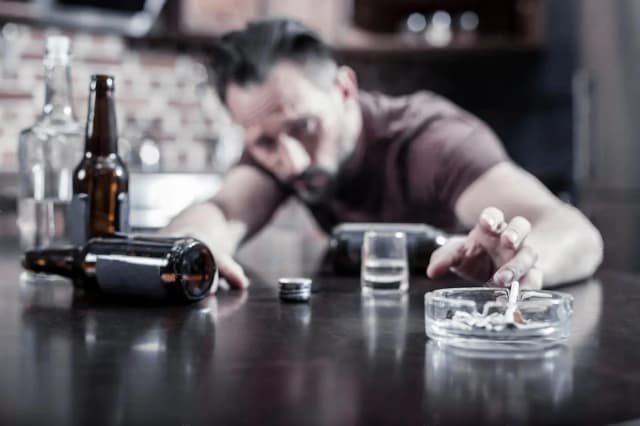
Between depression and alcohol consumption, a clear dependency can be observed. This relationship is mutual, depression can increase the amount of alcohol consumed, while alcohol often contributes to the development and deepening of depression.
Effect of Depression on Alcohol Abuse
People suffering from depression often reach for alcohol to reduce experienced negative emotions and improve psychological comfort. This substance allows them to relax and forget about problems. However, the effect of alcohol is temporary. The desire to re-experience the feeling of blissful relaxation after drinking a glass causes people with depression to often set in motion a mechanism that ultimately leads to the development of alcoholic disease.
Effect of Alcohol on Depression
Depression can be not only a cause but also a consequence of alcohol abuse. This substance leads to disruption of the brain's chemical balance, which results in numerous negative changes in a person's psyche.
Effect of Antidepressants and Alcohol on the Human Body
Both alcohol and medications from the antidepressant group belong to psychoactive substances that have a strong impact on the human body.
Effect of Antidepressants on the Human Body
Antidepressants are a group of medications used in treating mental disorders, including social phobia, bipolar affective disorder, obsessive-compulsive disorders, as well as post-traumatic stress and, of course, depression. These medications affect neurochemical transmission in the brain, acting on nerve cell receptors and making them more or less sensitive to the uptake of neurotransmitters, namely serotonin, norepinephrine, and dopamine. Balancing the deficiencies of these substances leads to improved well-being and makes a person sleep better and have more energy for life.
Effect of Alcohol on the Human Body
The impact of alcohol on humans is unequivocally negative. Even small doses affect the nervous system, significantly reducing its efficiency. Alcohol disrupts the work of neurotransmitters responsible for distributing chemical substances within the human body. As a result, the drinking person experiences euphoria, accompanied by dizziness, slowing of reflexes and performed movements. As a result of alcohol's effect on the nervous system, a person may also experience drowsiness, stomach problems, and often also aggression attacks.
See: How does alcohol affect the brain?
Both antidepressants and alcohol affect the functioning of the central nervous system. This means they have similar effects, and their combination can have an adverse impact on human health and life.
Begin treatment at Nasz Gabinet:
Why Can't You Combine Psychotropic Drugs with Alcohol?
Combining psychotropic drugs and alcohol can lead to their decreased or intensified metabolism. This causes the risk of unwanted effects of both these substances.
Effect of Psychotropic Drugs on Alcohol
Antidepressants can intensify the toxic effect of alcohol on the body. This primarily causes:
- occurrence of aggressive behaviors
- strong psychomotor agitation
- increased euphoria
- delayed reaction to stimuli
- slowing of thought processes.
Antidepressant medications also intensify alcohol poisoning symptoms and decrease the body's tolerance to this substance.
Effect of Alcohol on Psychotropic Drugs
Alcohol can affect the way antidepressant medications work, causing the occurrence of such side effects as:
- feeling of anxiety
- fear
- concentration disorders
- memory impairment
- confusion
- consciousness disorders
- hallucinations and delirium
- seizure attacks
- strong muscle tremors
- paresthesia
- suicidal thoughts.
As a result of ethanol's effect on the active substance of antidepressants, insomnia may also develop, which over time turns into excessive drowsiness.
Apart from symptoms of a neurological and psychological nature, the mutual effect of alcohol and depression medications can also cause the occurrence of somatic symptoms. These substances can lead to hypotension, i.e., lowering blood pressure to a dangerous level, as well as orthostatic blood pressure drop, resulting in strong stimulation of heart muscle action and consequently dangerous heart rhythm disturbances. Side effects of the combination of ethanol and psychotropic drugs also include visual-spatial coordination disorders. Specialists additionally point to an increased risk of alcohol addiction – drinking during antidepressant therapy doubles the probability of alcoholism.
Possible Effects of Combining Alcohol and Antidepressants
The exact effects of combining antidepressants and ethanol depend on the type of medication taken. Drinking alcohol with SSRIs, i.e., selective serotonin reuptake inhibitors such as Prozac, Zoloft, or Lexapro, can cause dizziness, drug-induced drowsiness, as well as blurred vision. The effects of combining high-proof beverages with antidepressants are described in the package insert included with each medication.
Sertraline and Alcohol
Sertraline is a medication used in treating depressive disorders, as well as anxiety states, obsessive-compulsive disorders, and other types of mental problems. During treatment with the preparation, alcoholic beverages should not be consumed. Ethanol can intensify the medication's effect and cause the occurrence of such side effects as excessive sedation, rapid heartbeat, as well as hallucinations and even coma. Combining sertraline with alcohol also increases the risk of suicidal behavior.
Bioxetin and Alcohol
During studies on the medication, no change in the concentration of the active substance bioxetin was observed with simultaneous alcohol consumption. However, the responsible entity does not recommend drinking ethanol-containing beverages during depression treatment using the preparation.
Read also: What is alcoholic polyneuropathy?
Nexpram and Alcohol
The manufacturer of Nexpram does not anticipate interaction of the medication with alcohol, yet the package insert attached to the package recommends maintaining abstinence for the duration of therapy.
Asentra and Alcohol
Conducted studies indicate that in healthy individuals, Asentra at a dose of 200 mg does not intensify the effect of alcohol and does not cause unwanted side effects. Nevertheless, during therapy with this medication, alcohol consumption is not recommended.
Doctors' Recommendations Regarding Combining Antidepressants with Alcohol
Combining antidepressants and ethanol is, in doctors' opinion, a bad combination, so they advise against taking these substances at the same time. Psychotropic drugs washed down with alcohol usually cause deterioration of the patient's mood, so there is concern about deepening depression symptoms. According to some specialists, consuming high-proof beverages while taking antidepressants is permissible, and some patients – in specific situations and under certain conditions – can reach for a glass without complications. However, before drinking alcohol, it is recommended that every person being treated for depression first consult their intentions with a doctor.
Need help fighting addiction?
Our specialists are ready to help you. Call or schedule an online appointment.