Updated: February 8, 2026
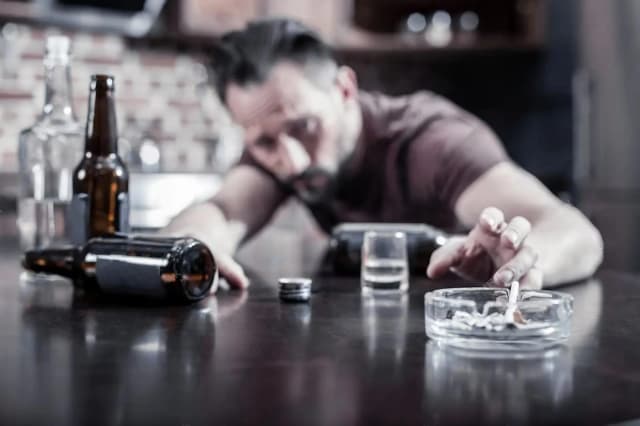
Can you drink alcohol during antibiotic therapy? This is one of the most frequently asked questions in doctors' offices. Although for many people a glass of wine or beer seems harmless, combining an alcoholic beverage with a pill can lead to serious health consequences. Both ethanol and the active substances in medications affect the body's metabolism, putting strain on the liver and nervous system. In some cases, the interaction can trigger acute toxic reactions or reduce the effectiveness of therapy.
:::cta Need help fighting addiction? Our specialists are ready to help you. Call or schedule an online appointment. Call: 880 808 880 | Schedule appointment :::
Can you drink alcohol while taking antibiotics?
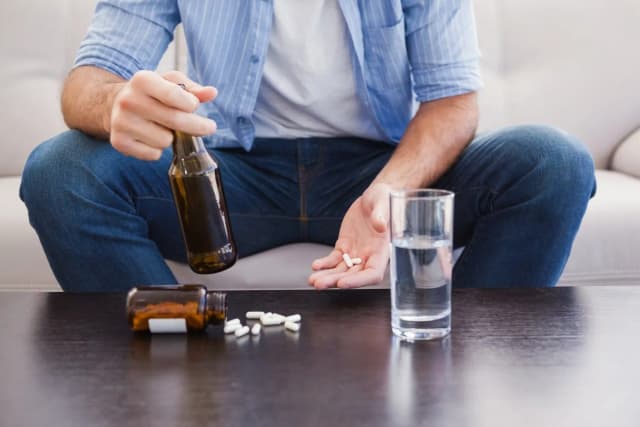
Consuming alcohol during antibiotic therapy is not recommended. Ethanol can interfere with the medication's action, reducing treatment effectiveness, prolonging recovery time, and even intensifying disease symptoms. In the case of some antibiotics, the combination with alcohol can trigger serious bodily reactions, including symptoms resembling a severe allergic reaction that can pose a real threat to life. Therefore, before starting a course of treatment, it's always worth carefully reading the package insert and consulting any doubts with a doctor or pharmacist. It's important to remember that antibiotics themselves carry the risk of adverse effects, and alcohol can additionally amplify them and increase the burden on the liver and the entire body.How long after antibiotics can you drink alcohol?
Alcohol can engage in dangerous interactions with antibiotics not only during the course of treatment but also after its completion. The active substances of some medications remain in the body for several days, so specialists recommend waiting at least 72–96 hours (3–4 days) from taking the last dose of antibiotic before consuming alcohol. The exact waiting time depends on many factors – the type of antibiotic, individual metabolic rate, age, gender, body weight, and overall health condition. Some medications require a longer elimination period, especially if they are metabolized in the liver. For this reason, it's always worth consulting with a doctor or pharmacist before consuming alcohol after completed therapy. See also: Can a diabetic drink alcohol?Why can't you drink alcohol with antibiotics?
Combining alcohol with antibiotics can lead to many adverse bodily reactions. The interaction of ethanol and active substances contained in medications disrupts metabolism and the work of enzymes responsible for detoxification, which increases the risk of side effects and intensifies infection symptoms. Most common side effects of combining alcohol and antibiotics:- body dehydration
- sleep disturbances
- impairment of internal organ function (especially liver and kidneys)
- weakening of treatment effectiveness
- nausea and vomiting
- severe headaches
- seizures
- intensified hangover and general body poisoning.
- drowsiness
- dizziness
- distraction and disorientation
- difficulties driving vehicles and performing precise activities.
Can you drink alcohol on antibiotics – what to do if you drink during antibiotic therapy?
In case of alcohol consumption during antibiotic treatment, it's worth consulting a doctor as soon as possible. The specialist may recommend actions aimed at limiting the risk of complications and protecting internal organs, especially the liver. It should be remembered that antibiotics already on their own can cause side effects, and alcohol additionally intensifies them. For the safety and effectiveness of treatment, the best solution is complete abstinence from alcohol during the course and several days after its completion.Antibiotic and beer – is this also dangerous?
Many people assume that beer as a beverage with lower alcohol content is safer than stronger spirits and poses no threat during antibiotic treatment. However, this is a false belief. Any amount of alcohol regardless of concentration can interact with the medication and cause unwanted side effects. If the antibiotic package insert contains a warning about alcohol consumption, this applies to beer, wine, as well as high-proof beverages (e.g., vodka, whiskey, or gin). Both the ethanol contained in beer and in other spirits can disrupt the medication's metabolism, weaken its effectiveness, and intensify side effects such as nausea, dizziness, concentration disorders, and even severe toxic reactions. For the safety of the body and effectiveness of therapy, it's best to completely avoid alcohol also in low-alcohol form.Can you drink non-alcoholic beer with antibiotics?
Beer labeled as 0.0% may contain negligible amounts of ethanol, usually below 0.03%. Such a low concentration has no significant impact on medication metabolism, so non-alcoholic beverages of this type are considered safe even during antibiotic therapy. However, it's important to choose only products with a clear "0.0%" label, not "up to 0.5%", as some non-alcoholic beers may contain trace amounts of alcohol that in sensitive individuals or with specific medications can trigger a bodily reaction. For certainty, it's always worth consulting with a doctor or pharmacist, especially if the antibiotic belongs to the group of medications showing strong interactions with alcohol. In most cases, however, 0.0% beer poses no threat during antibiotic therapy.Alcohol on antibiotics – how drinking affects treatment?
Drinking during antibiotic therapy can lead to the occurrence of unwanted side effects such as pain and dizziness, nausea, or gastrointestinal problems. In the case of some antibiotics, alcohol consumption can lead to a severe toxic reaction with sudden skin redness, heart palpitations, shortness of breath, and vomiting. Therefore, although in many cases moderate alcohol consumption does not block the antibiotic's action, it's always worth exercising caution and avoiding alcohol throughout the entire treatment period and after its completion. Such an approach minimizes the risk of complications and supports therapy effectiveness.Antibiotic plus alcohol – increasing antibiotic action
Consuming a large amount of alcohol in a short time can disrupt the work of liver enzymes responsible for drug metabolism. When their activity is inhibited, the antibiotic breakdown process slows down, leading to its accumulation in the body. Too high a concentration of the drug in the blood increases the risk of side effects and can intensify its toxicity. Symptoms such as nausea, headaches, heart rhythm disorders, drowsiness, or liver damage may appear faster and with greater intensity. In extreme cases, serious complications may occur, especially in people with impaired metabolism or comorbidities. See also: Esperal and alcohol – what are the side effects of drinking with an alcohol implantAlcohol after antibiotics – reduction of antibiotic level in the body
Long-term and regular alcohol consumption can lead to increased activity of liver enzymes responsible for metabolizing both ethanol and many medications, including antibiotics. As a result, the body breaks down and removes the antibiotic faster than desired, which results in lowering its concentration in the blood. Too low a level of the drug can lead to reduced therapy effectiveness and consequently to an untreated infection. This problem is particularly significant in people who abuse alcohol, whose bodies become accustomed to intensive metabolism and can more quickly neutralize the action of many therapeutic substances.Antibiotic and alcohol – risk with frequent drinking
In some cases, chronic alcohol consumption can lead to partial body resistance to antibiotic therapy, even if alcohol was not consumed simultaneously with the medication. This is the result of changes in the enzyme system that may require a change in antibiotic dose or the use of a different drug. Therefore, it's very important to be honest with the doctor planning our treatment. Information about how we consume alcohol will allow the selection of effective and safe therapy.Antibiotics and alcohol – particularly dangerous combinations
The relationship between antibiotics and alcohol is particularly difficult when the therapy uses antibiotics containing:- cephalosporins
- metronidazole
- ketoconazole
- tinidazole
- linezolid
- erythromycin
- as well as griseofulvin, already withdrawn from sale in Poland.
- excessive facial redness
- excessive sweating
- headaches
- abdominal pain
- blood pressure spikes
- heart arrhythmia
- delirium
- anxiety
- vomiting
- seizures
- loss of consciousness.
Augmentin and alcohol – medical facts
!Augmentin and alcohol Augmentin is a substance that contains amoxicillin and clavulanic acid, and the decision about alcohol during the course is not limited solely to the interaction with the medication itself. Equally important is what condition the patient is in, how they tolerate the infection, and whether side effects from the stomach and intestines appear. Therefore, when considering combining the medication with alcohol, it's worth relying on medical facts.Augmentin and alcohol – can you drink alcohol while taking the antibiotic?
Augmentin and alcohol do not create an interaction based on an immediate reaction after drinking. However, this doesn't mean that drinking during its use is a good idea. Alcohol can intensify typical side effects of Augmentin, such as:- nausea,
- abdominal pain,
- diarrhea,
- dizziness,
- general weakness.
Augmentin and beer – can one beer harm?
Beer also contains ethanol, so it can intensify ailments from the stomach and intestines, worsen sleep, increase dehydration, and weaken concentration. During infection and antibiotic therapy, these areas are often already hypersensitive because the body is fighting the disease and the medication can be burdensome for the digestive tract. There are situations in which one beer can really worsen well-being and the course of treatment. This happens especially when there is fever, you have diarrhea or vomiting, eat little or irregularly, are dehydrated, or simply "knocked out" by infection. Caution is also important in people with liver diseases and when simultaneously taking painkillers or fever reducers – in such a configuration, the risk of stomach irritation and additional body burden increases. If the fastest return to form is important to you, the better choice is to give up beer until the end of the course and the disappearance of infection symptoms.Augmentin – after what time can you drink alcohol?
It's most sensible to approach the situation practically: wait until the body returns to balance after infection and after the antibiotic therapy itself. Even if the course has already ended, some patients still feel weakness for several days or have ailments from the digestive tract. In such a situation, alcohol can easily intensify them and prolong regeneration. If the antibiotic caused strong side effects in you, the infection was severe, or you have liver problems (or suspicion that the liver may be burdened), it's better to take a longer break and consult with a doctor or pharmacist.Doxycycline and alcohol – precautions
Different antibiotics mean different rules. In the case of doxycycline, it's often recommended to avoid alcohol because it can weaken treatment effectiveness and additionally increase the risk of side effects such as gastrointestinal ailments, headache, or general weakness. In practice, this can mean longer recovery, worse therapy tolerance, and greater risk that the patient will discontinue treatment or conduct it irregularly. This is also a good moment to look broader than just "whether allowed". If you have a tendency to frequent alcohol consumption, also during antibiotic therapy, it's worth telling the doctor. Such information will help select a safe treatment plan so that the antibiotic works while simultaneously minimizing the risk of complications and disease recurrences. If refraining from drinking during therapy is difficult, this is valuable clinical information and a signal that you need real support also in the matter of alcohol consumption.Augmentin and alcohol – when drinking takes control
Do you feel difficulty taking even a short break from drinking, despite illness and treatment? This may be a warning signal that alcohol is ceasing to be an addition to life and beginning to fulfill a function without which it's hard to manage. It's worth paying attention to this especially when you can't refrain from alcohol despite infection and antibiotics. Also alarming are drinking binges and situations in which drinking leads to risky health decisions: skipping doses, mixing hangover medications, discontinuing antibiotic therapy, ignoring symptoms, and even postponing a doctor's visit. If you recognize any of these scenarios in yourself, this is not a reason for shame but concrete information that it's worth reaching for help. At Nasz Gabinet, you can consult your drinking and choose a real action plan that takes into account both physical health and the mechanisms behind reaching for alcohol.Can you drink alcohol after antibiotics? Doctors are unanimous
Although many people hope for a quick return to everyday habits after completing antibiotic therapy, doctors agree: it's worth holding off on alcohol for several more days after the last dose of medication. This gives the body time to fully eliminate active substances from the system and reduces the risk of interactions that could burden the liver or weaken the treatment effect. Maintaining several days of abstinence after antibiotics is a simple but important decision supporting health, body regeneration, and therapy effectiveness.Bibliography
- Mergenhagen, K. A., Wattengel, B. A., Skelly, M. K., Clark, C. M., & Russo, T. A. (2020). Fact versus fiction: A review of the evidence behind alcohol and antibiotic interactions. Antimicrobial Agents and Chemotherapy, 64(3), e02167-19. https://journals.asm.org/doi/10.1128/aac.02167-19
- Badura, K., Owczarek, W., & Wiktorowska-Owczarek, A. (2023). Reakcja disulfiramowa i disulfiramopodobna – niewyjaśnione do końca interakcje leków z etanolem. Farmacja Polska, 79(4), 227–235.
- Jośko-Ochojska, J., Spandel, L., & Brus, R. (2015). Interakcje alkoholu i dymu tytoniowego z lekami – wiedza potrzebna na co dzień. Hygeia Public Health, 50(3), 474–481.
- Srividya, B. (2016). Impact of alcohol on drug metabolism and alcohol-drug pharmacokinetic interactions in alcoholics. Research & Reviews: Journal of Pharmacology and Toxicological Studies, 4(2), 112–119.
- Steel, B., & Wharton, C. (2020). Metronidazole and alcohol. British Dental Journal, 229(3), 150–151. https://www.nature.com/articles/s41415-020-2012-x
:::cta Need help fighting addiction? Our specialists are ready to help you. Call or schedule an online appointment. Call: 880 808 880 | Schedule appointment :::