Table of contents
Surgical methods of treating alcohol addiction, such as the use of an alcohol implant, are losing popularity in favor of less invasive forms of therapy that are better adapted to the individual needs of the patient. Progress in pharmacotherapy and the development of psychotherapeutic models enable more effective, safer, and more individualized fight against alcoholism – without the need to resort to a scalpel.
Why do people seek alternatives to alcohol implant?
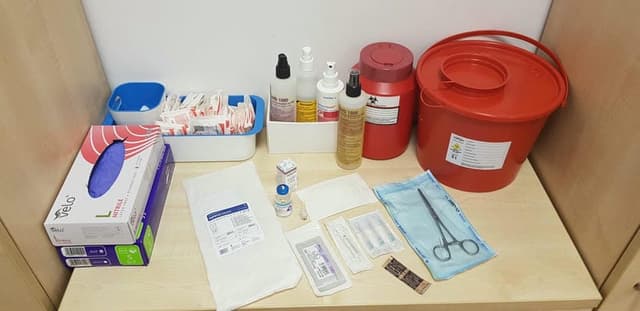
Disulfiram implantation, colloquially referred to as an alcohol implant, has been functioning for many years as a method supporting the fight against alcohol addiction. Nevertheless, more and more people are looking for alternative therapeutic solutions. The main reasons revolve around the nature of the intervention. An invasive surgical procedure and the associated risk of complications, such as infections, implant rejection, or allergic reactions, are some of them. For some patients, fear of surgery and possible complications becomes a psychological barrier preventing the start of treatment [1]. Additionally, the implant is associated with the risk of side effects. Potential toxicity of disulfiram, whose interaction with ethanol triggers the disulfiram reaction, which is an acute acetaldehyde poisoning syndrome. It manifests itself through tachycardia, hypotension, nausea, shortness of breath, and a feeling of life threat. Moreover, the effectiveness of this method largely depends on the internal motivation of the addicted person. Lack of strong determination often leads to lack of expected results. For this reason, more and more people opt for less radical forms of addiction treatment, such as:- pharmacological therapies in tablet form
- psychotherapy offering more flexible solutions
- holistic treatment models that consider the biopsychosocial aspects of addiction.
- comprehensive view of the addiction problem
- consideration of emotional aspects of recovery
- analysis of social impact on the person struggling with addiction.
Pharmacotherapy as an alternative to alcohol implant
Pharmacotherapy is a key component of alcohol addiction therapy. It is an alternative to alcohol implant and offers a wide spectrum of methods for fighting addiction. Disulfiram, classified as an aldehyde dehydrogenase inhibitor, is also available in the form of orally administered tablets. Its effectiveness is strongly correlated with adherence to the therapeutic regime and with the patient's motivation to maintain abstinence. Apart from disulfiram, there are also other medications, such as naltrexone or acamprosate, which affect the neurotransmitter system in the brain:- Anticol, the oral form of disulfiram, triggers an aversive reaction after alcohol consumption; requires daily intake and control, but is not associated with the risk of a surgical procedure [2].
- Naltrexone, a μ-opioid receptor antagonist, blocks the euphoric effect of alcohol by inhibiting endogenous activation of the reward system – reduces the pleasure felt when consuming alcohol [3]
- Acamprosate, being an analogue of gamma-aminobutyric acid (GABA), stabilizes dysfunctional glutaminergic activity in the brain of addicted people, supporting the restoration of chemical balance after cessation of drinking [4].
- Selincro, a modern medication limiting the amount of alcohol consumed; acts on the brain's reward system and reduces the need to drink. Used situationally, especially in people who want to drink less but are not ready for complete abstinence [5].
Alternative therapeutic methods in treating alcohol addiction
Alternative therapeutic approaches in the fight against alcohol addiction offer diverse support possibilities for people wishing to change their habits and way of thinking related to drinking. One of the more popular solutions is psychotherapy, both in the form of individual sessions and group meetings. Thanks to it, patients can better understand the sources of their problem and develop effective ways of coping with difficulties without reaching for alcohol. A leading role is played by cognitive-behavioral therapy (CBT), which focuses on analyzing and changing thought patterns leading to harmful behaviors. CBT identifies stimuli triggering the desire to drink, teaches emotional self-regulation techniques, and strengthens the ability to use adaptive strategies in stressful situations or under environmental pressure. Support groups, for example Alcoholics Anonymous (AA), create a space full of mutual empathy and acceptance. Participants of such meetings can share their experiences and draw motivation from the community of people striving for a life in sobriety. Thanks to these programs, it is possible to implement pro-health habits in everyday life. Another important element of therapy are detoxification programs, especially in the phase of acute withdrawal syndrome, requiring specialized medical supervision. Pharmacological detoxification reduces somatic and neuropsychiatric symptoms of alcohol withdrawal. Detox is often the beginning of the path to full recovery. An integrated therapeutic approach, combining detoxification, pharmacotherapy, and psychotherapy, significantly increases long-term treatment effectiveness, reducing the risk of relapses.How can behavioral therapies replace alcohol implant?
Behavioral therapies constitute an effective alternative to aversive methods, focusing on neurocognitive modification of pro-alcohol behaviors. One of the most valued methods is cognitive-behavioral therapy (CBT), which supports patients in identifying negative thought patterns and situations triggering the desire to reach for alcohol. Within its framework, they also learn emotion management and healthier ways of coping with difficulties. Individualization of the therapeutic process is an important aspect of behavioral therapies. Each session is adapted to the unique needs of the patient, considering specific environmental and intrapsychic triggers. For example, people struggling with work stress learn tension reduction techniques without the need to resort to alcohol. An integral part of the treatment process are group meetings, during which participants share their experiences and mutually motivate each other to maintain abstinence. Therapeutic groups strengthen internal motivation and promote the development of a social support network, crucial for maintaining long-term sobriety. Unlike approaches based on the aversive model, behavioral therapies work on a cognitive-emotional level, enabling deep repair of the way of perceiving oneself and the world. Thanks to this, patients not only avoid relapses but also learn to manage emotions more effectively and build better relationships with their surroundings.What role do support groups play in the treatment process?
Support groups constitute an indispensable component of the addiction treatment model. They perform the function of an environmental protective factor strengthening self-regulation mechanisms. They offer not only psychological help but also practical guidance that facilitates overcoming daily difficulties. Participants, such as members of Alcoholics Anonymous, have the opportunity to share their experiences and draw inspiration and knowledge from others. This creates a sense of community and acquires skills that allow avoiding relapses. One of the foundations of the functioning of such groups is honest and open exchange of thoughts between their members. Thanks to this, participants can overcome the feeling of emotional loneliness and gain acceptance from others. Within the framework of meetings, therapeutic programs (e.g., 12 steps) are often implemented, which help change harmful habits and build healthier interpersonal relationships. Research shows that regular participation in support groups significantly increases the effectiveness of addiction treatment. Meetings with people with similar experiences strengthen determination to maintain sobriety and help better cope with both temptations and difficult emotions.What is the effectiveness of different methods of treating alcohol addiction?
The effectiveness of fighting alcohol addiction largely depends on the appropriate selection of therapeutic methods to the needs of a specific person and their involvement in the entire treatment process. Pharmacotherapy, such as the use of an alcohol implant, can significantly limit alcohol consumption. The best results, however, are achieved within holistic therapy, which combines pharmacology with cognitive-behavioral, motivational psychotherapy and mindfulness-based therapy, active participation in support groups. The highest effectiveness in relapse prevention is shown by behavioral therapies. They enable changing habits and the way of thinking of a person struggling with addiction. Also extremely important is an individual approach to each patient – including the development of an individual therapeutic plan. This is a key element allowing not only to improve treatment effectiveness but also to minimize the risk of addiction relapse. Treatment of alcohol addiction should be based on two complementary pillars: medical and psychological. These pillars cannot function in isolation – only their integration gives a chance for lasting abstinence and social reintegration of the patient. The medical pillar includes strictly medical interventions, including alcohol detoxification, use of alcohol implants, and pharmacotherapy aimed at reducing alcohol craving and supporting impulse control mechanisms. This stage is necessary for managing physiological withdrawal symptoms and somatic stabilization of the patient. The psychological pillar begins immediately after completion of treatment within the medical pillar and focuses on individual and group psychotherapy, cognitive-behavioral therapy, ACoA therapy, and work with family and codependent people. Its goal is to identify psychological mechanisms of addiction and develop constructive strategies for coping with emotions and environmental pressure without reaching for alcohol. Integration of both treatment pillars – medical and psychological – constitutes the gold standard of therapeutic management. The absence of either of these components significantly reduces the chances of long-term maintenance of abstinence and may lead to disease relapses [7].How to choose the appropriate method for treating alcohol addiction?
The selection of the appropriate method for treating alcohol addiction should be an individualized process, considering both clinical and psychosocial aspects of the patient. A key stage is a conversation with an expert, such as a therapist or doctor dealing with addiction issues. Within the framework of a diagnostic interview, an assessment is made of the course of addiction (among others, according to ICD-10/DSM-5 criteria), the level of motivation to change (e.g., using the Readiness to Change Scale), and the current somatic and mental state of the patient, to present the most appropriate form of therapy. One of the important aspects are the patient's personal preferences regarding the treatment method. For example:- some respond better to pharmacotherapy, which helps reduce alcohol craving using medications
- others, however, achieve better results thanks to behavioral approaches
- for many people, self-help groups or programs based on the twelve-step model (e.g., AA) are more convenient.
Bibliography:
- Chick J, et al. (2000). Disulfiram treatment of alcoholism. British Journal of Psychiatry.
- Laaksonen E, et al. (2008). Disulfiram treatment for alcohol dependence: a nationwide register-based follow-up study. Alcohol and Alcoholism.
- Kranzler HR, et al. (2003). Naltrexone for alcohol dependence: a meta-analytic review of placebo-controlled trials. Alcoholism: Clinical and Experimental Research.
- Mann K, et al. (2004). Acamprosate: recent findings and future research directions. Alcohol and Alcoholism.
- Gual A, et al. (2013). A randomised, double-blind, placebo-controlled, efficacy study of nalmefene. European Neuropsychopharmacology.
- Soyka M, et al. (2017). Guidelines for pharmacotherapy of alcohol dependence. World Journal of Biological Psychiatry.
- Reus VI, et al. (2018). The American Psychiatric Association Practice Guideline for the Pharmacological Treatment of Patients With Alcohol Use Disorder.
:::cta Need help fighting addiction? Our specialists are ready to help you. Call or schedule an online visit. Call: 880 808 880 | Schedule a visit :::