Table of contents
Dr Barbara Nawrot Update: November 21, 2025, 10:09 Table of Contents
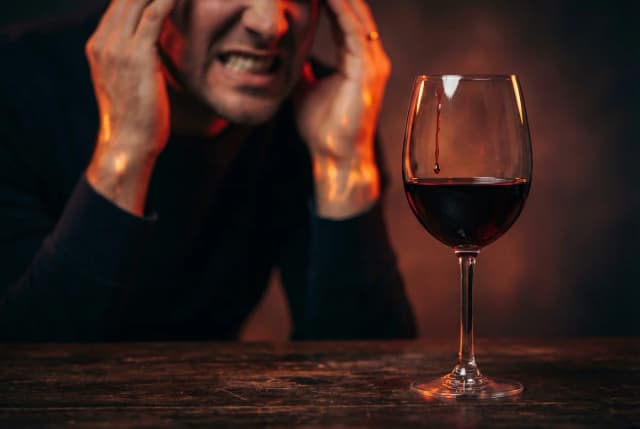
Alcohol is commonly associated with relaxation, greater self-confidence, and less tension in intimate situations. A glass of wine or a drink before sex is often perceived as a way to overcome shyness or stress, but in reality its effect on the body is much more complex. Although it may initially seem that alcohol improves mood and increases desire for intimacy, from a medical point of view it weakens the nervous system, disrupts circulation, and negatively affects sex hormones. As a result, it can lead to decreased libido, erection problems, and even permanent impotence. So how does alcohol affect sex life? Can it cause lasting damage?Why does sex after alcohol often disappoint?
Although it seems to many people that sex after drinking is more passionate and free, reality shows something completely opposite. Alcohol affects the central nervous system, slows reactions, reduces sensation, and impairs motor coordination. The result is stronger emotional arousal with much weaker physiological responses. For this reason, sex under the influence often ends in disappointment, lack of satisfaction, and in men, erection problems. From a psychological perspective, alcohol distorts perception of reality and lowers the ability to control emotions. People under its influence may engage in risky sexual behaviors, and they also find it harder to read signals from their partner. This in turn can lead to tension, misunderstandings, and loss of a sense of security in the relationship.Alcohol and libido – temporary confidence or long-term problem?
Alcohol often gives a false impression of increased libido – after a few drinks, courage, openness, or spontaneity comes easier. However, from a biological point of view, this is an effect of temporary stimulation of the central nervous system, which quickly gives way to its slowdown. Alcohol disrupts communication between neurons, which affects reduced sexual reactivity, prolonged reaction time, and less perception of stimuli. It should not be overlooked that ethanol disrupts the balance between sex hormones and stress – it increases cortisol levels and lowers testosterone and estrogen production. In men, this leads to weakened sexual drive and problems maintaining erection. In women, on the other hand, excessive alcohol consumption can disrupt the menstrual cycle, reduce vaginal lubrication, and decrease sexual satisfaction. As a result, what was supposed to help with relaxation can over time lead to permanent decrease in libido and problems with intimacy, both physically and emotionally.Alcohol and erection – does drinking cause lack of erection?
For an erection to occur, the body must work smoothly on many levels – the nervous system sends stimulating signals, and blood vessels in the penis dilate, enabling blood flow. Alcohol disrupts both these processes:- it weakens nerve conduction and limits the body's ability to respond properly to sexual stimuli
- it dilates blood vessels in an uncontrolled manner, causing blood not to be retained in the cavernous bodies – hence erection is often weaker or short-lived.
Alcohol and potency – how does long-term drinking affect sexual performance?
Excessive alcohol consumption has a direct impact on potency both through damage to the nervous and circulatory systems and hormonal disorders. As addiction develops, permanent changes occur in the body: testosterone levels drop, sperm production slows down, and in extreme cases testicular damage occurs. As a result, erection problems, decreased libido, and difficulties maintaining satisfying sex life appear. To this are also added psychological factors – sleep problems, anxiety states, and depression, which often accompany addicted individuals. Alcohol disrupts sleep rhythm, causing chronic fatigue and mood decline, which additionally deepens potency problems.Alcohol and impotence – when does the problem become serious?
Unlike one-time impotence after drinking a larger amount of alcohol, alcohol-induced impotence is chronic in nature and does not subside after sobering up. Main symptoms include:- absent or weakened erection
- difficulty maintaining erection
- decreased sexual drive
- ejaculation problems.
Alcohol and sexual problems – time for change
The seemingly innocent "relaxation" before intimacy can over time turn into loss of libido, erection problems, and emotional distancing from a partner. Alcohol disrupts hormonal balance, weakens circulation, and damages the nervous system, leading to impotence. The good news is that many of these changes can be reversed, provided that treatment is initiated in time. Every step toward sobriety is a step toward regaining control over your body, emotions, and relationships. Contact Nasz Gabinet to begin the recovery process in a safe, outpatient manner. The team of doctors and therapists will help you regain balance, self-confidence, and satisfaction with life without alcohol and other addictive substances. Addiction and its consequences are only additionally intensified.:::cta Need help fighting addiction? Our specialists are ready to help you. Call or schedule an online appointment. Call: 880 808 880 | Book Appointment :::