

What is alcohol detox?
Alcohol detox is a medical process designed to help a person addicted to alcohol with:
- safely breaking the cycle of alcohol abuse
- removing accumulated toxins from the body
- restoring physiological balance
This process is the first step towards regaining sobriety and prepares the Patient for further addiction treatment. It is carried out under strict supervision of a medical team.
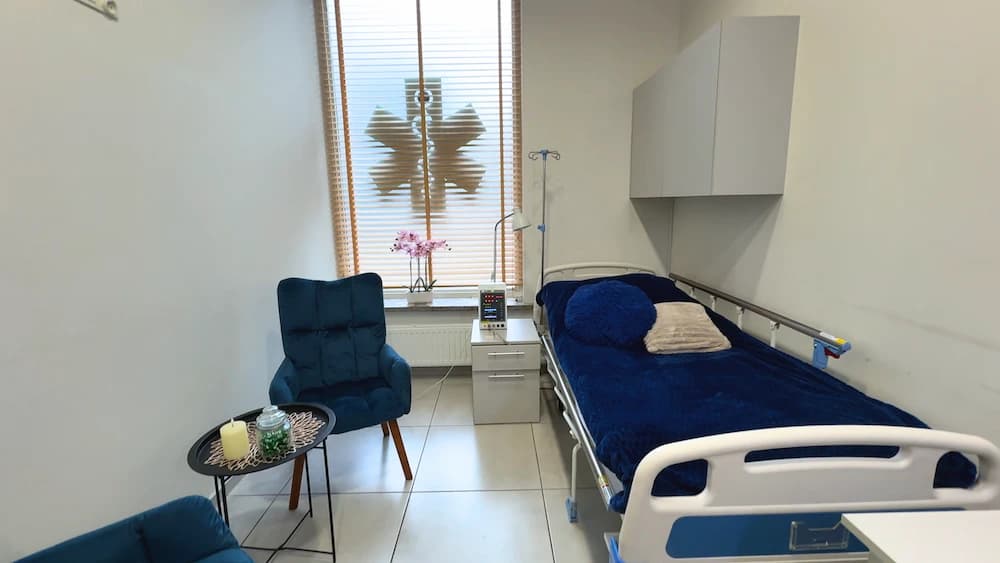
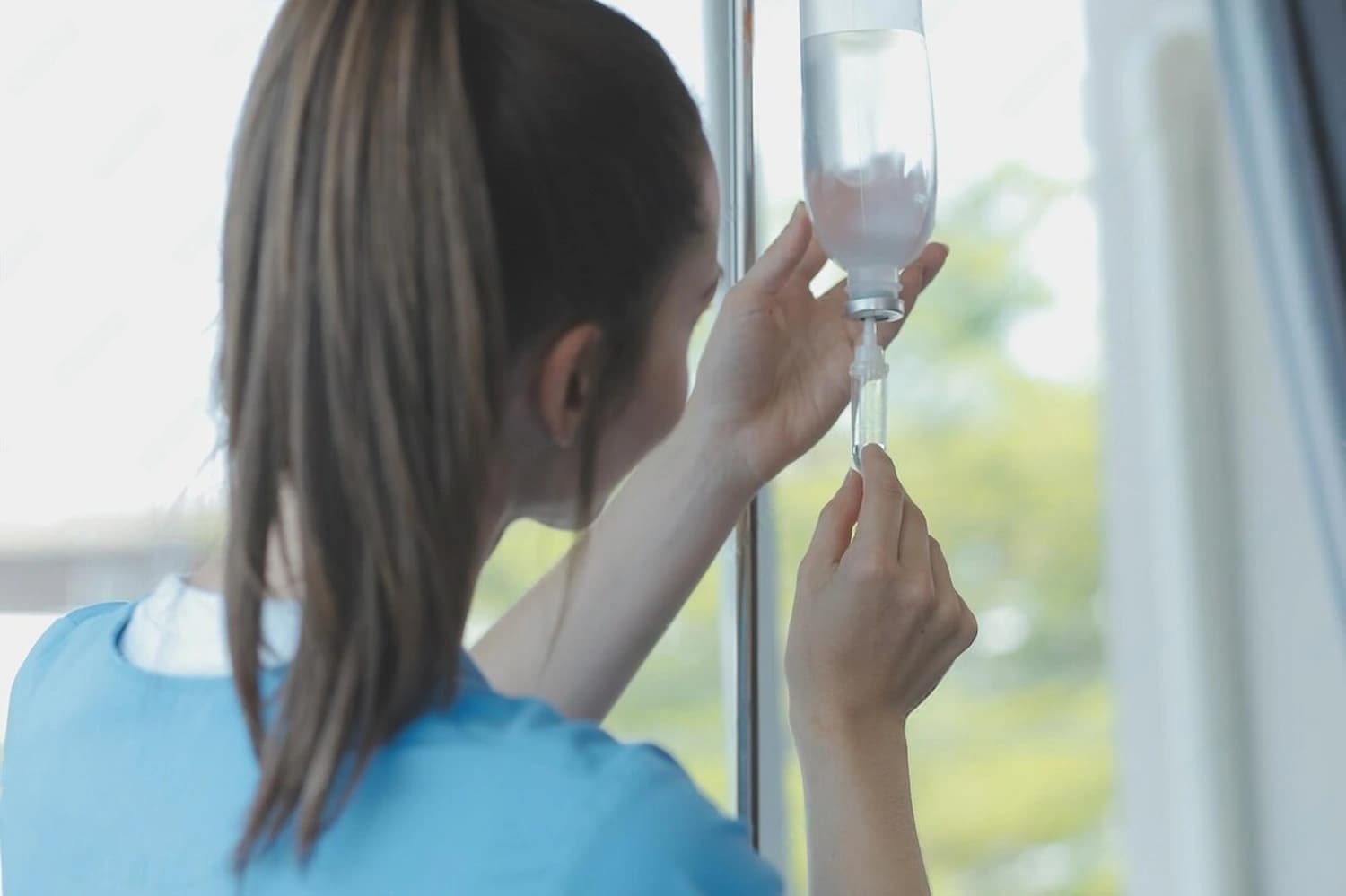
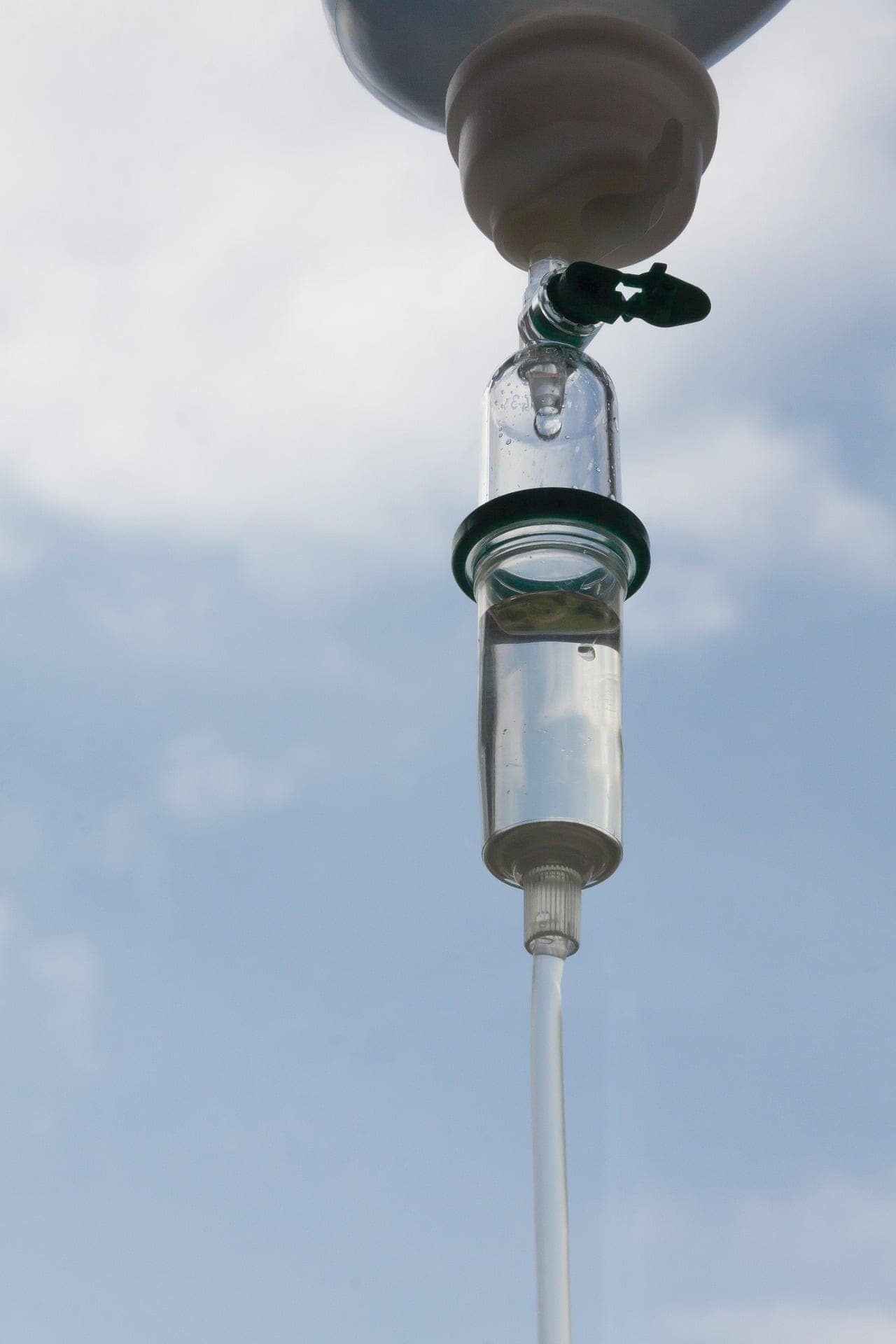
During alcohol detox, the Patient receives intravenous drips, medical and psychological support, including motivation to make the decision to begin alcohol therapy. Detox alone does not replace comprehensive addiction treatment.
Why is alcohol detox essential - how alcohol poisons the body?
Ethyl alcohol is a tissue toxin that has a destructive effect on all body systems. After consumption, the liver metabolises approximately 0.2 per mille of alcohol per hour, converting it into acetaldehyde - a substance significantly more toxic than alcohol itself.
This process causes serious damage to cells and organs:
- destroys the gastric mucosa
- damages neuronal structures in the brain
- leads to fatty liver disease and liver cirrhosis
- disrupts the water-electrolyte balance throughout the body
Accumulated toxins and alcohol breakdown products require professional removal from the bloodstream - this is precisely why alcohol detox is an essential first step towards regaining health and beginning effective addiction treatment.
Difference between alcohol detox, detoxification and a hangover drip
Alcohol detox / alcohol detoxification
Alcohol detox and alcohol detoxification are terms describing the same process. Detoxification is used to break the cycle of alcohol abuse. It involves intravenous infusions aimed at cleansing the body of toxins and replenishing nutrient deficiencies. When necessary, medications such as benzodiazepines are also administered.
Hangover drip
A hangover drip is a short-term method aimed at providing quick relief after a single episode of alcohol consumption. It is based on similar components as detox but differs mainly in duration.
Key difference
Detox is part of comprehensive addiction therapy, while a drip merely alleviates symptoms.
Alcohol poisoning vs hangover - key differences
Alcohol poisoning
Alcohol poisoning is a condition that occurs when there is an excessive amount of alcohol and its metabolites in the body, exceeding the liver's capacity to metabolise them.
Symptoms of alcohol poisoning:
- impaired motor coordination
- slurred speech
- dizziness
- nausea and vomiting
- in extreme cases - loss of consciousness, coma, and even death
Hangover
A hangover is a colloquial term for feeling unwell after consuming a larger amount of alcohol. It is a milder condition compared to alcohol poisoning. It appears after alcohol consumption, when the blood alcohol level begins to drop and the amount of its metabolites increases.
Who is alcohol detox intended for?
It is the first choice for people who:
- want to get rid of hangover symptoms or alcohol poisoning
- are experiencing alcohol withdrawal symptoms and need to safely go through the detoxification process
- are addicted to alcohol and want to begin the treatment process and return to health
When does alcohol detox require special caution? Contraindications
Alcohol detoxification, while safe under medical supervision, requires special caution in some patients. Detox can be particularly dangerous for individuals diagnosed with multi-organ damage, complex chronic conditions and cardiac dysfunction.
Conditions requiring special care
- cardiovascular diseases
- uncontrolled diabetes
- kidney failure
- liver failure
- neurological disorders
Absolute indications for inpatient detox
- previous episodes of delirium tremens or alcohol-related epilepsy
- occurrence of seizures
- consciousness disturbances
- symptoms of psychosis or delirium
- advanced physical deterioration
When should alcohol detox be performed? How the body reacts to alcohol withdrawal
The body's reaction to alcohol withdrawal depends on the length of the drinking binge, the severity of alcohol dependence, and the duration of the illness.
In the initial phase of withdrawal, unpleasant symptoms of withdrawal syndrome may occur:
- anxiety
- tremors
- headaches
- nausea
- insomnia
- excessive sweating
- hallucinations
- seizures
In extreme cases, withdrawal effects (delirium tremens) can be life-threatening. Therefore, it is important that the process takes place under specialist supervision.
Safety of alcohol detox
Alcohol detoxification, carried out under medical supervision, is a safe procedure. Key elements ensuring safety include:
- proper assessment of the Patient's health before starting detox
- continuous monitoring throughout the entire process
- medical staff support
Medical staff are prepared to manage potential risks and intervene in case of complications.
Can you quit alcohol on your own without medical help?
Quitting alcohol overnight by an addicted person is theoretically possible, but it is not recommended without medical supervision due to the risk of serious health consequences, including withdrawal syndrome, which can be dangerous to health and even life.
Sudden withdrawal of alcohol after prolonged abuse can lead to symptoms such as:
- hand tremors
- sweating
- anxiety
- seizures
- delirium tremens
Risks and complications of alcohol withdrawal
Alcohol withdrawal without medical supervision can lead to a number of serious health complications. Withdrawal syndrome is the result of the body's adaptation to the regular presence of alcohol and its metabolites in the blood.
Physical symptoms
- tremors of hands and other body parts
- sweating
- nausea and vomiting
- headaches
- insomnia
- increased heart rate and blood pressure
- seizures
Psychological symptoms
- anxiety
- concentration difficulties
- depression
- hallucinations
- fear
Delirium tremens
Delirium tremens (alcohol delirium) is the most serious complication - a severe state of consciousness disturbance that occurs after sudden alcohol withdrawal, requiring hospital treatment.
Why must detox be under medical supervision?
Medical care during alcohol detoxification is essential. The withdrawal process may involve serious symptoms requiring immediate intervention:
- seizures
- delirium tremens
- cardiovascular disturbances
A medical specialist ensures the Patient's safety - if necessary, they can administer medications to alleviate withdrawal symptoms and monitors the entire detox process using professional medical equipment.
How long does alcohol detox take?
Alcohol detoxification usually lasts from a few to several dozen hours. This depends on the degree of addiction, the length of the drinking binge, the blood alcohol level and the Patient's condition.
Types of detox
- 1-hour detox (hangover drip) - a quick method for alleviating hangover symptoms
- 3-hour detox - help with sobering up after a short drinking period
- 6-hour detox - for those after a few-day drinking binge
- Up to 12-hour detox - after a prolonged drinking binge
- MAX Detox - the most intensive form for those after long-term alcohol abuse
Composition of a detox drip
The composition of a drip for effective alcohol detox depends on the specifics of the case and the protocol used by the clinic. Typically, the following are used for alcohol detoxification:
- hydrating fluids
- glucose
- B group vitamins
- magnesium and potassium
- other substances to balance electrolyte levels
- benzodiazepines - sedative and anticonvulsant medications (alleviate withdrawal symptoms, prevent delirium tremens)
Sedative medications during detox
During alcohol detox, the doctor may decide to administer sedative medications. Their purpose is to alleviate withdrawal symptoms:
- anxiety
- hand tremors
- sleep disturbances
- increased agitation
The decision to use sedative medications is always made on an individual basis, taking into account the Patient's overall condition, addiction history and potential risks. These medications are administered under strict medical supervision.
Monitoring and medical equipment during the procedure
Alcohol detoxification, carried out under medical supervision, is a safe procedure. Key elements ensuring safety:
- proper assessment of the Patient's health before starting detox
- continuous monitoring throughout the entire process
- support from qualified staff
- individually tailored treatment plans
Specialists are prepared to manage potential risks and intervene in case of complications.
How to prevent relapse after detox?
Preventing relapse after detox requires a comprehensive approach and the Patient's active involvement in the treatment process.
Key strategies
- Pharmacotherapy after detox - the Esperal alcohol implant works on the principle of aversion therapy, enforcing abstinence for approximately 12 months
- Psychotherapy in addiction treatment - regular sessions with a therapist help understand the causes of addiction
- Support groups (Alcoholics Anonymous) - offer valuable community support
- Avoiding trigger situations - one must learn to recognise and avoid situations, people and places that may provoke drinking
Comprehensive approach to alcohol addiction treatment
Preventing relapse after detox requires a comprehensive approach and the Patient's active involvement in the treatment process.
Choosing a professional facility guarantees access to comprehensive medical care, which is crucial for treatment effectiveness and Patient safety.
Benefits of choosing a professional facility
- safety guarantee
- comprehensive medical care
- greater chance of quicker recovery from addiction