

What is the Esperal alcohol implant?
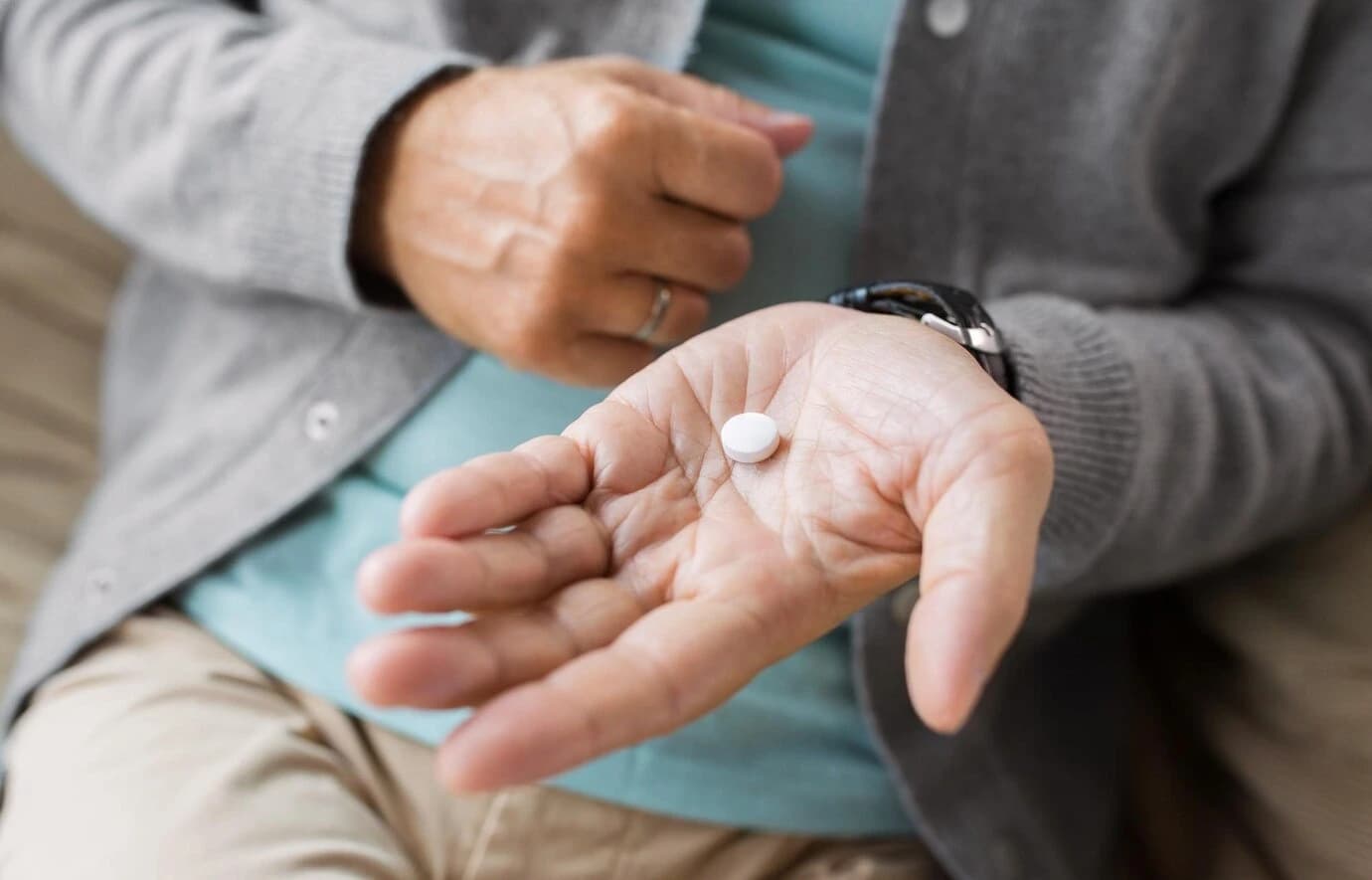
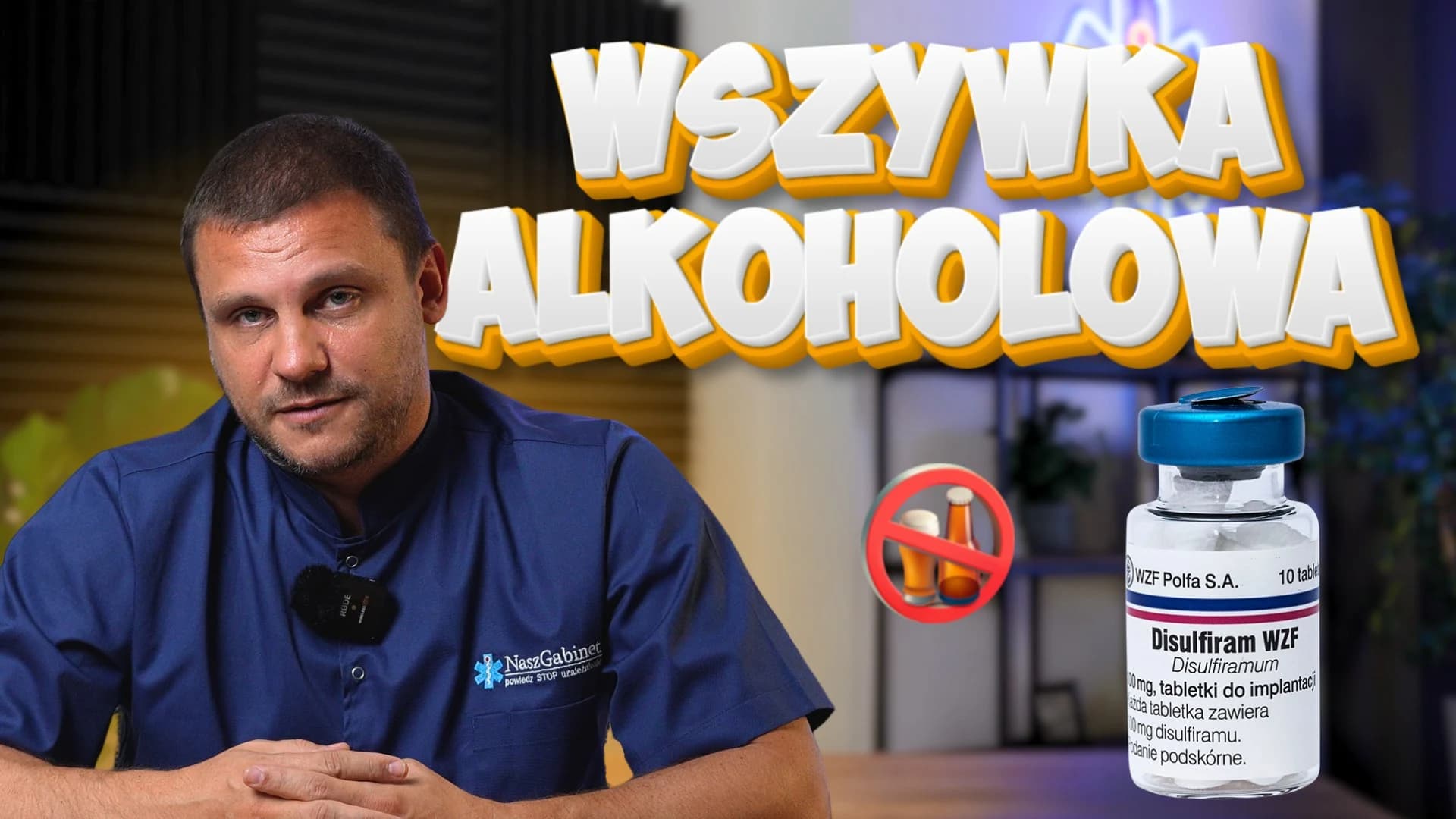
The alcohol implant, widely known as Esperal, is a medical procedure best performed in a specialized Addiction Treatment Clinic. The procedure involves a doctor implanting a tablet containing a medication called Disulfiram under the fascia of the gluteal muscle.
Purpose and effect of the implant
The main purpose of the alcohol implant is to effectively deter the patient from reaching for alcohol and to support the process of overcoming alcohol addiction. The alcohol implant (Esperal), unlike other pharmacological methods, has no psychoactive effect on the patient.
Mechanism of action
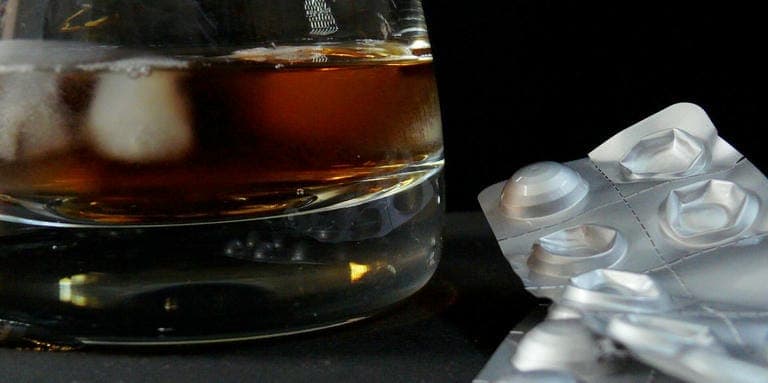
Esperal works by preventing the proper metabolism of ethyl alcohol by blocking the enzyme aldehyde dehydrogenase. When even small amounts of alcohol are consumed, a toxic substance accumulates, leading to poisoning.
Who is the alcohol implant intended for?
The Esperal alcohol implant is a method that supports the treatment of alcohol addiction, intended primarily for adult individuals who have made a conscious decision to fight their addiction and are determined to maintain abstinence.
Who is it particularly recommended for?
The alcohol implant procedure is a particularly effective solution for patients who have difficulty with self-control and need additional pharmacological support to refrain from reaching for alcohol.
Requirements for patients
The alcohol implant is available for individuals who:
- have already undergone detoxification and have been sober for at least 24-48 hours - if you cannot stop drinking on your own, we offer alcohol detox before the procedure,
- have no medical contraindications,
- fully consent to following strict abstinence rules.
What are the main benefits of the Esperal alcohol implant?
The alcohol implant (Esperal) is one of the more effective tools supporting the process of treating alcoholism.
Main benefits
- Long-term deterrent from alcohol - the Disulfiram contained in the implant reacts with ethanol, causing unpleasant symptoms, effectively deterring the patient from drinking alcohol during treatment,
- Supports sobriety maintenance - with the help of the alcohol implant, the patient receives additional motivation to maintain sobriety; the implant also helps the patient avoid temptations,
- An integral part of comprehensive treatment - the alcohol implant works best as part of a broad plan to combat alcohol disease.
What are the real effects of the alcohol implant?
The alcohol implant does not guarantee a cure for alcohol addiction, but it can be an effective tool supporting the process of fighting the addiction.
What do the effects depend on?
The real effects depend on:
- the patient's engagement in the treatment process
- participation in psychological therapy
- group support
The implant can effectively deter from consuming alcohol, but full recovery requires working on the causes of the addiction and building healthy life habits.
How long does the alcohol implant last?
The effect of the alcohol implant can last from several months to even several years. This depends on:
- individual characteristics of the body
- metabolic conditions
- the patient's lifestyle
Most commonly used implants are effective for a period of 8-12 months.
How much does the Esperal alcohol implant cost?
The price of the Esperal alcohol implant at the Nasz Gabinet Addiction Treatment Clinic depends on the chosen package and the concentration of the Disulfiram medication.
Alcohol implant price list
- Standard Implant - 899 PLN (standard medication concentration, non-absorbable sutures)
- VIP Package - 1199 PLN (most popular - standard medication concentration, absorbable sutures, intramuscular antibiotic)
- Exclusive Implant - 2000 PLN (higher medication concentration, absorbable sutures, 2 free consultations)
- 6h Detox + Implant - 1999 PLN (6-hour detox + implant with standard concentration)
- 12h Detox + VIP Implant - 2599 PLN (12-hour detox + VIP implant with higher concentration)
When can the alcohol implant not be used - contraindications
There are several contraindications to the use of Disulfiram:
- Hypersensitivity to Disulfiram or any component of the preparation
- State of intoxication - consumption of beverages and products containing alcohol is prohibited for 24 hours before the procedure
- Severe heart diseases - heart failure, coronary artery disease, advanced or unstable cardiac conditions
- Mental disorders - schizophrenia, psychotic episodes, suicide attempts, other serious mental illnesses
- Severe liver or kidney failure
- Pregnancy and breastfeeding
- Peripheral neuropathy
- Use of Metronidazole and certain other medications
The alcohol implant and chronic diseases
Before qualifying for the Esperal alcohol implant, the doctor must carefully assess the patient's health condition, as Disulfiram can be dangerous for people with chronic diseases.
Absolute contraindications
- Severe heart diseases - coronary artery disease, previous heart attack, heart failure
- Mental disorders - psychoses, schizophrenia
- Severe liver or kidney failure
Relative contraindications
Conditions requiring special caution:
- diabetes
- hypothyroidism
- epilepsy
- peripheral neuropathy
- advanced lung diseases
The alcohol implant and other medications - interactions
The Disulfiram contained in the alcohol implant can interact with many medications, so before the procedure it is essential to inform the doctor about all medications being taken.
Most important interactions
- Metronidazole - the most serious contraindication. Combining it with Disulfiram can cause psychotic reactions and neurological disorders
- Anticoagulant medications (e.g., Warfarin) - the implant can enhance their effect, increasing the risk of bleeding
- Antiepileptic medications (Phenytoin) - possible increase in concentration to toxic levels
- Anti-asthma medications (Theophylline) - possible increase in concentration to toxic levels
What does the alcohol implant procedure look like?
The alcohol implant procedure is a simple outpatient procedure that takes approximately 20-30 minutes and does not require hospitalization. The patient arrives for the procedure sober (minimum 24-48 hours of abstinence) and after an initial consultation with the doctor proceeds to the treatment room.
Procedure steps
- The doctor disinfects the procedure area in the buttock region
- Administers local anesthesia, which eliminates pain
- After the anesthesia takes effect, makes a small, approximately 1-centimeter incision in the skin
- Inserts the Disulfiram tablet under the muscle fascia
- Sutures the incision (usually 2-3 stitches) and applies a sterile dressing
How to prepare for the alcohol implant procedure?
The most important requirement before implanting Disulfiram is maintaining complete alcohol abstinence for a minimum of 24-48 hours. The period of sobriety before the implant is necessary to avoid a dangerous reaction between alcohol and the Esperal implant, which could occur immediately after the procedure.
Preparation before the procedure
- No special diet is required
- You do not need to fast
- You can eat and drink normally (non-alcoholic beverages, of course)
Safety of the alcohol implant
Disulfiram itself is not toxic and does not cause harm to the body. An alcohol-addicted person who maintains sobriety is generally not at risk.
Side effects after the procedure
Few patients experience side effects after the Disulfiram/Esperal implantation procedure. Immediately after the procedure, discomfort, mild pain, redness, or erythema at the implant site may occur.
What happens if you drink alcohol after the implant?
During Disulfiram treatment, there is an absolute prohibition on consuming alcohol. Alcohol in the patient's body can cause unpleasant symptoms:
- nausea and vomiting
- headache
- heart palpitations
- shortness of breath
- dizziness
- drop in blood pressure
- pale skin
How to take care of yourself after the alcohol implant?
After the procedure, symptoms such as redness, swelling, or mild tenderness in the area where the implant was placed may appear, which usually subside within a few days.
How to properly care for the wound after the alcohol implant?
- Avoid getting the wound wet for the first few days after the procedure
- Avoid manipulating the wound - do not touch the wound with unwashed hands, do not attempt to remove the sutures yourself
- Apply dressings as recommended by the doctor
- Avoid pressure or compression in the wound area
- Avoid using irritating substances and any alcohol-based products
- Monitor the wound for possible signs of infection or allergy
How often can the alcohol implant be performed?
The effect of the Disulfiram alcohol implant most commonly lasts for a period of 8-12 months. The next Esperal implant procedure can only be performed after the previous implant's effect has expired.
Implant usage strategies
- Regular repetition - some patients choose to have the implant every year as part of a long-term abstinence maintenance strategy
- One-time use - others use it sporadically during periods of increased relapse risk
Before each subsequent implantation, a medical consultation is required to assess the patient's health condition.
Why choose the implant at Nasz Gabinet?
Nasz Gabinet has been operating since 2011. We are present in 18 cities across Poland. We meet all rigorous conditions set by the legislator and are therefore a safe, legally operating, registered Addiction Treatment Clinic.
What sets us apart?
- Hybrid approach - as the first and only clinic in Poland, we offer patients modern addiction treatment both on-site and online, without the need to stay in a closed facility
- An atmosphere of calm, intimacy, and anonymity
- Full professionalism and dedication
- Presence in 18 cities across Poland
Alternatives to the alcohol implant
Nasz Gabinet Clinic offers a comprehensive approach to treating alcohol addiction, in which the Esperal implant is just one of the available options.
Oral pharmacotherapy
For patients who do not qualify for the implant or prefer other methods, oral pharmacotherapy is available using the following medications:
- Nalmefene - a medication that reduces the pleasure derived from drinking alcohol, taken as needed
- Naltrexone - an opioid antagonist that blocks receptors responsible for the feeling of euphoria
- Acamprosate - a medication that restores the balance of neurotransmitters in the brain after alcohol withdrawal
- Anticol - a medication that causes aversion to alcohol, an oral form that works like an implant
Psychotherapy
The foundation of effective addiction treatment is psychotherapy, which we conduct both on-site in 18 cities across Poland and online - as the first clinic in Poland, we offer this hybrid approach without the need to stay in a closed facility.