


What the anti-alcohol injection (Vivitrol) is
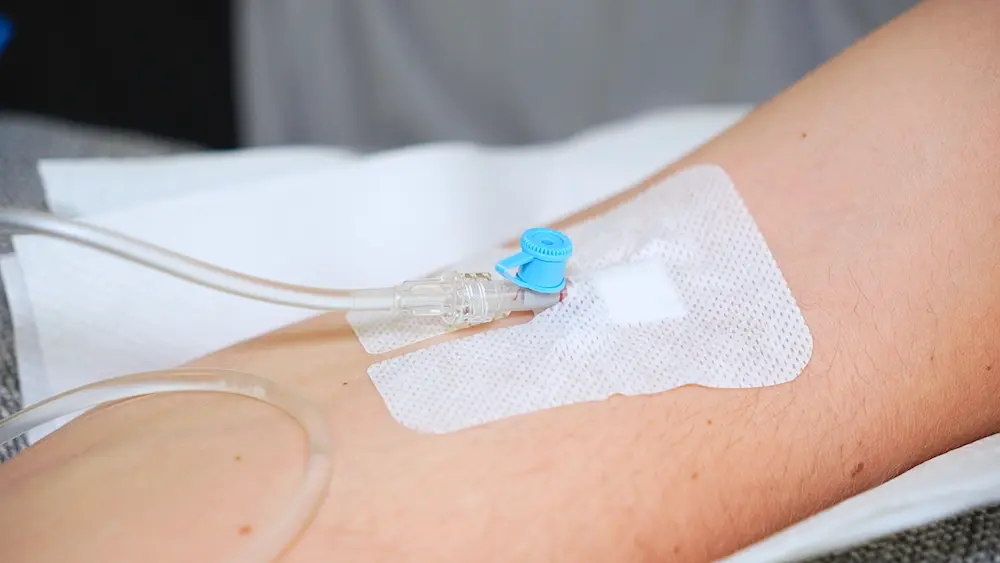
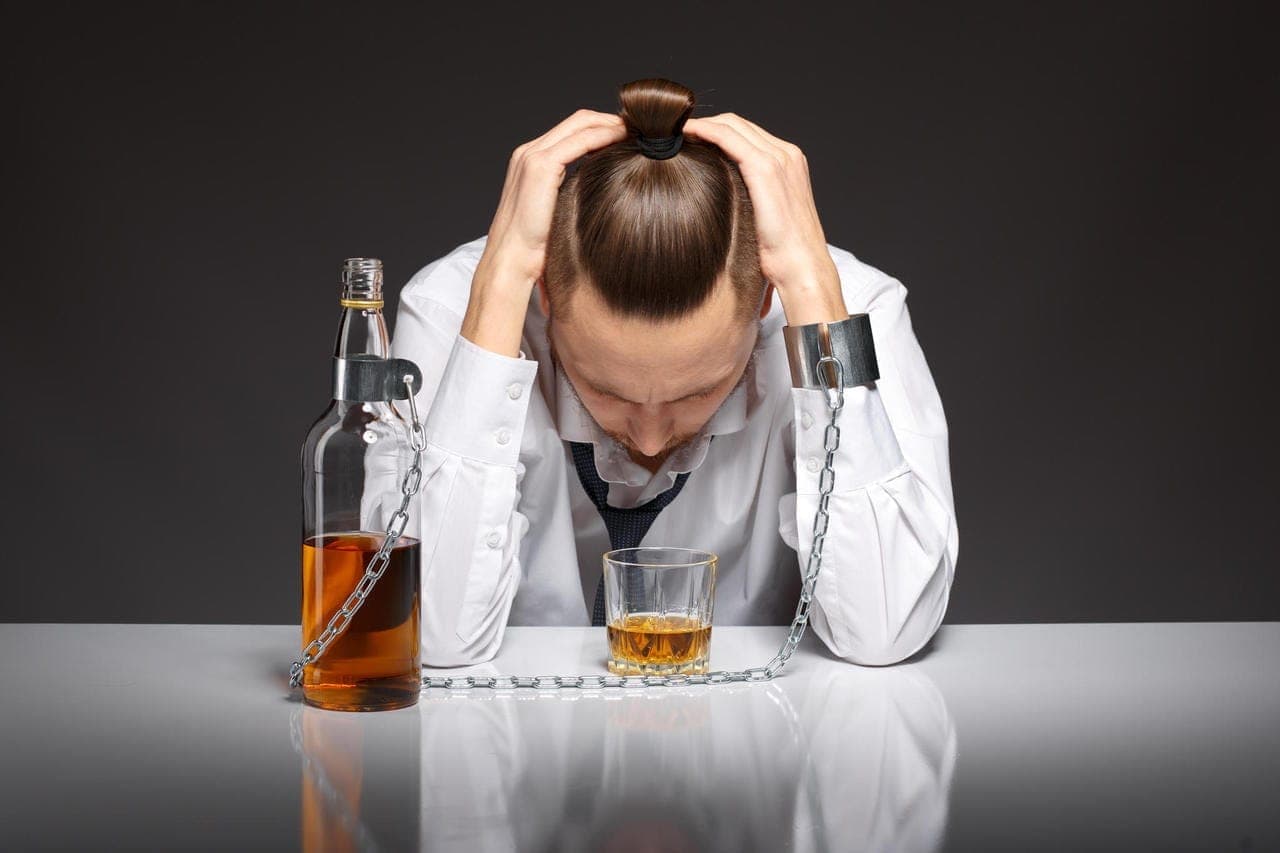
The anti-alcohol injection is the everyday name for extended-release naltrexone, a drug given as a single intramuscular shot once every 4 weeks. Abroad it goes by the trade name Vivitrol. One dose is 380 mg of suspension, which the medical staff inject deep into the gluteal muscle.
How naltrexone quiets the alcohol craving
Naltrexone is an opioid-receptor antagonist. It blocks those points in the reward system through which alcohol triggers the feeling of pleasure and relief. When the receptors are occupied, the next glass no longer gives the drinker what they expect from it, and in time the alcohol craving, that nagging urge to drink, quiets down as well. The drug is not addictive and has no sedative effect.
Why the anti-alcohol injection is not the implant
This is the most common misunderstanding. The implant, that is Esperal, contains disulfiram and works by deterrence: after alcohol it sets off a violent, unpleasant reaction in the body. Naltrexone in the injection works in a wholly different way; once it is given, alcohol simply stops pleasing and soothing. There is no toxic reaction here, only the quieting of the mechanism that drives drinking. We go into the differences below and on the page for the alcohol implant in Wałbrzych.
Assessment and tests before the naltrexone injection
An assessment visit comes before the injection, because naltrexone may only be given once it has been confirmed safe for the particular person. At this stage we do not yet write out a prescription; first we get to know the patient's state of health.
The medical interview before the naltrexone injection
The doctor takes a history: what the drinking looks like, how long it has gone on, when the last glass was, whether there were earlier attempts at treatment. The question about opioids is decisive, because naltrexone and opioid medicines, including some painkillers and cough tablets, rule each other out. Added to this is an assessment of mood and motivation and a brief general examination, including the site of the planned injection.
The blood-test panel before the first dose
Before the first dose we run a complete blood count, a liver panel and tests for hepatitis B and C and for HIV. For women of childbearing age a pregnancy test is added, and where there is doubt about opioids, a urine test. The results tell the doctor whether the liver will withstand the treatment and whether there are obstacles the naked eye cannot see.
Targeted import of Vivitrol and how the injection is given
Vivitrol is not approved for sale in Poland, so it is brought in through targeted import (import docelowy), that is by the name of a specific patient. This is a lawful route set out in the regulations, but it calls for a few formalities and some time.
How we bring Vivitrol in through targeted import
The doctor files an electronic request in the SOID system. A voivodeship or national consultant confirms it, for which the regulations allow 7 days. After the Minister of Health's consent, a community pharmacy dispenses the drug. The request is valid for 60 days, and a targeted-import prescription can be filled within 120 days. In practice, then, a few weeks pass between assessment and the first injection, weeks worth arranging early so that the drug is already waiting for the appointment.
How the injection is given and the four-week rhythm
On the day of the injection the doctor checks safety once more: opioids, pregnancy, the state of the liver, general wellbeing. Taken out of the fridge, the drug needs about 45 minutes to reach room temperature, then it goes in as a deep intramuscular injection, each time in the other buttock. The following doses fall every 4 weeks, and for roughly that month the drug holds its effect, which is why keeping to the dates matters more here than with daily tablets.
Anti-alcohol injection, implant or tablets
Since the injection, the implant and tablets all take on the same addiction, it is worth knowing how they truly differ. The choice of method is a decision the doctor makes together with the patient, not a ranking of better and worse drugs.
The anti-alcohol injection versus the alcohol implant
The implant is disulfiram in an insert placed under the skin during a minor procedure; it works for about 8 months and deters, because after it alcohol brings on a strong reaction. The injection is naltrexone, with no surgery and no reaction after alcohol, but it takes the pleasure out of drinking. Some people need a clear barrier of fear, others the removal of the reward, which is why there is no single right answer for everyone. We describe the implant in Wałbrzych on a separate page.
The injection or the daily naltrexone tablet
The substance is the same; what differs is the way it is taken. The naltrexone tablet is taken daily and is registered in Poland, but it means remembering the dose every day, including on a bad one. The injection lifts away that daily decision, because a single dose covers 4 weeks. For someone who does not want to face a tablet every morning, that is a real difference.
Naltrexone safety and contraindications
Naltrexone is a well-studied drug, but it is not without risk and it carries one warning that must not be taken lightly.
Naltrexone and the risk tied to opioids
During treatment opioids do not work, because naltrexone blocks their receptors. The body, however, loses its tolerance to opioids, so once the drug's effect ends, a dose that someone tolerated before can lead to respiratory arrest. For this reason, for at least 30 days after the last injection no opioid medicines may be taken, and no one should ever try to break through the blockade with a higher dose. Every doctor must be warned about the naltrexone, for instance before an operation or in severe pain.
Side effects and situations that rule out the injection
The most common are nausea, headache, fatigue, muscle aches and a reaction at the puncture site. Less often there are more serious skin reactions, strain on the liver or a drop in mood, of which the patient is obliged to inform us. We do not give the injection to people taking opioids, in an active withdrawal syndrome, with acute liver disease, pregnant, or allergic to the ingredients. Anyone who is still in the middle of withdrawal we refer first to detox in Wałbrzych.
Does the anti-alcohol injection work
The honest answer is this: naltrexone helps to cut down drinking, but it is no miracle cure and works best alongside therapy.
What the studies say about naltrexone's effectiveness
In a review of seven randomised trials (Murphy, Addiction 2022) extended-release naltrexone was linked with fewer drinking days, on average about two a month, and with fewer days of heavy drinking. The effect was clearer with treatment lasting longer than three months. The authors caution, however, that the data cover therapy only up to six months, and that the pooled result rests largely on two large trials. This is not a guarantee of abstinence, but real help for someone who wants to stop drinking on their own.
Why the injection alone is not the whole treatment
The Agency for Health Technology Assessment (AOTMiT) stresses that pharmacotherapy for addiction should be part of a programme with psychological support, not a standalone treatment. The injection takes off part of the craving and makes it easier to hold to one's resolutions, but it is therapy that teaches how to cope with the situations in which the glass used to appear. That is why we offer the two together.
The anti-alcohol injection and the realities of Wałbrzych
Wałbrzych is a city after a deep reinvention, from the mining capital of Lower Silesia into a centre with new industry and an economic zone. That change left an uneven mark, visible in the figures, and it bears on who we offer help to and how close by.
The job market in Wałbrzych and the reach of our help
In Wałbrzych itself unemployment is low; in July 2024 it stood at 4.5 percent, the same as the regional average and below the national one. Around it the picture is different: the Wałbrzych county recorded 11.5 percent at the time, more than twice the national average. So the clinic on Młynarska sees not only city residents but also people from the smaller towns of the sub-region, where private assessment for treatment is simply harder to come by.
The scale of the alcohol problem in Wałbrzych
The city's own figures show the problem is real and daily. Over the course of a year the Wałbrzych hospital treats about 1,481 patients under the influence of alcohol, roughly four a day, and the police intervene over excessive drinking more than 1,000 times a year. In the consultation on limiting night-time alcohol sales, in force since December 2025, nearly 67 percent of residents backed the change. The injection will not replace the decision to seek treatment, but it can be a tool that helps hold to it between therapy sessions.
The injection as part of treatment in Wałbrzych
The drug alone is not everything. Naltrexone works best as part of a wider plan, so at the clinic on Młynarska 24 we pair it with addiction therapy in Wałbrzych, and where needed with preparation through detox. For the full picture of what we offer people who drink, see the page on alcoholism treatment in Wałbrzych. The clinic is open all week, from 8:00 to 20:00.
The cost of the injection and booking in Wałbrzych
The cost of the injection cannot be given as a single figure, because several separate elements go into it.
What the cost of the anti-alcohol injection comes from
The whole comes down to the assessment consultation, the tests, the drug itself brought in through targeted import, and the injection with the care between doses. The cost of the drug depends on its import price, so we set the quote individually after assessment, once it is clear that the treatment is safe for the patient. We do not give a ballpark figure that would miss the mark anyway.
How to book the assessment in Wałbrzych
The assessment visit needs no referral; it is a private medical consultation. You can pick a date through the online booking next to this or by phone at 880 808 880. The clinic is at Młynarska 24 in Wałbrzych. If the injection turns out not to be the right method, at assessment we will suggest another path of treatment.