

Drug addiction therapy and treatment in Poznań - comprehensive support
Drug addiction treatment in Poznań requires a comprehensive approach that combines medical care, psychotherapy and long-term recovery support. At Nasz Gabinet Poznań, we help addicted individuals understand the mechanisms of addiction, safely undergo detoxification and rebuild psychological and emotional stability.
What drug addiction treatment involves
The process of drug addiction treatment encompasses several stages: problem diagnosis, body detoxification, pharmacological support and psychological therapy. The goal of treatment is not only to break the drug cycle, but also to understand the causes of addiction and learn healthy ways of coping with difficult emotions.
Stages of drug addiction treatment
- Problem diagnosis - assessment of the severity of addiction, physical and mental health status
- Body detoxification - safe removal of psychoactive substances under medical staff supervision
- Pharmacological support - oral pharmacotherapy stabilising the patient's mental and physical condition
- Psychotherapy - working on the causes of addiction, building new coping strategies
- Relapse prevention - long-term support after completing intensive therapy
Individual therapy - discovering the causes of${nb}addiction
During individual therapeutic sessions in Poznań, the patient has the opportunity to safely discuss their problems, experiences and emotions. The therapist helps identify factors that led to addiction and supports building new strategies for coping with stress and life difficulties.
Support groups - community help in the recovery process
Group meetings enable contact with people going through similar experiences. Working together on addiction problems allows sharing experiences, mutual motivation and building healthy social relationships.
Cognitive behavioural therapy - changing thinking and habits
Cognitive behavioural therapy helps understand how thoughts and beliefs influence behaviour. Through appropriate techniques, the patient learns to recognise destructive patterns and replace them with healthier reactions and habits.
Post-treatment support - relapse prevention
The recovery process does not end with the completion of intensive therapy. Regular follow-up appointments, continued psychotherapy or participation in support groups help maintain the achieved results and reduce the risk of relapse.
Effective drug addiction therapy in Poznań
At Nasz Gabinet Poznań, we offer individually tailored comprehensive addiction treatment plans. We combine the experience of medical staff and psychotherapists to provide patients with comprehensive care and support at every stage of recovery.
Drug therapy - how to beat addiction
Overcoming drug addiction requires time, consistency and appropriate help from medical staff. Effective therapy is based on combining work on mental health, lifestyle changes and building new, healthy habits.
Drug detox and oral pharmacotherapy in Poznań
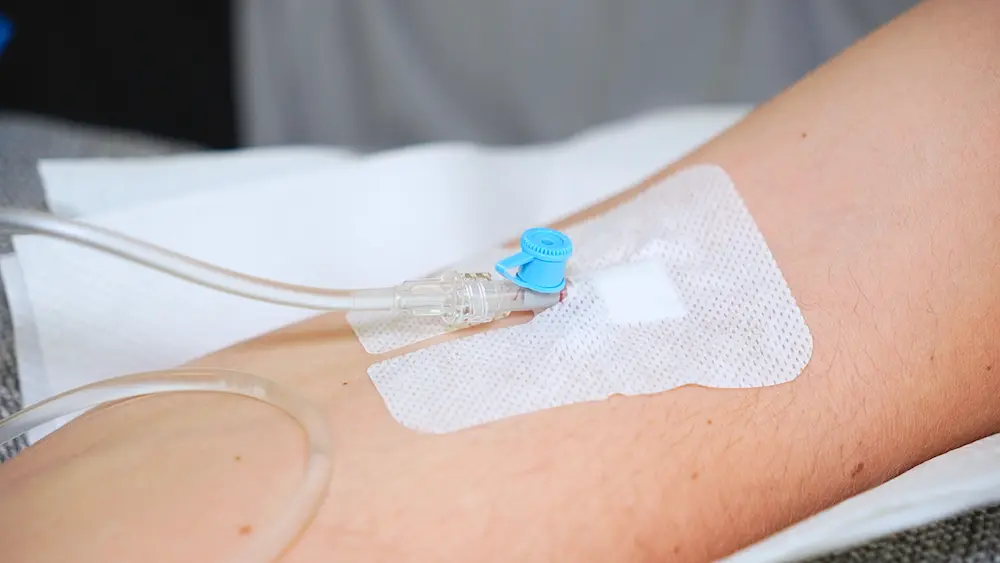
Body detoxification is often the first step in drug addiction treatment. Its goal is the safe removal of psychoactive substances from the body and alleviation of withdrawal symptoms. In some cases, oral pharmacotherapy is also used as additional support, helping to stabilise the patient's mental and physical condition.
At Nasz Gabinet Poznań, drug detox is conducted under the supervision of experienced medical staff. We also offer home detox - safe body cleansing in the comfort of the patient's home.
Patient engagement in${nb}the treatment process
The effectiveness of therapy largely depends on the addicted person's active participation in the entire treatment process. Regular attendance at therapeutic sessions, openness to change and willingness to work on oneself significantly increase the chances of lasting recovery.
Drug addiction treatment - practical advice for addicted persons
People struggling with addiction should first and foremost seek professional help and not try to cope with the problem on their own. It is also worth maintaining a healthy lifestyle, limiting contact with situations that trigger the urge to use drugs, and focusing on building new habits.
Why not to delay treatment
Drug addiction tends to deepen over time. The earlier treatment is undertaken, the greater the chances of successfully overcoming the addiction and avoiding serious health, social and family consequences.
The role of family and loved ones' support in therapy
The support of loved ones is extremely important in the process of drug addiction treatment. Family and friends can help maintain motivation, provide support during difficult moments and participate in rebuilding healthy relationships.
Small steps on the road to recovery
Overcoming addiction is a long process, which is why it is worth focusing on daily achievements. Participating in addiction therapy, staying drug-free for consecutive days or changing unhealthy habits - every step brings you closer to your goal and builds self-confidence.
Patience and perseverance in fighting addiction
The process of overcoming addiction can be difficult and may involve moments of doubt. Patience, systematic work on oneself and support from medical staff help gradually regain control over one's own life.
Comprehensive drug addiction treatment plan in Poznań
At Nasz Gabinet Poznań, we offer comprehensive drug addiction treatment plans individually tailored to the patient's needs.
- 1-month treatment plan - includes a psychiatric consultation, pharmacological support and 4 psychotherapy sessions. This is the basic plan that helps start the treatment and stabilisation process
- 3-month treatment plan - includes a psychiatric consultation and 12 psychotherapy sessions, providing regular therapeutic support and progress monitoring
- 6-month treatment plan - includes psychiatric consultations, 24 psychotherapy sessions and long-term support in mental health stabilisation and relapse prevention
- 12-month treatment plan - provides full psychiatric care, 48 psychotherapy sessions and a comprehensive long-term sobriety maintenance programme
Choosing the right treatment plan
The choice of treatment plan depends on the severity of addiction, treatment history and individual patient needs. During the first consultation, medical staff help select the most appropriate therapeutic plan.
Start addiction treatment in Poznań and regain control over your life
Drug addiction does not have to define the future. Professional help, properly selected therapy and support from medical staff can help start a new chapter of life free from addiction. Nasz Gabinet Poznań is located at Górki 17A. Call: 880 808 880.