

What Does Alcohol Detox in Opole Involve?
Alcohol detox in Opole cleanses the body of alcohol and the toxins produced during its metabolism. At the same time, it supports vital functions that are compromised by prolonged drinking. During detoxification, key electrolyte levels are balanced and fluids are replenished, as excessive alcohol consumption leads to dehydration, drops in potassium and magnesium, and deficiencies in B vitamins.
During detoxification, withdrawal symptoms are alleviated. The most common symptoms include:
- tremors,
- heart palpitations,
- anxiety,
- nausea,
- insomnia,
- sudden blood pressure spikes.
These reactions develop rapidly because the balance of neurotransmitters is disrupted and the sympathetic nervous system works more intensively. Detox stabilises these processes and supports the body's return to equilibrium.
The key goal of detox is to calm the nervous system and stabilise circulation, thereby reducing the risk of seizures and delirium tremens. During this time, the patient receives fluids, electrolytes and thiamine - vitamin B1, which protects against Wernicke encephalopathy.
As detoxification progresses, brain, heart and liver function improves, and the fluid-electrolyte balance returns to normal. This process enables safe recovery from alcohol intoxication and prepares the body for further addiction treatment.
How Does Detox Proceed in Opole?
Detox in Opole is a process supervised by medical staff, which begins with a detailed assessment of the patient's condition. The specialist checks the length of the drinking episode, current symptoms and the presence of co-existing conditions. Based on this, the detox duration, monitoring level and type of intravenous drips are selected to ensure treatment is tailored to the body's needs.
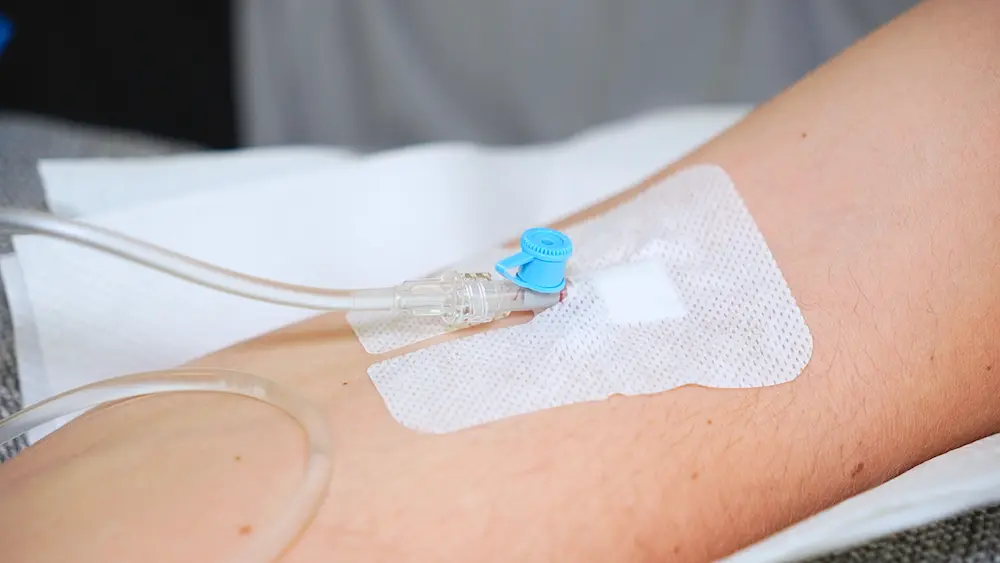
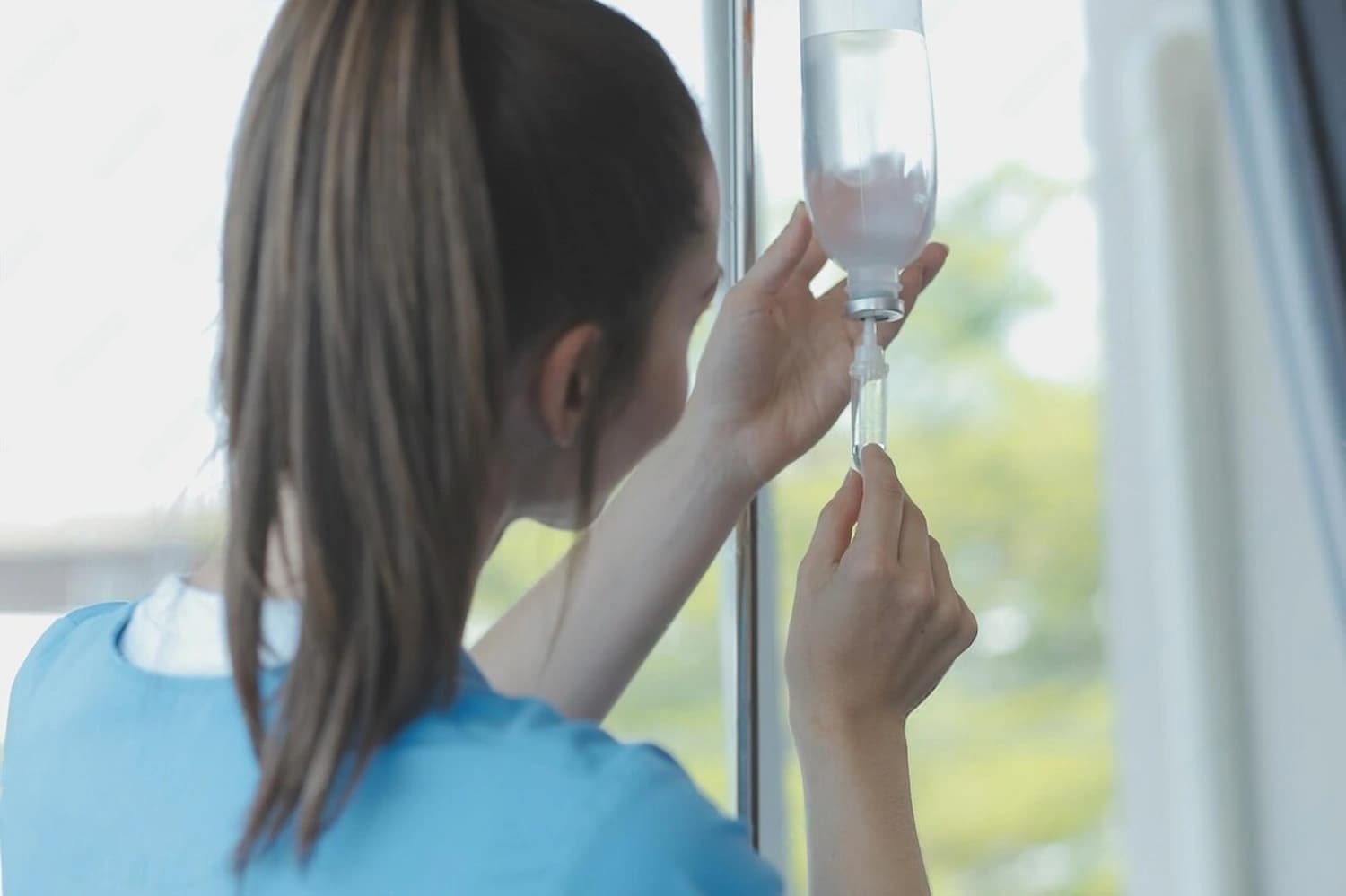
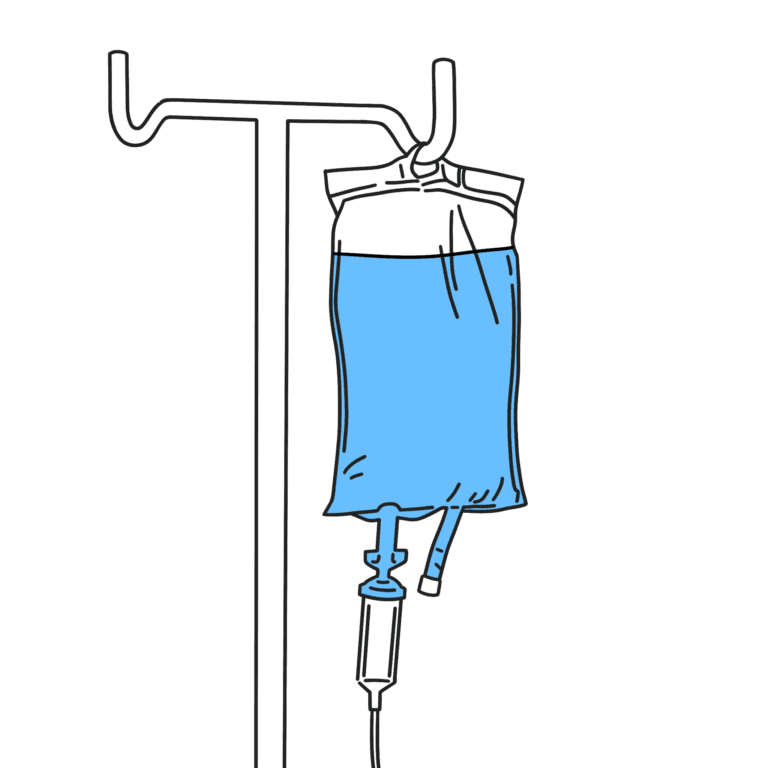
During detox, the patient receives intravenous fluids, electrolytes and vitamins that restore the metabolic balance disrupted by alcohol. Key body parameters are also monitored:
- heart rate,
- blood pressure,
- hydration level,
- electrolyte concentrations,
- nervous system response.
Replenishing potassium, magnesium and sodium stabilises heart and nervous system function, which reduces the risk of seizures and sudden deterioration in health.
During the procedure, medical staff respond to intensified withdrawal symptoms by administering appropriately selected medications. This ensures the entire process proceeds more calmly, even for patients who experience severe effects from alcohol absence. Treatment is conducted gradually, taking into account the body's response to each administered dose.
Detox concludes when body functions stabilise and the nervous system burden noticeably decreases. Brain and liver function improves, and hydration levels return to normal. The subsiding withdrawal symptoms open the path to further stages of therapy and the commencement of addiction treatment.
What Medications Are Administered During Alcohol Detox?
During detox, medical staff primarily administer benzodiazepines, as they calm the nervous system and reduce the risk of seizures. If intense vomiting occurs, ondansetron or metoclopramide is introduced to effectively control nausea.
For elevated heart rate or blood pressure spikes, beta-blockers such as propranolol are administered. In cases of severe agitation or hallucinations, the doctor adds haloperidol, which stabilises the patient's behaviour.
Additionally, when there is a risk of seizures or benzodiazepines are contraindicated, carbamazepine or gabapentin is used. Each medication is selected individually, in accordance with the patient's current condition and the dynamics of their symptoms.
What Vitamins Are Administered During Alcohol Detoxification?
During detoxification, the body primarily needs B vitamins, as their levels drop rapidly after prolonged drinking. The most important is thiamine (B1), which protects the brain from damage and supports glucose utilisation. Vitamin B6 helps calm the nervous system, and vitamin B12 supports blood and nerve cell regeneration, particularly when levels are depleted.
Intravenous drips also contain vitamin C, which strengthens immunity and reduces the oxidative stress present during alcohol withdrawal. The vitamin combination is selected individually, as each person's body responds differently to chronic alcohol consumption.
Alcohol Detoxification Opole - Why Choose Nasz Gabinet?
Alcohol detoxification in Opole at Nasz Gabinet is based on an individual approach and continuous care from experienced medical staff. This approach ensures safety even when withdrawal symptoms are severe and appear suddenly. Before starting detox, a specialist carries out a detailed health assessment, which allows therapy to be precisely tailored to the level of dehydration, electrolyte deficiencies and the severity of the withdrawal syndrome.
During detoxification, the patient receives intravenous drips with electrolytes, B vitamins and medications that stabilise the nervous and circulatory systems. Tremors, elevated heart rate, nausea and anxiety subside more quickly, and the body regains metabolic balance. The entire detoxification takes place under constant supervision, and monitoring of vital parameters significantly reduces the risk of complications such as seizures or delirium tremens.
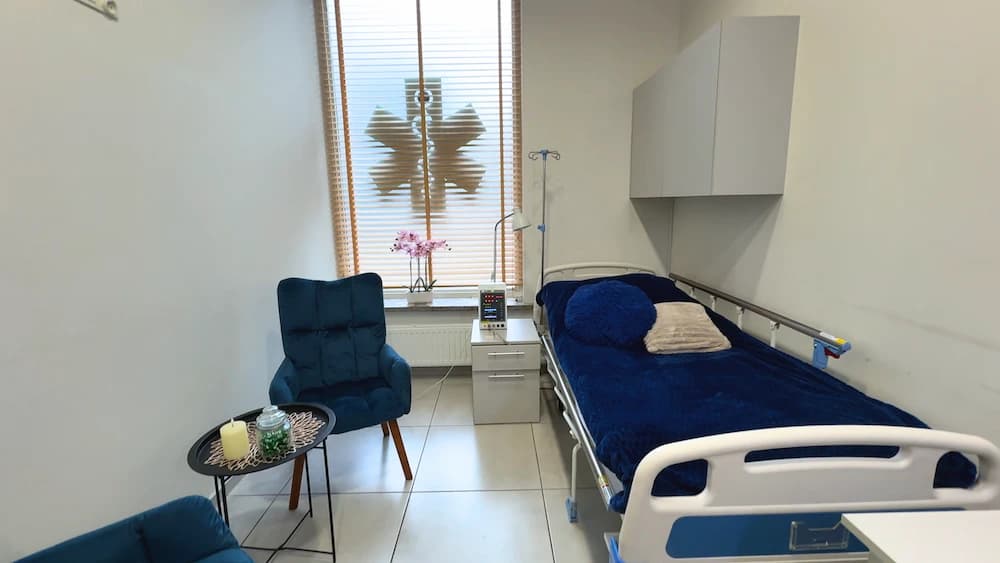
At Nasz Gabinet Opole, the patient is assured of round-the-clock care, full discretion and comfortable conditions. Alcohol detoxification stabilises the functioning of the brain, heart and electrolyte balance, creating a safe foundation for commencing further addiction treatment. After detox, it is worth considering an alcohol implant (Esperal), which helps maintain sobriety, and addiction psychotherapy, which supports lasting behavioural change. In this way, a properly conducted detox becomes a real beginning of overcoming addiction.