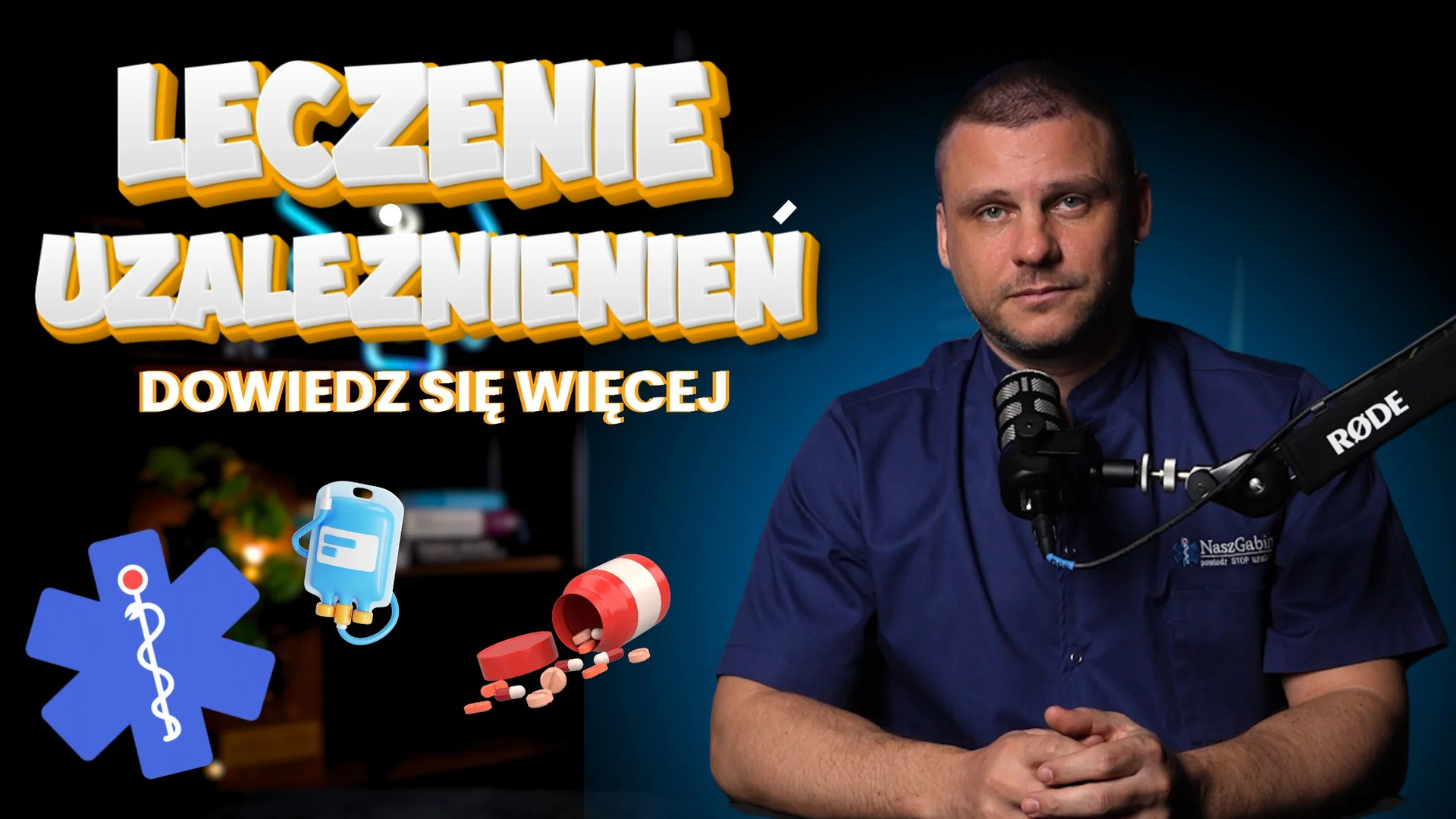


Understanding gambling addiction
Gambling addiction is a disorder characterized by the inability to control impulses related to gambling, leading to regular engagement in gambling, similar to alcohol addiction, despite harmful consequences. People with this problem often experience strong tension and anxiety, which they try to alleviate through participation in gambling activities. This often involves a constant search for new opportunities to gamble, leading to serious financial problems, conflicts in interpersonal relationships, and reduced quality of life.
Gambling addiction therapy Gdynia
Psychological therapy plays a key role in treating gambling addiction. At Nasz Gabinet Gdynia, we use various therapeutic approaches - including cognitive-behavioral therapy, psychodynamic, and interpersonal therapy - which help patients understand the mechanisms behind the addiction and develop healthy ways to cope with temptations. Thanks to individually tailored treatment methods, it is possible not only to permanently break free from gambling addiction, but also to improve quality of life, family relationships, and emotional balance.
Cognitive-Behavioral Therapy (CBT)
CBT is one of the most effective methods for treating gambling addiction. It focuses on changing destructive thought patterns and behaviors that fuel addiction. As part of therapy, the patient learns to recognize false beliefs, such as "I must gamble to recover lost money" or "this time I will surely win," which often lead to addictive gambling. CBT also teaches alternative ways to cope with emotions, stress, and temptations. The patient acquires skills that help them avoid situations triggering the urge to gamble and cope with negative emotions without resorting to gambling.
Psychodynamic therapy
Psychodynamic therapy focuses on discovering deeper, unconscious conflicts and emotions that may underlie gambling addiction. These are often difficult experiences from the past, traumatic events, or unexpressed emotions that the patient tries to suppress through gambling. The goal of therapy is to better understand these hidden motivations and help process and release these emotions, which in the long run can reduce the need to escape into addictive behaviors.
Interpersonal Therapy (IPT)
Interpersonal therapy focuses on improving the patient's communication and relational skills. In the case of gambling addiction, problems in family, professional, or social relationships often deepen the addiction. The patient may gamble to avoid conflicts or fill an emotional void related to interpersonal problems. IPT helps identify relationship difficulties and work on their improvement, leading to better communication, conflict resolution, and strengthening support from loved ones.
Solution-Focused Brief Therapy (SFBT)
Solution-focused therapy focuses on the patient's future and seeking practical solutions to problems, rather than delving into the past. It is a short- and goal-therapeutic method that helps define goals and focus on specific steps leading to change. In the case of gambling addiction, therapy helps the patient develop strategies to maintain abstinence from gambling and develop healthy habits that replace destructive behaviors.
Self-help programs and support groups
Support groups, such as Gamblers Anonymous, play a crucial role in treating gambling addiction. These programs offer an environment where people with the problem can share their experiences, offer each other support, and motivate each other to maintain abstinence. Regular participation in such groups helps build lasting support mechanisms and a sense of belonging.
Education and skill development
Education about addiction mechanisms and their impact on life is a key element of effective treatment. Educational and therapeutic programs can help patients and their families understand the nature of addiction, recognize early signs of relapse, and learn techniques for coping with temptations. Developing stress and emotion management skills is also important in the recovery process.
Financial planning and risk protection
Gambling addiction often leads to serious financial problems. As part of treatment, it is important to create a financial management plan and a strategy to protect against further losses. Consultations with a financial advisor can help rebuild financial situation, as well as learn effective budgeting and saving methods. Introducing restrictions on access to financial resources, such as freezing credit cards or setting a budget, can also help control impulses related to gambling.
Gambling addiction treatment Gdynia - take advantage of specialist help
Treating gambling addiction is a complex process that requires an individual approach and the use of various therapeutic methods. It is crucial that people seeking help have access to appropriate resources and support at every stage of treatment. Working together with professionals and support from family and loved ones can significantly increase the chances of successful recovery and rebuilding a life without gambling. The recovery process is long-term and requires commitment and determination, but thanks to a comprehensive approach and available support, it is possible to regain control over life and start a new chapter without addiction.