

What is alcoholism?
What are the first steps in alcoholism treatment?
Nasz Gabinet clinic offers a comprehensive approach in fighting addiction, combining various therapeutic methods to ensure the best possible patient care. Our Warsaw clinic offers both detox and pharmacotherapy, as well as psychotherapy tailored to individual needs and goals of our clients.
Alcohol detox in Warsaw
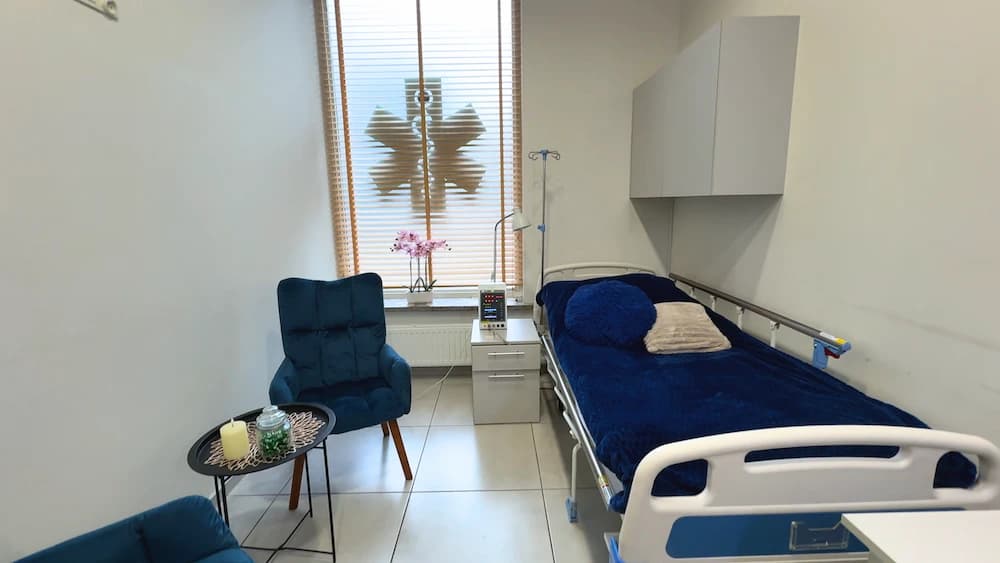
The alcohol detox procedure is designed to cleanse the patient's body of harmful substances and prepare them for the next stages of therapy. This is a procedure performed at our facility or in home conditions under strict supervision of specialists. Nasz Gabinet in Warsaw offers various detox options depending on existing needs.
Alcohol implant in Warsaw
Alcohol implant is an implant containing disulfiram, inserted subcutaneously under local anesthesia, which releases the substance for several months. The mechanism of action is based on blocking the enzyme that breaks down alcohol - consumption of even a small amount of alcohol causes very unpleasant symptoms such as nausea, vomiting, rapid heartbeat, or shortness of breath.
Psychotherapy
Psychotherapy offered by Nasz Gabinet in Warsaw is a continuation of treatment after undergoing detox and/or pharmacotherapy procedures. Therapy sessions are tailored to individual needs, allowing for the creation of a strong bond with the therapist and facilitating effective work on problems.
Symptoms of alcohol addiction - when to contact Nasz Gabinet Warsaw
Alcoholism is often treated as a temporary crisis or passing difficulties. However, addiction can develop slowly and insidiously, making its symptoms difficult to notice in the early stages of the disease.
Increased tolerance
A person with addiction needs increasingly larger amounts of alcohol to achieve the same effect as before. Over time, tolerance increases, making it necessary to drink larger doses to achieve the desired state of intoxication.
Alcohol craving
A person with addiction often thinks about alcohol and plans moments and places where they will drink. This is accompanied by a feeling of anxiety or tension that only subsides after drinking.
Neglecting responsibilities
A person regularly arrives late or misses activities and responsibilities due to drinking or its consequences. Uncontrolled alcohol consumption leads to neglecting household and family matters.
Withdrawal symptoms
When a person stops drinking, hand tremors, excessive sweating, headaches, nausea, and vomiting may appear. This is accompanied by anxiety, depression, irritability, and sleep problems.
Alcoholism therapy in Warsaw - how do we diagnose addiction?
Alcohol addiction is a process that develops gradually, affecting both the physical and psychological spheres of the addicted person.
1. Initial stage
In the initial stage, a person experiments with alcohol, usually in social situations, without awareness of the risk of addiction. Alcohol consumption at this time does not yet have clear negative consequences.
2. Abuse stage
A person increasingly turns to alcohol to cope with stress, improve mood, or escape from problems. Alcohol consumption becomes regular.
3. Addiction stage
Alcohol becomes a priority in the person's life, who loses control over its consumption. Withdrawal symptoms appear, such as hand tremors, nausea, and anxiety.
4. Severe disease stage
In the final stage of addiction, a person may experience serious health problems such as liver damage, heart disease, and neurological disorders.
Comprehensive alcoholism treatment plans at Nasz Gabinet Warsaw
At Nasz Gabinet Warsaw, four comprehensive alcoholism treatment plans are available: 1-, 3-, 6-, and 12-month. Each of them combines detoxification, pharmacotherapy, and psychotherapy, ensuring complete medical and therapeutic support.
1-month treatment plan in Warsaw
In Warsaw, we offer an intensive 1-month treatment plan consisting of: 3-hour detox, doctor consultation, 6 therapy sessions, and a basic implant.
3-month treatment plan in Warsaw
In Warsaw, we have prepared a 3-month treatment plan that includes 6-hour detox, standard implant, 2 doctor consultations, and 14 therapy sessions.
6-month plan in Warsaw
The 6-month plan combines modern treatment and therapy methods. As part of the program, we offer detox, regular medical consultations, 24 therapy sessions, e-prescription, sick leave L4, and VIP implant.
12-month plan in Warsaw
The 12-month plan is the most comprehensive addiction treatment program. It includes 12-hour detox, 5 medical consultations, as many as 50 therapy sessions, VIP implant, as well as e-prescriptions and the possibility of obtaining sick leave L4.
Causes of alcoholism
Alcohol addiction is a complex problem whose causes can be equally complicated. The development of alcohol disease is influenced by:
Genetics and predispositions
Research confirms that predispositions to alcoholism can be hereditary. If there were problems related to alcohol in the family, it is possible that descendants of these people inherited genes responsible for how the body reacts to its consumption.
Psychological factors
People showing emotional problems (such as low self-esteem, depression, or anxiety) are more susceptible to alcohol addiction as a form of escape from emotions and problems.
Drinking culture
Some cultures show greater acceptance of the amount of alcohol consumption. Greater social acceptance of this phenomenon and the availability of alcoholic products favor the development of the disease.
Biological and chemical factors
Alcohol consumption affects brain function, which gradually gets accustomed to its action, leading to increased tolerance and ultimately to addiction.
Trauma and stress
Alcohol is often used as a way to cope with emotions and stress caused by the current situation or events from the past.
Impact of alcoholism on body and mind
Alcoholism has a destructive impact on both the body and mind of the patient. Proper addiction treatment requires understanding both biological and psychological aspects of this condition.
Impact of alcoholism on the body
Alcohol has a destructive effect on the human body, resulting in numerous diseases and organ damage:
- Liver diseases - fatty liver, hepatitis, and cirrhosis
- Heart problems - increased risk of hypertension, heart disease, and strokes
- Digestive system disorders - stomach ulcers, pancreatitis, and malnutrition
Impact of alcoholism on the mind
- Mood disorders - depression and anxiety states
- Memory problems - cognitive impairment, concentration difficulties
- Serious mental disorders - e.g., psychoses
How to convince an addicted person to treatment
Convincing someone to undertake treatment can be a challenge that requires appropriate delicacy and an empathetic approach. Here are some tips:
Gather information
Look for information about alcoholism. Learning about the mechanisms of addiction, symptoms, and treatment options will help you better understand what this person is struggling with.
Choose the right moment for conversation
Start the conversation when you are calm and prepared. Avoid situations during which the person is under the influence of alcohol or in a bad psychological state.
Express your concerns
Instead of accusations, express your feelings and concerns. Use sentences that present the situation from your perspective, e.g., 'I'm worried about you because I see that alcohol is affecting your health.'
Be patient and open
People with addiction are often defensive because accepting the fact of addiction can be shameful for them.
Suggest joint action
Suggest active participation in the treatment process. This can be a joint first consultation visit at an addiction treatment facility.
What is withdrawal syndrome?
Withdrawal syndrome, also known as abstinence syndrome, is a group of symptoms that appears when a person with addiction suddenly stops using alcohol. Symptoms may include tremors, headaches, nausea, vomiting, excessive sweating, as well as sleep problems. In the psychological sphere, anxiety, depression, irritability, and concentration difficulties may occur.
Causes and treatment methods
The cause of withdrawal syndrome is the body's habituation to the presence of an addictive substance, which leads to dysfunction in the nervous system after its sudden discontinuation. Treatment may include pharmacotherapy aimed at alleviating symptoms, psychotherapy offering psychological and emotional support, as well as rehabilitation programs.
Potential dangers
It is important that withdrawal syndrome is properly monitored because symptoms can be serious, and in some cases even life-threatening. Therefore, it is recommended to consult a doctor if symptoms occur.
What medications for alcoholism - pharmacological treatment
Pharmacotherapy can be an effective element of treatment, but should be used in combination with psychotherapy and support from specialists.
Medications that change the body's reaction to alcohol
Disulfiram (Esperal) - Used in alcohol implant, causes negative reactions after alcohol consumption (disulfiram reaction), which discourages drinking.
Medications that reduce alcohol craving
Naltrexone - Blocks opioid receptors, which reduces the pleasure associated with alcohol consumption. Limits the desire to drink and reduces the risk of relapses. Nalmefene - Similarly to naltrexone, acts on opioid receptors. Mainly used in treating people who are unable to completely stop drinking.
Medications that stabilize the balance of neurotransmitters
Acamprosate - Stabilizes the balance of neurotransmitters in the brain, which alleviates withdrawal symptoms and reduces alcohol craving. Helps maintain abstinence after stopping drinking.
Holistic treatment methods
Holistic methods of treating alcoholism offer a comprehensive and individualized approach to addiction, helping people rebuild their physical and mental health.
Meditation and yoga
Meditation helps reduce stress and anxiety, which can be factors contributing to relapses. Various meditation techniques, such as mindfulness, teach being present and accepting one's thoughts without judgment. Yoga supports relaxation and improves physical well-being, and helps build body strength and flexibility.
Diet and physical activity
Proper nutrition is crucial in the recovery process. A diet rich in vitamins and minerals supports body regeneration. Regular physical exercise improves condition, mental health, and overall well-being. Movement allows the release of endorphins, which can reduce symptoms of depression and anxiety.
Combining holistic methods with traditional ones
Combining holistic treatment methods with traditional forms of therapy, such as cognitive-behavioral therapy (CBT) or support groups, for example Alcoholics Anonymous, can bring better results in the recovery process.
Preventing alcoholism relapses
Preventing alcoholism relapses after therapy is a key element in maintaining long-term sobriety. Relapses are a common phenomenon in addiction treatment, so it's worth taking steps that can prevent them.
Regular therapy
After completing therapy, it's worth continuing meetings with a therapist. Regular sessions can help solve problems on an ongoing basis and strengthen motivation to maintain sobriety. Additionally, meetings within support groups, such as Alcoholics Anonymous (AA), offer emotional and motivational support.
Lifestyle change
Identifying and avoiding situations, people, places, or emotions that may provoke the desire to reach for alcohol. Introducing healthy habits, such as regular exercise, healthy diet, adequate sleep, and developing new interests.
Building a support network
Surrounding yourself with loved ones who support the recovery process is extremely important. It's worth talking with them about your feelings, concerns, and progress.
Action plan in case of relapse
It's worth creating an action plan in case of relapse, which may include immediate contact with a therapist, participation in an AA meeting, or return to therapy.