

What is the Esperal Alcohol Implant?
Esperal is the trade name for disulfiram - a substance that blocks the breakdown of alcohol in the body, causing an unpleasant and dangerous reaction when alcohol is consumed.
Mechanism of Action:
When alcohol enters the body, it is broken down in two steps:
1. Alcohol → Acetaldehyde (toxic metabolite)
2. Acetaldehyde → Acetic acid (harmless)
Disulfiram blocks the second step - it inhibits the enzyme ALDH (aldehyde dehydrogenase). This results in toxic acetaldehyde accumulating in the blood, causing a severe disulfiram reaction. This makes drinking alcohol unpleasant or even dangerous, creating an effective pharmacological barrier to abstinence.
Forms of Disulfiram Administration:
- Tablets (Anticol, Esperal) - must be taken daily, requires discipline, risk of skipping doses
- Implant (Esperal implant) - one procedure ensures protection for many months, no need for daily decisions
The implant is the most effective form - it eliminates the risk of "forgetting" to take the tablet and ensures continuous protection during the critical early abstinence period.
How Does the Alcohol Implant Work?
The implant is a deposit of disulfiram placed under the skin, from which the drug is gradually released into the bloodstream for many months. The constant presence of disulfiram in the body blocks alcohol breakdown - any attempt to drink leads to a severe disulfiram reaction.
Disulfiram Reaction - What Happens After Drinking?
Consuming even a small amount of alcohol causes severe symptoms within a few minutes:
- Intense nausea and vomiting
- Strong pulsating headache
- Increased heart rate, drop in blood pressure
- Flushing of the face, neck, and chest
- Shortness of breath, chest tightness
- Anxiety, fear of death
- Sweating, weakness
Dangerous: In extreme cases, the reaction can lead to arrhythmias, circulatory collapse, or even death. This is not an exaggeration - it's a real medical risk that makes drinking with an implant extremely dangerous.
Why Does the Reaction Effectively Deter Drinking?
The patient knows that any drink of alcohol will result in immediate, severe suffering. This knowledge itself - the certainty of consequences - acts as a powerful protective barrier, helping maintain abstinence even during cravings.
Who Can Have an Alcohol Implant in Lublin?
An Esperal implant can be performed on an adult patient with alcohol dependence who consciously decides on this form of treatment support and meets medical qualification criteria.
Requirements for Implantation:
- Minimum 24 hours of abstinence (optimally 48 hours)
- Conscious, written patient consent
- No absolute contraindications
- Understanding of risks (disulfiram reaction)
Who Should Not Have an Implant?
Absolute contraindications:
- Severe heart disease (coronary artery disease, heart failure, arrhythmias)
- Severe liver or kidney failure
- Pregnancy and breastfeeding
- Psychosis, severe depression with suicidal tendencies
- Epilepsy
- Peripheral neuropathy
- Allergy to disulfiram
- Alcohol use without awareness of consequences (lack of conscious consent)
Relative contraindications (require individual assessment by a doctor):
- Diabetes
- Thyroid diseases
- Liver damage (history of alcoholic hepatitis)
- Taking certain medications (anticoagulants, phenytoin)
Before implantation, the doctor conducts a thorough medical history and qualification assessment.
Alcohol Implant Procedure in Lublin - How Does the Implantation Work?
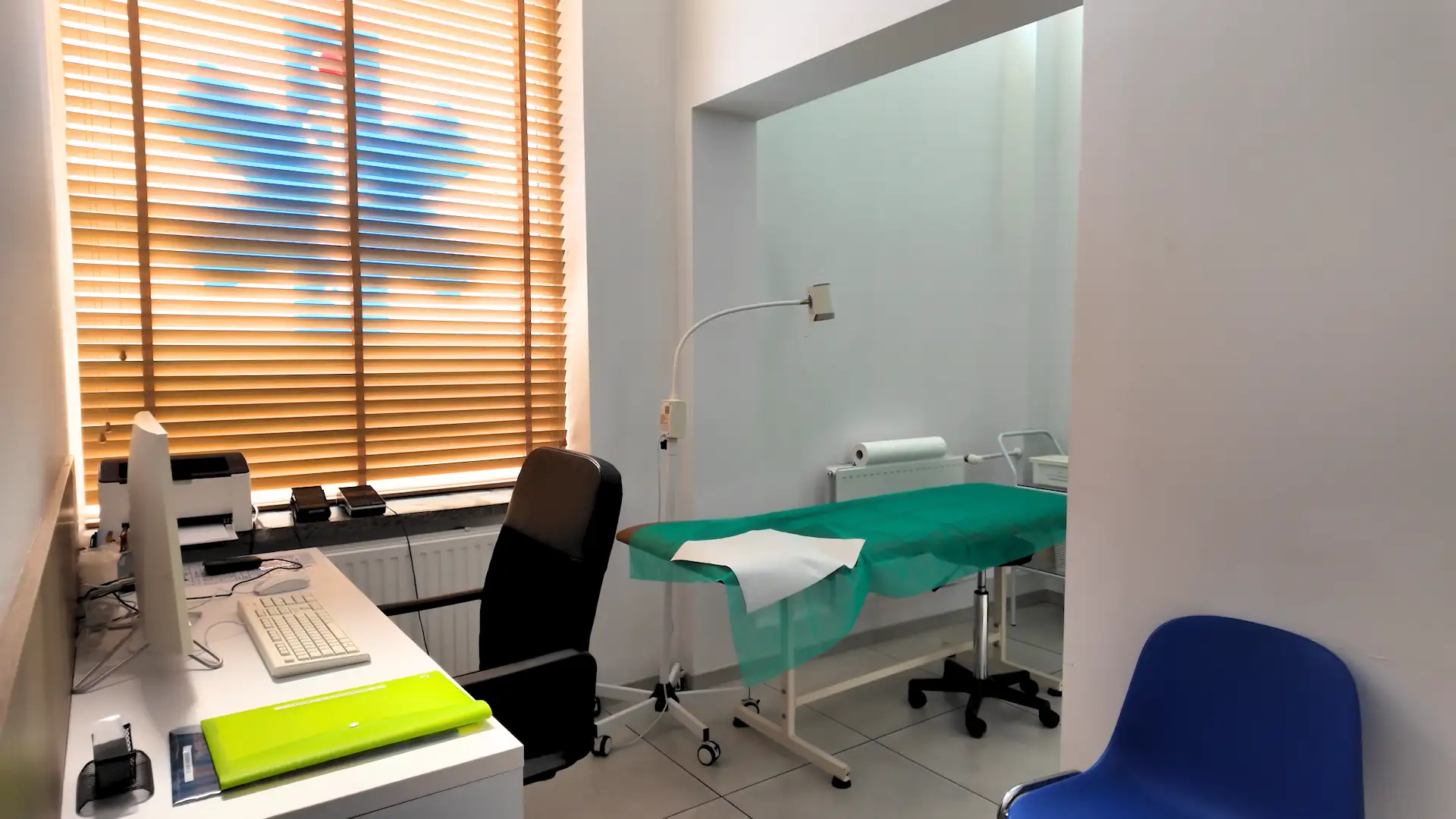
The implantation is a minor surgical procedure performed under local anesthesia at our outpatient clinic. The patient goes home the same day.
Step-by-Step Course of the Procedure:
- Medical Consultation - the doctor conducts a medical history, checks contraindications, and explains the procedure. The patient signs informed consent.
- Preparation - disinfection of the implantation area (upper part of the buttock), local anesthesia (lidocaine injection).
- Implantation - small incision (1-2 cm), insertion of disulfiram tablets under the skin, suturing the wound (non-absorbable or absorbable sutures depending on package).
- Dressing - sterile bandage, post-procedure instructions.
- Patient Goes Home - the procedure takes 20-30 minutes, no hospitalization needed.
Is the Procedure Painful?
No - the procedure is performed under local anesthesia. The only sensation is a slight prick during the anesthetic injection. After the anesthesia wears off, slight local tenderness may appear for 2-3 days - relieved by standard paracetamol.
Follow-up Visit:
Scheduled after 10-14 days (included in package price, no extra charge). The doctor assesses wound healing and removes non-absorbable sutures. VIP and Exclusive packages use absorbable sutures that don't require removal.
Recommendations After Alcohol Implant Implantation
Proper care after implantation ensures quick wound healing and minimizes the risk of complications.
First Days After the Procedure:
- Keep the dressing clean and dry for 48 hours
- Do not soak the wound (no bathing, swimming pool, sauna)
- Avoid heavy lifting and strenuous exercise for 5-7 days
- Do not sleep on the implantation side for the first nights
- You can shower after 2-3 days (protect the wound with waterproof dressing)
Hygiene:
After removing the dressing (after 48h), you can gently wash the area around the wound with water and soap. Dry by patting, do not rub. If redness, swelling, discharge from the wound, or fever appears - contact the clinic immediately.
Physical Activity:
- Light activity - immediately
- Office work - next day
- Physical work - after 3-5 days (avoid heavy lifting)
- Full physical activity (gym, running) - after 2 weeks
Driving:
On the day of the procedure, we recommend refraining from driving due to the effect of local anesthesia. From the next day, driving is safe if there are no other contraindications.
What to Avoid with Esperal Implant - Hidden Sources of Alcohol
Disulfiram reacts not only with alcohol in drinks but also with trace amounts of ethanol in everyday products. Patients with an implant must be vigilant.
Prohibited Products and Substances:
- Alcoholic beverages - vodka, beer, wine, liqueurs (obvious)
- Non-alcoholic beer - contains 0.5% alcohol, can trigger a reaction
- Syrups and drops - many cough syrups, herbal tinctures are alcohol-based
- Mouthwashes - often contain ethanol (use alcohol-free versions)
- Aftershaves and perfumes - for external use they are safe, but do not consume
- Vinegars and wine sauces - cooked sauces usually safe (alcohol evaporates), raw marinades risky
- Desserts with alcohol - tiramisu, rum babas, cakes soaked in liqueur
- Hand disinfectants - external use is safe (skin does not absorb enough alcohol to cause a reaction)
Important - Read Product Labels:
Alcohol may be listed as ethanol, ethyl alcohol, or alcohol denat. If in doubt - avoid. Better safe than risking a severe reaction.
What If I Accidentally Consume Something with Alcohol?
If you feel the first symptoms (nausea, headache, flushing), immediately stop consuming, drink plenty of water, sit or lie down. If symptoms are severe (vomiting, chest pain, breathing problems) - call an ambulance (112). Do not hide that you have an implant - inform medical personnel.
Alcohol Implant Packages - Lublin Pricing
At Nasz Gabinet Lublin, we offer several implant packages differing in disulfiram concentration and additional services.
Standard Packages (Without Detox):
- Standard Package - 899 PLN
- Standard concentration, non-absorbable sutures, painless procedure under local anesthesia, free follow-up visit after 10-14 days - Standard Package - 899 PLN
- Standard concentration, non-absorbable sutures - VIP Package - 1199 PLN
- Standard concentration, absorbable sutures (no need to remove), extended support, priority visits - Exclusive Package - 2000 PLN
- Higher disulfiram concentration = longer many-month duration, absorbable sutures, premium service, unlimited telephone consultations
Combined Packages (Detox + Implant):
If the patient has difficulty stopping drinking on their own, we offer packages combining safe alcohol withdrawal with implantation on the same day.
- Detox 6h + Implant - 1999 PLN
- 6-hour detox with IV fluids, thiamine, anti-nausea medication, followed by implant - Detox 12h + VIP Implant - 2599 PLN
- 12-hour extended detox, intensive IV therapy, rest in a comfortable room, then VIP implant
What's Included in Each Package?
- Medical consultation and qualification
- Implantation procedure with local anesthesia
- Sterile materials and sutures
- Post-procedure dressing
- Written instructions for care
- Free follow-up visit (wound assessment, suture removal)
Book an appointment: call 880 808 880 or use online registration.
Effectiveness of Esperal Alcohol Implant
Esperal effectiveness does not mean "alcohol dependence cure" but providing effective support for abstinence - time needed for therapy and behavior change work.
Scientific Research:
Clinical studies show that patients with disulfiram (in the form of tablets or implant) maintain abstinence significantly more often than patients relying solely on willpower. The effectiveness increases when the implant is combined with psychotherapy - then the results are best.
For Whom Does the Implant Work Best?
- Patients who are internally motivated for abstinence but fear relapse
- People in the early recovery phase (first months are most difficult)
- Patients combining the implant with therapy or AA groups
- Those who have tried quitting on their own but returned to drinking
For Whom Will the Implant Not Work?
- Patients coerced by family without internal motivation
- Those believing the implant will "cure" them without their involvement
- People not ready to change lifestyle and habits
- Patients continuing to drink "despite the implant" (extremely dangerous)
Key to Success:
The implant is a tool, not magic. It provides time and protection - but the patient must use this time for therapy, building a support network, and changing drinking-related life patterns.
Esperal Safety - Risks and Side Effects
The implantation is a safe procedure when performed by experienced doctors with proper patient qualification. However, like any medical intervention, it carries potential risks.
Procedure-Related Risks:
- Infection - rare (less than 1%), minimized by sterile technique
- Hematoma - may appear if a small vessel is damaged, usually resolves on its own
- Wound healing problems - in diabetics or smokers, healing may be slower
- Scar - small (1-2 cm), fades over time
Disulfiram-Related Side Effects:
Some patients (rarely) experience side effects related to disulfiram itself, even without drinking:
- Fatigue, drowsiness (especially in first days)
- Metallic taste in mouth
- Mild skin rashes
- Gastrointestinal upset (nausea, stomach discomfort)
These symptoms are usually mild and resolve after 2-3 weeks. If they are bothersome, consult your doctor - sometimes it is possible to adjust the dose (implant removal is rarely necessary).
The Biggest Danger - Disulfiram Reaction:
The greatest risk is attempting to drink alcohol with an implant. The reaction can be severe and life-threatening. Never test "if the implant works" - it works and can be deadly.
When to Contact a Doctor Immediately?
- High fever (above 38.5°C) after the procedure
- Severe redness, swelling, pus discharge from the wound
- Symptoms of disulfiram reaction (after accidental alcohol consumption)
- Troublesome side effects (persistent nausea, severe fatigue)
Alcohol with Esperal Implant - Why Is It Dangerous?
Some patients treat the implant as a "challenge" and try drinking "to test if it works." This is an extremely risky behavior that can lead to serious health consequences.
What Happens When Drinking Alcohol with an Implant?
The disulfiram reaction appears within a few minutes of consuming alcohol:
- First minutes - facial flushing, rapid heartbeat, headache
- 5-10 minutes - intense nausea and vomiting, shortness of breath
- 15-30 minutes - drop in blood pressure, chest pain, fear of death
- In severe cases - arrhythmias, circulatory collapse, loss of consciousness
Factors Affecting Reaction Severity:
- Amount of alcohol consumed (more = stronger reaction)
- Speed of drinking (fast drinking = violent reaction)
- Disulfiram concentration in implant (Exclusive packages = stronger reaction)
- Individual sensitivity (some react more strongly than others)
- Patient's general condition (fatigue, dehydration worsen the reaction)
"I Drank a Little and Nothing Happened" - Dangerous Myth:
The reaction intensity is not always immediate or predictable. Some people drink a small amount (e.g., a sip of beer) and feel relatively mild symptoms - this gives a false sense of safety. But next time, a larger dose, different circumstances (fatigue, medications), or slower metabolism can trigger a violent, life-threatening reaction.
Never Test the Implant:
If you have an implant - do not drink, period. Any experiment can end in a medical emergency.
How Long Does the Esperal Alcohol Implant Last?
The duration of implant action depends on the package chosen (disulfiram concentration) and individual patient metabolic characteristics.
Standard Packages:
- Standard Package (899 PLN, 899 PLN) - standard concentration, many-month duration
- VIP Package (1199 PLN) - standard concentration, many-month duration
- Exclusive Package (2000 PLN) - higher concentration, longer many-month duration
Exact duration varies individually - depending on body weight, metabolism, physical activity, age. The doctor during consultation will help choose the appropriate package for individual needs.
When to Consider Repeat Implantation?
The implant can be repeated - there is no limit to the number of procedures. New implantation is possible after the previous implant's action ends. Each time requires medical consultation and re-qualification.
Does the Implant Dissolve Completely?
Yes - disulfiram tablets gradually dissolve and are absorbed by the body. After complete absorption, the effect ends and the implant no longer protects against drinking. No residue remains under the skin.
Abstinence Before Esperal Implant Implantation
Implantation requires complete alcohol abstinence - it cannot be performed in a patient who is intoxicated or recently stopped drinking.
Abstinence Requirement:
- Minimum 24 hours complete abstinence
- Optimally 48 hours (better safety, complete alcohol clearance from the body)
Why Is Abstinence Necessary?
If alcohol is still present in the blood during implantation, disulfiram released from the implant can immediately trigger a disulfiram reaction - right after the procedure or within hours. This is extremely dangerous - the patient is just after surgery, should go home, and instead experiences a severe reaction requiring emergency medical intervention.
What If I Can't Stop Drinking on My Own?
If the patient has difficulty stopping drinking (fear of withdrawal symptoms, risk of alcohol withdrawal syndrome), we offer combined packages: Detox + Implant (from 1999 PLN). During detox, the patient safely withdraws from alcohol under medical supervision using IV fluids, thiamine, and anti-withdrawal medication. After completing detox, implantation is performed the same day.
Alcohol Withdrawal Syndrome - Warning Signs:
If you regularly drink large amounts and suddenly stop, watch for symptoms:
- Strong tremors (hands, whole body)
- Profuse sweating, rapid heartbeat
- Anxiety, insomnia
- Nausea, vomiting
- In severe cases - hallucinations, seizures
If you experience these symptoms - contact a doctor immediately. Withdrawal should be performed under medical supervision (detox in an outpatient or inpatient setting).
Alcohol Detox Before Implant - Lublin Packages
Patients who have difficulty stopping drinking on their own can use combined packages: detox + implant. On the same day, we safely interrupt the drinking binge and then perform implantation.
What Is Detox?
Alcohol detox (detoxification) is medically supervised safe withdrawal from alcohol. The patient receives IV fluids (electrolytes, glucose, vitamins, especially thiamine - vitamin B1), medication to alleviate withdrawal symptoms (anti-nausea, sedatives), and is monitored for withdrawal syndrome symptoms.
Detox + Implant Packages:
- Detox 6h + Implant - 1999 PLN
- 6-hour detox with intensive IV therapy, followed by alcohol implant implantation. The patient can go home the same evening. - Detox 12h + VIP Implant - 2599 PLN
- Extended 12-hour detox, allowing for more intensive treatment and rest. After detox completion, VIP implant implantation (absorbable sutures, extended support).
Course of Detox Day:
- Morning - patient arrival, medical consultation, qualification for detox
- Detox - IV drip (electrolytes, thiamine, glucose), medication to alleviate symptoms, rest in a comfortable room under medical supervision
- After Detox - assessment of condition, implantation (if patient is fit)
- Evening - patient goes home with post-procedure recommendations
Is Detox Safe?
Yes - detox performed by experienced doctors in clinic conditions is safe. The patient is monitored, receives appropriate medications and fluids. Risk of alcohol withdrawal syndrome complications is minimized.
Book appointment with detox: call 880 808 880.
Esperal Tablets vs. Alcohol Implant - Which Is Better?
Disulfiram can be administered in the form of tablets (Anticol, Esperal tablets) or as an implant. Both forms have the same mechanism of action - they block alcohol breakdown - but differ in convenience and effectiveness.
Esperal Tablets:
Advantages:
- No surgical procedure
- You can start treatment immediately (prescription from a doctor)
- Dose flexibility (possible to reduce if side effects occur)
- Possibility to discontinue treatment at any time
Disadvantages:
- Must be taken daily - requires discipline
- Easy to "forget" (consciously or unconsciously) when cravings appear
- Risk of treatment discontinuation without telling family
- Effectiveness depends on patient compliance
Alcohol Implant (Esperal):
Advantages:
- One procedure - protection for many months
- No daily decisions ("should I take the tablet or not?")
- Cannot be "forgotten" or secretly discontinued
- Greater effectiveness in maintaining abstinence
Disadvantages:
- Minor surgical procedure (though painless)
- Implant cannot be immediately removed (requires a medical procedure)
- Higher one-time cost (but cheaper than many months of tablets)
Which Form to Choose?
- Implant - for patients who want long-term protection, have had problems with treatment regularity before, or are in the early recovery phase (highest relapse risk)
- Tablets - for patients who prefer flexibility, want to "test" if disulfiram suits them, or have contraindications to the procedure
In practice, the implant is more effective because it eliminates the risk of skipping doses. For patients seriously deciding on abstinence - the implant is a better choice.
When Can the Alcohol Implant Be Repeated?
The Esperal alcohol implant can be implanted multiple times - there is no limit to the number of procedures. Many patients repeat implantation for several years, treating it as long-term relapse prevention support.
When to Consider Repeat Implantation?
New implantation can be performed after the previous implant's action ends. The manufacturer (Esperal) guarantees that repeat implantation is possible after 8 months from the previous one. In practice, many patients schedule the next procedure slightly earlier or later - depending on individual needs and doctor's assessment.
Does the Implant Work Equally Well with Each Implantation?
Yes - the body does not develop "tolerance" to disulfiram. The implant works equally effectively whether it's the first, third, or tenth implantation. Each time disulfiram blocks alcohol breakdown in the same way.
Do I Need to Undergo Re-qualification?
Yes - each implantation requires medical consultation. The doctor assesses current health (whether new contraindications have appeared), checks experience with the previous implant, and helps choose the appropriate package.
Is Repeat Implantation a Sign of Treatment Failure?
No - repeat implantation is a sign of wisdom and responsible approach to recovery. Alcohol dependence is a chronic disease - like diabetes or hypertension. Just as a diabetic takes insulin regularly, a person with addiction may need long-term disulfiram support. There's nothing wrong with that - it's a tool that helps maintain health and abstinence.
Book repeat implantation: 880 808 880 or online registration.
Esperal and Other Medications - Interactions
Patients taking other medications should inform the doctor before implantation. Disulfiram may interact with certain drugs.
Important Drug Interactions:
- Anticoagulants (warfarin, acenokumarol) - disulfiram enhances their effect (risk of bleeding). Dose adjustment required and INR monitoring.
- Phenytoin (epilepsy medication) - disulfiram increases phenytoin blood level, may cause intoxication. Requires monitoring and possible dose reduction.
- Benzodiazepines (anxiolytics) - disulfiram may prolong their action. Use cautiously.
- Isoniazid (tuberculosis treatment) - combination may increase neurological side effect risk.
- Metronidazole (antibiotic) - combination with disulfiram may cause acute psychotic reactions. Avoid.
Can I Take Painkillers?
Yes - standard analgesics (paracetamol, ibuprofen) are safe with disulfiram. Do not use alcohol-based painkillers (e.g., some drops and syrups).
Can I Take Antibiotics?
Most antibiotics are safe. The exception is metronidazole and some other drugs - always inform the doctor prescribing antibiotics that you have a disulfiram implant.
Important:
Before implantation, inform the doctor about all medications you take (including over-the-counter and supplements). After implantation, always inform other doctors (e.g., dentist, surgeon) that you have an Esperal implant.
Esperal Alcohol Implant in Pregnancy and Breastfeeding
Pregnancy and breastfeeding are absolute contraindications to Esperal implantation. Disulfiram is not safe for the fetus or breastfed infant.
Why Can't Esperal Be Used During Pregnancy?
Studies on pregnant women are limited, but animal studies show that disulfiram may harm the fetus. In the first trimester, the risk of congenital defects is highest. In later stages of pregnancy, disulfiram may affect fetal nervous system development. Therefore, implantation during pregnancy is absolutely contraindicated.
What If I Plan to Get Pregnant?
If you plan pregnancy, consult your doctor before implantation. If you already have an implant and become pregnant - contact your doctor immediately. Removing the implant may be considered (though this is not always necessary, if you are not drinking, risk to the fetus is minimal - but the decision belongs to the doctor).
Can I Breastfeed with an Implant?
No - disulfiram passes into breast milk. Breastfeeding an infant while having an implant is not safe. If you are breastfeeding and considering an implant - you must discontinue breastfeeding first.
Alternative Forms of Alcohol Dependence Treatment in Pregnancy:
Pregnancy is not the time for disulfiram treatment, but it is the time for intensive psychotherapy and support from addiction specialists and obstetricians. Drinking alcohol during pregnancy harms the fetus (fetal alcohol syndrome) - therefore any form of support helping maintain abstinence is crucial.
Liver Disease and Esperal Alcohol Implant
Liver is the organ most often damaged by chronic alcohol drinking. Many patients with alcohol dependence have liver damage (fatty liver, alcoholic hepatitis, cirrhosis). How does this affect the possibility of using Esperal?
Mild to Moderate Liver Damage:
Patients with mild liver damage (elevated transaminases, fatty liver) can usually receive an implant - but the doctor must assess the risk individually. Before implantation, liver enzyme tests (ALT, AST, bilirubin) may be necessary.
Severe Liver Failure:
Advanced cirrhosis, liver failure, jaundice - these are absolute contraindications to disulfiram. In such patients, disulfiram may worsen liver condition and be dangerous.
Does Disulfiram Damage the Liver?
Disulfiram itself in therapeutic doses is relatively safe for the liver. The main risk is the disulfiram reaction (if the patient drinks) - then acetaldehyde is highly toxic to the liver. But if the patient does not drink - disulfiram does not damage the liver.
Liver Regeneration After Quitting Drinking:
Good news: if the patient stops drinking, the liver has enormous regenerative capacity. Even significantly damaged liver can improve after a few months of abstinence. The implant - by ensuring abstinence - actually helps liver regeneration, not harms it.
Important:
If you have liver disease history (hepatitis, cirrhosis, elevated liver enzymes) - inform the doctor before implantation. Tests and individual risk-benefit assessment may be necessary.
Heart Disease and Esperal Alcohol Implant
Heart disease is one of the important contraindications to Esperal - but not every heart condition completely excludes the possibility of implantation. The doctor must individually assess the risk.
Absolute Contraindications (Severe Heart Disease):
- Coronary artery disease with angina attacks
- Severe heart failure (NYHA class III-IV)
- Dangerous arrhythmias (atrial fibrillation, ventricular arrhythmias)
- History of myocardial infarction (especially recent, less than 6 months)
- Severe hypertension (uncontrolled, above 180/110 mmHg)
In these patients, disulfiram is too risky - the disulfiram reaction (if the patient drinks) can cause arrhythmias, drop in blood pressure, and heart failure exacerbation.
Mild Heart Disease:
Patients with mild hypertension (controlled with medication), after old myocardial infarction (more than a year, stable condition), or with mild arrhythmias may be qualified for implantation - but requires thorough medical history, possibly ECG, and cardiologist consultation.
Does Disulfiram Itself Harm the Heart?
Disulfiram itself (without drinking alcohol) does not harm the heart. The danger lies in the disulfiram reaction - if the patient drinks, acetaldehyde overload can be dangerous for a sick heart.
Important:
If you have heart disease - inform the doctor before implantation. Do not hide heart problems, even if they seem "minor" - doctor must know to assess whether implantation is safe.
Does the Implant Cure Alcoholism?
No, the implant does not cure alcoholism. This is a key issue to understand - Esperal is a support tool, not a cure for dependence.
What Does the Implant Do?
The implant provides a pharmacological barrier - physical impossibility of drinking for many months. This is a huge help, but it is not a cure for dependence. Dependence is not just the body's need for alcohol, but a whole complex of habits, emotions, thinking patterns, and life circumstances that led to drinking.
What Does the Implant NOT Do?
- Does not change thinking patterns ("alcohol helps me relax")
- Does not solve emotional problems (depression, anxiety, trauma)
- Does not teach new stress coping methods
- Does not repair family relationships
- Does not eliminate craving for alcohol (psychological craving)
"Dry Drunk" Syndrome:
A patient who stopped drinking only because of the implant - without working on the causes of drinking - is a "dry drunk". Does not drink, but:
- Remains irritable, tense, aggressive
- Has not changed thinking and behavior patterns
- Waits for the implant to expire to "drink again"
- High relapse risk after implant expiration
What Cures Alcoholism?
Treatment is a process combining:
- Pharmacological support (implant, craving-reducing medications)
- Psychotherapy (individual, group, family therapy)
- Behavior change (new habits, stress coping methods)
- Support network (AA, family, therapist)
- Time and work - recovery takes months and years
The implant gives time and stability - but the patient must use this time to work on themselves. Learn more about addiction therapy in Lublin.
Alcohol Implant and Alcoholism Treatment in Lublin
The implant alone does not cure alcoholism - it is pharmacological support that provides time and stability needed to work on the causes of dependence.
Why Is the Implant Alone Not Enough?
Esperal blocks the ability to drink for many months, but does not change thinking patterns, does not solve emotional problems, and does not teach new stress coping methods. A patient ending implant action without working through these areas remains a "dry alcoholic" - does not drink, but has high relapse risk.
"Dry Alcoholic" Syndrome:
- Person does not drink, but has not changed thinking patterns
- Irritability, tension, attempts to control surroundings
- No work on emotions and dependence mechanisms
- High risk of returning to drinking after implant expiration
Elements of Comprehensive Treatment:
- Detox - safe alcohol binge interruption
- Esperal Implant - pharmacological barrier supporting abstinence
- Individual Psychotherapy - work on causes of dependence
- Group Therapy - support from others in recovery process
- Supporting Pharmacotherapy - medications reducing alcohol craving (naltrexone, acamprosate)
At Nasz Gabinet Lublin, we offer a comprehensive approach - beyond the implant, we can refer patients to addiction psychotherapy.
Why Alcohol Implant at Nasz Gabinet Lublin?
The choice of implantation site matters for procedure safety and the entire treatment process.
Experience:
- Doctors specializing in addiction treatment
- Thousands of implantation procedures performed
- Sterile surgical clinic conditions
- Modern medical equipment
Comprehensiveness:
- Possibility of combining detox with implant on the same day
- Referral to addiction psychotherapy
- Supporting pharmacotherapy (prescriptions for naltrexone, acamprosate)
- Support and telephone consultations after the procedure
Availability:
- Clinic open 7 days a week, 8:00-20:00
- Short waiting time - often same-day procedure
- Flexible appointment times
- Service for patients from entire Lublin Voivodeship
Transparency:
- Clear pricing with no hidden costs
- Full explanation of procedure before the procedure
- Written informed consent
- Information card with post-procedure instructions
Book appointment: 880 808 880 or online registration.
Alcohol Implant Clinic Lublin - Location and Directions
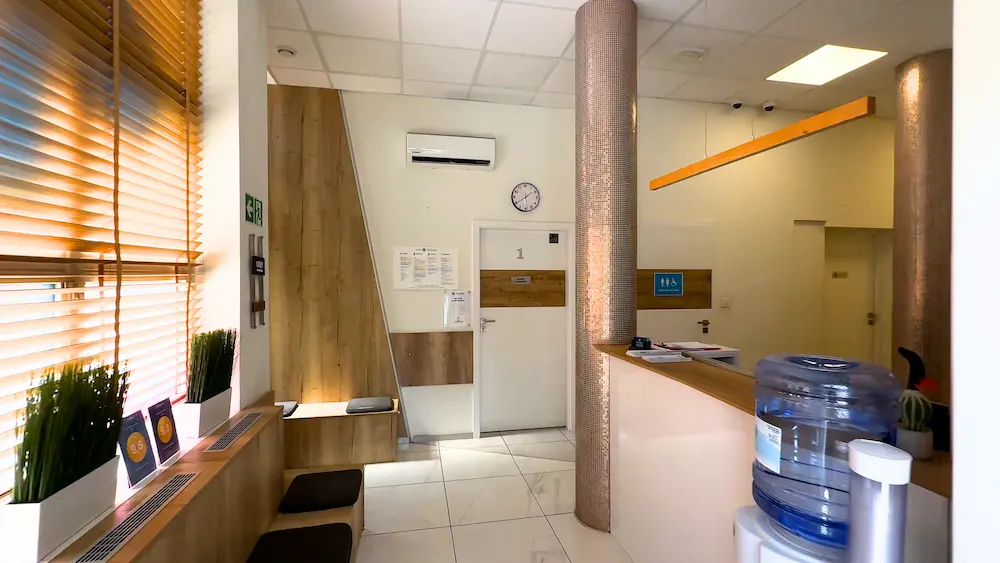
Nasz Gabinet in Lublin is located in a convenient location, easily accessible to patients from throughout Lublin Voivodeship.
Address Details:
- Address: ul. Narutowicza 78A/lok 3, 20-001 Lublin
- Phone: 880 808 880
- E-mail: kontakt@nasz-gabinet.pl
- Opening hours: daily 8:00-20:00 (including weekends)
Directions:
The clinic is located on Narutowicza Street, in the central part of Lublin. Convenient access by both public transport and car. Parking spaces available nearby. The procedure can be performed on the same day as the consultation, so multiple trips are not necessary.
Esperal Lublin - We Serve All of Lublin Voivodeship
Our Lublin clinic serves patients from throughout Lublin Voivodeship and surrounding areas. Thanks to the central location in the region and good transportation connections, it is easy to reach us from any city in Lubelszczyzna.
Served Localities:
- Zamość
- Chełm
- Puławy
- Biała Podlaska
- Świdnik
- Łęczna
- Kraśnik
- Łuków
- Tomaszów Lubelski
- Hrubieszów
- Lubartów
- Radzyń Podlaski
Easy access by public transport (PKP, PKS) and car. Parking available at the clinic for patients.
Support for Families of Alcoholics in Lublin
Addiction affects not only the drinking person, but the entire family. Loved ones often do not know how to help or where to seek support.
How to Talk to an Addicted Person About Treatment:
- Choose a moment when the person is sober and calm
- Talk about specific behaviors and their consequences, not about "being an alcoholic"
- Express concern, not accusations ("I'm worried" instead of "you drank again")
- Offer specific help - e.g., scheduling an appointment, driving to the clinic
- Don't issue ultimatums you don't intend to follow through on
Co-dependence:
People living with an alcoholic often unconsciously enter the role of co-dependents - they hide the problem, "rescue" the drinker from consequences, neglect their own needs. This also requires help.
Where to Seek Support for Yourself:
- Al-Anon groups - for families of addicted persons
- Individual therapy - working through your own emotions
- Support groups at addiction therapy centers
If you have questions about treating a loved one, call: 880 808 880.