

Esperal Alcohol Implant Elbląg - What Is It and How Does It Support Sobriety?
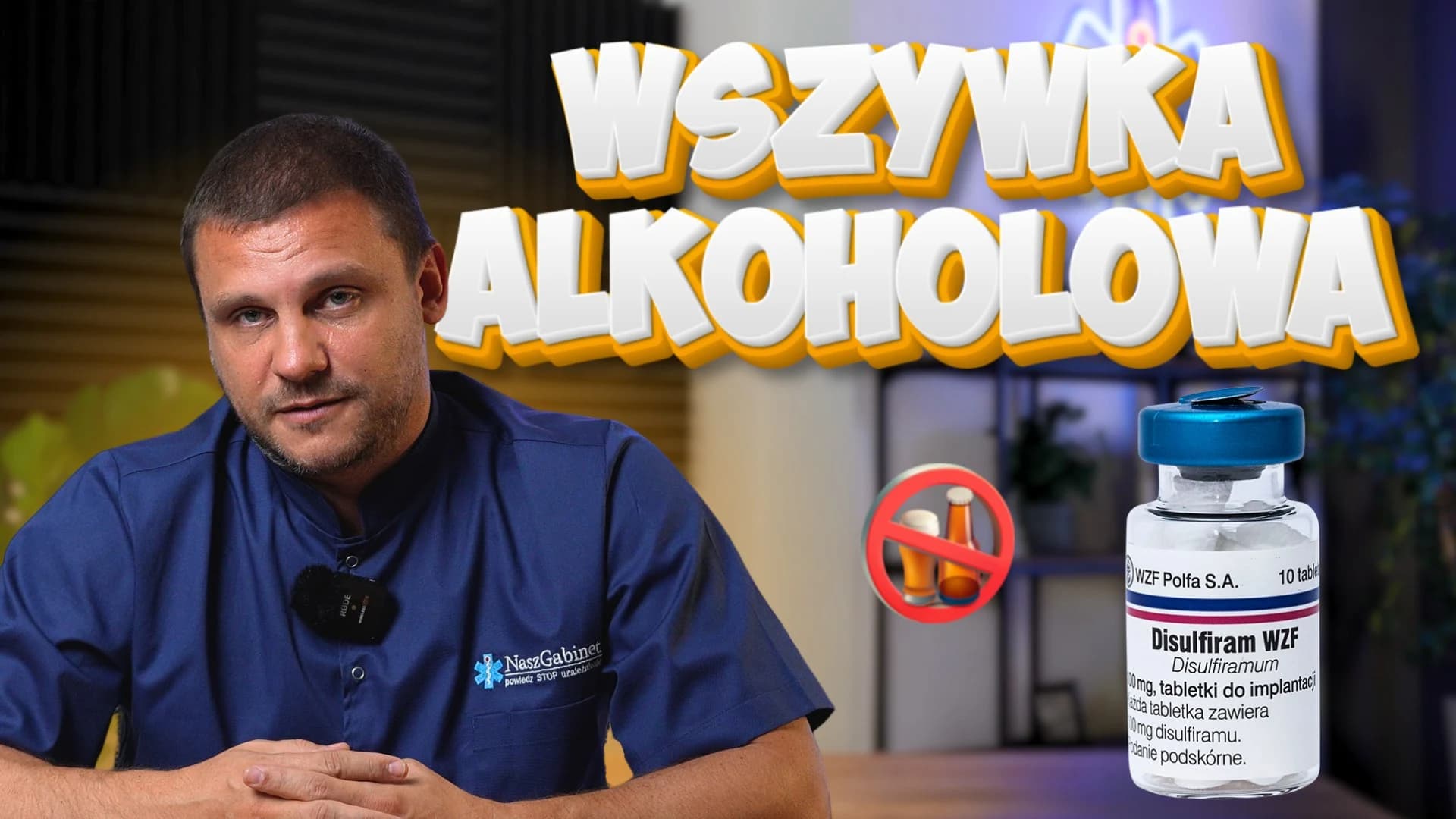
The Esperal alcohol implant is a subcutaneous implant containing disulfiram - a medication that blocks the enzyme responsible for breaking down alcohol in the liver. After consuming alcohol, the body accumulates toxic acetaldehyde, causing severe nausea, vomiting, heart palpitations and blood pressure drop. This unpleasant reaction effectively discourages drinking.
The implant releases disulfiram gradually over 8-12 months. The patient does not have to remember daily tablets - the medication works continuously, eliminating the risk of missing a dose in a moment of weakness. The implant creates a pharmacological barrier providing time for psychotherapy and building new habits.
Esperal has no psychoactive effects - it does not change mood or cause addiction. It only works upon contact with alcohol. The implant itself does not treat the causes of addiction, but provides effective support in maintaining abstinence.
How Disulfiram Works - Mechanism of Aversion Reaction
Understanding the mechanism of action of disulfiram helps patients make an informed decision about treatment. Esperal affects the metabolism of ethyl alcohol in the liver by blocking the enzyme responsible for breaking down acetaldehyde.
Normal Alcohol Metabolism
- Ethyl alcohol is converted to acetaldehyde - a toxic substance
- Acetaldehyde is broken down to harmless acetic acid
- Acetic acid is metabolized to water and carbon dioxide
What Happens with Esperal Implant
Disulfiram blocks the enzyme that breaks down acetaldehyde. After consuming alcohol, the toxin accumulates in the body, causing disulfiram reaction. Within 5-10 minutes, severe nausea and vomiting appear, along with pulsating headache and dizziness. The face and neck redden, the heart starts beating faster, palpitations occur. Blood pressure drops, breathing becomes difficult, and a feeling of tightness develops in the chest. This is accompanied by strong anxiety and distress.
The severity of symptoms is proportional to the amount of alcohol consumed. With large doses, the reaction can be life-threatening. Therefore, alcohol consumption with an implant is absolutely contraindicated.
Who Is the Alcohol Implant For - Patient Profiles
The alcohol implant is intended for individuals with diagnosed alcohol addiction who are motivated for treatment and need additional pharmacological support.
The implant is particularly effective for people who:
- Have difficulty with self-control and need an external barrier
- Have repeatedly tried to maintain abstinence without success
- Want to protect themselves from impulsive reaching for alcohol
- Have completed detoxification and maintain minimum 24-48 hours of abstinence
- Are ready for comprehensive treatment combining pharmacotherapy with psychotherapy
Patient profiles using implants in Elbląg:
- High-functioning alcoholic - maintains the appearance of normal professional and family life despite addiction. The implant provides external motivation to maintain sobriety.
- Weekend alcoholic - drinks intensively on weekends, maintains abstinence during the week. Esperal protects against "weekend relapses".
- Patients after alcohol binges - after detox, the implant provides protection against relapse in the first months of sobriety.
- "Dry alcoholic" - a person who is not drinking but has not worked through the causes of addiction. The implant provides time for psychological therapy.
The implant is a supporting tool - full treatment requires parallel psychotherapy.
Implant as an Element of Comprehensive Alcoholism Therapy
The alcohol implant does not cure alcoholism itself - it is support in maintaining abstinence, providing time to work on the causes of addiction.
Why is the implant alone not enough?
Esperal blocks the ability to drink for 8-12 months, but does not change thinking patterns or solve emotional problems. A patient ending the implant's action without therapy remains a "dry alcoholic" with high risk of relapse.
Elements of comprehensive therapy:
- Alcohol detoxification - safe interruption of a binge
- Esperal implant - pharmacological barrier for 8-12 months
- Individual psychotherapy - working through the causes of addiction
- Group therapy - peer support
- Pharmacotherapy - medications for alcohol craving (naltrexone, acamprosate)
Patients combining implant with psychotherapy have significantly lower risk of returning to drinking after the implant's action ends.
Contraindications to Esperal Implantation
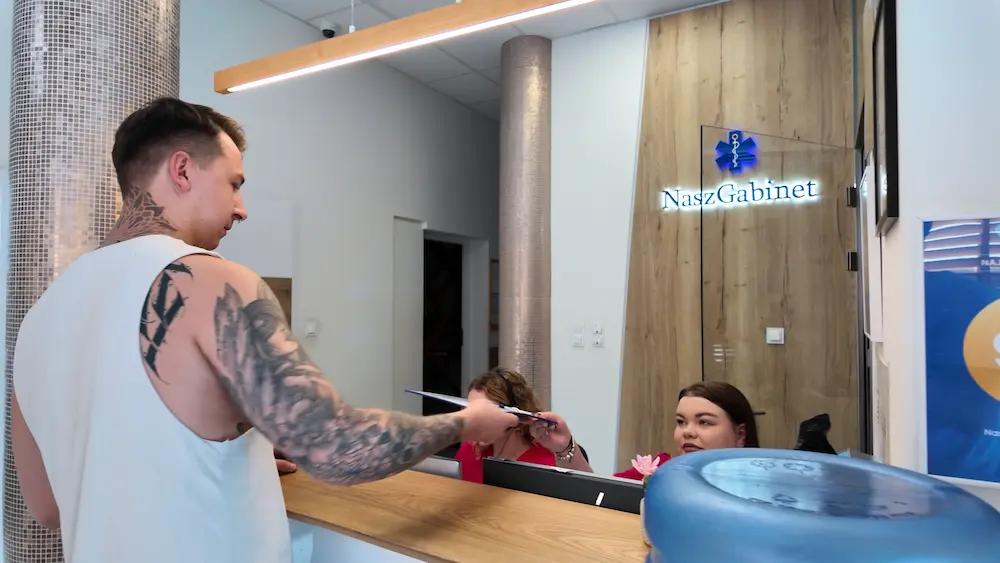
Before the procedure at Nasz Gabinet Elbląg, each patient undergoes medical qualification excluding contraindications to implantation.
We do not perform the procedure in people with hypersensitivity to disulfiram, severe heart disease, liver or kidney failure, epilepsy, peripheral neuropathy, and serious mental disorders. We do not implant in pregnant or breastfeeding women. An absolute requirement is minimum 24-hour abstinence before the procedure.
Diabetes, hypothyroidism and hypertension require individual assessment but do not automatically exclude the possibility of implantation.
During the implant's action, avoid metronidazole, warfarin, phenytoin and theophylline, as well as medications containing alcohol as a solvent. Paracetamol and ibuprofen are safe.
Detox Before Implant - When Is It Needed?
Before Esperal implantation, abstinence of minimum 24-48 hours is required. For patients after an alcohol binge, we offer a package combining detox with implant.
When detox is necessary:
- After an alcohol binge lasting several days or longer
- With symptoms of withdrawal syndrome (hand tremors, sweating, anxiety)
- When the patient cannot maintain 24h abstinence independently
- With risk of alcohol seizures in medical history
6h Detox + Implant Package (2000 PLN) includes:
- 6-hour detox under the care of doctor and nurse
- Hydrating and stabilizing IV drips
- Medications alleviating withdrawal symptoms
- Implant insertion after state stabilization
- Follow-up visit
Thanks to this solution, the patient can interrupt the binge and protect against relapse the same day. More about alcohol detoxification in Elbląg.
How to Prepare for the Implant Procedure in Elbląg
Proper preparation increases the safety and comfort of the procedure.
Requirements before the procedure:
- Abstinence minimum 24-48 hours - absolute requirement
- Identity document
- List of medications taken
- Information about chronic diseases and allergies
What you DON'T need:
- To be fasting - you can eat normally
- A referral - we accept without referral
- Arrange transport - you will return home independently
- Take time off - most patients return to work the next day
If you cannot maintain abstinence:
For patients after an alcohol binge, we offer a Detox + Implant package for 2000 PLN. 6-hour detox under medical care allows you to safely stop drinking and have the implantation performed the same day. Call: 880 808 880.
Course of Esperal Implantation Procedure in Elbląg
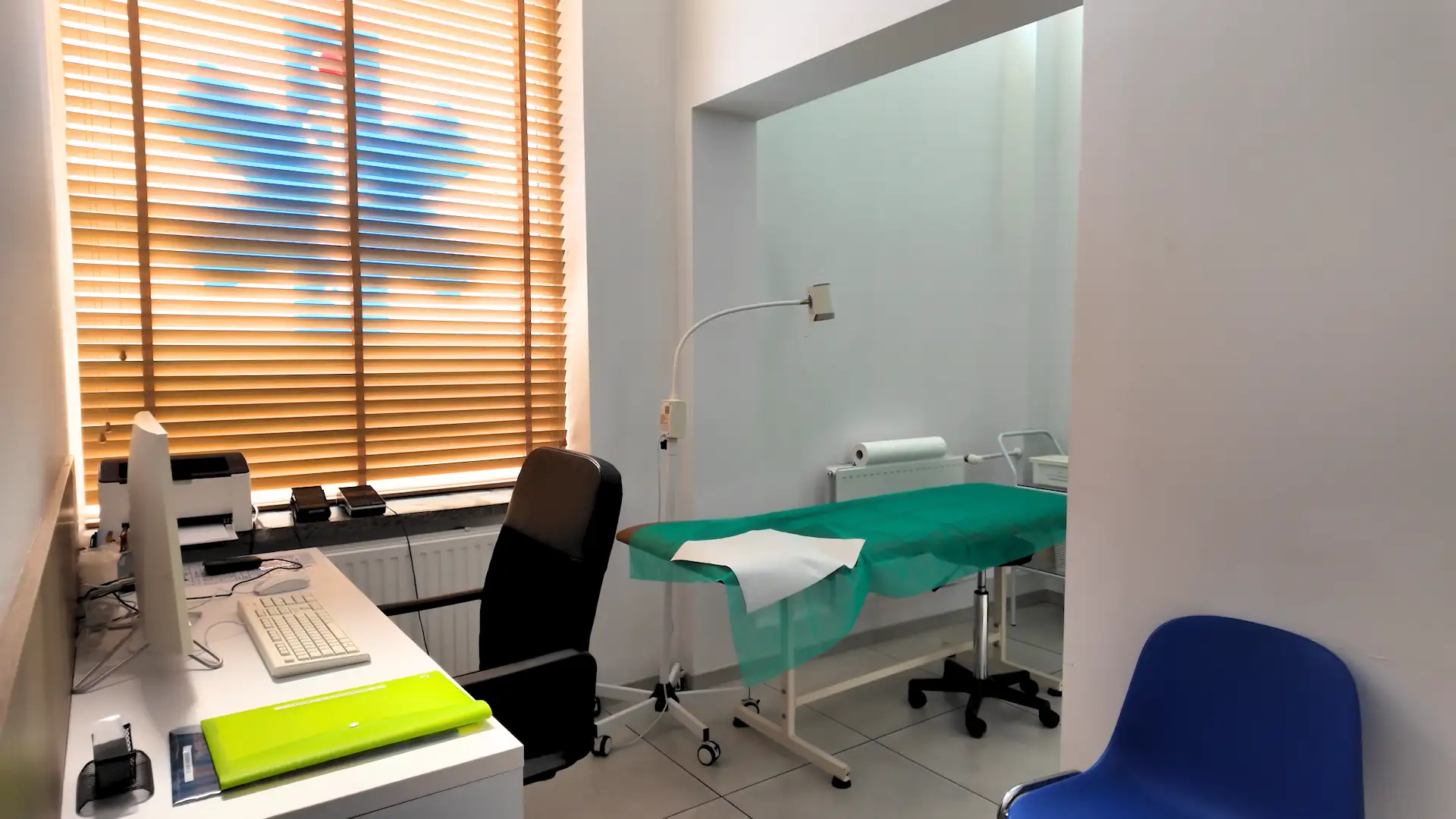
The implantation procedure at Nasz Gabinet Elbląg is performed by experienced doctors in sterile conditions.
Procedure stages step by step:
- Medical consultation (15 minutes) - medical history, abstinence verification, signing informed consent
- Preparation of surgical field - disinfection of buttock area
- Local anesthesia - the only noticeable injection
- Skin incision - small cut about 1-2 cm
- Tablet implantation - placing disulfiram under the skin
- Wound suturing - 2-3 stitches (dissolvable in VIP/Exclusive packages)
- Dressing and observation - 15-30 minutes after the procedure
Does Alcohol Implant Insertion Hurt?
The procedure itself is painless thanks to local anesthesia - you only feel the prick when administering the anesthetic, comparable to a standard injection.
After the anesthesia wears off, slight tenderness, minor swelling and a feeling of skin tension may appear. The discomfort is mild and subsides within 2-3 days. If needed, paracetamol is sufficient - avoid ibuprofen and aspirin for the first few days due to bleeding risk.
The wound heals in 7-14 days. Non-dissolvable stitches are removed during a follow-up visit. The scar is small and becomes practically invisible over time.
Post-Procedure Recommendations - Wound Care
Proper care accelerates healing and minimizes the risk of complications.
Wound care (first 2 weeks):
- Keep the wound dry for the first 3-5 days
- Avoid bathing in tub, swimming pool, lake
- Shower allowed after 48 hours - avoid the wound area
- Do not remove the dressing for the first 24 hours
- Change dressing every 2-3 days or when it gets wet
Physical activity:
- First 24 hours: avoid intense effort
- First 2 weeks: avoid heavy physical work, lifting
- Walks and light activity: allowed from day two
- Full activity: after 2-3 weeks
Symptoms requiring contact with the clinic:
- Increasing redness or swelling
- Purulent discharge or unpleasant odor
- Fever above 38°C
- Severe pain not relieved by paracetamol
If in doubt, call: 880 808 880 - we are available 7 days a week.
What Happens After Drinking Alcohol with an Implant?
The reaction to alcohol with an implant is an intentional therapeutic mechanism, but can be dangerous.
Disulfiram reaction symptoms:
- Within 5-15 minutes: facial flushing, feeling of heat
- Within 15-30 minutes: strong heart palpitations, shortness of breath, nausea
- Progressive: vomiting, headache, blood pressure drop, dizziness
- In severe cases: consciousness disorders, seizures
Delayed reaction - why "nothing happens":
Some patients claim they drink with an implant without symptoms. This is a dangerous illusion. The reaction severity depends on:
- Amount of alcohol consumed
- Drinking speed
- Individual metabolism
- Overall health status and hydration
With small doses, symptoms may be mild or delayed. This does not mean the implant is not working. Sudden dose increase, fatigue or dehydration can trigger a full life-threatening reaction.
What to do if alcohol is consumed:
- DO NOT drink more alcohol
- Lie down in a safe place
- Drink plenty of water
- With severe symptoms - call emergency (112)
Products to Avoid with an Implant
With an alcohol implant, you must completely avoid alcoholic beverages: beer, wine, vodka, liqueurs, drinks and cocktails. Caution also applies to non-alcoholic beer, which may contain up to 0.5% alcohol.
Special attention should be paid to medications containing alcohol as a solvent. These include cough syrups, heart drops (e.g., hawthorn tincture), stomach drops and some throat sprays. Before taking any medication, check the composition or consult a pharmacist.
Avoid mouthwashes containing alcohol - even accidental swallowing can trigger a reaction. Similarly, treat food prepared with alcohol that has not been fully evaporated: fresh wine-based sauces, desserts with liqueur, cakes soaked in alcohol and chocolates with alcoholic filling.
On labels, alcohol may appear under the names: ethanol, alcohol, alcohol denat., or spiritus. If in doubt about product safety - it's better to avoid it or consult a doctor.
Duration of Action and Implant Pricing in Elbląg
The Esperal implant works for 8-12 months, depending on the patient's individual metabolism.
Alcohol implant pricing in Elbląg:
Standard Package - 899 PLN
- Medium concentration Disulfiram
- Non-dissolvable stitches
- Intramuscular antibiotic (infection prophylaxis)
VIP Package - 1199 PLN
- High concentration Disulfiram
- Dissolvable stitches (do not require removal)
- Antibiotic + prescriptions for supporting medications
Exclusive Package - 2000 PLN
- Higher concentration Disulfiram
- Dissolvable stitches + 2 free medical consultations
- Prescription for alcohol craving and enhancement medication
6h Detox + Implant - 1999 PLN
- 6-hour detox under medical supervision
- Standard concentration implant
12h Detox + VIP Implant - 2599 PLN
- 12-hour detox under medical supervision
- VIP implant (higher concentration)
Alcohol Implant Elbląg - we serve Żuławy and Warmia
Our clinic in Elbląg serves patients from the Vistula Żuławy region, Warmia and northeastern Poland. Thanks to the excellent location, it is easy to reach us from any city in the region.
Nearby towns:
- Malbork
- Braniewo
- Ostróda
- Iława
- Pasłęk
- Tolkmicko
- Frombork
- Młynary
- Krynica Morska
- Nowy Dwór Gdański
- Gdańsk
- Olsztyn
Easy access by public transport (PKP, PKS) and by car. Parking available for patients at the clinic.
Why choose Elbląg for implant procedure?
Elbląg offers excellent transport accessibility for patients from Żuławy and Warmia region. Good PKP and PKS connections and proximity to Tri-City and Kaliningrad make the visit convenient from any direction.
Nasz Gabinet Elbląg - Location and Access
The Nasz Gabinet facility in Elbląg offers comprehensive addiction treatment in a convenient location in Warmia and Masuria.
Contact details:
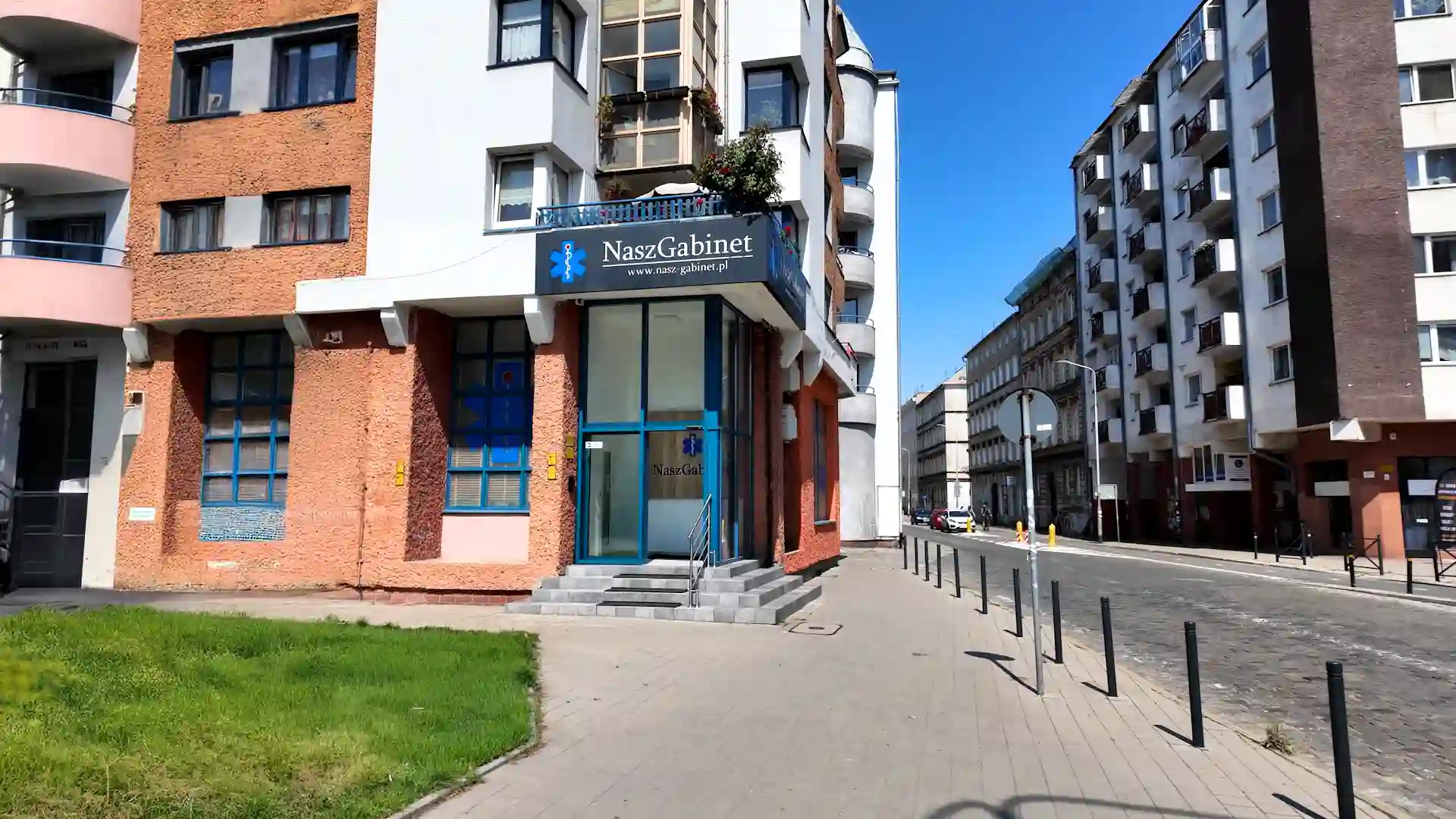
- Address: Grobla Świętego Jerzego 14A, 82-300 Elbląg
- Phone: 880 808 880
- Email: kontakt@nasz-gabinet.pl
- Opening hours: Monday-Sunday 8:00-20:00
Why Choose Nasz Gabinet Elbląg?
The choice of implantation site matters for the safety and effectiveness of treatment.
Experience and professionalism:
- Experienced doctors specializing in addiction treatment
- Thousands of completed implantation procedures
- Sterile conditions and modern equipment
- Constant medical supervision during the procedure
Comprehensive care:
- Full qualification before the procedure
- Possibility of combining detox with implant
- Follow-up visit included in package price
- Phone availability 7 days a week
Patient comfort:
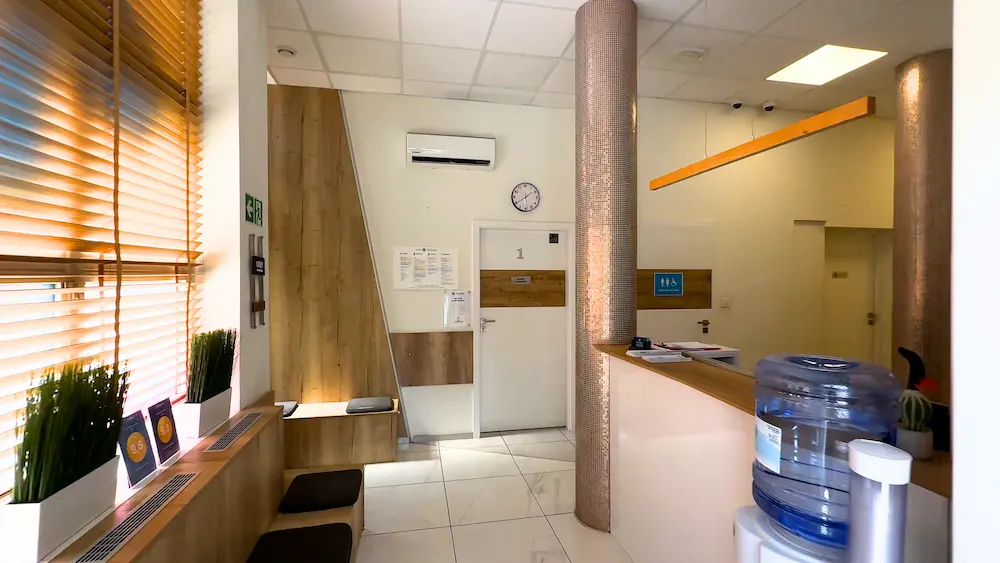
- Discreet location
- Short waiting time (often same day)
- Clinic open daily 8:00-20:00, including weekends
- Flexible appointment times
Transparent rules:
- Clear pricing without hidden costs
- Detailed procedure explanation
- Written informed consent
- Information card with recommendations
Book an appointment: call 880 808 880 or use online e-registration. Clinic open daily 8:00-20:00.
Non-Alcoholic Beer and Implant - Why Avoid?
Patients with an alcohol implant often ask if they can drink non-alcoholic beer. Although it formally contains trace amounts of alcohol (up to 0.5%), the amount of ethanol is not the main problem.
Non-alcoholic beer acts as a psychological trigger. The taste, smell, ritual of opening a bottle and drinking from a mug - all this reminds of alcohol drinking. In addicted individuals, such associations can activate alcohol craving and provoke relapse.
In addiction therapy, the principle applies: zero triggers. Avoiding non-alcoholic beer is not a matter of chemistry, but of addiction psychology. Many relapses begin precisely with "innocent" 0% beer.
Instead of non-alcoholic beer, choose beverages with no associations with alcohol: water, juices, tea, coffee. This is a safer path to lasting sobriety.
Alcohol Implant Removal in Elbląg
Removal of an alcohol implant is technically possible, but strongly discouraged and performed only in exceptional medical situations.
The implant grows into subcutaneous tissue and its removal requires surgical intervention. Additionally, disulfiram is gradually absorbed into the body - even after removing the tablets, the active substance remains in tissues for several weeks. There is no possibility of immediately "turning off" the medication's action.
We only remove implants inserted in our clinic when we have medical documentation. If necessary, we perform ultrasound examination to locate the implant. Before deciding on removal, we recommend consultation with an addiction therapist.
Remember: an implant is a conscious decision to protect against relapse. The desire to remove it often stems from alcohol craving, not rational need.
Adverse Effects of Esperal Implant
While maintaining abstinence, the Esperal implant rarely causes adverse effects. Disulfiram in implant form is released gradually in low doses, which minimizes the risk of ailments.
Symptoms that may occur with abstinence:
- Drowsiness and easy fatigue
- Metallic or garlic aftertaste in mouth
- Transient impotence (resolves spontaneously)
- Nausea (rarely)
These symptoms are usually mild and transient. If they persist longer than a few weeks or are troublesome, contact the clinic.
Rare adverse effects (requiring consultation):
- Skin allergic reactions
- Mood disorders
- Tingling or numbness of limbs
Serious adverse effects are very rare with proper qualification for the procedure. Regular follow-up visits allow monitoring of health status and responding to any problems.
Anti-Alcohol Injection - Myth or Reality?
In Poland there is no registered anti-alcohol injection. The only legal method of long-term disulfiram implantation is Disulfiram WZF tablets for implantation (trade name Esperal), implanted subcutaneously.
Offers of "injections" or "anti-alcohol infusions" found on the internet are illegal or concern completely different preparations. These may be unregistered substances of unproven effectiveness or placebo effect sold at high prices.
Why is there no disulfiram injection? The medication requires slow, even release over many months. A single injection would not provide such an effect - disulfiram would be quickly absorbed and stop working after a few days.
At Nasz Gabinet Elbląg we use only original, registered medications. The Esperal implant is a proven, safe method supporting abstinence.
Alcohol Implant with Home Visit Elbląg
Performing an alcohol implant with a home visit is strongly discouraged and we do not offer such a service. The implantation procedure requires conditions that cannot be ensured outside a medical facility.
Why the implant must be performed at the clinic:
- Sterility - implantation tablets must be sterile, without any contamination
- Skin incision - requires proper lighting and surgical instruments
- Anesthesia - administration of anesthetic requires supervision
- Post-procedure observation - patient should remain under care for 15-30 minutes
Performing an implant in home conditions drastically increases the risk of infection, improper healing and complications. Offers of "mobile procedures" may come from persons without proper qualifications.
Nasz Gabinet in Elbląg is open daily 8:00-20:00, including weekends. We offer short waiting times and flexible appointment hours. Call: 880 808 880.